
The renowned Studio Museum in Harlem has officially opened its Call for Applications for the upcoming 2026-2027 Artist-in-Residence Program. This prestigious residency supports emerging artists of African descent by providing essential resources and exposure within a dynamic cultural hub.
Peu de temps ? Voici l’essentiel à retenir :
- ✅ The residency offers a comprehensive 11-month engagement with studio space, financial support, and mentorship.
- ✅ Applications are accepted from local, national, and international artists working in any media.
- ✅ The program culminates with an exhibition at the Studio Museum, celebrating the works developed during the residency.
- ✅ Avoid common pitfalls such as incomplete applications or overlooking the program’s focus on artists of African descent.
Unlocking Opportunities for Emerging Artists through the Studio Museum in Harlem Residency
The Artist-in-Residence program at the Studio Museum in Harlem represents a significant development platform for artists of African and Afro-Latinx descent. Commencing from November 2, 2026, to October 3, 2027, this residency extends beyond providing mere space – it offers an immersive environment tailored to foster creative growth and professional development.
Each year, only three artists are selected, emphasizing the program’s exclusivity and commitment to impactful support. The Museum’s provision includes not just studio space but also a $37,500 stipend distributed across the residency period, enabling artists to focus fully on their practice without financial distractions.
This program stands out for its holistic approach, which integrates mentorship from museum staff and visiting professionals, institutional guidance, and access to extensive research resources. These elements combine to create a nurturing environment conducive to artistic experimentation and growth.
The residency’s history dates back to 1969, with formalization in the 1980s under then-director Mary Schmidt Campbell ensuring stability in structure and cohort size. Over the decades, it has become a vital platform that fills the supporting gap for artists of color who face financial and personal challenges but remain dedicated to their creative vision.
For example, Sanford Biggers, a former resident from 1999-2000, highlighted the camaraderie and shared journey among cohort members as one of the residency’s enduring benefits. Similarly, Chakaia Booker, a 1995-1996 alumna, credited the program for sustaining her career momentum and providing avenues to showcase her work publicly, including outdoor exhibitions.
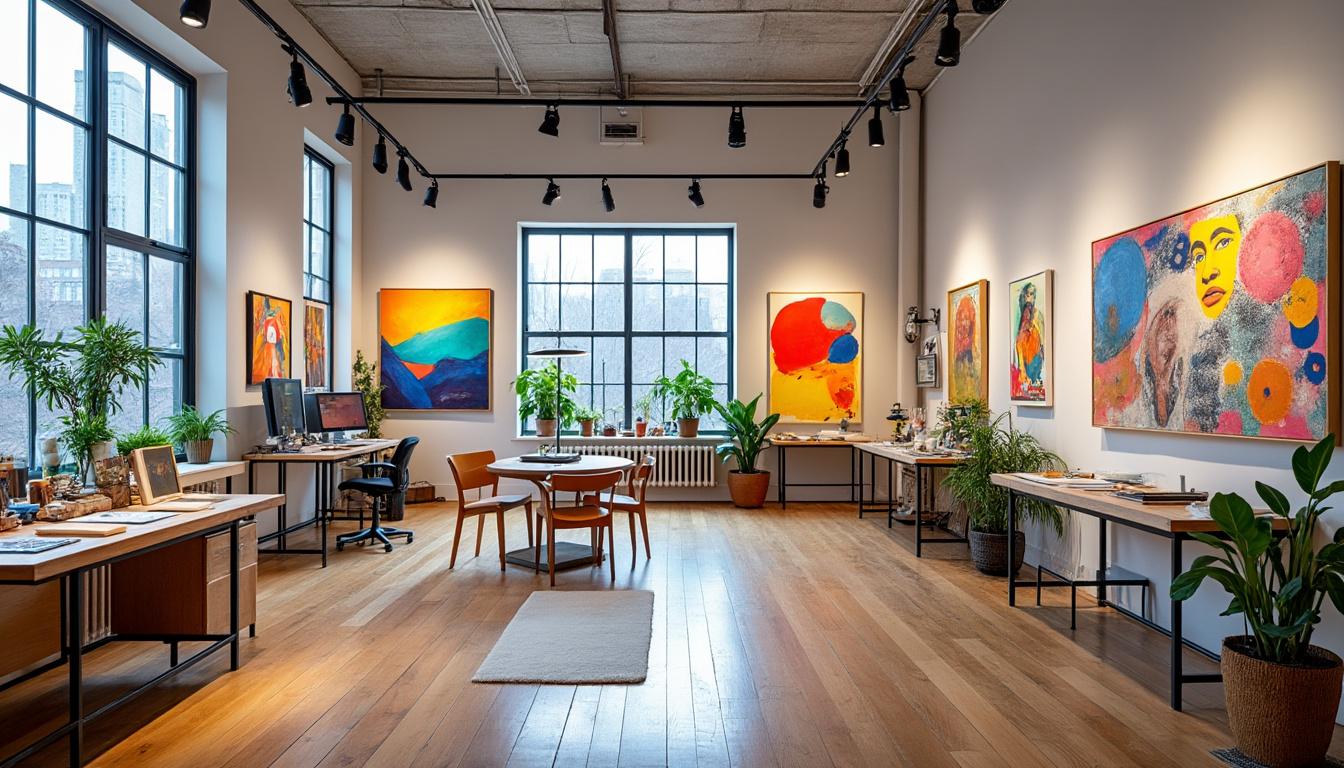
The Residency’s Role in Shaping Contemporary Art and Cultural Exchange
The Studio Museum in Harlem residency extends its impact beyond individual artists by enriching the broader art community within Harlem and beyond. Its commitment to contemporary art rooted in African and Afro-Latinx heritage fosters a distinctive cultural exchange that reverberates across artistic networks worldwide.
The program’s positioning in Harlem, a historic locus for Black culture and creativity, highlights the Museum’s role as a critical cultural institution driving dialogues on identity, heritage, and innovation. This residency not only supports artists’ personal growth but also nurtures community engagement and audience development for contemporary art forms.
Access to an in-house exhibition at the residency’s conclusion grants artists the crucial opportunity to present their work to diverse audiences, enhancing visibility and professional stature. This element strongly ties the residency to public art promotion and the democratization of contemporary African diasporic art.
Moreover, the conceptual and material diversity within the cohort encourages dynamic interactions and knowledge sharing. Artists working across media—from sculpture and painting to digital and performance arts—benefit from interdisciplinary dialogue facilitated by the Museum’s programming and partnerships.
For professionals in cultural tourism and heritage mediation, this residency exemplifies how institutions can integrate innovative support mechanisms for artists while contributing to vibrant tourism experiences rooted in cultural authenticity.
How to Prepare a Competitive Application for the Studio Museum Artist-in-Residence Program
Submitting a strong application for this sought-after residency requires thoughtful preparation. Candidates should demonstrate clear engagement with themes resonant with the Museum’s mission, including cultural identity, social justice, and artistic innovation.
Key components of a competitive application include:
- 📌 A portfolio showcasing a cohesive and innovative body of work across any artistic medium.
- 📌 A detailed project proposal articulating objectives and potential impact during the residency term.
- 📌 Evidence of professional experience and dedication to an artistic career.
- 📌 A clear explanation of how the residency will enhance the artist’s development and contribute to the Museum’s cultural ecosystem.
Applying artists should also ensure compliance with guidelines and deadlines available on the official Studio Museum residency application page. Utilizing platforms like SlideRoom facilitates streamlined submission of documents and portfolios.
Common mistakes to avoid:
- ❌ Incomplete or poorly formatted portfolios that do not adequately represent the applicant’s artistic range.
- ❌ Failing to clearly express how the residency aligns with personal and professional objectives.
- ❌ Overlooking the residency’s focus on artists of African descent, which is central to the Museum’s mission.
Preparing in advance, potentially consulting mentors or past residents, can significantly increase an applicant’s chances. The residency attracts a diverse and competitive pool, making clarity and professionalism in applications paramount.
Innovative Infrastructure and Recent Developments Elevating the Residency Experience
One significant development enhancing the residency is its relocation to the J. Bruce Llewellyn Artist in Residence Center, inaugurated in November 2025. This purpose-built facility offers state-of-the-art studio spaces designed specifically for the needs of contemporary artists.
The new center exemplifies how institutional investment in infrastructure explicitly supports artistic innovation, allowing residents to explore diverse media without spatial or technical constraints.
The building’s integration within the broader Museum setting facilitates seamless collaboration with curators, educators, and other cultural actors, fostering a fertile environment for experimentation and exhibition planning.
Additionally, the residency program’s funding by the Glenstone Foundation ensures robust financial backing, enabling museum staff to provide personalized mentoring and research assistance. This sustainable model safeguards the residency’s long-term viability and impact.
The inaugural 2026 cohort—comprising Derriann Pharr, Simonette Quamina, and Taylor Simmons—benefits from these upgraded resources and the symbolic resonance of working in a building honoring past residents. This continuity ties the residency’s tradition to contemporary practice and community relevance.
| 🏆 Aspect | ✨ Details |
|---|---|
| Residency Duration | 11 Months (Nov 2, 2026 – Oct 3, 2027) |
| Stipend Amount | $37,500 over residency period |
| Studio Facilities | New J. Bruce Llewellyn Center with tailored studios |
| Professional Development | Mentorship by museum staff and visiting arts professionals |
| Exhibition | In-house exhibition at the Studio Museum galleries |
This infrastructure boost not only elevates the resident artists’ experiences but also serves as an example for other cultural institutions seeking to modernize support for emerging talent.
Maximizing the Residency’s Impact for Artists and the Harlem Community
The residency functions as a catalyst for sustained artistic career development and community engagement. Beyond the stipulated studio access and financial support, it fosters networking opportunities that often translate into lasting collaborations and professional growth.
Engaging with Harlem’s rich art scene, residents become active participants in a cultural exchange that invigorates local audiences and creates new pathways for artistic discourse. This dynamic is crucial in an era where cultural tourism increasingly values authentic, immersive experiences.
For museums and cultural organizers aiming to enhance visitor engagement, the residency offers models for integrating artists’ creative processes into public programming. Leveraging technologies such as Grupem’s smart audio guides can enrich visitors’ understanding and appreciation of contemporary artworks born from such residencies.
- 🎨 Residents frequently offer workshops, talks, or open studio days that connect audiences directly with artistic processes.
- 🌍 Collaborative projects foster dialogues between artists and community stakeholders, advancing cultural exchange.
- 🔊 Implementing intelligent audio tour technologies aids museums in delivering accessible, engaging storytelling around resident artists’ works.
These strategies synergize to create an enhanced cultural ecosystem within Harlem, elevating the residency’s profile alongside the neighborhood’s historical significance.
Leveraging the innovative tools available today, cultural institutions can amplify the visibility and impact of programs like the Studio Museum’s Artist-in-Residence, aligning heritage, technology, and contemporary practice.
Who is eligible to apply for the Studio Museum in Harlem Artist-in-Residence Program?
The program is open to artists of African and Afro-Latinx descent from local, national, and international backgrounds, working in any artistic medium.
What are the key benefits of participating in the residency?
Participants receive studio space, a stipend of $37,500, mentorship, research support, and an opportunity to exhibit at the Museum.
How long does the residency last?
The residency spans 11 months, typically from early November to early October of the following year.
What new facilities are available to the 2026 residency cohort?
The cohort works in the recently opened J. Bruce Llewellyn Artist in Residence Center, designed to provide state-of-the-art studio spaces tailored to artists’ needs.
Where can applicants find the official application and guidelines?
Applications and detailed guidelines are available via the Studio Museum’s official residency application platform and the SlideRoom portal.
