
Short on time? Here is what you need to know:
✅ The Portland Museum of Art is transforming its recently cleared former children’s museum site into an innovative temporary outdoor exhibit space. 🌿
✅ This 4,200-square-foot open-air area will facilitate dynamic cultural events and public art installations. 🎨
✅ Effective exhibition planning ensures community engagement while preparing for the museum’s broader expansion. 🏗️
Developing Innovative Temporary Outdoor Exhibit Spaces to Enhance Cultural Engagement
The Portland Museum of Art’s latest proposal focuses on converting the cleared site of the former children’s museum on 142 Free Street into a temporary open-air exhibition space covering approximately 4,200 square feet. This initiative emerges after a complex legal process that finally allowed the demolition of the old building, signaling a transformative phase for the museum and its surrounding community.
Temporary exhibit spaces outdoors offer a unique solution for museums aiming to maintain a vibrant cultural presence during transitional phases such as expansions. Unlike conventional indoor galleries, outdoor spaces encourage interaction with art in an accessible environment, promoting broader community participation.
This specific location, adjacent to the Cross Insurance Arena and in the heart of Portland, Maine, presents a vibrant urban backdrop perfect for innovative art installations. The design strategy emphasizes flexible layouts enabling a variety of event formats, from solo exhibitions to community-driven cultural events, bridging traditional museum experience with emerging trends in open cultural spaces.
Incorporating such temporary outreach initiatives aligns with modern exhibition planning methodologies that prioritize adaptability and visitor engagement. For example, institutions like the Peoria Riverfront Exhibitions have successfully harnessed similar outdoor spaces to expand audience reach and diversify visitor experience.
In addition, these open-air environments offer an opportunity to weave technological elements such as smart audio guides, enhancing accessibility and interpretative depth. As an expert in smart tourism, it is apparent that deploying mobile-guided tours in such settings fosters deeper cultural interaction and eases visitor flow management without significant infrastructure investment.
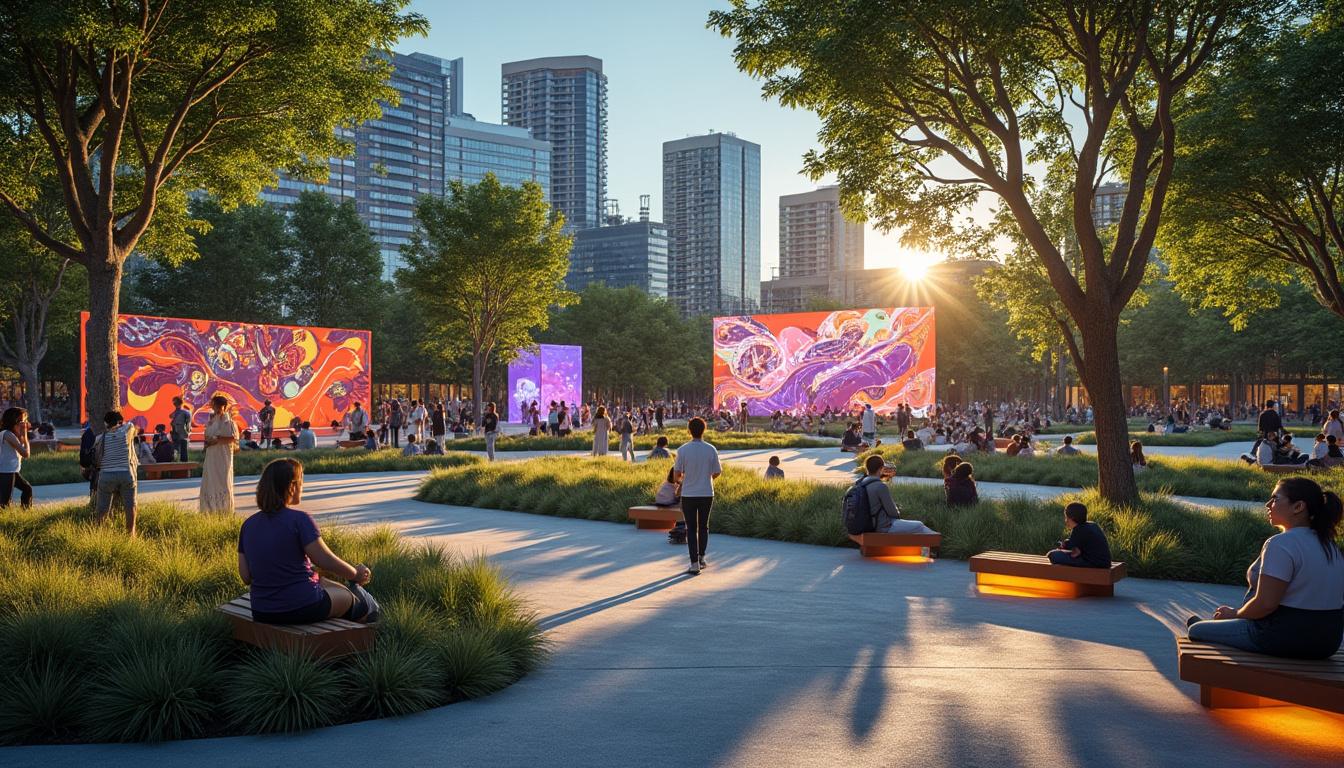
Leveraging Outdoor Space for Public Art and Community Engagement in Museum Expansion
The transformation of the former children’s museum footprint into a temporary exhibit space dovetails with the Portland Museum of Art’s strategic expansion plans. The recent acquisition of adjacent MaineHealth properties on Free Street effectively gives the museum control of most of the block south of the Cross Insurance Arena, cementing its position as a cultural anchor in Portland’s urban fabric.
The temporary outdoor space is set to act as a testing ground for interactive public art exhibits, designed to invite community participation. These public art initiatives contribute not only to visual culture but also to active engagement, fostering a sense of ownership and inclusivity.
Integrating such open-air exhibits enhances the museum’s ability to host cultural events that transcend traditional exhibit schedules. This aligns with best practices observed in other venues, such as the Opelousas Museum’s community-centric exhibits, where temporary installations emphasize local narratives and accessibility.
Programming may include rotating art installations and multimedia presentations, which require thoughtful exhibition planning. Effectively managing these elements ensures that visitors experience a seamless blend of outdoor ambiance and educational enrichment, which bolsters cultural appreciation and repeat visitation.
Moreover, outdoor exhibit spaces can better accommodate larger audiences and diverse events, including workshops, performances, and guided tours enhanced by smart audio technologies, ultimately elevating the museum’s outreach capabilities.
Technical Considerations and Innovative Design Elements for Temporary Outdoor Exhibits
Creating a temporary outdoor exhibit space of this scale demands rigorous design and technical planning to ensure visitor comfort, exhibit security, and operational flexibility. The Portland Museum of Art’s approach is expected to integrate innovative design principles that respond to environmental conditions and urban constraints.
Key factors include weather-resistant display materials, modular exhibit structures, and adaptable lighting solutions. Selecting durable yet aesthetically pleasing art installation supports is crucial for maintaining the integrity of artworks while offering flexibility for varying exhibition formats.
Incorporating smart audio and digital guide systems, as demonstrated in successful projects like the Milwaukee Museum inaugural exhibit, enables clear interpretative support without intrusive equipment. Such solutions enhance accessibility for diverse audiences, including those with hearing impairments or language barriers.
The temporary nature of the space also advocates for sustainable construction methods, minimizing environmental footprint while maximizing reusability. This is especially relevant given the museum’s broader expansion ambitions, necessitating that the temporary space seamlessly transitions to future development phases without unnecessary demolition waste.
Strategically integrating technology improves visitor orientation and facilitates dynamic updates to exhibition content, which is essential for maintaining engagement in a temporary setting. This approach also dovetails with trends in smart tourism, offering personalized interactive experiences directly via smartphones.
Benefits of Temporary Outdoor Exhibits for Museum Expansion and Visitor Experience
Temporary outdoor exhibit spaces offer multiple benefits both for the institutions managing expansions and for visitor experience enhancement. They serve as active cultural hubs, maintaining public interest and museum relevance during transitional periods where permanent galleries may be unavailable or under construction.
From a visitor’s perspective, open-air exhibits diversify the sensory experience, allowing for natural light, fresh air, and an informal setting that can encourage longer engagement times and increased social interaction. Museums can innovate with exhibition programming, ranging from immersive art installations to interactive workshops and live performances.
Incorporating smart audio technology within this context elevates the interpretative experience, providing real-time information, multilingual support, and audio descriptions that enrich understanding without physical guides. This technological integration is a strategic step in modern exhibition planning, ensuring accessibility and personalized learning.
The temporary exhibit space also presents opportunities for deeper community integration. Local artists, schools, and organizations can collaborate with the museum to program exhibits that reflect regional narratives and contemporary artistic trends. Such involvement enhances cultural ties and supports community engagement objectives fundamental to modern museum missions.
Moreover, this dynamic approach to museum programming aligns with the evolving expectations of cultural consumers seeking meaningful, interactive, and accessible art experiences. Institutions that embrace temporary outdoor exhibits demonstrate adaptability and forward-thinking in audience engagement and cultural stewardship.
Practical Guidelines for Organizing and Managing Temporary Outdoor Museum Exhibits
Efficient exhibition planning and management are essential to the success of temporary outdoor exhibits. The following list outlines practical strategies for museum professionals aiming to deploy such spaces effectively:
- 📅 Scheduling and Timing – Plan exhibit durations mindful of weather and seasonal visitor patterns to maximize attendance.
- 🔧 Modular Design – Use adaptable structures to accommodate varying exhibit requirements and ease setup/teardown processes.
- 📱 Technology Integration – Incorporate smart audio guides and mobile apps for accessibility and enhanced interpretation.
- 🛡️ Security Measures – Implement reliable solutions to protect artworks and ensure visitor safety.
- 🌳 Environmental Considerations – Design for sustainability and minimal impact on outdoor settings.
- 👥 Community Collaboration – Involve local artists and cultural groups to foster relevance and engagement.
- 📊 Visitor Feedback – Use surveys and digital analytics to assess and improve exhibit performance.
Such guidelines ensure that temporary outdoor exhibit spaces function as powerful extensions of museum programming, supporting institutional expansion goals while offering memorable visitor experiences aligned with modern expectations.
| 🎯 Objective | 🏗️ Implementation Strategy | 📈 Expected Outcome |
|---|---|---|
| Enhance Community Engagement | Curate inclusive, interactive public art exhibits | Increased local participation and visitor satisfaction |
| Maintain Cultural Presence | Deploy flexible temporary outdoor spaces during expansion | Continuous museum visibility and relevance |
| Improve Visitor Accessibility | Utilize smart audio guides and mobile technology | Broader audience reach and enriched educational experience |
| Ensure Environmental Sustainability | Employ modular, recyclable materials | Reduced environmental footprint |
Properly implemented, these strategies foster a dynamic, sustainable, and engaging cultural environment while serving as a template for other institutions embarking on similar expansion projects.
What is the main purpose of the Portland Museum of Art’s temporary outdoor exhibit?
The primary goal is to activate the cleared site of the former children’s museum as a flexible cultural venue, showcasing innovative art installations and hosting community-oriented events during the museum’s expansion.
How does the museum plan to incorporate technology into this outdoor space?
The museum aims to integrate smart audio guides and mobile applications to enhance visitor experience, offering accessibility and detailed interpretative content without heavy infrastructure requirements.
How long will the temporary outdoor exhibit space be in use?
The duration is not yet specified, as it depends on the timeline of the museum’s subsequent construction phases, but it will serve as a cultural hub until major expansion work begins.
What community benefits does the temporary exhibit space provide?
It offers an inclusive platform for local artists and cultural groups to engage the public, fostering community interaction and supporting regional cultural narratives.
What challenges should museums anticipate when planning outdoor temporary exhibits?
Key challenges include weatherproofing displays, ensuring security, managing logistics for installation and removal, and maintaining visitor comfort and accessibility throughout the exhibit duration.
