
Peu de temps ? Voici l’essentiel à retenir :
- ✅ Palm Beach County residents express strong concerns regarding energy, water consumption, and environmental impact of the proposed AI data center.
- ✅ Community highlights the need for transparent zoning regulations and rigorous data security measures.
- ✅ Awareness of health risks and preservation of quality of life near Saddleview Elementary and Arden neighborhoods is critical.
Understanding the Community’s Environmental Concerns Around AI Data Center Plans in Palm Beach County
The announcement of the proposed hyperscale AI data center, known as Project Tango, in Palm Beach County has prompted significant public scrutiny due to anticipated environmental consequences. Residents voice critical concerns about the project’s resource demands, particularly relating to water and energy consumption. The facility’s operation requires millions of gallons of water simply to maintain optimal operating temperatures, a fact that has not always been transparently disclosed in early project communications.
Investigations reveal that groundwater systems in western Palm Beach County, including areas surrounding the Arden community, are already experiencing stress. This amplifies the residents’ alarm about the data center’s potential to exacerbate water scarcity. The project’s proposed closed-loop cooling system—while presented as an environmentally friendly solution—has been criticized for failing to fully mitigate water use and environmental disruption in practice.
Residents such as Eric Powell emphasize that data centers of this scale are not comparable to traditional facilities; hyperscale AI data centers consume exponentially more resources. This distinction intensifies calls for stricter environmental assessments and mitigation strategies tailored to hyperscale operations. Given the 2026 context, where climate change concerns and sustainable development increasingly guide policy decisions, these considerations resonate widely in the community’s advocacy efforts.
Furthermore, energy consumption remains a pivotal issue. Hyperscale AI centers demand substantial electrical power to operate servers around the clock, raising questions about the origin of this energy and its carbon footprint. Without clear commitments to renewable energy sourcing or offsetting mechanisms, residents worry about the cumulative impact on regional energy infrastructure and sustainability goals.
In integrating smart technology into tourism or urban planning, understanding the implications of such massive infrastructure projects is crucial. The Palm Beach County case provides a clear example of how advanced technologies risk clashing with environmental stewardship, emphasizing the need for transparent data and community engagement in decision-making processes.
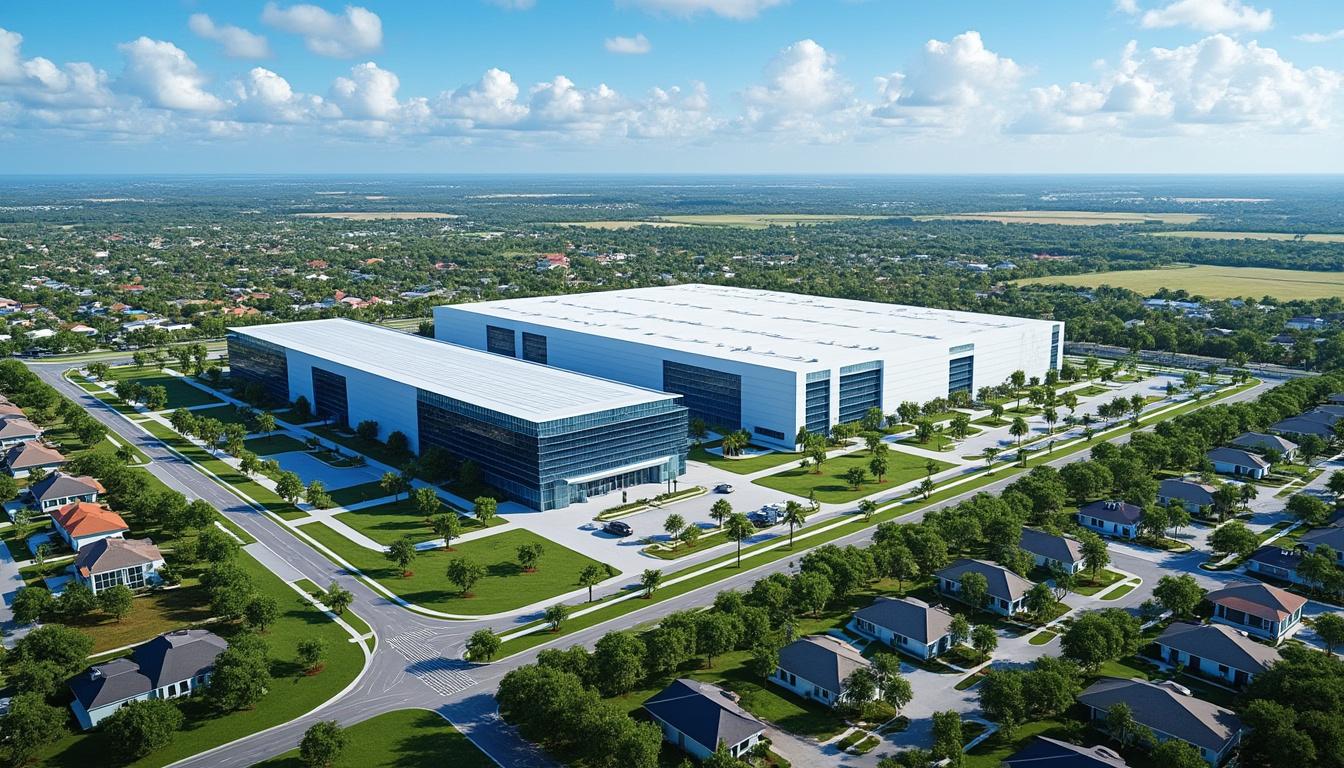
Community Safety and Health: Addressing the Concerns Near Arden and Saddleview Elementary
The proximity of the proposed AI data center to residential areas, particularly near Saddleview Elementary School and the Arden community, raises pressing health and safety concerns. Residents worry about the long-term effects of noise pollution, light exposure, and even air quality degradation linked to data centers of this scale.
Emerging studies suggest that living near hyperscale centers may be associated with adverse health symptoms such as sleep disturbances, dizziness, and increased occurrences of respiratory or cardiac events. While conclusive research is ongoing, these reports intensify community apprehension, fueling demands for comprehensive health impact assessments prior to project approval.
Parents and educators express particular anxiety over how noise and electromagnetic emissions could interfere with children’s concentration and well-being. Such impacts not only affect learning environments but also the broader community quality of life. Residents argue that current zoning categorization under light industrial use inadequately reflects the true scale and potential hazards of the hyperscale data center. Proposals advocate for reclassifying the site under heavy industrial zoning to enforce stricter regulatory control and safety measures.
The county’s response appears limited; commissioners postponed the latest hearing without engaging directly with these health-related concerns. This silence has only intensified local demands for greater transparency and accountability. Proponents of the data center emphasize technological advancements in noise cancellation and emission reduction, yet skepticism persists.
Effective communication between developers, authorities, and residents is essential to ensure health protections are prioritized. Exploring examples from other jurisdictions, such as regulatory frameworks in South Korea where hyperscale data center incidents involving toxic gas release have previously occurred, offers cautions against overlooking potential risks.
The Critical Role of Energy and Water Infrastructure in Supporting AI Data Centers
AI data centers, particularly those of hyperscale size like Project Tango, place unprecedented demands on local infrastructure systems. Energy and water utilities must be scaled or upgraded to support these facilities’ continuous high consumption, prompting systemic concerns about sustainability and resilience in Palm Beach County.
The project is expected to utilize sophisticated cooling techniques that, despite their closed-loop design, contribute to significant water withdrawal from local aquifers. Given the region’s existing water stress, residents’ concerns about depletion and contamination are well-founded. The delicate balance between advancing cutting-edge technology infrastructure and safeguarding natural resources is a vital policy challenge today.
| 🛠️ Infrastructure Component | ⚡ Anticipated Demand | 🌿 Environmental Concern |
|---|---|---|
| Electric Grid Capacity | Continuous 24/7 high energy load for AI server operations | Increased carbon footprint if sourced from fossil fuels |
| Water Supply | Millions of gallons daily for cooling systems | Risk to groundwater levels and aquifer health |
| Waste Heat Management | Vast heat emissions requiring mitigation | Potential local microclimate effects |
Ensuring data security and privacy adds another layer of complexity. Infrastructure must include robust cybersecurity frameworks to protect the sensitive information managed by the AI systems hosted within such centers. The intertwining of physical infrastructure and technology security is critical for maintaining community trust and operational integrity.
Engaging with resources such as project details and updates on local debates can support stakeholders in understanding the depth of these challenges and the need for collaborative solutions.
Zoning and Regulatory Challenges Surrounding AI Hyperscale Data Centers
Zoning laws in Palm Beach County currently classify Project Tango’s site under light industrial use; however, many residents argue this classification fails to capture the project’s scale and environmental footprint. The lack of an appropriate regulatory framework tailored for hyperscale AI data centers creates uncertainty and fuels opposition.
Local advocacy groups stress that such projects should fall under heavy industrial zoning to impose stricter controls on emissions, noise, water use, and land impact. This change would require adjusting county codes to incorporate new standards reflecting the rapid technological evolution witnessed in AI infrastructure.
Moreover, the pushback from communities also stems from concerns about transparency in public consultations and the limited responsiveness from county officials during hearings. Delays and postponements, such as the recent rescheduling to July 15, 2026, have heightened tensions and exemplify the necessity for clearer communication channels.
Similar zoning debates have unfolded in other regions confronted with AI-related developments, offering lessons to Palm Beach County. The balancing act between fostering technological advancement and protecting community interests must be reflected in adaptive policies that involve stakeholders from the outset.
For tourism and cultural institutions, understanding and navigating such zoning issues can inform strategic planning, especially when integrating digital innovation without compromising environmental integrity or community welfare. Additional context and community engagements can be found at local resident reactions and official meeting summaries.
Community Engagement and Safeguarding Data Security Amid Advancing AI Technologies
Active community participation is indispensable in shaping the trajectory of large-scale AI infrastructure in Palm Beach County. Residents emphasize their need for more transparent information on how data security, privacy, and technology management will be embedded in the data center’s operations.
Concerns about privacy stem from the volume and sensitivity of data processed through hyperscale AI systems. Communities expect rigorous oversight to ensure that data centers adhere to best practices in cybersecurity, thereby protecting residents and businesses from breaches or misuse.
Integrating AI solutions into smart tourism and cultural venues, stakeholders can draw important parallels from this discourse to implement transparent, secure digital infrastructures that enhance visitor experiences without risking data integrity.
Here are effective approaches residents and policymakers recommend for improving community engagement and data center governance:
- 🔍 Establish frequent, open forums and public hearings with accessible technical documentation.
- 🛡 Implement stringent data security protocols aligned with national and international standards.
- 📊 Provide regular environmental and health impact updates with third-party validation.
- 🤝 Foster partnerships between developers, government bodies, and community leaders to co-create guidelines.
- 🔒 Ensure local oversight committees have authority to enforce compliance.
Empowering the community with knowledge and participation builds trust and aligns technological progress with social responsibility. For enhanced insight into AI applications in sectoral transformation, resources such as market research on AI voice agents and advanced AI voice solutions offer valuable examples of how responsible innovation can coexist with community welfare.
What makes hyperscale AI data centers different from traditional ones?
Hyperscale AI data centers handle significantly higher volumes of data and require exponentially more energy and water resources for cooling and operation compared to traditional centers.
Why is water consumption such a major concern for data centers in Palm Beach County?
The region’s groundwater levels are already under strain, and hyperscale data centers can consume millions of gallons daily, potentially worsening water scarcity problems.
Are there health risks associated with living near AI data centers?
Some studies report symptoms like sleep disturbances, dizziness, and respiratory issues possibly related to noise and emissions from large data centers, but more research is needed for conclusive evidence.
How is the community involved in decisions regarding Project Tango?
Residents have voiced concerns in county commission meetings, demanding more transparency, stricter zoning, and thorough impact assessments to ensure their wellbeing is protected.
Where can I find more detailed information about Project Tango and local discussions?
Extensive reporting is available through local news outlets including WLRN coverage and community news.
