
Peu de temps ? Voici l’essentiel à retenir :
✅ Hasbro’s contract clauses for Peppa Pig child actors allow AI reproduction of voices, sparking controversy.
✅ Legal and ethical concerns over children’s consent to AI voice cloning are rising in the entertainment industry.
✅ Integrating transparent AI policies and protecting intellectual property rights remain critical to maintain trust.
🎯
Legal and Ethical Implications of AI Voice Cloning in Children’s Media Contracts
The inclusion of artificial intelligence clauses in entertainment contracts, particularly for children, represents uncharted legal territory with significant ethical implications. The recent controversy surrounding Peppa Pig—a globally beloved animated series owned by Hasbro—has brought this issue to the forefront of media discourse in 2026. According to industry reports, child actors who provide voices for the show are now being asked to sign contracts that grant Hasbro perpetual use of their voices through AI, enabling voice cloning, training, and reuse in all commercial assets associated with the franchise.
This unprecedented demand raises critical questions about informed consent. Legally, children under a certain age cannot fully comprehend and authorize the long-term scope of such contract terms. The Agents of Young Performers Association (AYPA), representing child performers in the UK, issued an open letter opposing these clauses, emphasizing that parental approval cannot justify indefinite usage of a child’s voice for AI replication. This stance highlights a profound gap between advancing technology and existing child protection laws.
Child voice actors, unlike adults, often lack union protections before reaching a specific age threshold—for example, they cannot join Equity in the UK until age ten. Such contracts effectively bind young talents without adequate guidance or safeguards, potentially compromising their intellectual property rights for years to come. This ongoing debate extends beyond Peppa Pig and reflects broader challenges faced by the entertainment industry as AI tools permeate creative production processes.
While Hasbro acknowledges the controversy, it states commitment to responsible AI integration and child performer protection, mirroring an industry-wide recognition of evolving standards around AI use in media. Yet, given the complexities of AI-generated voice rights, a clear legal framework remains lacking, exposing child actors to unforeseen risks.
Ultimately, safeguarding ethical standards in AI contract negotiations is essential. Without concrete legal reform and transparent industry practices, both young talent and the broader entertainment ecosystem face precarious uncertainties as technological innovation accelerates.
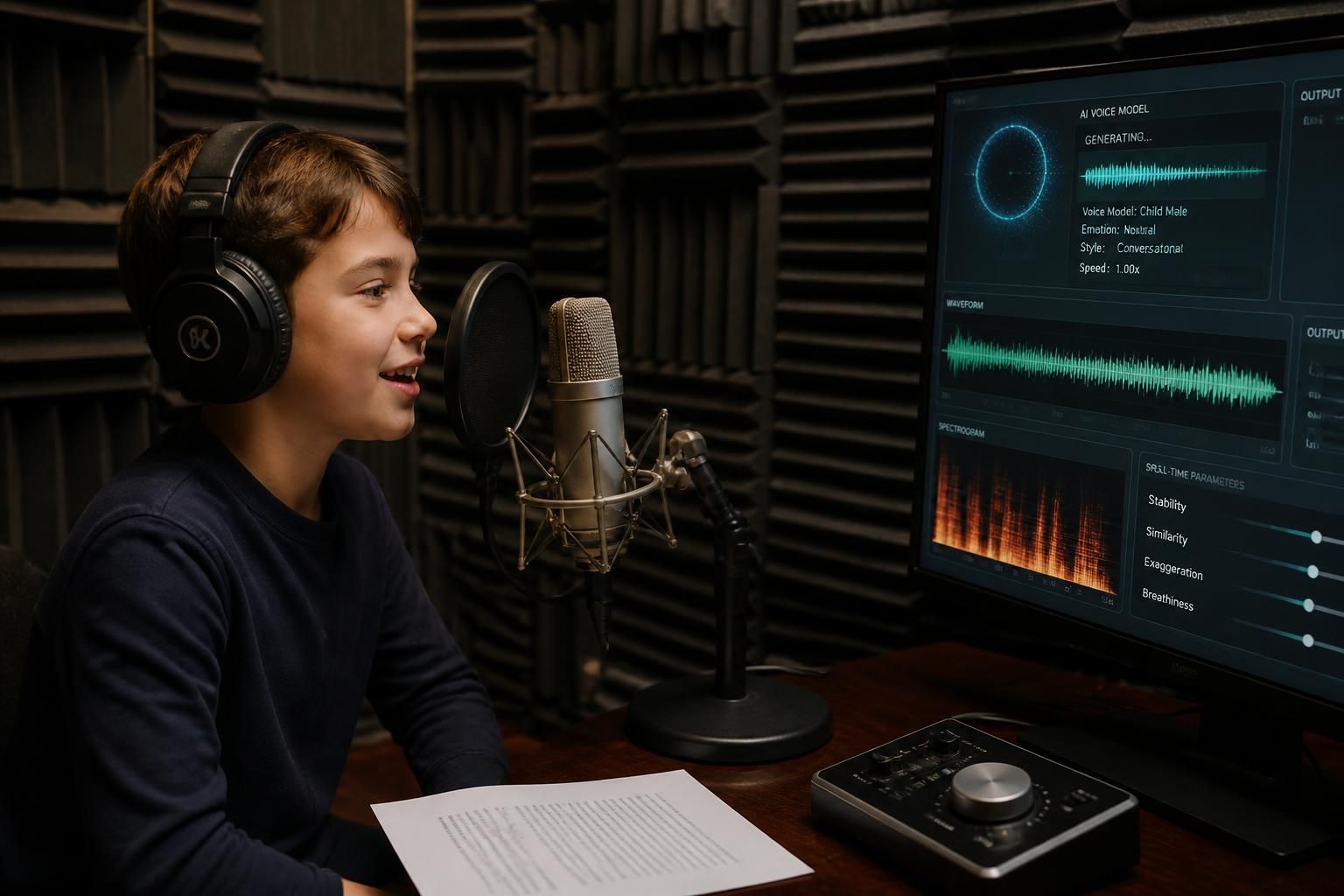
Technological Advancements Driving AI Integration in Entertainment Voice Work
Recent years have witnessed profound technological strides in AI voice synthesis, transforming how media content is produced. Generative AI now enables studios to clone voices with unprecedented accuracy, reducing reliance on traditional voice recording sessions. The Peppa Pig contract controversy exemplifies how this technology, while enhancing production efficiency, simultaneously triggers complex intellectual property and ethical debates.
High-fidelity AI voice models can replicate subtle nuances of a performer’s voice, capturing tone, inflection, and emotional intonation. This capability allows studios to generate voice assets on-demand, saving time and costs during production. For long-running series like Peppa Pig, where child voice actors gradually age out of roles, AI voice cloning presents a tempting alternative to maintain character consistency without repeated casting sessions.
However, the technical ease of voice reproduction also amplifies risks related to misuse and loss of control by actors over their own vocal identities. The permanence embedded in AI training—when embedded in contracts—can mean voices are utilized commercially well beyond the actor’s active participation. This has significant ramifications not only for remuneration but also for personal identity integrity and reputation management.
In the tourism and cultural mediation sectors, AI voice technology has been innovatively deployed to create accessible audio guides and multi-lingual narrations, as showcased by modern smart tourism tools. These implementations highlight positive uses of AI voice without infringing on performer rights, provided consent and licensing are properly managed.
Given these divergent outcomes, a balanced approach is necessary. Technology must be harnessed in ways that complement human talent rather than exploit it, fostering transparency and respect for performers’ intellectual property. Solutions such as smart AI voice licenses offer promising models for responsibly integrating AI in entertainment while safeguarding creative contributions.
Industry Backlash and the Role of Advocacy Groups in Protecting Child Performers
The backlash against Hasbro’s AI contract clauses for Peppa Pig child actors illuminates a broader industry pushback on how AI is reshaping employment and rights within entertainment. Advocacy organizations like the AYPA have mobilized to protect vulnerable child performers from unchecked AI exploitation, drawing attention to gaps in existing legal frameworks.
Nearly 1,000 entertainment professionals signed an open letter condemning the use of AI voice clauses without explicit safeguards, underscoring widespread concern among performers, agents, unions, and rights organizations. These groups emphasize that while AI can augment creative workflows, contractual terms should unequivocally exempt children from perpetual voice cloning permissions.
This activism reflects growing awareness that AI challenges existing norms for artist consent and intellectual property management. Pushback is also fueled by fears that AI-driven efficiencies can undercut employment opportunities for human talent, disrupting delicate industry ecosystems. As child actors and their guardians often possess limited negotiating power, ensuring robust protections in contracts is crucial.
Several studios and entertainment bodies are now exploring more transparent AI frameworks, aligning with evolving international labor standards. In parallel, the debate prompted calls for governments and unions to establish clear regulations around AI consent, especially for minors in creative industries. This regulatory momentum is critical to balance innovation benefits with fundamental rights safeguards.
Engaging proactively with advocacy groups and carving out enforceable AI contract standards can help studios avoid reputational damage while reinforcing fair labor practices. Transparent communication about AI usage fosters stakeholder trust, ensuring AI amplifies rather than diminishes human creative agency.
Operational Impacts of AI Voice Technology on Media Production and Rights Management
From an operational standpoint, integrating AI voice technology into media production workflows introduces both efficiencies and complexities. AI can streamline dubbing, editing, localization, and post-production, but also complicates contractual and rights management tasks—particularly when child performers are involved.
Studios utilizing AI-generated voices must implement safeguards to ensure compliance with evolving legal standards governing voice rights and copyright. The Peppa Pig controversy has heightened awareness that perpetual AI use clauses may not be enforceable without explicit and ongoing consent, especially for voices belonging to minors.
Effectively managing this requires collaboration between legal teams, talent agents, and AI technology providers to draft adaptive contracts with clear limits on AI voice usage. Table below summarizes key considerations for studios deploying AI voice cloning in entertainment productions:
| ⚙️ Operational Aspect | 🎯 Challenge | 💡 Best Practice |
|---|---|---|
| Voice Consent & Licensing | Securing informed, dynamic consent from actors, particularly children | Implement age-specific clauses and parental oversight with renewal options |
| Intellectual Property Management | Clarifying ownership and rights over AI-generated voice assets | Define explicit boundaries for AI voice creation and commercial use |
| Production Workflow Integration | Ensuring AI tools complement, not replace, human talent | Foster transparent collaboration between AI developers and creatives |
| Reputation & Trust | Maintaining public trust amid AI ethical concerns | Communicate AI usage policies openly to stakeholders and audiences |
This framework highlights the necessity of embedding ethical and legal AI considerations into the fabric of media production. Without such rigor, studios risk alienating both performers and audiences, undermining the cultural value of their productions.
Strategies for Balancing AI Innovation with Performer Rights in Entertainment
Resolving the tensions exposed by the Peppa Pig contract controversy demands forward-thinking strategies that embrace AI innovation responsibly while safeguarding performer rights. Entertainment companies, legal stakeholders, and technology developers can adopt several key approaches to achieve this balance.
- 🔍 Transparent Contractual Language: Draft clear, precise clauses detailing the scope and limits of AI voice usage, particularly for minors.
- 🤝 Stakeholder Engagement: Collaborate closely with performers, parents, unions, and advocacy groups to negotiate fair terms.
- 🔐 Dynamic Consent Mechanisms: Allow actors or guardians to revisit and update permissions as AI capabilities evolve.
- 🎛️ Technology Audits and Oversight: Regularly review AI tools to ensure ethical standards and contractual compliance.
- 📚 Educational Initiatives: Inform industry professionals about AI’s impact on rights management and operational best practices.
For instance, companies like Grupem have developed solutions that enhance voice AI while respecting user control and permission frameworks, supporting sectors such as professional guided tours and cultural mediation (learn more about ethical AI voice adoption). Such innovations provide real-world models for entertainment studios to integrate AI without compromising ethical standards.
The entertainment landscape in 2026 continues to evolve rapidly under technological pressure. Balancing AI benefits with the protection of intellectual property and performer rights will remain a pivotal challenge. Proactive governance and transparent dialogue stand as essential pillars for sustaining creativity, fairness, and trust in media production’s future.
What is the core concern regarding AI voice clauses in child actor contracts?
The main issue is that children cannot provide informed legal consent for the indefinite use of their voices cloned through AI, raising ethical and legal questions about consent and rights.
How does AI voice cloning benefit media production?
AI voice cloning can streamline production by creating consistent voice assets on demand, reduce costs, and maintain character continuity, especially when original actors age or are unavailable.
What role do advocacy groups play in addressing AI use in entertainment?
Groups like the Agents of Young Performers Association advocate for fair contract terms, protect performers’ rights, and push for regulatory frameworks to govern AI use ethically.
How can studios ensure ethical AI integration in contracts?
Studios should use transparent, dynamic contracts with clear consent terms, regularly update policies, and involve stakeholders in decision-making to maintain trust and fairness.
Where can entertainment professionals learn more about AI voice technology best practices?
Resources such as Grupem’s expert guides on AI voice rights and real-time voice AI challenges offer practical advice tailored for media industries.
