
Peppa Pig Child Voice Actors Now Required to Grant AI Voice Rights
Hasbro, the American entertainment giant that acquired the Peppa Pig brand in 2019, has sparked widespread controversy in 2026 by requiring child voice actors on the hit British animated series to sign contracts granting perpetual rights to use their voices in artificial intelligence (AI) applications. This demand has intensified concerns regarding the evolving landscape of voice licensing, child actors’ rights, and ethical implications within the entertainment industry.
Understanding the Implications of AI Voice Rights on Child Voice Actors
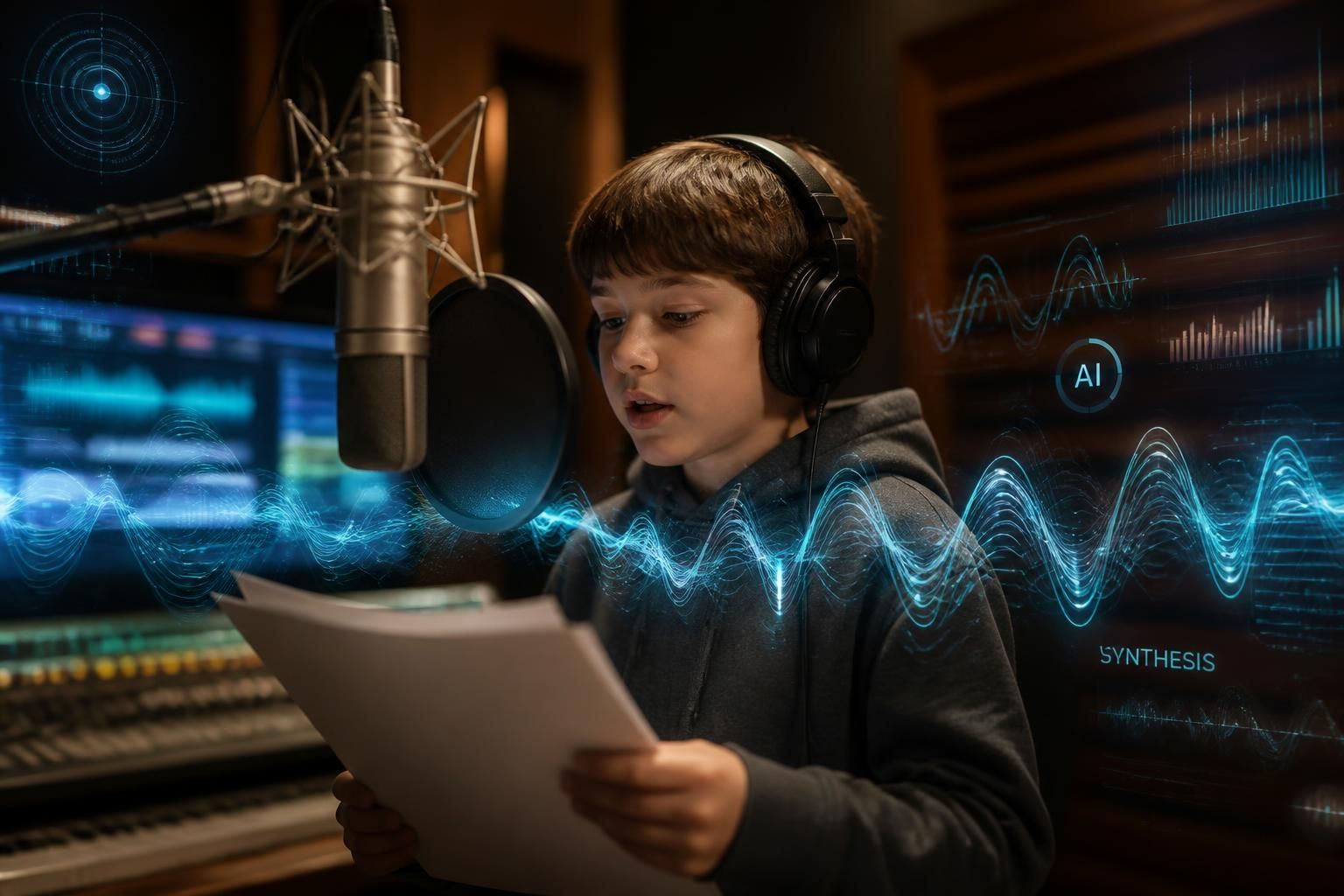
The recent contractual clause imposed by Hasbro obliges child performers from Peppa Pig to concede their voices for future use by AI, including voice cloning and commercial reuse. The rationale behind this stems from the natural change in children’s voices as they grow older. Studios want to maintain consistency in voice acting without constantly re-recording lines or recasting roles. AI voice technology offers a way to preserve the original voice indefinitely, but at significant ethical and legal cost.
This situation creates a complex dynamic: while AI can enhance production efficiency and preserve character continuity, child actors are compelled to relinquish control over their most personal asset—their voice—prior to attaining legal and emotional maturity. Issues arise because children, and even their parents or guardians who sign the contracts, may not fully comprehend the long-term consequences of surrendering voice data to AI. Once these voices are digitized, replicated, and monetized endlessly, the performers lose any agency or potential royalties associated with their unique vocal identity.
The Agents of Young Performers Association (AYPA) has publicly opposed such AI clauses, emphasizing that “any agreement involving a child’s voice should be fully exempt from all AI usage,” to protect children from having their future professional identities manipulated without informed consent. The organization rallied nearly 1,000 entertainment professionals in an open letter condemning these practices, a movement that resonates deeply within the wider industry.
Beyond individual rights, the broader question over voice licensing and AI technology impacts extends to how entertainment companies balance innovation with ethical labor treatment. Voice cloning, while an impressive technological feat, risks commodifying the voices of vulnerable performers, especially minors who often depend on these roles for career development. As voice acting increasingly intersects with AI, legal frameworks and ethical guidelines remain in flux.
For example, voice licensing agreements traditionally involve explicit limitations on usage, costs, and royalties. However, AI rights introduce a paradigm shift where voices become digital assets that can be indefinitely reproduced with minimal oversight. Such contracts could place child actors at a lifelong disadvantage, locking in rights before they can evaluate or contest them.
In this context, voices become part of an intellectual property portfolio utilized by studios for years, even long after actors outgrow their characters’ ages or retire from voice acting. This long-term exploitation potential raises concerns about the fairness and transparency of these licensing deals.
Industry Reactions and the Broader Impact on Voice Acting and Animation
The backlash against Hasbro’s AI voice rights clause for Peppa Pig’s child voice actors is not isolated. Similar demands have emerged in various sectors of the entertainment industry, reflecting growing tensions over AI’s influence on the creative and labor aspects of voice acting. For child actors, these developments are especially sensitive given their ongoing development and limited bargaining power.
The controversy recalls prior challenges faced by child actors in the entertainment world, including mistreatment and exploitation revelations from Disney and Nickelodeon alumni. Recent exposés such as the docu-series Quiet On Set: The Dark Side of Kids TV have brought attention to the vulnerabilities of young performers. While the AI voice rights issue is less about safety, it is directly related to safeguarding the well-being and future careers of child actors.
Industry-wide, studios aim to harness AI to reduce production costs, improve efficiency, and maintain vocal consistency, particularly for enduring franchises. However, actors and unions increasingly resist policies that privatize performers’ voices as indefinitely usable assets. Negotiations focus on developing fair voice licensing frameworks that respect performers’ future autonomy and provide adequate compensation for AI-generated reproductions.
Hasbro has publicly acknowledged the controversy and stated a commitment to “engaging with this issue in a responsible and transparent manner” as industry standards evolve. Nevertheless, no confirmed contract updates or opt-out provisions have been announced for the affected child actors.
The industry reaction underscores the urgency for clearer regulations and collective bargaining to address AI’s rapid advancement in voice cloning within animation and voice work. For the entertainment industry’s sustainability, balancing technological innovation and performers’ rights is a pressing challenge.
Below is a table summarizing key elements involved in voice acting and AI voice rights agreements:
| 🎭 Aspect | 🔍 Description | ⚠️ Potential Issues |
|---|---|---|
| Child Voice Actors | Young performers providing unique character voices in animation | Vulnerability to long-term, unenlightened contractual commitments |
| AI Voice Rights | Contracts granting perpetual use of voice data for AI replication and reuse | Lack of informed consent and future control loss |
| Voice Cloning Technology | AI systems recreating exact or near-exact voice replicas digitally | Commercial exploitation without additional performer compensation |
| Voice Licensing | Legal agreements defining the usage and ownership of vocal performances | Inadequate adaptation for AI capabilities and long-term implications |
The Legal and Ethical Challenges of AI Voice Rights in Child Acting
The contractual demands for AI voice rights in child voice acting bring to light several legal and ethical challenges that merit close scrutiny. These include questions of consent, labor protections, intellectual property, and the moral responsibility companies have toward young talents.
From a legal standpoint, children cannot legally consent in the same manner as adults. Contracts are often signed by parents or guardians who may not grasp the full consequences in an evolving technological environment. This leads to potential exploitation, as children have no direct agency in deciding how their voices will be manipulated or monetized long-term.
Ethically, there is broad concern that requiring child actors to sign AI voice rights prematurely could negatively impact their identity and future career prospects. Once AI models have been trained using a child’s voice, companies could create limitless content without involving the actor again. This might undermine opportunities for new roles, auditions, or renegotiated pay, thereby affecting performers’ livelihoods permanently.
Moreover, the permanence of AI voice use raises data privacy questions. Voice data is biometric by nature and can reveal sensitive personal information. Protecting child actors’ privacy requires stringent safeguards and clear policies prohibiting unauthorized voice replication.
Recognizing these challenges, advocacy groups urge for:
- 🛑 Complete exemption of any AI voice use in agreements involving child performers
- 🛑 Transparent contractual terms with opt-out options for voice use in AI
- 🛑 Ongoing consent renewal processes as children grow and mature
- 🛑 Fair compensation and revenue-sharing mechanisms for AI-generated works
Without addressing these concerns, the entertainment industry risks harming child actors’ futures and triggering broader public backlash. Legal experts predict rising litigation and calls for updated labor laws to govern AI voice licensing more strictly, especially for minors.
Best Practices and Alternatives for Protecting Child Voice Actors in the AI Era
With AI technologies transforming voice acting, studios and talent agencies must adopt best practices ensuring ethical treatment and protection of child voice actors. Transparent negotiations and innovative contract models can enable both technological advancement and performer rights preservation.
Here are essential strategies to consider:
- 📜 Clear and explicit delineation of AI voice usage rights with parental and actor consent
- 🔄 Limited-term licensing for AI voice use, requiring renewal and revision as actors age
- 👥 Involvement of voice actors and advocacy groups in contract formation and AI policy decisions
- 💰 Fair royalties and profit-sharing on AI-generated content derived from performers’ voices
- 🔐 Secure handling and deletion policies for voice data once contracts expire or actors opt out
- 🛡️ Legal safeguards preventing voice data misuse and unauthorized cloning
As an alternative to perpetual AI voice rights, studios can explore:
- 🎙️ Hiring older voice actors to approximate previous children’s voices instead of cloning
- 🎭 Periodic re-recordings to maintain audio freshness with live actors
- 🖥️ Invest in AI tools for assistive purposes without full voice ownership transfer
Such measures balance the benefits of AI efficiency with respect for creative contributors’ evolving rights and identities.
Professionals in the audio and animation sectors can also leverage emerging tech responsibly through tools like Grupem, an innovative smart tourism and audio tech application enhancing accessibility and engagement without compromising human agency over recorded voices. For those interested, Grupem’s resources illustrate how technology and ethics can coexist in voice applications: Nancy Cartwright AI voice discussion.
How This Development Shapes the Future of Voice Licensing in Animation and Entertainment
The Peppa Pig child voice actors’ AI rights controversy signals a pivotal shift in how voice licensing contracts are drafted and negotiated within the entertainment industry. The integration of artificial intelligence demands renewed frameworks that reconcile technological advances with sustainable ethical standards.
This shift will likely lead to:
- 🧩 Increased segmentation of voice licensing, distinguishing between traditional use and AI-generated reproductions
- 🔍 Heightened scrutiny on consent processes, especially for vulnerable groups like child actors
- ⚖️ Emergence of standardized AI voice rights clauses developed collaboratively by studios, unions, and legal experts
- 🎤 Greater transparency about revenue distribution connected to AI voice cloning
- 🌍 More global conversations on cultural and legal implications of synthetic voice technologies
Voice acting agencies and animation studios must proactively adapt to these shifts by updating contracts and communicating openly with performers. This will not only protect individual voices but preserve trust across the entertainment ecosystem.
For further context about AI’s evolving role in voice and audio technology, and its intersection with voice actor rights, the detailed analysis available on Hollywood Reporter provides extensive insights into current industry practices.
Why are child voice actors required to sign away AI voice rights?
Studios, including Hasbro with Peppa Pig, require this to maintain consistent character voices over time as children’s voices naturally change, using AI voice cloning to replicate voices indefinitely.
What are the main concerns regarding AI voice rights for child actors?
Concerns include lack of informed consent, loss of control over voice use, potential exploitation, and long-term impacts on child actors’ future careers and privacy.
Are there any legal protections for child voice actors against AI voice exploitation?
Currently, protections are limited and evolving. Advocacy groups push for explicit exemptions for child actors and updated laws to govern AI voice licensing ethically.
How can studios balance AI voice use with ethical treatment of child actors?
By adopting transparent contracts, limited-term AI licenses, royalty sharing, parental involvement, and exploring alternatives like re-recordings or older actor substitutions.
What impact will this issue have on the future of the entertainment industry?
It will likely transform voice licensing standards, increase scrutiny on consent, and require new legal frameworks to protect performers, especially children, amid expanding AI adoption.
