
Peu de temps ? Voici l’essentiel à retenir :
- ✅ King Charles demonstrates unwavering composure while riding in the turret of a British Army tank, defying expectations associated with his age.
- ✅ The engagement highlights the unique intersection of military tradition and royalty leadership, emphasizing the King’s profound connection to the armed forces.
- ✅ The visit underscores the importance of public royal military commitments in the modern era, providing insight into sustaining leadership presence amid evolving protocols.
King Charles’ Composure Demonstrated While Riding in a British Army Tank Turret
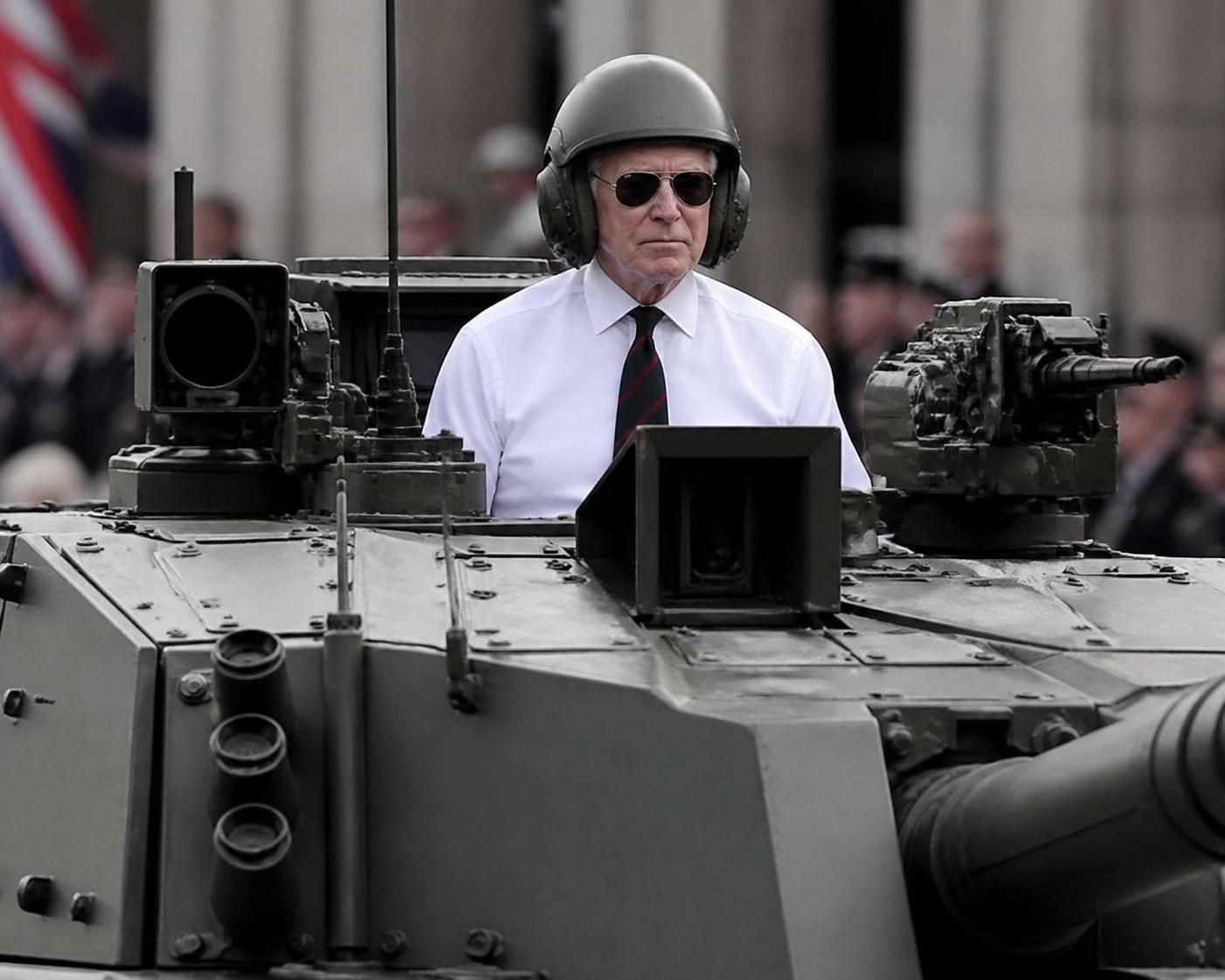
At 77 years old, King Charles exhibited remarkable composure as he climbed into the turret of a Challenger 2 British Army tank during his visit to the Tank Museum in Bovington, England. This exhibit marked his first official engagement since assuming the role of Colonel-in-Chief of the Royal Tank Regiment in 2023. His poised demeanor stood out against typical expectations for someone of his age, offering a compelling example of active and engaged royal leadership.
The King’s attire, notably a crisp white shirt paired with a striped tie, army helmet, and sunglasses, contrasted strikingly with the rugged militarized environment. It visually symbolized a bridging of worlds: the dignified formality of the monarchy and the gritty realities of military service. During the ride, he calmly waved to onlookers while maintaining firm control, blending accessibility and discipline seamlessly.
This event also offered a glimpse into the evolving role of monarchy in supporting the British Army. The King’s direct involvement, including presenting medals and interacting with regiment soldiers and their families, serves to reinforce historical ties while modernizing public perception of military leadership. By physically engaging with the tank, King Charles illustrated that leadership extends beyond ceremonial duties into embracing firsthand military experiences.
His composure during such an active display provides an essential template for how senior leaders, especially in the realm of royalty, can sustain visibility and relevance even with advancing age. Such demonstrations of engagement ensure a connection with both the armed forces and the public remains strong and contemporary.
Visual documentation of the visit has been widely shared on social media, resonating strongly with viewers and commentators who praised the King’s confident poise. The Tank Museum’s social channels celebrated this moment with lighthearted captions, emphasizing the King’s “cool” factor even in challenging environments.
For comprehensive details on the King’s military roles and public image through the years, interested readers may explore resources such as this detailed biography on Britannica or visual retrospectives available at People’s photo archives.
Military Leadership at the Intersection of Tradition and Modernity
King Charles’ engagement with the British Army is deeply rooted in tradition, yet notably reflective of modern leadership demands. As the Colonel-in-Chief of the Royal Tank Regiment since 2023, his role encompasses upholding ceremonial responsibilities and reinforcing bonds with active service members.
Military leadership today requires not only strategic competence but also symbolic presence—something King Charles embodies by appearing in active military scenarios. His experience signals a blend of traditional royal authority with practical, on-the-ground involvement that boosts morale and visibility.
Bridging Historical Legacy with Present-Day Military Roles
The British monarchy has a long-standing association with the armed forces, and King Charles is well-known for his extensive affiliations with multiple regiments. This visit highlighted the continuity of these links, emphasizing the King’s personal commitment beyond mere figurehead duties.
By riding in the turret of a Challenger 2 tank—which represents the epitome of British armored warfare capability—the King visually and symbolically connected past and present. The Challenger 2 tank itself is an advanced military vehicle symbolizing strength, resilience, and modern warfare technology.
The Role of a Royal Colonel-in-Chief in 2026
In modern military contexts, the title Colonel-in-Chief is more than honorary; it involves active participation in regiment life, support for troops, and engagement with military heritage initiatives. King Charles exemplifies this through both his public appearances and direct interactions with personnel and families, such as medal presentations witnessed during his museum visit.
This hands-on approach acts as a motivating factor for soldiers and affirms public confidence in the military’s continuing vibrancy and tradition. Unlike many ceremonial roles, King Charles’ involvement reflects an understanding of leadership as an active, present, and respected force.
Impact of Public Royal Military Engagement on Leadership Perception
Royal engagements of this nature contribute significantly to shaping public perception of military leadership. King Charles’ composed demeanor while riding in the turret counters narratives about aging leadership being disconnected from the realities of active duty or contemporary military life.
The visual and public nature of such events serves several broad functions:
- 🛡️ Reinforces confidence in the monarch’s capability to lead as Commander-in-Chief.
- 🎖️ Strengthens the morale within the Royal Tank Regiment and broader armed forces.
- 📣 Signals ongoing support and appreciation for the military community amidst shifting global security dynamics.
- 🤝 Enhances public engagement with both military heritage and current defense priorities.
- 📸 Provides positive media exposure that highlights royal commitment beyond ceremonial functions.
This visit to the Tank Museum generated considerable media interest, encouraging discussions on how the monarchy continues to project leadership credibility in modern military and societal frameworks. The King’s ability to sustain composure in such active roles speaks directly to his leadership style, which balances dignity, accessibility, and practicality.
Moreover, this public display offers a distinct contrast to previous royal military presentations by younger family members, notably Prince William, who appeared in camouflage during a tank ride on a 2025 trip to Estonia. King Charles’ approach reflects seasoned leadership that integrates formal presence with action.
The Significance of Age in Leadership Roles within the Military and Royalty
Age often carries stereotypes related to physical capacity and adaptability—factors particularly salient in military contexts. However, King Charles’ visit challenges these assumptions effectively by maintaining composure and fully participating in the physically demanding act of riding in a tank turret.
Such involvement underscores that effective leadership is multifaceted, combining experience, presence, and decisiveness rather than mere physical prowess. Leadership longevity, as embodied by King Charles, brings added advantages including deep institutional knowledge and a stable public image bolstered by consistent visibility.
Detailing age with respect to royal and military leadership allows appreciation of how senior figures can remain critical agents of influence and symbolic unity:
| Aspect 🕰️ | Typical Expectation ⚠️ | King Charles’ Demonstration ✔️ |
|---|---|---|
| Physical Engagement | Limited activity | Active participation riding in a tank turret |
| Visibility and Presence | Reduced public appearances | High-profile military engagements with direct interaction |
| Interaction with Troops | Minimal direct contact | Awarded medals and communicated with soldiers and families |
| Symbolic Leadership | More ceremonial than practical | Hands-on involvement enhancing military morale |
King Charles’ example provides a modern template for balancing seniority with active, engaging leadership roles across sectors.
Royal Military Visits as Strategic Public Relations and Heritage Preservation
Visits like King Charles’ to the Tank Museum represent more than protocol-driven events. They act as strategic tools for preserving military heritage while reinforcing the monarchy’s relevance in 21st-century Britain.
The Tank Museum itself plays a vital role in educating the public about the historical significance and technological evolution of armored warfare. By presenting medals and riding in a Challenger 2 tank, King Charles symbolically endorses these efforts, bridging past achievements with current military readiness.
Enhancing Public Access and Engagement with Military History
Incorporating advanced audio technology and smart digital tools can further enrich visitor experiences at institutions like the Tank Museum, making military history accessible and engaging to diverse audiences. Such modernization efforts align with broader cultural tourism trends prioritizing immersive and educational storytelling.
For institutions and event organizers seeking practical insights on smart culture mediation and audience engagement through technology, applications like Grupem offer useful frameworks for blending historical education with clean, user-friendly digital experiences.
Modern Royal Visits in the Context of UK Military Tradition
Royal visits also serve an important public relations function for the armed forces, promoting recruitment, maintaining morale, and strengthening the symbolic union between the monarchy and military personnel. King Charles’ visit underlines that even established traditions can evolve while honoring their foundational values.
What role does King Charles hold within the British Army?
King Charles serves as the Colonel-in-Chief of the Royal Tank Regiment since 2023, involving ceremonial duties and active military engagements.
How does King Charles’ age affect his military engagement?
At 77, King Charles defies typical age expectations by actively participating in tank rides and military ceremonies, demonstrating leadership is not limited by age.
What significance does riding in a tank hold for royal military leadership?
Riding in a tank emphasizes hands-on involvement and a symbolic connection with armed forces, enhancing morale and demonstrating practical leadership.
How do royal visits to military museums impact public perception?
Such visits reinforce the monarchy’s commitment to military heritage, boost public confidence in leadership, and improve engagement with defense institutions.
Can technology improve the experience of military museum visitors?
Yes, integrating smart audio guides and digital tools creates immersive and accessible experiences, enriching public understanding and interest.
