
Short on time? Here’s what to remember:
- ✅ King Charles made a striking grand entrance at the iconic Trooping the Colour ceremony, emphasizing renewed royal enthusiasm around the monarchy.
- ✅ Innovative use of tradition and adaptation amid the King’s health challenges showcase the resilience and continuity of the British Royal Family.
- ✅ Understanding and integrating British history enriches the audience’s experience of the annual parade and its enduring tradition.
King Charles’ Grand Entrance Reinforces Royal Tradition and Public Engagement
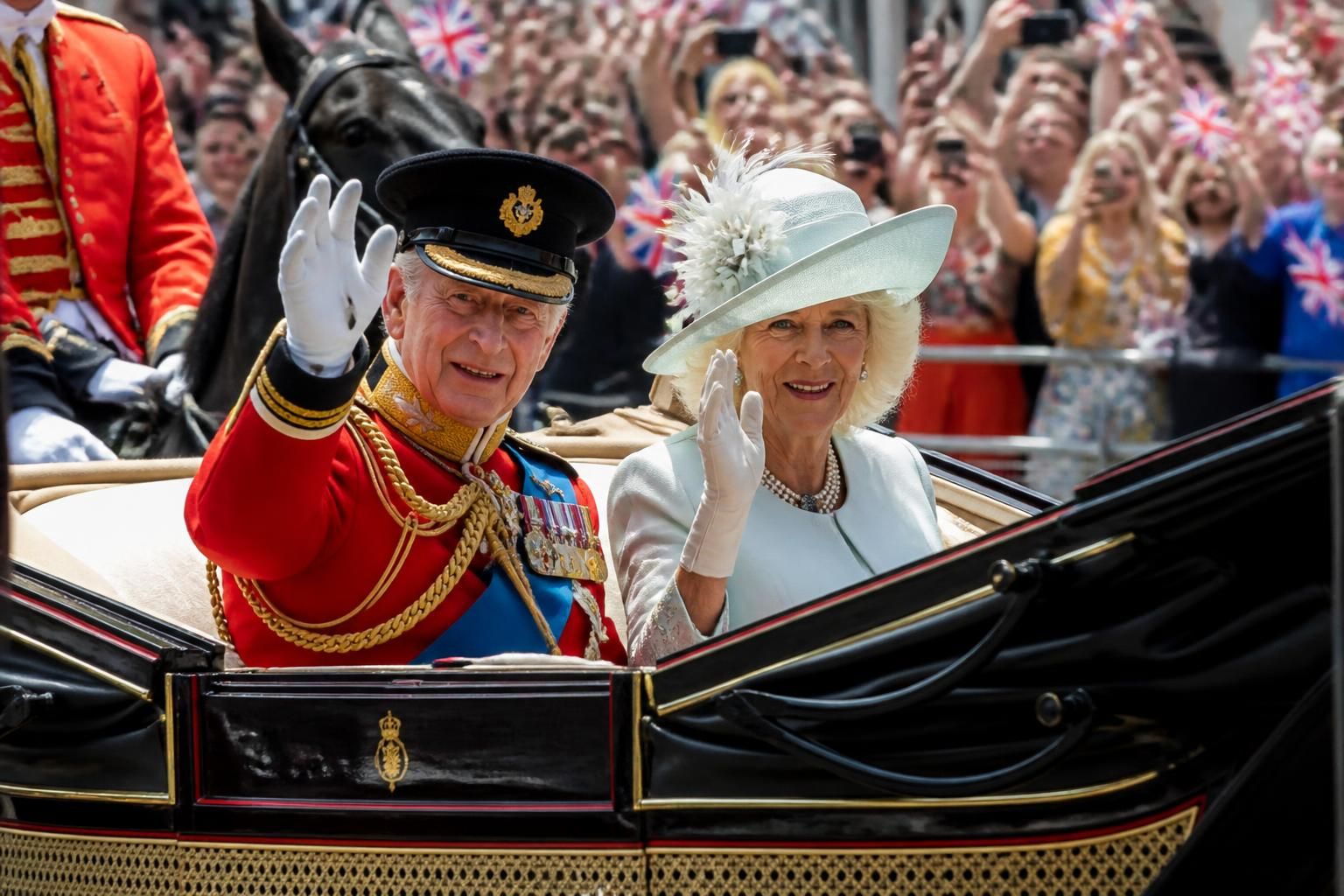
King Charles’ participation in the Trooping the Colour parade demonstrates a masterful balance between honoring British history and embracing the evolving role of the monarchy in contemporary society. On June 13th, 2026, the King arrived at this centennial celebration with palpable royal enthusiasm, riding in a horse-drawn carriage alongside Queen Camilla—a notable return to traditional conveyance after stepping back from horseback appearances in prior years. This choice reflects an adaptive leadership style sensitive to public concerns, health considerations, and symbolic resonance.
Since his first Trooping appearance as a young prince, King Charles has been a fixture at this parade, which not only marks the sovereign’s official birthday but also serves as one of the key ceremonial highlights in the UK’s royal calendar. The 2026 event marked the fourth occasion since his ascension in 2022, and the King’s dignified ride through London’s historic streets projected a message of stability and continuity to observers.
The King’s carriage procession followed the traditional route from Buckingham Palace through The Mall, past St. James’s Park, and culminated at Horse Guards Parade for the main inspection. The atmosphere here brimmed with vibrancy, exemplifying the collective pride of the British Royal Family and their supporters. Observers attested to the strong emotional connection between the monarchy and the public, underlining the event’s role as a living cultural heritage.
King Charles’ re-engagement at Trooping the Colour amidst ongoing health challenges was notable not only for its symbolism but also for its demonstration of the monarchy’s resilience. After announcing a cancer diagnosis in 2024 and reducing treatment intensity in late 2025, the King’s visible presence at this grand parade resonated with constituents, symbolizing perseverance without compromising tradition nor ceremony. Queen Camilla’s red silk crepe dress, echoing the Grenadier Guards uniform, reinforced the ceremonial gravitas and contributed to a cohesive royal image.
Understanding these nuances answers the question: how does a modern monarch navigate centuries-old traditions in a fast-paced, media-driven world? The answer lies in the King’s ability to marry solemnity and grace with a genuine connection to the public mood. This connection was emphasized in his and the Queen’s carriage passage, which instilled a renewed sense of royal enthusiasm among attendees and viewers alike.
The Trooping the Colour Parade: Upholding Ceremony and Military Tradition
The Trooping the Colour ceremony stands as a profound expression of British Royal Family heritage, seamlessly intertwining military precision with regal pageantry. Originally a battlefield practice wherein regiments displayed their flags or “colours” to ensure soldiers could recognize them during combat, this ritual dates back to the reign of King Charles II in the 17th century. Today, it continues to mark the monarch’s official birthday, regardless of the sovereign’s actual date of birth.
The continuation of this military procession underscores the deep-rooted military connections held by the monarchy and its role as the symbolic Commander-in-Chief of the British Armed Forces. The parade itself involves a meticulously choreographed display of mounted cavalry, foot guards, military bands, and the presentation of colours, all conducted with unwavering precision.
In 2026, despite King Charles’ health challenges, the event retained its exacting standards and grandeur. Members of the royal family such as Prince William, Prince Edward, and Princess Anne participated on horseback, with Anne’s equestrian skill notably observed when managing a spirited horse during the 2024 parade—a testament to the personal involvement the royals maintain in ceremonial duties.
The procession’s route, which has remained largely unchanged, leads from Buckingham Palace down The Mall and through St. James’s Park before reaching Horse Guards Parade. Here, the main ceremonial inspection occurs, followed by the return journey and culminating in the Buckingham Palace balcony appearance, where the Royal Air Force flypast traditionally honors the monarch.
This amalgamation of ceremony and history offers a multifaceted experience to spectators. It shapes the collective memory around the monarchy’s influence in British society and reinforces national identity through pageantry. The ceremonial presentation of the colours, steeped in symbolism dating back over three centuries, remains a powerful image for the nation and a poignant reminder of the monarchy’s enduring place within the military establishment.
The event’s military foundation enhances both the dignity of the monarch’s official birthday and the broader cultural narrative. Through such vivid displays of historic rituals, the Parade provides a tangible link to the country’s martial past, emphasizing continuity and patriotism.
Adapting Tradition Amid Modern Royal Health Realities
In recent years, the British monarchy has shown remarkable agility in balancing tradition with the personal health realities facing key figures. King Charles’ shift from riding horseback during Trooping the Colour—seen in 2023—to travelling in a carriage in 2024 and thereafter illustrates this nuanced approach. This shift aligns with similar decisions made by Queen Elizabeth II, who moved from her lifelong horseback participation to a carriage at age 60.
The King’s candid handling of his cancer diagnosis, treatment adjustments, and public appearances has fostered a sense of transparency that invites public empathy while respecting royal dignity. This approach challenges previous notions of royal invulnerability and aligns with modern expectations of openness.
Maintaining visibility, as during the 2026 parade, has been crucial in conveying the continuity of leadership. The King’s carriage ride, accompanied by Queen Camilla’s symbolic attire reflecting military regalia, carefully maintained ceremonial respect without risking undue physical strain.
Such strategic adaptations strengthen the monarchy’s connection to its constituents, showing that it evolves without sacrificing core traditions. Royal family members continue to play prominent roles in the ceremony, emphasizing shared commitment and support across generations.
These developments highlight how ceremonial events like Trooping the Colour can bridge the gap between longstanding tradition and contemporary realities. They also allow technological and operational innovations—such as enhanced broadcasting and digital engagement—to bring the ceremony to global audiences, thereby extending its reach while preserving exclusivity and reverence.
Overall, this measured response to health challenges within royal protocols exemplifies adaptability, a key factor in the monarchy’s 21st-century relevance and public esteem.
Engagement and Experience: Leveraging Modern Technology for Royal Events
Modern technology increasingly amplifies both the immersive experience and accessibility of historic events like Trooping the Colour. Digital tools now enable institutions involved in event organization and cultural mediation to deliver enriched narratives that engage diverse audiences globally.
Applications such as Grupem, dedicated to smart tourism and audio technology enhancement, offer guided experiences for visitors and spectators alike. Implementing audio guides during such events can elevate understanding of royal customs, military history, and ceremonial subtleties, making the parade’s deep symbolism approachable for all.
For example, live-streaming combined with real-time informational overlays can help international observers appreciate the significance of specific moments, attire, and military formations. These technologies democratize access to an event otherwise limited by geography, age, or physical ability.
Historical notes, military lineage, and ceremonial context accessible via mobile platforms enrich user engagement while preserving the solemnity and grandeur of the live parade. Museums and cultural institutions partnering with such tools ensure that the event’s legacy is both preserved and innovatively communicated to future generations.
This fusion of tradition and innovation reflects broader trends in event management and cultural tourism. As the British Royal Family embraces digital tools to extend reach and impact, tourism professionals and event organizers can take note of best practices around integrating technology without detracting from heritage values.
Ultimately, enhancing audience experience through smart audio technology and interactive guides fosters meaningful connections with the monarchy’s history and present-day persona, driving sustained interest and relevance.
The Role of Trooping the Colour in Shaping National Identity and Royal Legacy
The Trooping the Colour parade echoes far beyond just a military ceremony or royal birthday. It plays a pivotal role in shaping national identity and preserving the monumental legacy of the British monarchy. This event, with roots going back to the 18th century and beyond, remains instrumental in cultivating public support and unity.
Each year, the British Royal Family presents a tableau of tradition combined with contemporary resonance, reaffirming its symbolic role in the nation’s cultural framework. The event’s continued success hinges on its ability to project values of service, duty, and resilience, deeply ingrained in the monarchy’s public image.
The parade’s impact extends to:
- 🎖️ Reinforcing patriotism and respect for the armed forces
- 🎉 Celebrating the official birthday of the reigning monarch
- 🏰 Offering a living connection to historic British values and governance
- 👑 Showcasing the monarchy’s unity and intergenerational continuity
Moreover, the robust presence of family members, including younger generations such as Prince George and Princess Charlotte, ensures that the parade remains relevant across age demographics. Their participation bridges tradition with future promise, embodying the enduring vitality of the monarchy.
Below is a compact table highlighting key facets of the Trooping the Colour ceremony in relation to British history and royal significance:
| 🎯 Aspect | 📜 Historical Significance | 🔍 Modern Relevance |
|---|---|---|
| Military Origin | 17th-century battlefield practice to identify regimental colours | Symbolizes ongoing military loyalty and ceremonial command |
| Royal Celebration | Linked to monarch’s official birthday since 1748 | Unity and public engagement with the monarchy |
| Public Spectacle | Showcases British martial pride and pageantry | Supports tourism and cultural heritage appreciation |
| Media Coverage | Traditional press and royal announcements | Uses digital streaming and interactive technology |
| Family Participation | Links generations from Queen Elizabeth II to King Charles III | Engages new generations and reinforces monarchy’s future |
This synthesis underlines Trooping the Colour as essential not only for royal ceremony enthusiasts but also for cultural professionals managing heritage and tourism initiatives in the United Kingdom.
For more detailed accounts of King Charles’ celebrations and royal family activities, reference is made to reliable sources such as BBC’s coverage on royal events and in-depth analyses like those on Distinct Post’s account of the 2025 Trooping the Colour.
What is the historical origin of Trooping the Colour?
Trooping the Colour originated as a military practice in the 17th century to enable soldiers to recognize their regimental flags during battle. It evolved into a ceremonial event marking the monarch’s official birthday.
Why does King Charles ride in a carriage instead of horseback?
Due to health considerations following his cancer diagnosis and treatment, King Charles has opted to ride in a carriage since 2024, similar to Queen Elizabeth II’s practice after 1987.
How does technology enhance Trooping the Colour experiences today?
Smart audio guides and digital streaming allow wider and more interactive access to the ceremony, helping audiences understand traditions and military aspects without detracting from the event’s solemnity.
How does Trooping the Colour contribute to British national identity?
The ceremony fosters patriotism, honors the armed forces, and reinforces unity around the monarchy, serving as a living symbol of British cultural heritage and governance.
