
Peu de temps ? Voici l’essentiel à retenir :
✅ The Leavenworth Nutcracker Museum houses America’s largest collection, stewarded by a centenarian who transformed a modest hobby into cultural heritage.
✅ With over 9,000 nutcrackers, the museum showcases historical craftsmanship spanning two millennia.
✅ The guardian of this unique museum exemplifies longevity through passion and active life engagement.
✅ Explore the museum’s preservation techniques that balance tradition and modern visitor accessibility.
The Legacy of the 101-Year-Old Guardian Preserving America’s Largest Nutcracker Museum
America’s largest Nutcracker Museum, nestled in the alpine-themed town of Leavenworth, Washington, is not just a collection—it is the living legacy of Arlene Wagner, a 101-year-old collector and museum guardian. Since founding the museum in 1995 alongside her late husband George Wagner, Arlene transformed a modest collection into a national treasure of cultural heritage. Her stewardship exemplifies how individual passion fueled by historical appreciation can morph into significant museum preservation efforts.
Originally a ballet director, Arlene’s initial encounter with nutcrackers was tied to staging Tchaikovsky’s famed “The Nutcracker.” Seeking props for the production, she encountered an array of nutcracker figurines, sparking what would grow into the largest assortment in the United States. Today, the museum contains over 9,000 handcrafted pieces from 50 countries, ranging from rudimentary stone tools to intricately carved wooden figures dating as far back as 200 BC.
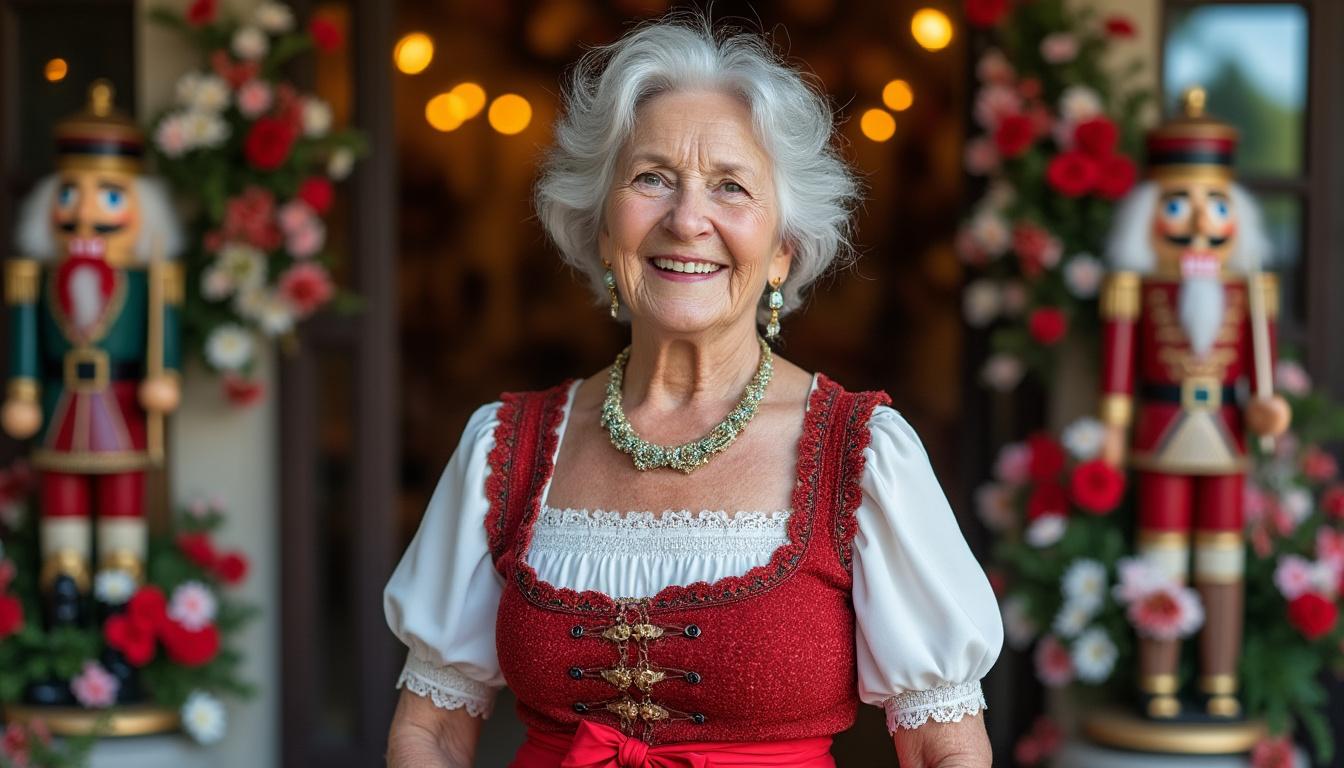
The life story of Arlene, often called the Nutcracker Lady, is itself a cultural artifact. Her daily presence at the museum entrance, clad in traditional German attire, serves as a vibrant bridge between generations and cultures. Her role as guardian is both practical and symbolic, emphasizing hands-on engagement, which reflects in her commitment to museum visitors and ongoing collection development despite her centenarian status.
Over the decades, Arlene has meticulously curated exhibits incorporating tools ranging from simple lever-type nutcrackers to ornate metal betel cutters from India, highlighting the museum’s global cultural impact. Her decision to open the collection to the public in 1995 marked a pivotal moment in American cultural heritage, offering broad accessibility to historical objects that illustrate both the utilitarian and artistic aspects of nutcracking devices.
Such guardianship shows the profound intersection between individual initiative and institutional preservation. Arlene’s dedication encapsulates an active lifestyle linked to longevity, inspiring visitors and professionals in cultural heritage and museum management to appreciate how passion-driven stewardship can elevate and sustain historical collections.
A Historical Collection: Nutcrackers from Ancient Times to American Traditions
The museum’s collection spans an extraordinary timeline, presenting nutcrackers that are not merely decorative but also historical artifacts that highlight humanity’s evolving relationship with functional design and cultural symbolism. The diversity ranges from a 12-inch bronze nutcracker dating between 200 BC and 200 AD—unearthed near Rome and adorned with lion motifs indicating noble ownership—to delicate 16th-century French wooden examples, including one dated 1554 carved from boxwood.
The evolution of nutcracker design showcases shifts in mechanical innovation and aesthetic values. Early designs employed hinge mechanisms that cracked nuts with a jaw action, while later lever-style nutcrackers resembled a pair of pliers or screw presses for more efficient cracking. Additionally, the collection includes ornate metal betel nut cutters from India and primitive stone nutting bowls, documenting the cultural significance of nutcracking in multiple societies.
Nutcrackers’ symbolic role was amplified by the 1816 literary work by German author E.T.A. Hoffman, “The Nutcracker and the Mouse King,” which popularized figures shaped as soldiers and kings intended to ward off evil and bring good luck. This narrative fueled the spread of nutcrackers as festive icons, especially in German-speaking regions, before becoming a widespread Christmas emblem in the United States post-World War II.
The U.S. embrace of nutcracker figurines surged following exposure through returning soldiers and productions like George Balanchine’s 1954 ballet interpretation, sealing the nutcracker’s place as a holiday symbol. Today, Steinbach, a traditional German manufacturer highlighted in the museum’s history, produces tens of thousands annually, primarily for the American market. The museum thus not only preserves physical objects but also curates the intertwined myths and traditions that define contemporary American holiday culture.
This historical perspective illuminates the nutcracker’s transformation from a practical tool into a cultural artifact. It also underscores the museum’s role in preserving multifaceted legacies, blending technical innovation, artistic expression, and evolving cultural narratives into a cohesive visitor experience.
Innovative Museum Preservation and Visitor Engagement at Leavenworth Nutcracker Museum
Preserving a collection of over 9,000 nutcrackers spanning centuries entails complex challenges in conservation, display, and visitor engagement. Under the careful supervision of its centenarian guardian, the museum combines traditional curation with innovative solutions to sustain the artifacts’ longevity and accessibility.
Each nutcracker is housed in custom-made, floor-to-ceiling glass cases designed to protect from dust and environmental fluctuations while ensuring visual clarity. The museum employs climate control and light-filtering measures to prevent deterioration of wooden and metal elements. These preservation practices align with best standards observed in heritage institutions and represent a commitment to safeguarding cultural heritage for future generations.
Visitor experience is enhanced through guided tours, interactive scavenger hunts, and thoughtfully designed narratives explaining each nutcracker’s origin and era. This accessibility-oriented approach exemplifies modern smart tourism principles—offering both entertainment and educational value without overwhelming visitors. Additionally, the museum’s gift shop featuring artisanal reproductions, including a hand-carved figurine of Arlene Wagner herself, extends audience engagement beyond the visit.
The museum’s ability to merge cultural heritage with technological-friendly experiences is grounded in professional curation partnered with grassroots passion. This reflects a growing trend among smart tourism applications and audio tech integrations that enrich visitor comprehension and involvement. Practical lessons from Leavenworth’s Nutcracker Museum can guide museums globally seeking to optimize preservation while maintaining vibrant public interaction.
The gradual transition plan involving a protege ensures continuity of care and operational expertise. Michelle McMullen, trained under Arlene Wagner, embodies knowledge transfer essential for long-term preservation. Such mentorship highlights how museum sustainability often relies on human relationships and dedicated individuals rather than solely institutional frameworks.
Passion and Longevity: Insights from a 101-Year-Old Cultural Guardian
Arlene Wagner’s journey underscores profound correlations between active engagement, purpose, and longevity—a topic frequently explored across social and scientific domains. Her story resonates with other centenarians like the American veterans whose life experiences demonstrate resilience through participation in meaningful work and community involvement.
Studies on longevity emphasize the value of mental stimulation, social connection, and daily activity. Arlene embodies these principles by managing a busy museum schedule, hosting visitors, and continuously growing the collection well into her centennial years. Her pragmatic philosophy is encapsulated in her own words: “The key to living a long life is to stay busy.” This echoes findings from other 101-year-old individuals who attribute prolonged life to positivity and engagement rather than passivity.
Her status as a guardian aligns with cultural custodianship, wherein maintaining a collection is not mere preservation but active stewardship. Arlene’s role illustrates that vibrant cultural institutions require passionate individuals who combine knowledge, dedication, and social interaction to thrive.
Stories like hers complement insights from renowned 101-year-olds such as Jack Weber and Roger Wonson, WWII veterans sharing their secrets of resilience, found in narratives focusing on purposeful living and commitment to community. Such accounts enrich understanding of aging by highlighting how cultural passion and social responsibility contribute crucially to wellbeing.
For cultural heritage professionals and museum specialists, this story offers a blueprint: preservation must integrate human vitality. Incorporating technology to support, but not replace, this relationship enhances sustainability and visitor connection. Museums seeking to foster longevity in their operations would benefit from nurturing similar engagement models.
Insights on longevity from other 101-year-olds complement this narrative, inviting museum managers to reflect on balancing operational continuity and human-centric stewardship.
Cultural Heritage and the Impact of America’s Largest Nutcracker Museum on Smart Tourism
The Leavenworth Nutcracker Museum represents a compelling case study at the intersection of cultural heritage conservation and smart tourism innovation. Located in a Bavarian-themed town, the museum contributes significantly to local tourism economies by attracting niche cultural tourists fascinated by this unique collection.
Its incorporation of technology-enabled visitor engagement strategies exemplifies accessible and modern museum management. The integration of detailed audio guides, interactive quizzes, and augmented reality potential opens pathways for cultural mediation that appeals to broad demographics, including families and international travelers.
This progressive outlook boosts the museum’s standing within community development strategies. Thematic consistency of Leavenworth’s Bavarian ambiance, supported by the museum’s specialization, reinforces place branding—a crucial factor in tourism destination management.
| Aspect 📌 | Implementation 🎯 | Benefit 🌟 |
|---|---|---|
| Smart Audio Guides | Mobile app integration for self-guided tours | Enhanced visitor autonomy and learning |
| Artifact Preservation | Climate-controlled display cases | Prolonged artifact lifespan |
| Interactive Exhibits | Scavenger hunts and quizzes for families | Increased visitor engagement and satisfaction |
| Cultural Branding | Bavarian-themed environment supporting museum identity | Strengthened local tourism and market differentiation |
| Succession Planning | Mentoring new guardians like Michelle McMullen | Long-term institutional continuity |
Exploring global trends in museum preservation and visitor engagement further contextualizes Leavenworth’s strategies in the broader landscape.
By intertwining historical collection management with digital advances, the museum creates a dynamic cultural destination that serves both education and entertainment while preserving precious artifacts. This dual focus is essential for museums aspiring to model best practices in smart tourism and cultural heritage management.
What makes the Leavenworth Nutcracker Museum unique in America?
It is home to the largest collection of nutcrackers in the U.S., with over 9,000 pieces spanning 50 countries and nearly 2,000 years of history.
How does the 101-year-old guardian contribute to museum preservation?
She actively manages the collection, curates exhibits, and mentors future caretakers, ensuring continuity of expertise and passion.
Why are nutcrackers significant in cultural heritage?
Nutcrackers symbolize protection and good luck, evolving from practical tools to Christmas icons through folklore and artistic reinterpretation.
What role does smart tourism play at the Nutcracker Museum?
Smart tourism integrates technology like audio guides and interactive experiences to enhance visitor engagement and accessibility.
How does Arlene Wagner’s life story inspire museum professionals?
Her active involvement and longevity demonstrate the importance of passion and hands-on stewardship in sustaining cultural institutions.
