
Peu de temps ? Voici l’essentiel à retenir :
✅ The Historic Warner Cascade Theatre Museum, a crucial site for Warner Bros. heritage preservation, has recently faced significant water damage affecting key exhibit and theatre areas.
✅ Immediate disaster recovery efforts focus on artifact stabilization, art restoration, and museum conservation techniques to protect its cultural value.
✅ Fundraising campaigns, including matched donation drives, are critical to sustaining restoration and long-term heritage protection.
Preserving Warner Bros. Legacy at a Historic Local Museum Impacted by Water Damage
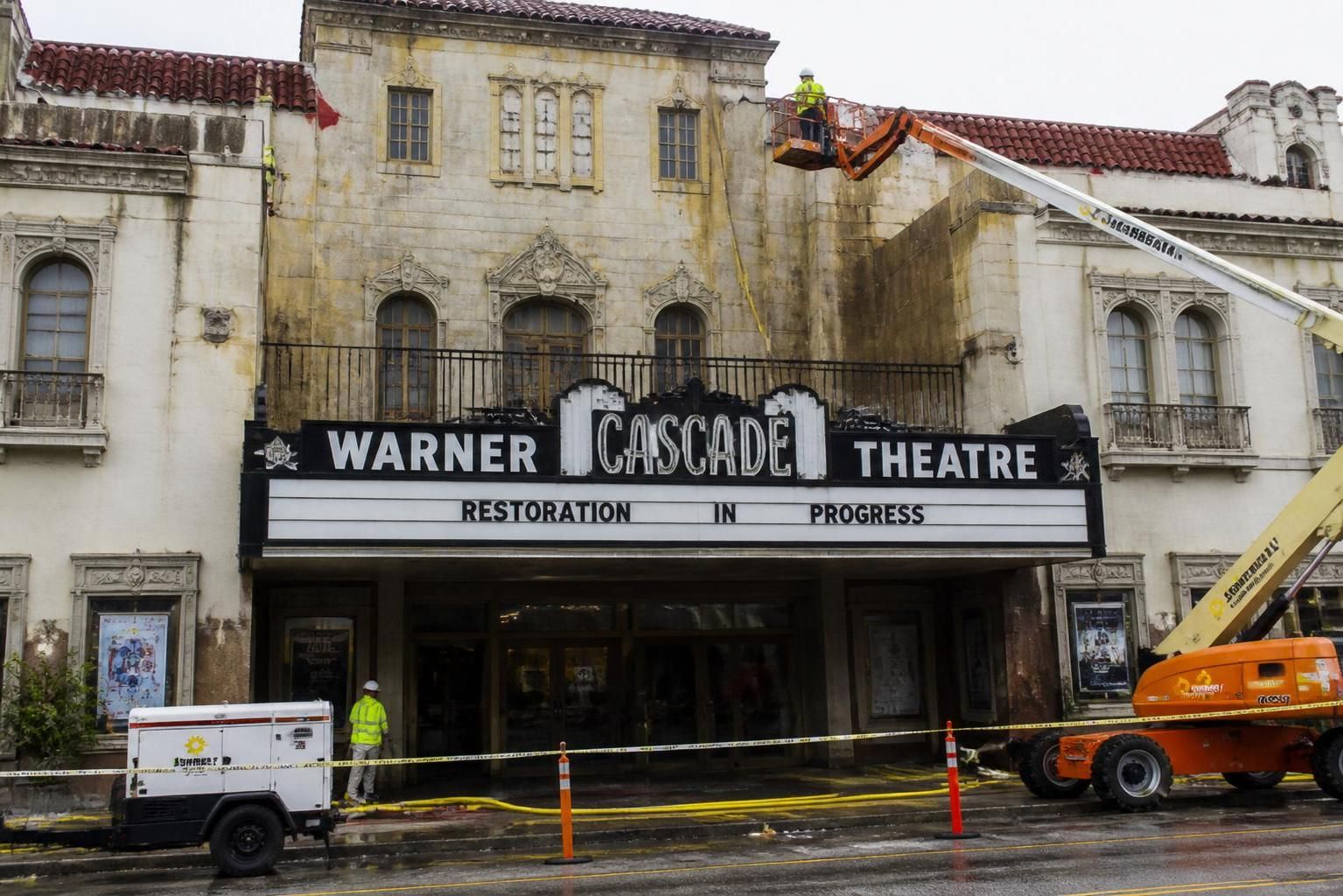
The Historic Warner Cascade Theatre Museum in New Castle, Pennsylvania, stands as a cornerstone for local heritage and the celebrated history of Warner Bros., the studio that revolutionized the entertainment industry in the 20th century. Originally the first theatre opened by the Warner Brothers in 1907, this museum offers visitors a unique insight into cinematic history and serves as a critical site for cultural preservation connected to Hollywood’s golden era.
In 2026, the museum encountered a severe setback due to a major water break at its rear, flooding adjacent spaces such as the Bijou Theatre, the Red Carpet Lobby, and portions of the Cascade Theatre itself. This event caused extensive water damage impacting delicate exhibits and the infrastructure. The immediate closure ensures safety and allows for a focused recovery process.
Such incidents underscore the fragility of historic museums, especially when safeguarding irreplaceable artifacts and exhibits. The Warner Cascade Theatre Museum houses a collection that documents the evolution of cinema and Warner Bros.’ monumental contributions. This collection includes film memorabilia, photographs, vintage equipment, and archives that demand stringent museum conservation methods to maintain authenticity and accessibility.
According to a recent report, water entered through the back window and corridors, highlighting the vulnerability of historic structures to infrastructural aging and extreme weather events. Proactive maintenance, disaster-proofing, and technological upgrades in such spaces are essential to mitigate future risks.
Beyond the physical damage, this incident stresses the importance of community and donor support. The museum leadership points specifically to the PAOH Gives campaign as a vital fundraising opportunity to obtain matching donations for restoration needs. This campaign not only fuels immediate cleanup but also supports long-term initiatives, such as securing space for the extensive Bugs Bunny and Looney Tunes collection, which adds significant value to the local and cultural narrative.
Strategic Disaster Recovery and Museum Conservation Techniques for Water Damage
Water intrusion represents one of the most challenging emergencies for museums. The mix of moisture and fragile materials—such as paper archives, film reels, and textiles—requires swift, precise responses grounded in proven art restoration and museum conservation methodologies.
The recovery at the Historic Warner Cascade Theatre Museum involves carefully staged actions. First is the extraction of standing water and the deployment of dehumidifiers to control humidity levels. This foundational step prevents mold growth and further damage to wooden and paper materials. Specialized teams assess the scope of harm in different zones, prioritizing artifacts with the highest risk of deterioration.
Following stabilization, conservators use advanced drying and cleaning equipment tailored to historic items. For instance, wet archival documents benefit from freeze-drying techniques, which halt ongoing water damage and maintain the paper’s integrity. Similarly, damaged film reels require delicate chemical baths and splicing repair to salvage valuable audiovisual heritage, an essential element of Warner Bros. history.
Implementing digitization during the restoration phase maximizes recoverability and accessibility. Digital archives created during conservation not only preserve content in case of permanent loss but also facilitate remote exhibition possibilities, expanding public access while physical spaces undergo repair.
Professional institutions globally encourage such modern preservation protocols. The museum staff collaborates with conservation experts and analyzes case studies, including precedents from other flood-affected museums to adopt best practices. Ensuring readiness against future disaster recovery scenarios is now integral to the museum’s operational planning.
Key components of disaster recovery for museums:
- 🚨 Immediate response protocols to control water ingress and humidity
- 🧰 Specialized cleaning and drying technology to handle sensitive materials
- 🗂 Prioritization strategies based on artifact significance and fragility
- 💾 Digitization efforts to safeguard and disseminate collections
- 🤝 Fundraising and community mobilization to finance restoration work
Enhancing Visitor Experience Through Smart Tourism Amid Recovery
While physical limitations temporarily keep visitors away, the Historic Warner Cascade Theatre Museum can leverage smart tourism technologies to maintain engagement with its audience. Tools such as mobile apps and intelligent audio guides transform the traditional museum visit into an accessible, interactive experience, allowing the museum’s stories and Warner Bros.’ heritage to continue reaching enthusiasts globally, even as gallery spaces undergo restoration.
Mobile platforms enable remote exploration of exhibits, enriched with multimedia narration, augmented reality (AR), and detailed archival commentary. These solutions enhance exhibit preservation by reducing direct handling and foot traffic while providing high-quality interpretive content. Integrating smart technologies also accommodates diverse visitor needs, including multi-language support and accessibility features, fostering inclusivity in cultural heritage dissemination.
Such innovation corresponds with ongoing digital transformations within the cultural sector, ensuring long-term resilience. The current hiatus thus becomes an opportunity to upgrade the museum’s digital infrastructure, incorporating data analytics on visitor engagement to refine content and improve user experience continuously.
Organizations managing historic museums increasingly turn to platforms like Grupem, which empower museums to deploy intuitive software solutions without complex setup or excessive costs. This digital pivot supports sustainable preservation efforts by balancing physical conservation with virtual reach.
Smart tourism benefits during museum restoration include:
- 📱 Remote access to detailed collections during physical closure
- 🎧 Enhanced visitor engagement through intelligent audio technologies
- 🌍 Global reach expanding audience and donor bases
- ♿ Improved accessibility and inclusive design features
- 📊 Real-time analytics allowing data-driven exhibit improvements
Fundraising and Community Involvement as Pillars of Heritage Protection
Ensuring the survival and vitality of cultural landmarks like the Warner Cascade Theatre Museum depends heavily on public support and strategic fundraising. The ongoing PAOH Gives campaign, which matches donations during the drive period, serves as a lifeline to finance crucial restoration efforts and long-term facility upgrades.
Community engagement extends beyond monetary contributions, involving volunteers in damage assessment, artifact transport, and awareness activities. Such grassroots involvement strengthens connection to the museum’s mission centered on heritage protection and serves as a model for how historic museums can foster resilient networks amid adversity.
Donor campaigns also draw attention to the museum’s broader goals. For example, the planned exhibition space for the Bugs Bunny and Looney Tunes collection, currently under fundraising, promises to attract visitors and scholars alike, enriching Warner Bros.’ narrative nationally and internationally.
Engagement with digital and local audiences underscores the fundamental link between cultural preservation and community identity. Museums act as stewards of collective memory, and mobilizing public interest is integral to sustaining this role amid environmental and operational challenges.
Many institutions reinforce this approach through monthly memberships, exclusive digital content, and educational programs aligned with smart tourism principles to keep audiences connected regardless of physical access constraints.
Challenges and Forward-Looking Measures for Local Heritage Institutions
Historic museums face complex challenges exacerbated by climate change and aging infrastructure. The Warner Cascade Theatre Museum’s unfortunate water damage incident reflects widespread risks faced by heritage sites storing vulnerable physical assets.
Adopting robust risk management frameworks, including predictive maintenance and emergency preparedness plans, is essential. Integrating sensors for humidity and structural monitoring, developing rapid response teams trained in art restoration and disaster protocols, and forging partnerships with local authorities enhance resilience.
Moreover, documenting processes and lessons through transparent reporting benefits the entire museum sector, contributing to shared knowledge on safeguarding museum conservation efforts worldwide. Funding models increasingly incorporate sustainability and technological innovation as hallmarks of effective heritage protection.
| 🔥 Key Challenge | ✅ Current Strategy | 🌱 Future Recommendation |
|---|---|---|
| Water and moisture ingress 🌊 | Emergency water extraction & dehumidification equipment 🛠️ | Installation of advanced moisture sensors and automated alerts 📡 |
| Aging building infrastructure 🏛️ | Routine inspections and targeted repairs 🔧 | Comprehensive retrofitting with climate-resilient materials 🧱 |
| Preservation of fragile artifacts 📜 | Use of freeze-drying and specialized conservation techniques ❄️ | Ongoing staff training and investment in emerging restoration tech 🧪 |
| Visitor engagement during closure 🎟️ | Deployment of virtual tours and smart audio guides 🎧 | Expansion of digital platforms and interactive content with AI 🤖 |
| Fundraising and community involvement 💰 | Matching donation campaigns and volunteer mobilization 🤝 | Building lasting partnerships with corporations and cultural networks 🌐 |
To follow developments and support the Warner Cascade Theatre Museum’s recovery journey, you can visit their official page on Historic Warner Cascade Theatre Museum or their active community on Facebook. These platforms provide updates, volunteer opportunities, and donation channels vital to continuing exhibit preservation and cultural heritage protection.
What immediate steps are taken after a water damage incident in a historic museum?
Emergency water removal and controlling humidity are critical first steps, followed by artifact assessment to prioritize restoration and prevent mold development.
How can smart tourism technologies support museums during closures?
They offer virtual tours, audio guides, and augmented reality experiences to maintain visitor engagement and provide remote access to exhibits during physical downtime.
Why is fundraising essential after museum disasters?
Restoration, repairs, and upgrading facilities require significant funds. Matching campaigns and community donations accelerate recovery and help ensure long-term sustainability.
What conservation methods are used for water-damaged artifacts?
Techniques like freeze-drying, chemical cleaning, and digitization are employed to stabilize materials and preserve information for future generations.
How can local communities help historic museums?
By volunteering, donating, participating in awareness campaigns, and engaging with digital platforms to support ongoing museum programming and restoration activities.
