
Peu de temps ? Voici l’essentiel à retenir :
- ✅ AI-generated visuals of Australian politicians are being exploited to create convincing but fake conflict scenes.
- ✅ These deepfake images and videos serve as bait for sophisticated investment scams targeting unsuspecting audiences.
- ✅ Recognizing and combating misinformation and cybercrime in political contexts requires vigilance and reliable digital literacy practices.
Artificial Intelligence and the Evolution of Political Misinformation in Australia
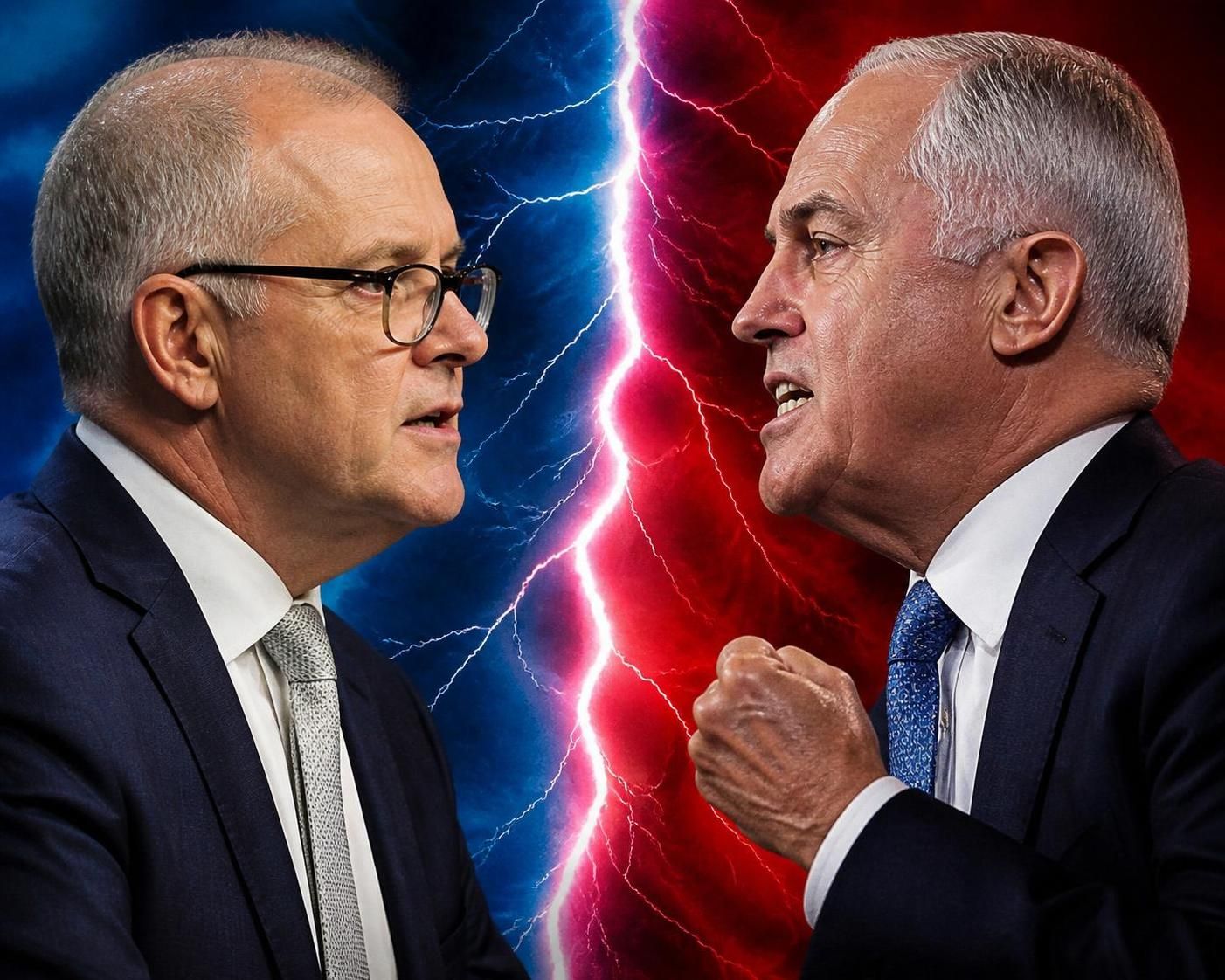
The rapid advancement of AI-generated content has transformed the landscape of political communication and misinformation in Australia. As the 2026 federal elections approach, the nation confronts unprecedented challenges linked to manipulated media. Most notably, visuals depicting Australian politicians in combative scenarios—specifically between Opposition leader Angus Taylor and Tasmanian Senator Jacqui Lambie—have been widely circulated on social media with malicious intent.
These fabricated clashes, falsely attributed to the ABC News’ political panel programme Insiders, mislead viewers by leveraging the public’s trust in the broadcaster’s reputation. The controversy revolves around a viral series of deepfake images showing a staged brawl, complete with bloodied faces and aggressive postures, suggesting real political discord. However, investigations reveal these materials were deliberately engineered to funnel viewers toward fraudulent investment platforms.
Deepfake technology enables the creation of incredibly lifelike yet deceptive audio-visual content. The technology has become a powerful tool in the arsenal of cybercriminals who exploit it to distort public perception and manipulate elections. The case of the Taylor-Lambie visuals demonstrates how deepfake misinformation intertwines with political discourse, worsening the already fraught environment of digital trust and media authenticity.
The Australian Broadcasting Corporation (ABC) has actively warned its audience about the misuse of its brand and imagery, highlighting the danger of fake social media posts, QR codes, and fake articles portraying trustworthy content. This phenomenon is not isolated; similar tactics have been observed internationally, reflecting a growing trend where politics and cybercrime intersect through AI-powered deception. Full awareness and understanding of these dynamics remain essential for professionals and citizens alike to maintain a resilient democratic process.
How AI-Generated Visuals Facilitate Complex Investment Scams
The deployment of AI-generated visuals depicting Australian politicians in conflict forms a sophisticated facet of current investment scams. Perpetrators create convincing fake news sites that closely mimic legitimate media outlets, including exact styling and logos, heightening the credibility of false narratives.
An example from 2026 includes a counterfeit ABC News page which presents a fabricated story titled “Jacqui Lambie destroys Angus Taylor on Insiders”. The article’s style mimics a scripted political exchange, but it ultimately promotes a fictitious trading platform called Vault Wealthholm. Prospective victims are lured to invest with promises of accessible entry points, such as a $350 minimum deposit, using links embedded within the article and through chatbots personified by AI-generated assistants like “Charlotte.”
Key characteristics of these fraudulent campaigns include:
- 🛑 Domain discrepancies: The scam site uses suspicious URLs rather than official abc.net.au.
- 🛑 Implausible article bylines naming a politician as the author.
- 🛑 Scripted dialogue-style content that differs from genuine news reporting.
- 🛑 Prominent advertising of investment schemes with unrealistic gains.
These scams exploit trust in public figures and media brands by using deepfakes and fake endorsements to manipulate viewers. Fraudulent platforms exploit this trust to harness funds and personal information from unwitting participants, often resulting in significant financial and emotional damage.
Authorities and watchdogs like the Australian Securities and Investments Commission (ASIC) remain active in identifying unregistered investment platforms, calling attention to discrepancies and raising public awareness. However, considering the volume and sophistication of these operations, proactive consumer education and media literacy are crucial defense mechanisms.
Examples of AI-Driven Investment Scam Techniques
| Technique 🛡️ | Description 📝 | Impact ⚠️ |
|---|---|---|
| Deepfake Visuals | Create hyper-realistic images and videos of politicians endorsing fake investments. | Generates false legitimacy, increasing victim trust and conversion rates. |
| Fake Media Websites | Mimic trusted news platforms to host fabricated articles and ads. | Confuses users into believing content is genuine. |
| AI-driven Chatbots | Automate engagement by posing as investment advisors or representatives. | Enhances scam interactivity and personalizes fraud. |
| Phishing Links & QR Codes | Lead users to fake platforms harvesting personal and financial data. | Compromises user security and facilitates identity theft. |
Understanding the Political and Social Implications of AI-Generated Misinformation
The integration of AI-generated deepfakes into political disinformation campaigns jeopardizes both the integrity of democratic processes and public trust in institutions. Australian politicians like Jacqui Lambie and Angus Taylor have publicly denounced the use of their likeness in fraudulent content that aims to deceive and steal from citizens.
Misinformation in this context serves several purposes:
- 🔥 Amplifies political polarization by portraying exaggerated and fabricated confrontations.
- 🔥 Exploits emotional reactions to contentious political topics to increase engagement.
- 🔥 Diverts public attention and media resources to false narratives, weakening meaningful discourse.
The ABC has emphasized the difficulty in swiftly countering such content, given the rapid spread across multiple social media platforms. Misinformation campaigns cleverly exploit the reputation of credible sources, creating a veneer of authenticity that even seasoned news consumers may find challenging to recognize.
Efforts by regulatory bodies including the Australian Electoral Commission are constrained by current legislation, which still grapples with the novel challenges posed by AI-generated content. As discussed in recent policy analysis, the lack of clear prohibition or rapid takedown mechanisms for political deepfakes complicates protective measures.
Awareness campaigns and technological tools such as AI-detection systems developed jointly by media and tech companies play an essential role. For example, the Verification Plugin co-developed by AFP and Google’s SynthID has proven effective in identifying AI-generated images, marking a critical step toward mitigating fraud and preserving the authenticity of political communication.
Protecting Citizens and Institutions from AI-Driven Political Fraud
Mitigating the risks posed by AI-generated misinformation requires coordinated responses at multiple levels. Australian authorities and security agencies have begun profiling emerging cybercrime trends, particularly focusing on how fake political content acts as a trust anchor for wider robbery and financial fraud.
Key strategies to safeguard citizens and institutions include:
- 🛡️ Implementing advanced AI-detection tools for online content.
- 🛡️ Strengthening legislation to criminalize the malicious use of AI in political contexts.
- 🛡️ Encouraging media literacy education to empower users in recognizing suspicious digital material.
- 🛡️ Enhancing cooperation between public broadcasters, platforms, and law enforcement.
- 🛡️ Offering transparent communication from politicians regarding their genuine endorsements and media appearances.
The National Anti-Scam Centre in Australia highlights that impersonation of public figures using AI is increasing the sophistication of fraudulent advertisements and scams. By mimicking controversial events and creating emotionally charged content, scammers attract more engagement, thereby increasing the likelihood of victimization.
Industries connected to the tourism and cultural sectors should remain vigilant. Given the prominence of digital engagement tools like Grupem’s smart audio platforms, which prioritize authenticity and trust, these innovations must incorporate measures to detect and prevent fraudulent AI use during tours, broadcasts, and public events.
Emerging Tools and Best Practices for Combating AI-Generated Visual Fraud in Politics
In the fight against AI-powered cybercrime, technology companies and media organizations have developed several best practices and tools aimed specifically at detecting and debunking AI-generated visual manipulations.
Essential methods in place today include:
- 🔍 AI-detection algorithms: Software that analyzes subtle artifacts left by generative models to flag synthetic images and videos.
- 🔍 Cross-referencing authoritative sources: Validation through multiple trusted news outlets and official politician statements.
- 🔍 Digital watermarking and provenance tracking: Embedding metadata to verify the origin and authenticity of digital content.
- 🔍 Public awareness campaigns: Educating users to question unexpected political conflict imagery and linking them to verified corrections or official disclaimers.
Professionals working in event management, cultural institutions, or media are recommended to incorporate such verification tools into their operational workflows, minimizing the risk of inadvertently disseminating fraudulent visuals. Keeping abreast of the latest solutions such as emerging voice and AI fraud detection technologies also supports a holistic defense against manipulation facilitated by AI-generated content.
Ultimately, the intersection of politics, technology, and cybercrime urges an ongoing commitment toward transparent, trustful, and well-educated digital communities in Australia and beyond.
How can individuals identify AI-generated political visuals?
Look for telltale signs such as inconsistent lighting, unnatural facial movements, and unusual text formats. Using AI detection tools and verifying content through trusted news sources also help avoid misinformation.
What should you do if you encounter a suspicious political investment advertisement?
Avoid clicking any links or providing personal information. Report the content to relevant authorities like the Australian Securities and Investments Commission or the National Anti-Scam Centre.
Are there regulations governing AI-generated political content in Australia?
Currently, regulation is limited, though authorities are actively examining policies to address the challenges posed by deepfakes and AI misinformation in politics.
How does AI-generated misinformation affect public trust?
It erodes confidence in legitimate media and politicians, potentially undermining democratic processes and social cohesion, emphasizing the need for critical media literacy education.
What advancements exist in detecting AI deepfake scams?
Recent progress includes AI-powered detection plugins, digital watermarking, and cross-platform collaboration between news agencies and tech companies to swiftly identify and flag fake content.
