
Short on time? Here is what to remember:
✅ The tech industry is experiencing unprecedented AI layoffs, affecting nearly 150,000 employees in 2026.
✅ Underlying causes include overstaffing, economic pressures, and strategic shifts toward automation, beyond just artificial intelligence.
✅ Misinterpretation of layoffs as purely AI-driven risks obscuring broader industry and economic trends.
Understanding the Surge in AI Layoffs in the Tech Industry
Tensions are mounting across the technology sector as workforce reductions attributed to artificial intelligence continue to escalate. In 2026, the technology industry has witnessed a sweeping wave of job cuts that has sparked significant controversy and concern. Although layoffs have been a recurring theme in the tech landscape over recent years, the current surge—marked by nearly 150,000 affected workers—is remarkable not only for its scale but also for the reasons cited.
Companies often explain these workforce changes as necessary adaptations to the rise of automation and AI technologies, claiming that artificial intelligence tools enable new efficiencies that reduce the need for human staff. However, a closer look reveals a more complex picture. Economic disruption, over-hiring during the pandemic, and strategic pivots all contribute to this upheaval.
For example, Block’s drastic move to reduce its workforce by nearly half earlier this year was publicly linked to AI-driven productivity gains. Yet its former CEO admitted that the layoffs also served to correct overstaffing from rapid pandemic expansion. This narrative is echoed by other voices in the sector, such as investor Marc Andreessen, who pointed out that many large companies carry workforce burdens far exceeding operational requirements. He described the AI excuse as a “silver bullet” conveniently justifying reductions that were overdue.
Furthermore, the rapid acceleration of AI adoption often clashes with economic realities. Uber’s HR department cuts, representing 23% of its people division, occurred despite public statements denying any AI-related motives. This complexity highlights divergent narratives within tech firms as they grapple with balancing innovation investments and cost management.
These developments emphasize the intricacy behind modern workforce reductions and caution against oversimplifying the cause as purely AI-related. For an in-depth exploration, see The AI layoff wave is becoming a powder keg.
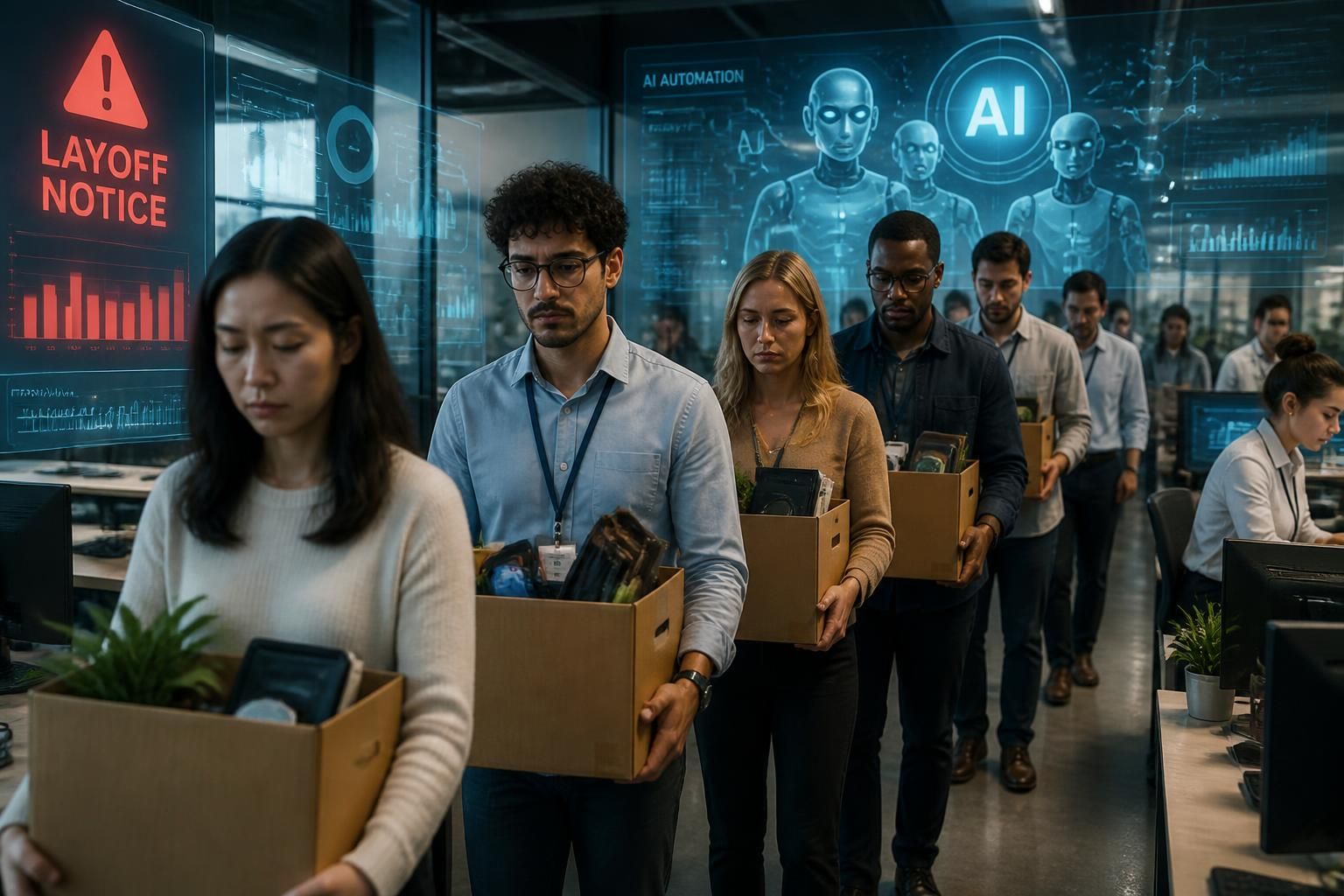
Automation Impact: Balancing Innovation and Employment Crisis
The rise of automation, powered by artificial intelligence, has undeniably reshaped operational models in the technology sector. Many enterprises leverage AI to handle routine tasks, from customer support chatbots to automated code reviews, freeing up human workers to focus on higher-value, creative endeavors. This structural shift can lead to increased productivity and innovation but also introduces significant challenges regarding employment levels.
The tension lies in reconciling the cost advantages of AI-enabled automation with broader societal consequences. Tech companies invest heavily in AI research and infrastructure, often within the framework of constrained budgets. Given the high ongoing expenses required to deploy advanced AI systems, firms sometimes reallocate resources by reducing their workforce. This decision can provoke industry-wide economic disruption, generating waves of job insecurity.
However, experts argue that not all layoffs attributed to AI represent a true substitution effect. Many are outcomes of overlapping factors such as slowing consumer demand, tariff impacts, and correcting excessive staffing levels from previous hiring booms. These dynamics indicate a multifaceted employment crisis rather than a straightforward technological displacement.
Understanding this delicate balance requires stakeholders—especially talent managers and policymakers—to assess how automation impact affects operational efficiency versus human capital development. Proactively planning workforce transitions, reskilling initiatives, and complementary roles alongside AI can mitigate adverse consequences.
The ongoing debate is well covered by reputable sources like AI-washing and the massive layoffs hitting the economy, offering nuanced insights into these interactions.
Industry Trends: Tech Layoffs Reach a New Scale
The 2026 surge in tech sector layoffs, driven substantially by AI-related restructuring, marks the largest volume of job cuts in recent years. According to TrueUp, a specialized recruiting platform, there have been an extraordinary 363 distinct layoff events within the industry this year alone. These cuts amount to approximately 974 job losses daily—44% faster than the previous year.
| 📅 Period | 🏭 Sector | 👥 Employees Affected | 💼 Primary Layoff Reason |
|---|---|---|---|
| H1 2026 | Technology | ~150,000 | AI adoption & overstaffing correction |
| May 2026 | Technology | ~40,000 | Automation impact on routine roles |
| Early 2026 | Technology | ~80,000 | Economic slowdown & workforce reduction |
The data above highlights the magnitude and frequency of these events relative to prior years, underscoring a critical industry trend. Most layoffs concentrate among mid-level technical and support roles susceptible to automation. Nevertheless, select AI insiders and specialists expand their positions or benefit financially, illustrating a growing wealth divide in the sector.
Moreover, the sector’s focus on investing in AI infrastructure sometimes correlates with cutbacks elsewhere. Oracle’s decision to lay off over 10,000 staff and redirect funds toward data centers and AI capabilities exemplifies this model.
Those interested in ongoing workforce shifts and their strategic underpinnings can refer to resources such as 2026 Tech Layoffs Near 150,000 as Companies Pour Money Into AI.
The Role of Overhiring and Economic Pressures Behind AI Layoffs
Underlying many workforce reductions in the tech industry is a common thread: overhiring during the pandemic years has created an inflated workforce that no longer matches present business realities. Companies rapidly expanded headcounts anticipating sustained growth, yet shifting markets and economic pressures have forced corrections.
Jack Dorsey’s comments about Block underscore this phenomenon. While AI provides tools to enhance productivity, the layoffs arguably address duplicative roles and operational inefficiencies stemming from past hiring strategies. Similarly, Marc Andreessen characterizes the present scenario as an industry-wide excess of staff by 25–75%, now reconciled through AI-related restructuring as a palatable explanation.
Economic pressure remains an essential aspect. Tariffs, commoditized product lines, and shifting consumer patterns depress company revenues, compelling tighter cost controls. AI investment competes with personnel expenses, often placing job cuts on the table to secure technological advantage.
This interplay suggests that attributing these workforce reductions solely to artificial intelligence misses broader economic forces driving technology sector employment changes.
For a detailed perspective on this complexity, readers may explore Why Today’s AI-Driven Layoffs Are Becoming Tomorrow’s Rehiring Crisis.
Best Practices for Navigating the AI Layoffs: Strategies for Organizations and Workforce
Given the ongoing unrest in the tech industry, companies and employees alike need actionable approaches to manage the evolving landscape. Successful navigation depends on understanding the intersection of automation disruption, economic realities, and human resource strategies.
Organizations should embrace transparent communication with employees regarding AI integration goals and their impact on staffing. Launching reskilling programs tailored to complement AI tools can preserve worker value and reduce attrition. Additionally, organizations can leverage hybrid models where routine tasks are automated but human oversight remains critical—safeguarding employment where possible.
Equally, employees must proactively seek continuous learning opportunities focused on AI literacy and adaptable skill sets. By aligning individual capacities with emerging technology demands, they can enhance career resilience despite the prevailing uncertainty.
Below is a practical list summarizing effective steps in addressing AI layoffs and fostering a sustainable workforce:
- 🔍 Conduct regular workforce assessments to identify redundancy risks due to automation.
- 📚 Implement ongoing employee training programs focused on AI and automation tools.
- 🤝 Enhance internal communication to clarify the role of AI in organizational changes.
- 💡 Develop hybrid work processes blending human expertise with AI efficiency.
- 🌐 Encourage collaboration between HR, IT, and operational teams for coordinated strategy.
This multifaceted strategy helps both contextualize the ongoing employment crisis and positions companies for improved resilience.
What are the main reasons behind AI layoffs in the tech industry?
AI layoffs in tech are driven by a combination of automation replacing routine tasks, pandemic-era overhiring, economic slowdown, and companies prioritizing investment in AI infrastructure over workforce size.
Is artificial intelligence solely responsible for job cuts in technology firms?
No, while AI contributes to changes in workforce needs, layoffs often also reflect economic pressures, market shifts, and corrective actions for overstaffing.
How can companies mitigate the negative effects of AI-driven layoffs?
Organizations can mitigate impacts by implementing transparent communication, investing in reskilling programs, and designing hybrid processes that integrate AI and human talents effectively.
Are AI specialists spared during these layoffs?
While many general roles are cut, demand for AI experts often grows, leading to increased wealth concentration among a small cohort of insiders in the technology sector.
What strategies should employees adopt to stay relevant amid AI advances?
Employees should pursue continuous learning in AI-related skills, embrace adaptability, and seek opportunities that complement automation to maintain career longevity.
