
Brief🖼️: The resignation of the Chief Operating Officer at the High Museum of Art has unveiled a $600,000 financial discrepancy, stirring significant debate on museum management and financial oversight. This development accentuates the necessity for robust internal controls within leading art institutions.
Understanding the Implications of the Chief Operating Officer’s Resignation at the High Museum of Art
The Chief Operating Officer (COO) of the High Museum of Art, Brady Lum, stepped down following an internal investigation that uncovered a financial discrepancy amounting to approximately $600,000. Lum, who had been with the museum since 2019, was responsible for broad oversight regarding planning, management, and control of the museum’s financial activities. Such a role demands rigorous trustworthiness and accountability, critical for maintaining the institution’s integrity and operational stability.
The Woodruff Arts Center’s Governing Board launched an independent review late last year after suspicions of financial irregularities surfaced. This investigation, led by an outside law firm, concluded that the unexplained funds had been misappropriated by Lum, who reportedly exploited his executive privileges to siphon money over several years. This breach of fiduciary responsibility not only challenges the museum’s leadership but stresses the vulnerability of art institutions to sophisticated internal fraud without stringent safeguards.
Instances like these underscore the urgent need for cultural organizations to implement comprehensive financial oversight mechanisms. Preventing such discrepancies begins with clear segregation of duties, routine audits, and transparent reporting systems. For museums striving to maintain public trust and donor confidence, swift accountability actions, such as the COO’s resignation and referral to the U.S. Attorney’s Office, serve as critical steps toward safeguarding assets and institutional reputation.
This situation also invites stakeholders to reflect on how leadership changes can disrupt or reinforce management practices within art institutions. A COO’s role encompasses not only financial stewardship but also operational governance that aligns with the museum’s mission and community commitments. Lum’s resignation places an immediate demand on the High Museum of Art to reinforce its executive management strategy, emphasizing resilience against both operational risks and reputational damage.
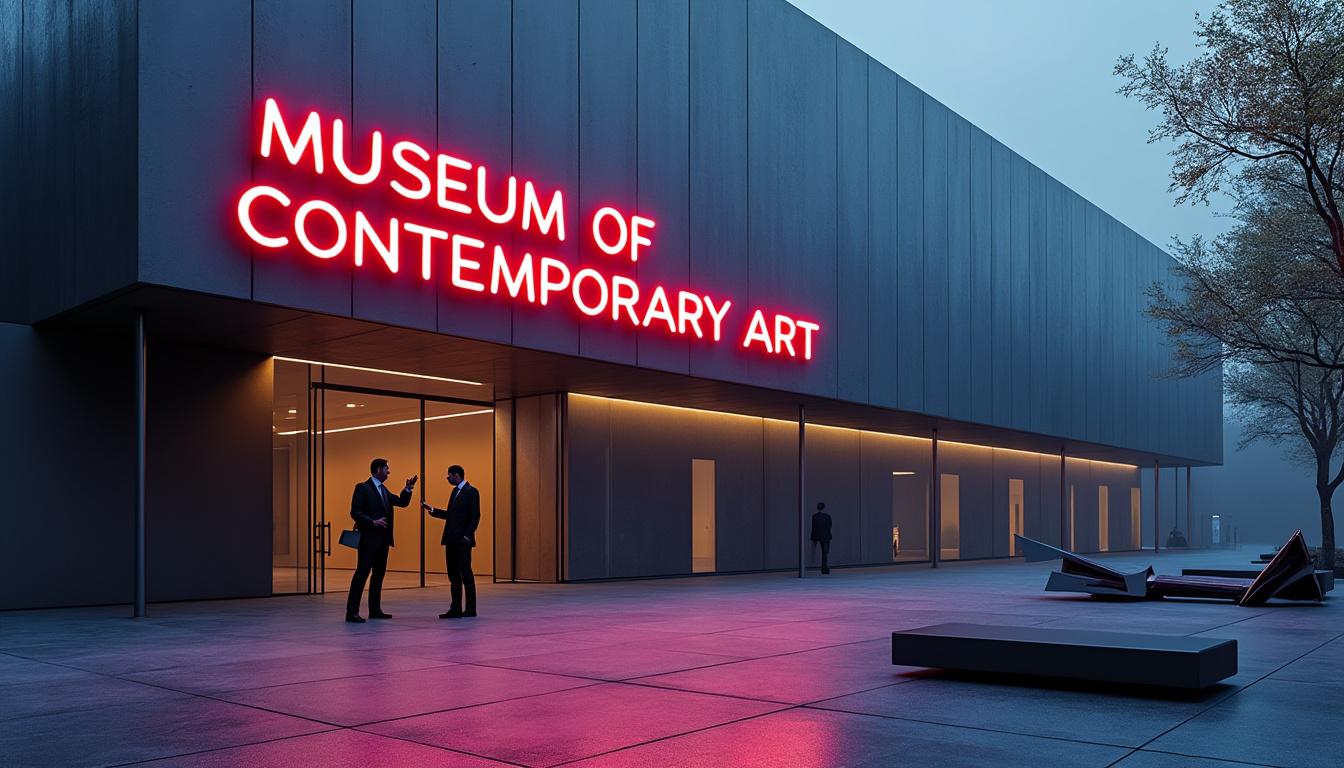
Financial Investigations in Art Institutions: Procedures and Consequences
Financial discrepancies at prestigious art institutions like the High Museum of Art demand thorough investigations combining legal scrutiny and forensic accounting. When irregularities come to light, a multi-step approach becomes necessary to protect both the institution and its stakeholders:
- 🕵️♂️ Immediate internal inquiry by executive committees or governing boards to understand initial scope.
- 🔍 External independent audits carried out by third-party forensic accountants to trace financial flows accurately.
- ⚖️ Legal review by law firms to assess potential breaches of law and recommend further action.
- 📤 Referral to appropriate authorities, such as the U.S. Attorney’s Office, for potential criminal prosecution when evidence points to fraudulent activity.
In the case of the High Museum of Art, the Woodruff Arts Center’s Governing Board acted swiftly to appoint both an external law firm and forensic auditors to dissect the problematic transactions. Their findings exposed the misuse of an executive role for personal gain, a scenario unfortunately common in multiple sectors but especially poignant within nonprofit cultural institutions.
Despite this turmoil, the organization affirmed that the financial stability of the museum and the broader Woodruff Arts Center remains intact. Such declarations are essential to reassure donors, patrons, and partners whose ongoing support is vital for sustaining programming and conservation efforts.
Moreover, the incident highlights the importance of ongoing financial education and compliance training for executives in cultural entities. Institutional awareness about risks, combined with proactive detection technologies — including automated transaction monitoring — can significantly reduce misuse potentials.
Leadership Change and Its Effects on Museum Management and Institutional Trust
The departure of a key executive, particularly the Chief Operating Officer, inevitably triggers ripples across museum management and institutional culture. The High Museum of Art’s experience illustrates how vital transparent governance and swift corrective measures are to restore confidence among staff, visitors, and the wider community.
Leadership change amid controversy tests the resilience of any art institution’s management. It demands:
- 🔄 Immediate interim leadership appointments to maintain operational continuity.
- 🔧 Review and revision of internal controls, policies, and financial procedures.
- 🗣️ Open communication with stakeholders to convey facts and rebuild trust.
- 📈 Strategic planning to mitigate future risks and strengthen executive oversight.
Remarkably, visitor reactions reflected nuanced understanding. While some expressed disappointment about the misappropriation of funds, others emphasized that this incident likely stemmed from individual misconduct rather than systemic failure. This distinction informs the broader narrative about safeguarding cultural treasures without unfairly tarnishing dedicated staff and institutional values.
Successful leadership transitions harness lessons from such crises to amplify governance frameworks. The continuity of mission-focused programming, donor engagement, and public outreach hinges on effective and ethical project management at the executive level.
Practical Measures to Strengthen Financial Oversight in Art Institutions
In light of the High Museum of Art case, tangible steps must be taken by museums and cultural organizations aiming to fortify their financial systems. These include the adoption of cutting-edge technological tools alongside traditional controls.
Key practices for robust financial management include:
- 💡 Installation of automated financial monitoring platforms to provide real-time analytics and flag peculiar transactions immediately.
- 👥 Segregation of duties to ensure no single individual can authorize and execute financial transactions independently.
- 📄 Frequent and unannounced audits by external auditors for unbiased verification of accounts.
- 🎓 Ongoing training focused on ethical standards and compliance for all managerial and financial staff.
- 🔐 Implementation of transparent reporting systems accessible to governance boards to guarantee oversight visibility.
Institutions should also consider digital solutions that enhance visitor engagement and transparency, such as Grupem’s guided audio technologies, which modernize the museum experience while creating broader awareness of institutional integrity. Moving beyond security, fostering a culture of openness and accountability is indispensable.
Table: Financial Oversight Practices for Museums and Art Institutions 📊
| Practice 🔍 | Description 📝 | Impact on Museum Management 🎯 |
|---|---|---|
| Automated Monitoring Systems | Software tools that track expenses and flag anomalies instantaneously | Improves transparency; reduces risk of prolonged fraud |
| Segregation of Duties | Separating authorization and payment roles | Minimizes opportunity for misuse of funds |
| Unannounced External Audits | Independent checks without prior notice | Enhances trust by verifying accuracy of financial reporting |
| Compliance Training | Regular education on ethics and regulatory standards | Reinforces responsibility throughout organizational levels |
| Transparent Reporting | Clear, timely financial reports accessible to boards | Enables informed decision making and accountability |
The Role of Public Perception and Media in Cases of Financial Discrepancy in Museums
The revelation of a financial discrepancy, especially involving a senior leader like the COO, inevitably influences public perception, donor confidence, and media coverage. How museums manage this narrative significantly affects ongoing community support and long-term reputation.
Patrons and the wider cultural audience value transparency and swift action when trust issues arise. The High Museum of Art and the Woodruff Arts Center responded by publicly confirming the findings and outlining remediation steps, which is vital to contain misinformation and speculation.
- 🔊 Proactive communication helps reassure donors that their contributions are safeguarded and that ethical stewardship remains a priority.
- 📰 Media monitoring allows institutions to correct inaccuracies promptly and present factual updates.
- 🤝 Engagement with community leaders and stakeholders fosters dialogue and strengthens institutional resilience.
Notably, visitor comments gathered during the incident emphasized nuanced reactions, with many distinguishing individual wrongdoing from institutional failure. Reinforcing such perspectives through consistent messaging helps maintain a balanced understanding of the museum’s strengths beyond the scandal.
For managers seeking to deepen their knowledge of cultural institution evaluations, exploring case studies such as the ongoing reform efforts at the Smithsonian can be insightful. Additionally, leveraging innovative tools featured by platforms like Grupem offers practical advantages in fostering transparency and improving visitor experience simultaneously.
