
Peu de temps ? Voici l’essentiel à retenir :
✅ Dell Technologies reported record fiscal 2026 revenue of $113.5 billion, driven by surging AI infrastructure demand.
✅ The company’s Q4 earnings showed a 39% revenue growth year-over-year and expanding profit margins despite industry challenges.
✅ Management anticipates continuing strong growth in AI-related revenues with a bold guidance for fiscal 2027 and further shareholder returns.
✅ Integration of AI into data center and cloud computing solutions is transforming Dell’s business model and market positioning.
Analysis of Dell Technologies’ Q4 Financial Results Revealing Revenue Growth and Profit Margin Trends
The fourth quarter financial results from Dell Technologies indicate a marked acceleration in revenue growth and improved profitability, underscoring its strategic positioning in the technology sector. Dell closed fiscal year 2026 achieving a monumental $113.5 billion in revenue, representing a 19% increase compared to the previous year—a figure exceptional in an otherwise turbulent macroeconomic environment.
This substantial revenue growth was most pronounced in the fourth quarter alone, where Dell reported a 39% increase to $33.4 billion. Such robust growth displays the company’s ability to capitalize on evolving market trends, especially as AI infrastructure demand becomes the dominant driver. Dell’s AI-related revenue streams are no longer peripheral but central to its overall financial health, highlighted by a 45% surge in non-GAAP diluted earnings per share (EPS) to $3.89 in Q4, outpacing expectations from financial analysts.
The profit margins, often a barometer for operational efficiency, demonstrated interesting dynamics. Even as Dell shifted its product mix toward AI servers, which typically exert downward pressure on gross margin rates, the company managed to grow its gross margin dollars to $6.8 billion. The gross margin percentage settled at 20.5% due to this mix shift, yet the overall profitability was sustained by meticulous cost management and scaling efficiencies. Operating expenses rose nominally by 5% to $3.3 billion, primarily attributed to variable compensation linked to performance, but as a percentage of revenue, these expenses actually contracted to 9.9%, reflecting disciplined expense control.
Such financial outcomes testify to Dell’s adaptive supply chain and operational resilience amidst global disruptions that continue to affect the broader tech hardware industry. The supply chain agility enabled timely fulfillment of AI infrastructure orders despite component shortages commonly reported in 2026.
The recorded operational income growth of 32% to $3.5 billion in Q4 further validates the firm’s strong execution on both revenue and cost fronts. This cash generation strength is pivotal for ongoing investments in technology, research, and shareholder value returns. Monitoring these financial trends informs stakeholders of Dell’s sustainable path in a fast-evolving tech landscape, positioning the company as a key player for smart infrastructure solutions.
How AI Infrastructure Catalyzed Dell Technologies’ Market Expansion and Order Growth
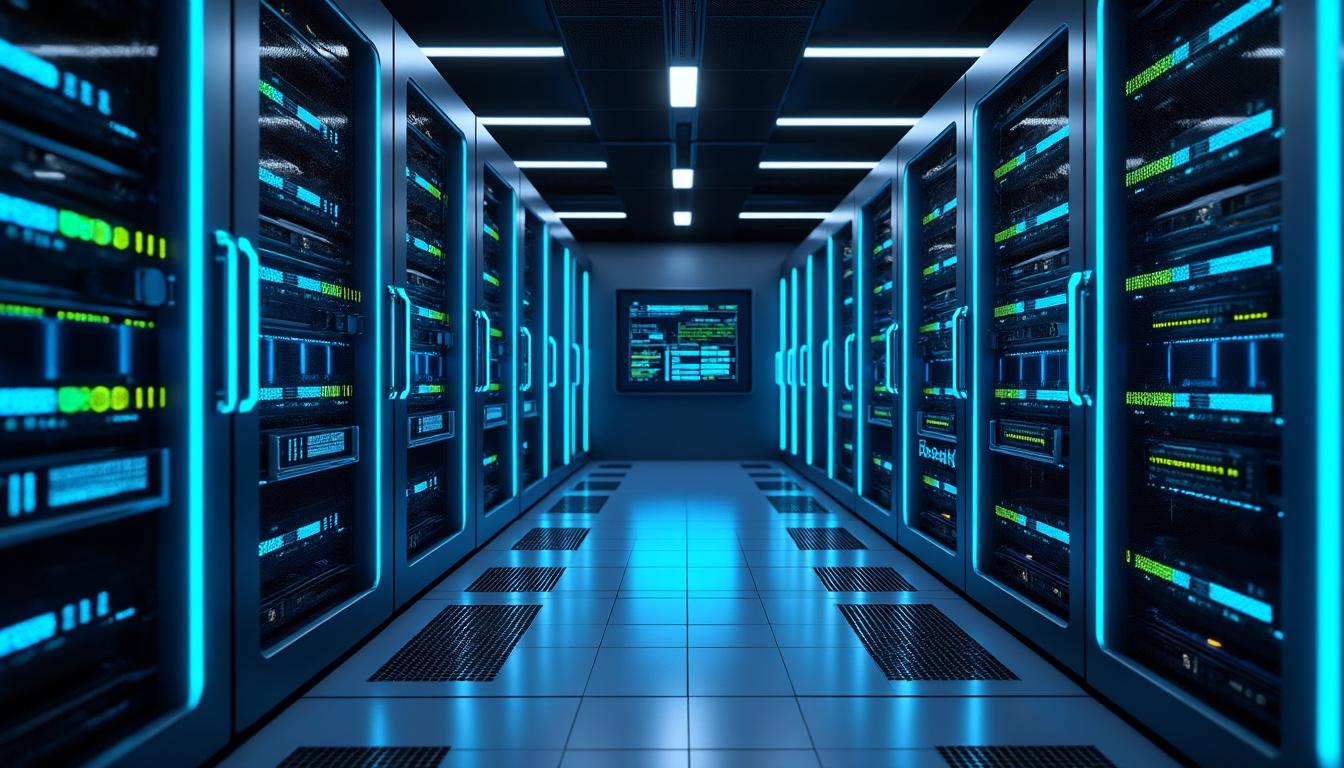
One of the most transformative elements discussed during Dell’s Q4 earnings call resides in the explosive demand for AI infrastructure. Dell reported that fiscal 2026 AI orders reached an unparalleled $64.1 billion, with $25.2 billion shipped throughout the year and a record backlog of $43 billion at fiscal year-end. This backlog demonstrates the sustained pipeline of demand crediting Dell’s leadership in provisioning AI-ready servers and solutions.
The AI infrastructure segment has evolved into a compelling growth engine, reshaping Dell’s product portfolio and market narrative. During Q4, the company booked $34.1 billion in AI-specific orders and shipped $9.5 billion worth of AI servers. CFO David Kennedy highlighted that AI server revenue alone hit $9 billion in the quarter, prompting Dell to explicitly separate AI server revenue within its server and networking division reporting, emphasizing transparency and scale.
This AI expansion is reflective of broader market trends across cloud computing and data center modernization, where enterprises increasingly require high-performance computing to power machine learning and deep learning workloads. Dell’s strategic investments in AI hardware compatibility and integration with software stacks allow it to capitalize on this dynamic shift.
To harness this growth, Dell has focused on several levers:
- 🌐 Developing modular, AI-optimized server platforms that facilitate scalable deployments.
- ⚙️ Enhancing supply chain responsiveness to meet escalating demands without compromising delivery timelines.
- 📈 Partnering with cloud providers and data center operators to embed their infrastructure at the core of emerging AI services.
- 🤖 Investing in AI software tools to complement hardware offerings and provide end-to-end solutions.
This comprehensive approach not only fuels revenue growth but also improves profit margins as AI servers typically command premium pricing due to their specialized capabilities. Dell’s pursuit of mid-single-digit operating margins on AI server revenue suggests promising profitability potential within this segment.
Industry observers seeking granular details on Dell’s AI momentum can access earnings call transcripts and reports for a deeper dive into this topic at Dell Technologies Q4 earnings transcript and financial analysis platforms.
Implications of Dell’s Fiscal 2027 Guidance Amid a Competitive Tech Market
Looking forward, Dell Technologies has provided ambitious guidance for fiscal 2027, setting the revenue target between $138 billion and $142 billion, with a midpoint estimate of $140 billion. This anticipates an impressive further expansion from the current fiscal year, reflecting management’s confidence in sustained market demand for AI-enabled infrastructure and services.
The non-GAAP EPS guidance is pegged at approximately $12.90, representing notable earnings growth, supported by operational efficiencies and expected margin improvement. Additionally, Dell announced a 20% increase in its annual dividend to $2.52 per share and authorized a $10 billion boost in share repurchase programs, underlining a commitment to returning capital to shareholders amid healthy free cash flow generation exceeding $11 billion annually.
Such financial stewardship museums confidence both with investors and institutional stakeholders. Managing the supply chain remains critical; Dell’s ability to uphold supply chain integrity while meeting high-volume, often complex AI server orders will be a significant success factor. The company is positioned to leverage emerging market trends in cloud computing, hybrid data centers, and edge computing, all essential to sustaining revenue streams and profit margins.
This outlook reflects a broader industry shift toward integrated, scalable infrastructure solutions that support next-generation applications such as smart tourism tools, intelligent audio devices, and other innovative services transforming customer experiences. The fiscal 2027 guidance provides clear indicators for market participants regarding Dell’s growth trajectory and strategic priorities heading into the mid-2020s.
Key financial targets for fiscal year 2027:
| Metric 📊 | Fiscal 2027 Projection 🔮 | Fiscal 2026 Actuals 🔍 |
|---|---|---|
| Revenue | $138–$142 billion | $113.5 billion |
| Non-GAAP EPS | ~$12.90 | $10.30 |
| Annual Dividend per Share | $2.52 (20% Increase) | $2.10 |
| Share Repurchase Authorization | $10 billion increase | $7.5 billion returned to shareholders in 2026 |
Stakeholders evaluating Dell’s future market position should consider the technology trends driving this optimism, particularly in the integration of AI within data centers and cloud environments.
Dell Technologies’ Strategic Role in Emerging Market Trends: Cloud Computing, Data Centers, and Supply Chain Innovation
Dell’s earnings call underscored the company’s multi-dimensional strategy to harness prevailing market trends, notably cloud computing and data center modernization, while maintaining supply chain agility amid ongoing global uncertainties. Cloud adoption growth accelerates demand for high-performance servers, and Dell’s tailored AI-ready infrastructure enables clients to manage increasingly complex workloads efficiently.
Supply chain innovation is another pillar of Dell’s success. The firm’s proactive approach to sourcing and logistics has mitigated many potential bottlenecks, ensuring continued product availability despite fluctuating raw material supply and geopolitical disruptions. Maintaining such operational flexibility in 2026 remains a vital competitive advantage in technology manufacturing.
Moreover, Dell continues emphasizing scalability and modularity in product design, aligning its offerings with customers’ evolving needs across hybrid cloud and on-premises environments. Integrating smart technologies such as AI and machine learning within servers allows businesses to improve operational efficiency, reduce latency, and enhance user experience—critical factors in sectors like smart tourism and interactive media.
Collectively, Dell’s approach reinforces its position as a crucial enabler of digital transformation across industries. Organizations leveraging Dell’s technology gain access to flexible infrastructure solutions that meet performance, security, and sustainability benchmarks required for modern operations.
- 🚀 Leveraging AI to scale data center capabilities for next-gen applications.
- 📦 Implementing agile supply chain practices to ensure uninterrupted service delivery.
- ☁️ Enhancing cloud computing compatibility for hybrid and multi-cloud deployments.
- 🔧 Offering customized hardware solutions to meet industry-specific needs.
- 🌱 Emphasizing sustainability in data center operations and product life cycles.
For those interested in further detailed disclosures and strategic insights, Dell Technologies maintains an extensive resource portal within its investor relations website.
Assessing the Impact of AI-Driven Demand on Dell Technologies’ Business Model and Market Position
AI’s rapid integration into business infrastructure is fundamentally altering traditional revenue streams and operational frameworks. Dell Technologies’ Q4 earnings and fiscal 2026 results exemplify the transition from conventional IT hardware to specialized AI infrastructure. This shift not only broadens the company’s addressable market but also demands agility in innovation and supply chain responsiveness.
The considerable $43 billion AI backlog entering 2027 signals a long runway of opportunity, reinforcing Dell’s role as a critical supplier in AI ecosystems. Furthermore, segregating AI-related revenue reporting demonstrates transparency and sheds light on the high-growth segment supporting future profitability.
Investments into AI-compatible hardware continue to pay dividends by attracting diverse customer bases, including large cloud providers, mid-size enterprises, and government agencies. This diversification reduces revenue concentration risk and aligns the company with cutting-edge trends shaping cloud computing and digital transformation globally.
However, such rapid growth also introduces complexities:
- 📈 Managing production scale without compromising quality or resource efficiency.
- 🔄 Adapting sales and marketing approaches to communicate AI infrastructure value effectively.
- 🌐 Navigating competitive dynamics in a landscape where customers demand integrated solutions.
- 💼 Reinforcing partnerships to strengthen supply ecosystem robustness.
- 🛡️ Addressing emerging security and compliance requirements inherent in AI data usage.
Understanding and proactively addressing these factors are critical for Dell’s sustained success in the global marketplace.
Incorporating artificial intelligence as a core component in infrastructure reflects Dell’s commitment to innovation, aligning with the company’s growth ambitions and delivering tangible shareholder value.
What were Dell Technologies’ key revenue figures in fiscal 2026?
Dell achieved $113.5 billion in total revenue for fiscal 2026, representing a 19% increase compared to the previous year.
How significant is AI infrastructure to Dell’s Q4 earnings?
AI infrastructure orders totaled $64.1 billion in fiscal 2026, with a record backlog of $43 billion, making AI the primary growth driver in Q4 earnings.
What guidance did Dell provide for fiscal 2027?
Dell expects revenues between $138 billion and $142 billion, with non-GAAP EPS around $12.90, alongside increased dividends and share repurchase authorizations.
How does Dell manage supply chain challenges affecting technology companies?
Dell employs agile supply chain strategies that optimize sourcing and logistics, ensuring consistent delivery despite global supply obstacles.
Why does Dell separate AI server revenue in its reporting?
Separating AI server revenue emphasizes the scale and profitability of this fast-growing segment, providing clearer insights into the company’s AI strategy and financials.
