
⚠️ The National Museum Cardiff is facing a building crisis that goes far beyond routine maintenance. Its director has described keeping the site operational from week to week as a “mini miracle”, while a large-scale repair programme, possible closure and the future of staff remain under discussion.
Key points at a glance:
- 🏛️ About £42.6m of maintenance work is outstanding at Cardiff Museum, including roughly £13m in urgent repairs.
- 🔧 A prolonged closure, potentially lasting several years, is being assessed as one route to complete critical repair work efficiently.
- 👥 The workforce and public access to the collections must be central to any redevelopment plan.
- 🎧 Digital interpretation and mobile audio can keep a cultural landmark visible even when galleries cannot welcome visitors.
Cardiff Museum’s Weekly Survival Highlights a Serious Critical Repair Crisis
The phrase weekly survival is unusually stark for a national cultural institution, yet it reflects the pressure facing National Museum Cardiff. Jane Richardson, director of Amgueddfa Cymru – Museum Wales, has indicated that operating the building week after week has become a small miracle because the required work reaches virtually every part of the site. This is not a narrow issue involving one exhibition room, a leaking entrance or a temporary technical fault. The repair challenges concern walls, ceilings, infrastructure and visitor spaces across a landmark building approaching its centenary.
National Museum Cardiff has a distinctive role in Wales: it combines internationally important art, natural history, archaeology and science collections within a major civic building in Cathays Park. The institution is not only an attraction for visitors. It is also a learning environment for schools, a research resource and a public space where residents encounter Welsh and global stories. When a building of this scale experiences structural decline, the consequence is broader than a disrupted visitor itinerary.
🏛️ The core issue is building condition, not the value of the collection. Museum Wales holds more than 5.3 million objects across its estate and collection centre, including around 40,000 artworks. These holdings need carefully controlled environments, safe handling routes and dependable storage. A weak roofline, unstable internal systems or water ingress can quickly become a collections-management risk, even before visitors notice a change in the gallery experience.
The reported maintenance backlog at Cardiff Museum is approximately £42.6m. Of that amount, close to £13m concerns work identified as urgent. These figures make clear why postponement is no longer a neutral choice. Deferred maintenance can compound: a small failure in drainage, ventilation or external masonry may create more expensive damage elsewhere. The museum’s brief closure for immediate maintenance in February 2025 illustrated how quickly operational pressures can demand action.
Why an ageing museum building requires specialist decisions
Historic museums are complex assets. Their architecture is part of their identity, but it was not designed around modern requirements for climate management, fire safety, accessibility, electrical capacity or digital visitor services. Heritage preservation therefore requires more than cosmetic restoration efforts. Teams must assess what can be repaired, what must be replaced, and how any intervention can protect the original character of the structure.
A practical example is a gallery ceiling above sensitive objects. Closing one room may allow a local repair, but the work can create vibration, dust or temperature changes that affect displays nearby. A whole-building programme can reduce repeated disruption, coordinate contractors and make safety planning more robust. However, it also requires much greater investment and may force a more substantial closure.
Critical repair decisions are therefore operational, financial and cultural decisions at the same time. The museum director must balance immediate safety with the long-term value of reopening a resilient, accessible venue. This is why a robust business case matters more than speculation about a closure date. It must define scope, costs, risks, visitor provision, collections protection and the staffing model needed throughout the works.
Readers seeking the official institutional context can review the National Museum Cardiff update from Museum Wales. The essential point is straightforward: waiting for a complete failure would be more costly, more disruptive and less responsible than planning a controlled intervention now.
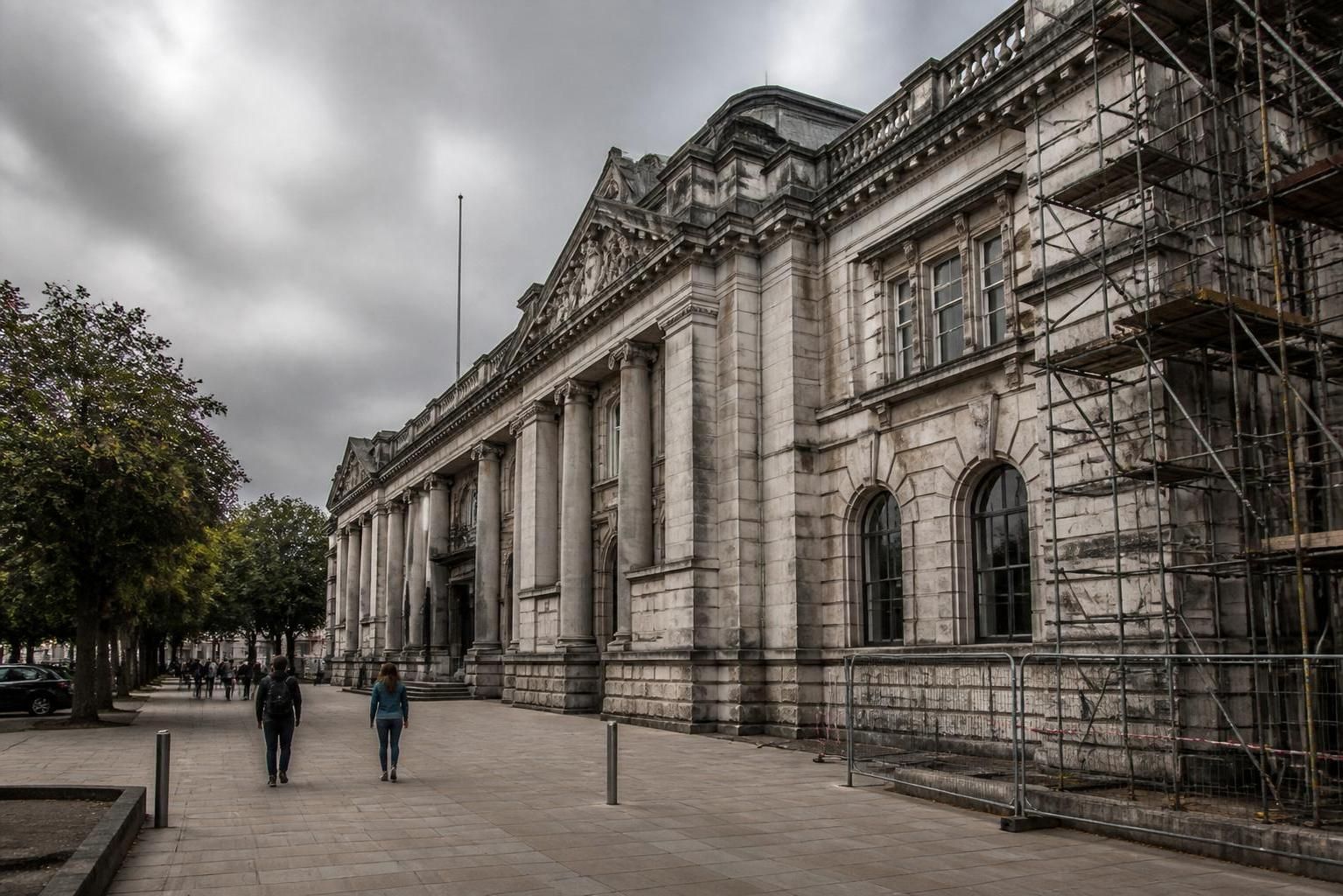
Repair Challenges at National Museum Cardiff Demand a Long-Term Restoration Plan
A multi-year closure has not been confirmed, but it remains a realistic option because the scale of the proposed intervention is so extensive. A four-year timeframe has been discussed publicly as a possibility, not as a final programme. That distinction matters. Prematurely presenting a scenario as a decision can amplify uncertainty for staff, local tourism businesses and families planning visits. The responsible next step is the development, assessment and approval of a full business case.
For a cultural landmark, the best repair sequence is not always the shortest visible programme. A piecemeal approach might keep some galleries open, but it can lengthen disruption over many years, increase contractor mobilisation costs and leave visitors navigating closures with limited warning. A planned full closure may be difficult, yet it can offer clearer safety controls, coordinated access to building systems and a better chance to deliver meaningful improvements in one programme.
🔧 The objective should be a building that is safe to operate, easier to maintain and fit for visitors for decades—not simply a temporary patch. This includes improving access routes, environmental controls, lighting, staff workspaces and the infrastructure behind exhibitions. These less visible systems often determine whether collections can remain safely displayed and whether a museum can deliver reliable events, talks and educational sessions.
| Repair area | Why it matters | Visitor and collection impact |
|---|---|---|
| 🏗️ Structural fabric | Supports safe walls, roofs and ceilings | Reduces risks from structural damage and unplanned room closures |
| 💧 Water and drainage systems | Prevents moisture entering heritage spaces | Protects artworks, archives and sensitive displays |
| 🌡️ Environmental controls | Stabilises temperature and humidity | Helps conserve collections while improving comfort |
| ♿ Visitor access | Updates routes, facilities and wayfinding | Creates a more inclusive experience for more audiences |
| 🎧 Digital infrastructure | Supports interpretation and communications | Enables flexible guides, multilingual content and off-site engagement |
The Welsh government has allocated up to £4.8m to support the most urgent improvement work and help safeguard national collections. This funding is important, but it should not be mistaken for a full answer to a backlog measured in tens of millions. It provides capacity to address immediate priorities while longer-term requirements are considered. Public funding decisions must demonstrate that the scheme is affordable, deliverable and proportionate to the museum’s national importance.
How restoration efforts can avoid repeating the backlog cycle
Restoration efforts are most effective when they include a lifecycle plan from the beginning. It is not enough to renovate a gallery and then defer inspections, cleaning and system renewals until another crisis develops. The business case should identify annual maintenance responsibilities, expected replacement cycles and the budget needed to keep the restored building in good condition.
Digital asset records can assist this work. A maintenance team can document inspection dates, reported faults, photographs, contractor actions and equipment warranties in one shared system. This does not replace skilled conservation or engineering expertise, but it makes priorities visible. When a facility manager can see recurring issues across rooms, investment decisions become more evidence-based.
There is a visitor-facing benefit as well. Clear notices on the website, timely updates through social channels and practical information for schools prevent confusion when routes or facilities change. A museum does not protect public trust by claiming everything is normal; it protects trust by explaining what is happening, why it matters and what visitors can still experience.
A successful redevelopment plan treats maintenance as a permanent service, not an emergency response. That principle will determine whether Cardiff Museum returns as a durable public asset rather than a recently repaired building with the same unresolved pressures.
Protecting Museum Staff and Public Trust During Cardiff Museum Closure Discussions
The building discussion cannot be separated from the people who operate the museum. The Public and Commercial Services Union, representing 188 employees, has called for guarantees that there will be no compulsory redundancies if the venue closes for repairs. Its concern is understandable: rumours of a long closure can produce prolonged anxiety when staff do not know whether their role, working location or future responsibilities will change.
👥 A museum redevelopment succeeds with staff, not merely around staff. Front-of-house teams understand recurring visitor questions, technicians know the practical constraints of galleries, and curators understand the handling requirements of collections. Their knowledge should inform programme design early, before plans are presented as fixed. Consultation must involve clear timescales, accessible documents and a genuine opportunity to shape operational decisions.
The uncertainty extends beyond permanent gallery staff. Schools depend on museum learning programmes; freelance guides may build itineraries around Cardiff; cafés, shops and nearby cultural partners benefit from museum footfall. Any temporary closure will change the local visitor economy. This does not mean needed construction should be avoided. It means the museum and public authorities need a transition plan that protects cultural access and gives partners reliable information.
What a responsible workforce plan should contain
A credible plan needs more than broad reassurance. It should identify which roles remain based at the museum, which may move to other Museum Wales sites, and which new roles could be created through collections digitisation, outreach, project coordination, conservation support or temporary programming. Richardson has stated that several options are being considered and that staff should be the first to hear what will happen. That commitment needs regular, specific communication as the proposal develops.
- 📅 Publish a clear decision timetable so employees understand when the business case, funding decision and operational plans will be reviewed.
- 🗣️ Hold structured staff briefings with opportunities for questions rather than relying on informal reports.
- 🎓 Offer retraining pathways for outreach, digital interpretation, collections support and project work.
- 🤝 Consult unions early on potential redeployment, workplace changes and job-security safeguards.
- 📍 Provide public updates that distinguish confirmed facts from options still under review.
The National Slate Museum in Llanberis offers a relevant Welsh example. It closed in 2024 for a £21m redevelopment and is expected to reopen in 2028. During that period, the organisation developed a “museum on the move” model, operating through three partner venues and bringing elements of the collection to events. This approach does not replicate the experience of visiting the original site, but it prevents a closure from becoming cultural silence.
For Cardiff, a similar model could combine temporary displays, school loans, pop-up object handling, talks in libraries and digital encounters. A curator could present a single painting in a partner gallery; a natural-history educator could take specimen-based sessions to schools; a digital producer could make an audio route around Cathays Park. Each activity should be labelled clearly as part of the museum’s continuing public programme, rather than as a substitute pretending to be the same experience.
Coverage of the debate has underlined the scale of the employment question, including this report on the director’s assessment of the Cardiff Museum repair situation. Public confidence will depend on two forms of stewardship: responsible care for the building and respectful care for the people who make it function.
Digital Access Can Keep Cardiff Museum Collections Present During Restoration Efforts
A temporary closure should not mean the disappearance of Cardiff Museum from public life. Richardson’s view that culture is not limited to four walls is especially useful here. Collections can travel physically, but they can also travel through well-designed digital formats. The strongest approach does not simply place a catalogue online. It creates meaningful encounters that fit how people learn, travel and listen.
🎧 Audio is particularly effective during a disruption period because it makes interpretation portable. A visitor can listen on a phone while walking through Cardiff, travelling by train or attending a pop-up display. Unlike a long written page, a short audio story can connect an object to a place, a community memory or an exhibition theme without demanding a formal gallery setting.
Imagine a family that had planned a weekend visit to the museum during construction. Rather than receiving only a closure notice, they could access a 45-minute self-guided route through Cathays Park. At key stops, their smartphones could play stories about the museum’s architecture, the civic institutions around it and objects normally displayed inside. A final stop at a partner venue could offer a small selection of real artefacts or a learning activity. This is not a replacement for galleries, but it is a practical bridge between closure and reopening.
Designing mobile interpretation for real visitor conditions
A good digital experience begins with simple operational choices. Content should work without specialist devices; visitors should be able to join using their own smartphones; and teams should avoid requiring a complicated app download for a one-off activity. QR codes, short web links and accessible audio pages can lower friction. For live groups, a smart audio-guide platform can enable guides to speak clearly to participants using their own headphones, even outdoors or in busy public spaces.
Accessibility must be planned from the first draft. Audio content needs transcripts. Videos need captions. Visual material needs meaningful descriptions. Routes should identify step-free alternatives, resting points, toilets and expected duration. Multilingual options can also broaden access for international visitors and local communities who do not use English as their main language.
Content governance matters just as much as technical delivery. Curatorial teams should approve factual narratives, educators should check age suitability, and community contributors should be credited where stories are shared. The useful question is not “Can the museum digitise everything?” It is “Which stories will give people a real reason to engage while the building work is underway?”
A phased content plan could begin with ten high-value objects, each paired with a two-minute audio story, an image description and one question for families or classrooms. It could then grow into thematic trails such as Welsh art, geology, dinosaurs, migration or the history of the building itself. By publishing at a sustainable pace, the museum avoids an expensive launch that cannot be maintained.
Institutions considering this approach can learn from broader discussions of how museums can remain connected to audiences during closures. The priority is not technology for its own sake. It is continuity: maintaining a clear relationship with audiences while physical access is constrained.
When digital interpretation is designed around listening, accessibility and simple participation, restoration work can become a period of expanded outreach rather than a complete pause in cultural engagement.
Heritage Preservation Must Keep Cardiff a Cultural Landmark Beyond the Building Works
The future of Cardiff Museum should be measured by more than the date on which construction ends. A national museum is a long-term public service, and its success after restoration will depend on whether people understand its relevance, can access it comfortably and find reasons to return. The repair programme offers an opportunity to improve the visitor experience, but only if heritage preservation remains connected to everyday public use.
🏛️ Preserving a cultural landmark means preserving its capacity to welcome different audiences. A repaired façade is important, but so are straightforward entry routes, calm spaces for sensory-sensitive visitors, accessible toilets, good seating, clear orientation and reliable information before a journey begins. These features often receive less attention than major architecture, yet they determine whether an individual visitor feels that the museum is genuinely for them.
Reopening plans should begin well before reopening day. Schools need advance booking information, tourism offices need accurate visitor details, and local businesses need notice to rebuild itineraries and package offers. A staged preview programme can help test operations: small guided tours for community groups, teacher familiarisation sessions, accessibility audits with users, and limited evening openings before the full launch.
Using the repair period to improve visitor journeys
Visitor journey mapping is a practical tool. Museum teams can follow the route of a first-time visitor from an online search to post-visit feedback. Where does uncertainty arise? Is it difficult to find opening times? Does a family know what is free? Can a wheelchair user identify the most suitable entrance? Is there an option for visitors who prefer an independent audio tour rather than a scheduled group?
Each answer can guide a modest improvement. Better pre-visit pages reduce avoidable calls. Clear digital maps make arrival easier. Audio tours can offer different durations for visitors with limited time, school groups or enthusiasts seeking deeper interpretation. Mobile technology should support human hospitality, not replace it. Staff remain essential for conversation, problem-solving and the sense of welcome that a screen cannot provide.
There is also an opportunity to make the repair story visible without romanticising the disruption. A small future display could explain the building’s construction, conservation decisions and engineering work. Visitors often value this transparency because it reveals the hidden labour required to keep public collections accessible. It also makes a powerful case for sustained investment in cultural infrastructure.
The national context reinforces that need. Museums across the UK are managing ageing estates, constrained budgets and changing visitor expectations. Cardiff’s situation is especially visible because of the building’s scale and status, but it is not isolated. The useful response is shared learning between museums, local authorities, funders, unions, accessibility groups and technology providers.
Public reporting has noted the urgency of the funding requirement, including analysis of the urgent repairs needed to keep the Cardiff site operating. That urgency should encourage careful planning rather than rushed decisions. A repair programme of this size needs transparent milestones, accountable funding and a public engagement strategy that continues throughout the work.
The enduring lesson is simple: heritage preservation is not about freezing a museum in time. It is about giving collections, staff and visitors the conditions to thrive well beyond the restoration period.
Is National Museum Cardiff definitely closing for four years?
No final closure decision has been confirmed. A prolonged closure, including a potential four-year scenario, is being considered because of the extensive repairs required across the building. A full business case must be developed and approved before a final decision is made.
How large is the Cardiff Museum maintenance backlog?
The reported maintenance backlog is around £42.6m, with approximately £13m identified as urgent work needed to support safe continued operation and protect the collections.
What will happen to museum staff if the building closes?
The PCS union has raised concerns about job security for its 188 represented members. Museum Wales has said that options, including possible new roles connected to the work, are being considered and that staff should receive information first.
Can visitors still access Cardiff Museum collections during restoration?
A closure of the main building does not have to stop public engagement. Museum Wales can use partner venues, travelling displays, school activity, digital collections and mobile audio experiences to keep stories and objects accessible.
