
Peu de temps ? Voici l’essentiel à retenir :
- ✅ The British Museum experiences unprecedented demand for Bayeux Tapestry tickets, with over 40,000 enthusiasts lining up online within 20 minutes of sales opening.
- ✅ Strategic ticketing and digital queue management are essential to enhance the museum visit experience for this cultural event.
- ✅ Managing ticket pricing, accessibility, and technological resources is critical to handle the global appeal of this historic exhibition without overwhelming infrastructure.
Exceptional Demand and Online Queue Management for Bayeux Tapestry Tickets
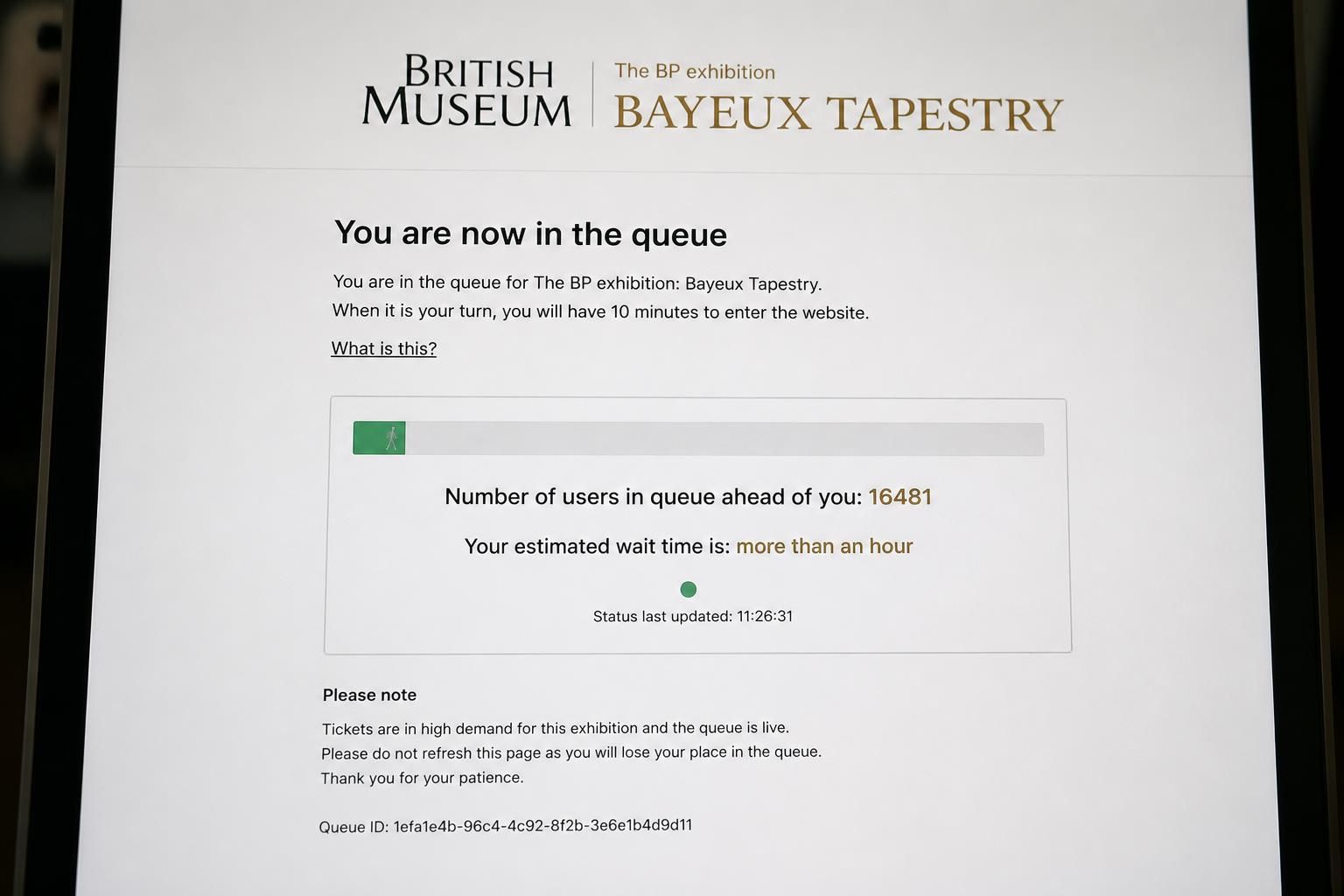
The release of tickets for the highly anticipated exhibition of the Bayeux Tapestry at the British Museum ignited an extraordinary surge of interest among history enthusiasts. Within just 20 minutes of ticket sales launching at 10:00 AM, nearly 40,000 people had joined the virtual queue, a volume of demand typically reserved for major concerts or global sporting events. This rapid influx of visitors created what the museum described as a “Glastonbury-style” online waiting room. Despite extensive warnings ahead of time urging participants to log in early, many found themselves tens of thousands deep in the queue shortly after the system opened.
This intense queueing scenario highlights the intersection between heritage events and smart tourism technologies. The British Museum’s approach to handling such massive traffic incorporated measures like automated queuing systems, dynamic wait time updates, and live messages advising patience due to heavy demand. However, users reported waiting for up to nine hours to complete their transactions, sparking concerns about website robustness and digital infrastructure capacity.
In the context of smart tourism, this situation underscores the importance of scalable, user-centric ticketing platforms. Indeed, events of this scale require real-time monitoring and adaptive backend support to ensure a seamless experience for visitors eager to secure tickets. Advanced queuing and load balancing technologies, coupled with pre-registration mechanisms, could improve throughput while enhancing overall satisfaction.
Moreover, the British Museum’s strategy of staggering ticket sales—offering additional opportunities in October and January—reflects best practices for reducing peak load and managing visitor expectations. This measured release rhythm allows more equitable access to the exhibition and helps site administrators anticipate and control visitor flow. These digital solutions are vital in safeguarding the historical artifact itself by preventing overcrowding which could compromise preservation conditions.
Consequently, this massive lining up for Bayeux Tapestry tickets not only spotlights the cultural artifact’s enduring global appeal but also challenges institutions to innovate ticketing and visitor engagement systems within smart tourism frameworks.
Securing Access to the Bayeux Tapestry Exhibition: Ticket Pricing and Availability Considerations
Proper ticket management for prestigious cultural events involves balancing accessibility and funding. The British Museum’s ticket pricing strategy for the Bayeux Tapestry exhibition was designed to reflect the substantial costs related to staging this rare showing, while maintaining inclusivity for younger audiences. Peak tickets are set at £33 for adults, generating potential revenue exceeding £8.6 million, which is instrumental in covering the considerable expenses of this one-time exhibition running from September 10, 2026, to July 11, 2027.
It is important to note that the exhibition offers tiered pricing, with off-peak tickets available at £27 and free admission for children under 16 years old. This pricing model aligns well with modern approaches to tourism accessibility, ensuring that the cultural heritage preserved in this historical artifact can be appreciated by a broad demographic without economic barriers for younger visitors.
The British Museum’s Director, Dr. Nicholas Cullinan, defends this pricing by pointing out the exhibition’s complexity and the associated costs to guarantee proper conservation, security, and visitor experience. Unlike the earlier £12 ticket price charged at the tapestry’s home in Normandy, this fee structure supports the logistical demands and the extended length of the UK showcase.
However, such high demand and premium ticket prices can lead to unintended challenges, such as the rush and frustration experienced during initial ticket releases. These challenges emphasize the necessity for museums and event organizers to optimize digital ticket sales, employ effective communication strategies, and anticipate visitor needs. For example, providing transparent wait time updates and clear guidance on the availability of subsequent ticket batches helps maintain trust and reduces the stress linked to procurement.
Ultimately, the pricing and sales approach reflects a sophisticated understanding of heritage tourism economics and audience segmentation that other cultural institutions may consider as a best practice framework.
Preserving and Transporting the Bayeux Tapestry: Challenges Behind the Scenes
The forthcoming exhibition represents much more than a museum visit: it is the culmination of a complex conservation and logistics effort to relocate the delicate Bayeux Tapestry from Normandy to London. As a fragile textile dating back to the 11th century, the tapestry demands extraordinary care during transport to avoid damage from vibrations, shocks, or environmental variations.
Two test runs were executed to assess vibration exposure along the transportation route, which involved moving the tapestry by road to the Eurotunnel, then transporting it on a dedicated train carriage guarded by conservators and accompanied by a police escort. This elaborate journey is a testament to the meticulous planning required for safeguarding a historical artifact of such significance and fragility.
Further complexity stemmed from legal challenges and cultural sensitivities surrounding the loan. French heritage groups questioned the authorization behind the loan, appealing to France’s Conseil d’État, which underscores the tapestry’s emblematic nature and the protective instincts that accompany national treasures. Despite these hurdles, the exhibition proceeds as a rare act of cultural diplomacy, highlighting cooperative heritage stewardship between France and the United Kingdom.
This extensive effort to protect the tapestry during its physical move mirrors contemporary advances in smart tourism where digital monitoring and real-time data gathering are used during exhibitions to optimize conservation. Technologies such as environmental sensors, adaptive lighting, and audience density controls ensure the artifact’s condition remains stable throughout the display period.
These preservation strategies exemplify how heritage institutions now integrate technological innovations to protect treasures while making them accessible to a broader public through spectacular exhibitions.
Enhancing Visitor Experience During the Bayeux Tapestry Exhibition with Smart Tourism Technologies
For an exhibition attracting tens of thousands of visitors, delivering a modern, enriching, and accessible experience is paramount. Smart tourism solutions play a vital role in achieving this goal by leveraging mobile technology, audio guides, and real-time information systems. The British Museum, known for embracing innovation, integrates digital audio experiences that transform any smartphone into a professional guide, facilitating active engagement with the tapestry’s rich history.
For example, apps like Grupem empower visitors to explore the Bayeux Tapestry in detail at their own pace, supplementing the static exhibition with multimedia commentary, interactive maps, and curated narratives. This approach alleviates crowding challenges, improves accessibility for diverse audiences, and enhances comprehension without increasing physical touchpoints, a key consideration for preventing wear on the artifact.
Implementing real-time crowd analytics also aids museum staff in optimizing visitor flow during peak times, which minimizes bottlenecks and creates a safer environment. Signage integrated with digital displays communicates live updates on visitor density and waiting times, enabling a smooth and flexible museum visit.
Furthermore, embracing multilingual digital content opens the storytelling of the tapestry to a global audience, enriching cultural dialogue and appreciation. Accessibility features such as audio descriptions for visually impaired visitors and captioning for hearing-impaired guests enhance inclusivity.
Thus, integrating smart tourism technology in this exhibition exemplifies best practices in balancing tradition and innovation to foster a rewarding cultural experience that resonates with the modern visitor.
Ticketing Strategies and Practical Tips to Secure Access to the Bayeux Tapestry Exhibition
Purchasing tickets for high-demand cultural events like the Bayeux Tapestry required strategic preparation and awareness of best practices. While the initial surge overwhelmed the ticketing platform, there are actionable guidelines visitors and organizers alike can apply to streamline the process.
- 🕘 Log in early: Visitors are advised to connect to the ticketing website several minutes before the sale time to be assigned a favorable place in the queue.
- 📱 Use reliable internet connections: Stability during the purchasing process reduces dropout risks and errors.
- 🔄 Be patient with the queue: The British Museum recommended waiting despite the pauses indicated, as persistence generally leads to ticket acquisition.
- 📆 Plan for off-peak tickets: Opting for less popular time slots can increase chances of availability and reduce prices.
- 📅 Check for future sale dates: Additional tickets will be released in October and January, offering multiple opportunities for acquisition.
- 🧒 Children under 16 enter free: Families should factor this into planning visits to maximize access for young enthusiasts.
Organizers can take this opportunity to incorporate advanced digital queue management and automated notifications to keep attendees informed effectively. Leveraging integrated communication channels helps distribute demand more evenly and enhances overall satisfaction.
| 🎟️ Ticket Type | 💷 Price | 📅 Validity Period | 🧒 Child Policy |
|---|---|---|---|
| Peak Adult | £33 | Prime visiting hours | Free under 16 |
| Off-Peak Adult | £27 | Less busy periods | Free under 16 |
| Children | Free | All exhibition dates | All under 16 |
For more details about tickets and purchasing, potential visitors may consult official platforms such as the British Museum ticketing website or explore specialized guides like the Bayeux Tapestry tickets guide.
When does the Bayeux Tapestry exhibition open at the British Museum?
The exhibition runs from September 10, 2026, to July 11, 2027, offering a rare opportunity to see the tapestry on British soil.
What causes the long waiting times for ticket purchases?
The overwhelming international interest caused unprecedented traffic on the ticketing website, creating virtual queues and delays of up to nine hours during peak purchasing periods.
Are children allowed free entry to the exhibition?
Yes, all children under the age of 16 can enter the exhibition free of charge, making it an accessible cultural event for families.
How is the Bayeux Tapestry transported safely to London?
The tapestry is moved in a specially designed environment with conservators and legal escorts, using test runs to ensure vibrations and environmental risks are minimized during transport via road and Eurotunnel.
What technologies enhance the visitor experience during this exhibition?
Smart tourism innovations include digital audio guides accessible via smartphone apps like Grupem, real-time crowd monitoring, and multilingual interactive content to engage diverse visitors effectively.
