
Kenjiro Tsuda’s TikTok Lawsuit Puts AI Voice Cloning Under Scrutiny
Japanese voice actor Kenjiro Tsuda, known for roles in Jujutsu Kaisen and Yu-Gi-Oh!, has brought a lawsuit against TikTok over videos he says used an AI-generated imitation of his distinctive baritone voice. The dispute asks a practical question with implications well beyond anime: what should a platform do when a recognizable performer says an account is using a synthetic version of their voice without permission?
According to reporting on Tsuda’s legal challenge, the contested videos appeared on an anonymous account whose profile image resembled a character he voices. The posts reportedly paired images with narration about conspiracy theories, occult subjects and urban legends. That combination matters because the voice and visual reference could lead viewers to connect material Tsuda did not perform with a role they already know.
Tsuda’s claim is not simply that someone recorded a low-pitched narrator. His lawyers argue that the account benefited from a vocal identity associated with years of professional work. TikTok, according to court records cited in reports on the case, disputed that characterization and described the sound as a “generic male voice,” with any perceived resemblance open to interpretation.
That disagreement places the listener’s experience at the center of the case. A voice can be recognizable through its rhythm, texture, pronunciation and delivery, even when no name appears on screen. Yet those qualities must still be distinguished from traits shared by many speakers. A familiar-sounding clip is a reason to investigate, not proof by itself that AI voice cloning occurred.
Reports about the complaint say the account attracted more than 200,000 subscribers and may have generated over ¥500,000 per month. These are allegations associated with the dispute, not independently established earnings. If the court accepts that a recognizable imitation helped draw an audience, however, the account’s reach could become relevant to the claimed commercial use of Tsuda’s identity.
The case has attracted particular attention in Japan because anime performers often have public followings independent of the characters they play. Fans may seek out interviews, event appearances and audio performances specifically for an actor’s voice. For a performer, an unauthorized imitation can therefore affect more than one clip: it may blur the boundary between licensed work, fan creation and paid exploitation.
As coverage of the Tokyo court proceedings indicates, Tsuda’s lawyers have sought action over videos they say TikTok should have removed. Reports have described the matter as an apparent first-of-its-kind Japanese case involving an AI copy of a person’s voice. Its significance will depend on the court’s actual reasoning, not only on whether the particular account remains visible.
For anyone commissioning narration, the immediate lesson is narrower and more useful than a prediction about the verdict. If a voice is valuable because audiences associate it with a person, treating it as interchangeable audio creates legal and reputational risk. The next issue is how identity, consent and platform responsibility fit together.
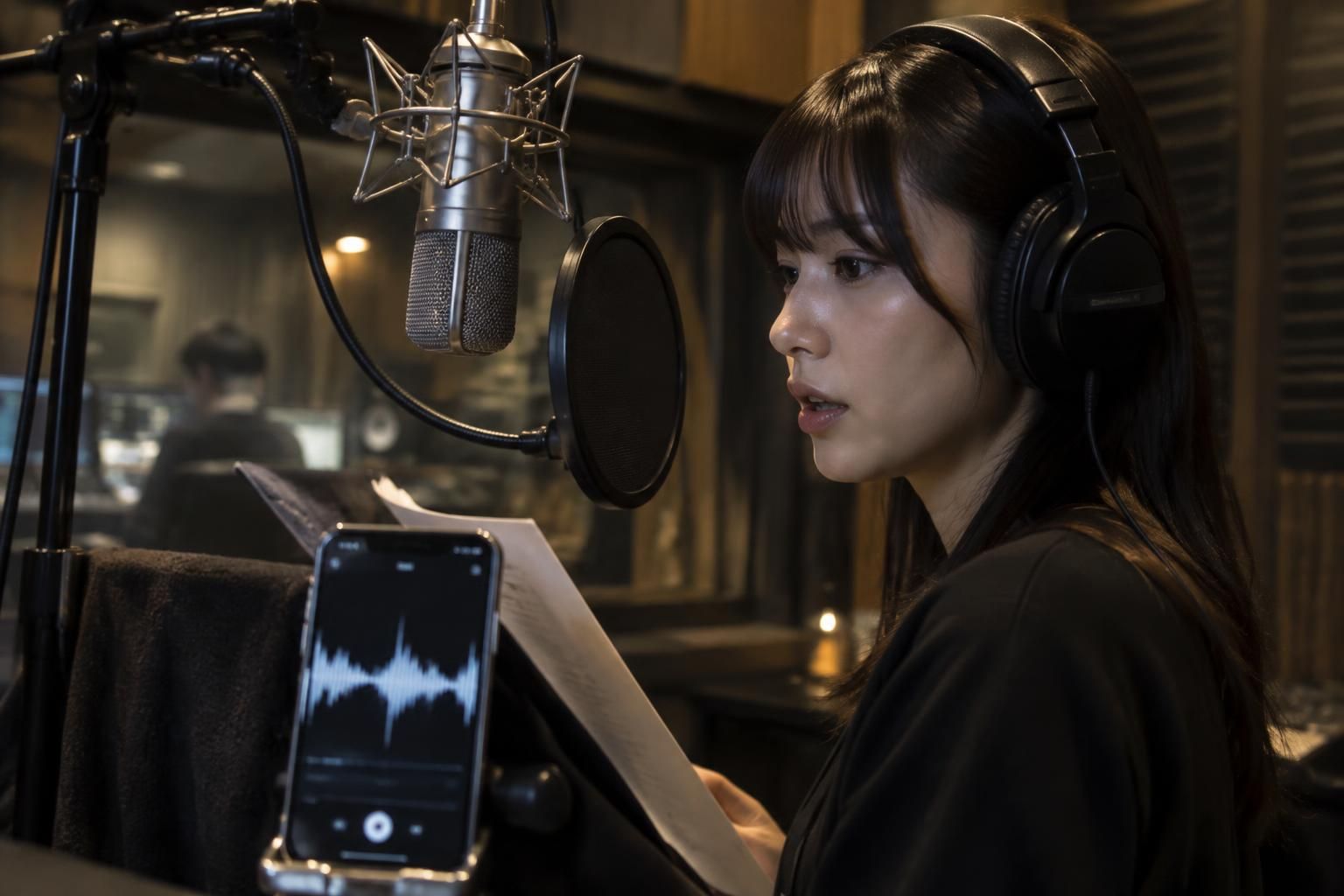
Why the Baritone Voice Dispute Matters for Voice Rights in Japan
Tsuda’s lawsuit raises a distinction that is easy to miss: a recording and a voice are not the same thing. Someone can avoid copying an existing audio file yet generate new speech designed to evoke a particular performer. That is why arguments about copyright alone may not answer every question raised by deepfake audio.
His lawyers have reportedly relied on publicity rights, which concern commercial control over aspects of a person’s identity. Their argument is that an account should not be able to attract attention or revenue through an unauthorized vocal imitation associated with a well-known actor. Whether those rights apply to the specific audio and platform conduct in this case is for the court to determine.
Other areas of law may address different harms. Copyright and related intellectual property rules can protect recordings or performances in defined circumstances, while privacy, consumer-protection or unfair-competition rules may become relevant to misleading uses. None of these categories automatically means that every similar-sounding voice is unlawful; the facts of creation, presentation, consent and commercial use matter.
Consider two hypothetical museum projects. One hires a narrator with a naturally deep voice to explain a samurai exhibition without referencing any celebrity. The other advertises a generated guide as sounding like a famous anime performer and uses character imagery to reinforce that impression. Both contain low-pitched speech, but only the second deliberately builds its appeal around another person’s identity.
Context also changes what an audience is likely to believe. A recognizable character picture beside synthetic narration may function as a cue even if the caption never names the actor. When the subject matter is sensational, the potential harm includes false association: a viewer may assume the performer endorsed, recorded or knowingly lent credibility to claims they had no role in making.
Japan Actors Union executive director Yuko Sasaki has emphasized the training and investment behind a professional voice, according to reports citing AFP. That point is economically relevant as well as personal. Voice actors refine breath control, timing, emotional range and character interpretation over years; a short synthetic sample can appear to reproduce the finished sound without reproducing the work that developed it.
Veteran actor Michihiro Ikemizu has also defended the importance of a performer’s ability to feel and adapt during a role. A generated line may resemble an actor in isolation, but resemblance does not supply judgment during a live direction session or a changing dramatic scene. Protecting consent need not require pretending that a clone and a human performance are equivalent.
For cultural organizations, the safest working distinction is between a voice licensed for a defined project and a voice merely available for technical imitation. A contract should identify the intended recordings, languages, distribution channels, duration of use and any permission to create synthetic variations. The dispute over Tsuda’s baritone shows why those details deserve attention before an audio guide or promotional clip goes live.
How TikTok and Other Platforms Can Assess Deepfake Audio Complaints
A platform receiving a voice-cloning complaint faces two competing risks. Removing speech solely because it sounds familiar can sweep up legitimate narrators, impressions and commentary. Ignoring a detailed report, on the other hand, can allow misleading content to keep circulating while the person allegedly imitated has little control over its reach.
A workable review starts with the entire post, not an audio clip in isolation. Investigators can examine the account name, profile image, captions, hashtags, linked products and any claims about who is speaking. If a channel uses a character associated with a performer, those visual signals may help explain why listeners interpret the narration as an imitation rather than an unrelated male voice.
Audio comparison is useful, but it should be handled carefully. A reviewer can compare pacing, characteristic pauses, vowel shaping and repeated vocal features across several samples. Automated detectors may add a signal, yet compression, background music and editing can reduce their reliability. Neither a detector score nor a listener’s first impression should stand alone as the decision.
Provenance can provide stronger context. A platform may ask whether the uploader can identify the narrator, explain how the audio was produced or show permission for a named performer’s likeness or voice. Those requests must be proportionate: a creator using their own speech should have a reasonable way to respond without surrendering unnecessary personal information.
The distinction between removing a post and addressing its copies is important. Even when an original account disappears, saved videos, reposts and excerpts may remain searchable elsewhere. A complaint process should therefore preserve the reported links, timestamps and relevant evidence, so an appeal or follow-up review does not depend on a page that has already vanished.
Organizations can make a credible report more actionable by documenting what they observed before contacting a platform. A practical evidence file might contain:
- 🔎 Exact post links and capture dates, rather than a description of an account alone.
- 🎧 Short comparisons identifying the vocal features that raise concern, without claiming certainty from sound alone.
- 🖼️ Screenshots of profile images, captions or promotions that imply a connection to the performer.
- 📄 The relevant permission records, if the complainant controls or represents the voice being referenced.
- ⚠️ A clear explanation of possible audience confusion, impersonation or commercial use.
For a guide or museum team that discovers a suspicious clip promoting a tour, this method is faster than arguing in public comments. It helps the platform identify the content and assess the alleged harm. It also reduces the chance of amplifying the misleading post through a poorly planned response.
Reporting guidance on recognizing AI-enabled digital scams can help teams train staff to check identity cues rather than trusting a familiar voice. The same discipline applies when the content is not an outright scam: verify who made it, what it claims and whether the supposed speaker agreed to participate. The useful standard is documented review, followed by a decision the affected parties can understand.
What Museums and Guided Tours Can Learn From the AI Voice Cloning Lawsuit
Voice technology can make cultural interpretation easier to distribute. A museum may need several language versions of an exhibition script, while a walking-tour operator may need to correct a route at short notice. Synthetic narration can be useful in those situations, but speed does not replace permission, quality control or a clear account of what visitors are hearing.
Imagine a small museum preparing an anime-focused temporary exhibition. It commissions an English audio guide and asks a supplier for a “famous Japanese voice actor” sound to make the tour more engaging. That brief is a warning sign: it points toward a recognizable person without establishing a license, and it invites the supplier to solve a branding request through imitation.
A better brief describes the experience rather than a celebrity. The museum could ask for warm, measured delivery, clear pronunciation of character names and an accessible pace for visitors using headphones in a busy gallery. A human actor could perform it, or the organization could select a synthetic voice whose provider has documented the rights and allowed uses.
Consent must be specific when a real performer agrees to digital reuse. Permission to record one gallery introduction does not necessarily authorize training a model, generating future scripts or using the voice in advertisements. A contract should separate those activities, set approval procedures for new material and explain what happens when the exhibition closes or the agreement ends.
The workflow also needs a human listening stage. Proper names, dates and culturally specific terms can be mispronounced even when the voice sounds polished. Staff should test the finished guide in the actual setting: near entrances, in crowded rooms and with the devices visitors will use. A technically impressive baritone voice is of little value if instructions are unclear.
For teams planning smartphone-based visits, tools such as Grupem can be considered within that broader workflow: organize the tour, deliver accessible audio and keep revisions manageable without treating a cloned celebrity voice as a shortcut. The practical priority is a visitor who can hear, follow and trust the guide. Good audio mediation depends on clarity and rights management as much as on the sound of the narrator.
The following checks give a museum, tourism office or tour organizer a usable starting point before publishing narration:
| Check | Question to ask | Action |
|---|---|---|
| 🎙️ Voice source | Who supplied or performed the voice? | Record the provider and supporting permission. |
| 📄 Usage rights | Does consent cover AI generation and promotion? | Separate recording, cloning and advertising permissions. |
| 👂 Visitor clarity | Can guests understand the guide on site? | Test pace, names and volume in real conditions. |
| 🔄 Updates | Who approves a revised script? | Assign an editor and retain approved versions. |
| 🪧 Disclosure | Could visitors mistake the voice for a named person? | Label synthetic narration where that distinction matters. |
Teams comparing production options can use a guide to AI voice cloning tools and their practical uses as a prompt for supplier questions, not as a substitute for a contract. Ask where source recordings came from, whether performers consented to model training and how generated files are stored. The strongest visitor experience begins with a voice the organization is entitled to use.
AI Ethics, Energy Use and the Wider Impact on Performers
Tsuda’s case sits within a wider argument about who receives the benefits of synthetic media and who carries its costs. A platform can gain engagement from a popular clip, a creator may gain an audience, and a voice-model supplier may gain customers. The performer being imitated may receive none of those benefits while facing confusion about what they supposedly said.
That imbalance explains why consent is an AI ethics issue, not merely a contractual detail. Permission given for a studio recording should not silently expand into permission for unlimited generated speech. A fair arrangement identifies the purpose of use, pays the performer on agreed terms and gives both sides a procedure for handling material that falls outside the original brief.
Disclosure addresses a different problem: the audience’s ability to judge a message. Labeling a voice as synthetic does not cure unauthorized imitation, but it can prevent visitors or viewers from assuming a person delivered the lines. Where a recognizable character image or performer reference appears alongside generated speech, a vague label may be insufficient to correct that impression.
The issue crosses industries. Screen actors, musicians, presenters and tour narrators all work with voices that can become commercially distinctive. Disputes involving performers elsewhere show why Hollywood’s voice-cloning debate is relevant to an anime case in Japan: the technology moves easily across borders, while contracts and legal protections vary by place.
Environmental costs deserve a place in procurement decisions as well. Voice-generation services rely on computing infrastructure, and data centers can use substantial electricity and water. The impact of a particular audio project depends on the model, provider and scale of use; it should not be exaggerated from one short recording. Still, repeated generation of files nobody needs is avoidable.
A cultural organization can respond without abandoning useful technology. Finalize scripts before producing multiple voice versions, retain approved files instead of recreating them for every minor request, and ask suppliers for credible information about their computing and energy practices. AI can also support energy systems in other settings, so a responsible assessment looks at the specific service and its use rather than assigning one fixed environmental outcome to every application.
Human performance remains important for reasons that are audible on a tour. A guide can change emphasis when visitors react, pause for an unexpected interruption or answer a question with sensitivity to place and context. Synthetic speech may serve a prepared route well, but it does not independently make those interpretive judgments. The choice should follow the needs of the experience, not a promise that one format will replace every other.
The Tsuda dispute therefore offers organizations a concrete decision rule: identify the source of a voice, obtain permission for the exact use planned and check whether the presentation could mislead listeners. Those steps support performers while leaving room for accessible, well-designed digital audio. In a crowded media environment, trust is easier to preserve before publication than to rebuild after an unauthorized voice has spread.
What is Kenjiro Tsuda suing TikTok over?
Tsuda alleges that videos on the platform used an AI-generated imitation of his distinctive voice without permission. His complaint also raises the question of whether TikTok should have removed the reported content.
Does a deep voice alone prove AI voice cloning?
No. A low pitch is shared by many speakers. Investigators also need to consider vocal characteristics, the post’s visual and written context, how the audio was made and any available permission records.
Can a museum use an AI-generated voice in an audio guide?
Yes, provided the organization has appropriate rights to use the voice and its source material, reviews the finished narration and avoids implying that an identifiable performer participated without consent.
What should you record if you find a suspected voice impersonation?
Save the post links, capture dates, relevant screenshots and a concise explanation of the suspected imitation. Keep permission documents available and report the material through the platform’s established process.
