
⚠️ Key update: WNDR Museum has announced the Closure of its Boston and Chicago Museum Locations, marking a significant change for visitors, artists, tourism partners, and local cultural programming. The decision affects two sites that helped popularize large-scale, participatory Art Exhibits designed for social, visual, and sensory engagement.
What matters now:
- 📍 Visitors should verify final opening dates, ticket policies, and event details through the official WNDR Museum website.
- 🎨 Cultural organizations can use this moment to review how temporary immersive formats support audiences beyond the physical venue.
- 🎧 Guides and museums should protect the stories, artist context, and accessibility features that make an Interactive Experience meaningful.
WNDR Museum Closure Brings Boston and Chicago Immersive Art Experiences to an End
The WNDR Museum Closure in Boston and Chicago ends a visible chapter in the growth of immersive, audience-led cultural venues. Built around installations that invited visitors to touch, move, photograph, listen, and experiment, WNDR positioned itself beyond the traditional museum model. Its spaces were designed around participation rather than quiet observation, with visitors becoming part of the visual result.
The Chicago site opened in 2018 and became the original reference point for the brand’s approach to interactive art. Boston followed as WNDR expanded its concept into another major urban tourism market. Each location combined digitally enhanced environments with tactile works, light-based installations, mirrors, sound, projection, and audience-responsive displays. For many visitors, the attraction was not only the artwork itself but the ability to share a personal interpretation in real time.
According to the company’s public communications, the closure has been framed as a final chapter after years of creativity, curiosity, and connection. The public message from WNDR Museum emphasizes the role of artists, creators, staff, and guests in bringing the locations to life. That language is important because immersive venues depend heavily on operational teams: front-of-house staff, exhibition technicians, visitor-experience teams, artists, photographers, educators, and local suppliers all contribute to what the public sees as a seamless visit.
For Boston and Chicago, the news is also a reminder that an immersive attraction is a complex business model. These venues require regular technical maintenance, careful crowd circulation, content refreshes, staff training, safety checks, cleaning between visitor groups, and a strong digital booking journey. A visually compelling exhibition can attract attention on social media, but long-term viability also relies on repeat visitation, pricing clarity, local partnerships, accessible design, and the ability to renew the visitor proposition.
Consider a typical weekend guest: a family arrives with a timed ticket, expects a smooth entry process, takes photographs in several installations, and shares the visit online before leaving. If signage is unclear, a sensory environment is overwhelming, or the digital ticketing process is confusing, even exceptional Art Exhibits can lose impact. The closure therefore should not be read only as the end of a venue. It also provides a practical case study in how cultural attractions must align creative ambition with daily visitor operations.
🎯 The central lesson is clear: immersive art succeeds when technology, interpretation, staff support, and visitor flow work together—not when visual spectacle stands alone.
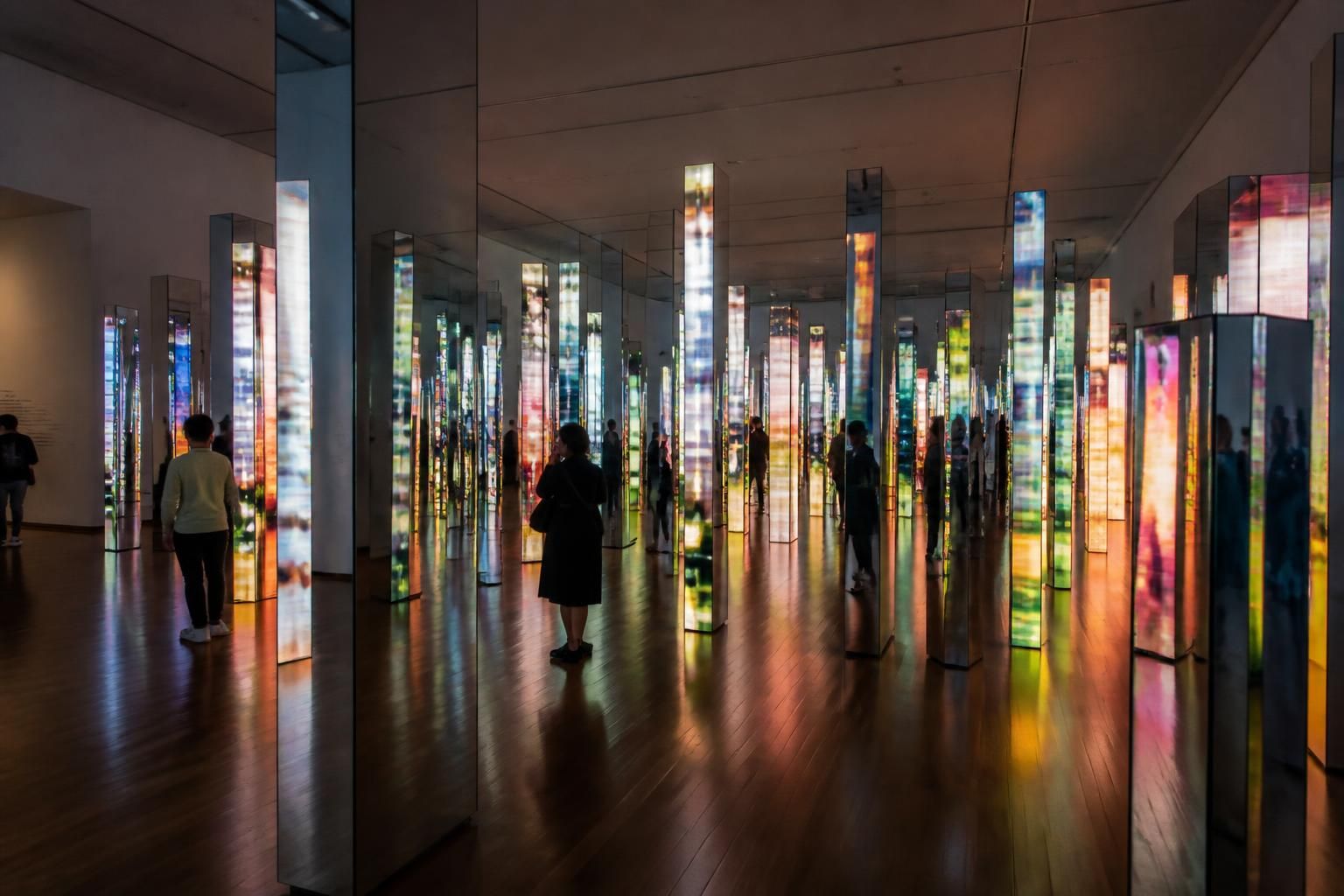
How the WNDR Museum Boston Closure Affects Downtown Cultural Tourism
The closure of WNDR Museum in Boston has consequences that extend beyond ticket holders. In a city where heritage tourism is often associated with historic trails, universities, archives, and landmark institutions, immersive venues provide a different reason to visit downtown. They appeal to residents looking for a short cultural outing, families searching for indoor activities, corporate groups, students, and tourists who want an experience that feels contemporary and easy to share.
Boston’s cultural economy benefits from variety. A visitor may spend the morning in a historic district, have lunch near Downtown Crossing, and choose a digital-art venue in the afternoon. This mixed itinerary matters because it extends dwell time and supports nearby cafés, shops, transit networks, hotels, and event operators. When a Cultural Venue closes, the immediate vacancy is not merely physical. It can alter the rhythm of a district, especially if the attraction was designed to bring foot traffic into quieter retail periods.
📍 Local Impact should be assessed through more than attendance figures. Cultural planners can examine how often the venue appeared in destination itineraries, whether it attracted first-time downtown visitors, and how local creators participated in campaigns or programs. They can also study the visitor profile: were guests primarily residents, regional day-trippers, school groups, or overnight travelers? Each audience type brings different value to the surrounding area.
For example, imagine a Boston visitor information center building a half-day route for a couple arriving by train. The itinerary may have combined a downtown walk, a restaurant booking, and a timed immersive exhibition visit. Without that stop, the office needs an alternative that is equally simple to book, weather-resistant, and compelling for people who may not have time for a long museum visit. This is where tourism professionals need updated, practical digital tools rather than static lists of attractions.
Audio content can help cultural destinations respond quickly. A self-guided route with short audio stops, clear maps, and accessible written transcripts can connect nearby public art, architecture, historic storefronts, and independent galleries. It does not replace an indoor installation space, but it can create continuity for visitors and direct spending toward local businesses. The key is to make the route useful: concise directions, a clear duration, and stories that explain why each place matters.
Organizers should also avoid treating a closure as a communications afterthought. Update destination websites, third-party ticket pages, maps, newsletters, social channels, and printed visitor information promptly. An outdated listing frustrates travelers and creates unnecessary work for hospitality staff. A single verified page with final dates, refund information where applicable, and alternative recommendations is far more effective than fragmented updates.
The wider sector has faced similar transitions, as shown by broader reporting on museum closures and their operational consequences. Each case differs, but the recurring need is the same: preserve visitor trust while helping audiences find the next meaningful cultural experience.
💡 A downtown cultural offer remains resilient when it gives visitors a clear next step, not simply notice of what has disappeared.
Chicago’s WNDR Museum Closure Highlights the Need for Sustainable Interactive Experience Design
Chicago’s WNDR Museum carried particular symbolic weight because it represented the original location in the network. Since its launch in 2018, the West Loop venue helped establish an accessible version of immersive art for broad public audiences. Rather than requiring specialist art knowledge, the format encouraged curiosity. Visitors could enter an installation, test its response, take a photograph, and discuss what they saw with friends or family.
This model has real strengths. It lowers barriers for people who may feel excluded by conventional museum conventions, and it creates natural entry points for younger audiences. However, an Interactive Experience must maintain a balance between entertainment, interpretation, and visitor care. If a room is visually impressive but offers no explanation of the artist’s intention, materials, process, or context, the encounter can feel brief and interchangeable.
The Chicago Closure gives cultural operators an opportunity to ask a difficult but useful question: what makes an immersive installation worth revisiting? The answer is rarely only “new technology.” Repeat value can come from changing narratives, local artist commissions, seasonal programming, guided conversations, workshops, accessible audio description, and thoughtful visitor pathways. Technology should support those elements rather than replace them.
A practical example is a projection room that changes when visitors move. The initial reaction may be delight, but the experience becomes richer when the visitor also learns how the work was created, what data or natural patterns informed it, and how the artist intended audience movement to shape the piece. A short audio layer can provide that context without covering walls in text. Visitors can choose to listen, read a transcript, or simply explore.
For museums and guided-tour operators, smartphone-based audio is particularly relevant. It can deliver interpretation in multiple languages, provide quieter access to content in busy rooms, and reduce the need for groups to gather around a single speaker. In a large installation, this supports better circulation and gives visitors control over their pace. It also makes content easier to update if artworks change or if visitor feedback identifies confusion.
There is no universal formula for sustainability. Some venues thrive through long-term collections, while others rely on limited runs and regular renewal. What matters is a realistic operating plan that includes exhibition maintenance, accessibility audits, visitor feedback, digital infrastructure, and local partnership development. A Cultural Venue that overlooks these fundamentals can struggle even when its public image is strong.
The closure should therefore be understood as a prompt for stronger design decisions across the sector. Invest in human mediation, not only screens. Build audio and wayfinding into the experience from the start. Give audiences an understandable reason to return, and ensure that the artistic proposition is as robust as the photo opportunity.
🔊 Durable immersion begins with meaningful interpretation: visitors remember what they understood, not only what they photographed.
What Visitors Should Check After the WNDR Museum Public Announcement
Following a Public Announcement of closure, accurate visitor information becomes essential. People may hold advance tickets, be planning a birthday outing, have scheduled a school visit, or be coordinating travel around the attraction. The most helpful response from any venue is direct, consistent, and easy to find. Visitors should first consult official channels rather than relying on reposted social content, search snippets, or unverified discussion threads.
The WNDR Museum location pages have historically provided practical details such as address, hours, ticket access, and visitor guidance. For current status information, travelers should review the WNDR Museum locations page and any related official communications before making plans. This is especially important around final operating weeks, when availability, programming, and special events can change quickly.
| Visitor check | Why it matters | Practical action |
|---|---|---|
| 📅 Final operating dates | Closing schedules can differ by Museum Location. | Confirm the date before booking travel or inviting guests. |
| 🎟️ Ticket conditions | Advance tickets, exchanges, and refunds may follow specific terms. | Review the booking confirmation and official ticket guidance. |
| ♿ Accessibility information | Interactive installations can involve light, sound, movement, and sensory effects. | Check accessibility notes and contact the venue where needed. |
| 📸 Final events | Farewell programming may have limited capacity. | Reserve early and verify timing through official channels. |
Visitors should also plan for the actual experience, rather than treating a final visit as a rushed photo opportunity. Busy sessions may affect how long people can remain in popular rooms. Arriving on time, charging a phone, reviewing bag guidance, and allowing extra transit time can make a substantial difference. For guests who are sensitive to flashing visuals, loud soundscapes, or enclosed spaces, a pre-visit check is especially valuable.
Families and group leaders have an additional responsibility: prepare participants for the type of environment they will enter. A short explanation can help children understand that they are sharing the space, waiting for turns, and respecting installations and other visitors. This is not about reducing spontaneity. It is about creating conditions in which everyone can enjoy the exhibits safely and without avoidable friction.
The closure also creates an opportunity to document personal connections. A visitor who attended with a school group, proposed a creative idea during a workshop, or discovered a favorite artist at WNDR may want to record those memories. Museums can encourage this through simple prompts, digital guestbooks, oral-history collection, or post-visit content that credits artists and staff. Such material has cultural value when it is handled respectfully and with consent.
✅ The best final visit starts before arrival: verified information, realistic timing, and attention to the needs of every guest.
How Museums Can Protect Artist Stories and Visitor Access After a Cultural Venue Closure
When a venue closes, its physical rooms may disappear from the visitor circuit, but the stories attached to them do not need to disappear as well. This is especially relevant for institutions built around temporary Art Exhibits, digital installations, and participatory environments. Artists, technicians, educators, and audiences have invested time, expertise, and emotion in those spaces. A thoughtful transition can preserve that value for future audiences.
First, organizations should create a usable archive. This does not mean simply storing promotional photographs. A practical archive includes artist names, installation descriptions, production dates, technical requirements, accessibility notes, floor plans, interpretive scripts, visitor feedback, and high-quality audio or video documentation. If rights allow, selected material can be shared publicly through a website, digital exhibition, or learning resource.
Second, cultural leaders should preserve interpretation in accessible formats. A visual installation can be described through audio narration for blind and partially sighted users. A sound-led work can be supplemented with transcripts and captions for deaf and hard-of-hearing visitors. Plain-language text can assist people who are unfamiliar with contemporary art terminology. These are not optional extras added at the end; they are part of the cultural record.
A useful model is to create a mobile listening route linked to the former venue and its neighborhood. Visitors could hear short stories from artists, curators, staff, or local partners while walking through the surrounding district. The route might include one stop on the building’s previous role, one on the exhibition concept, and several nearby locations where public art or creative businesses continue the conversation. This approach turns a closure into an opportunity for distributed cultural engagement.
For a hypothetical Chicago arts organization, the process could start with five short recordings: an artist explains a mirror-based work, a technician describes maintaining interactive sensors, a visitor shares a memorable moment, a local business owner explains the venue’s neighborhood role, and an educator links the project to classroom learning. Published through a simple smartphone audio guide, those recordings can remain useful long after the installations have been dismantled.
Such projects should be carefully governed. Obtain permissions, credit contributors, avoid publishing confidential technical information, and set realistic maintenance responsibilities. An abandoned audio page with broken links is not an archive. A modest, well-maintained resource is more valuable than an ambitious platform that cannot be updated.
Other institutions navigating change can learn from sector coverage of the challenges of museum relocation, where continuity of access and interpretation is a major concern. Whether a museum closes, relocates, renovates, or changes format, audiences need clear pathways to remain connected to culture.
🎧 The most useful legacy of an immersive venue is not a final photograph; it is the ability for people to keep discovering the artists and ideas behind the experience.
Why are WNDR Museum locations in Boston and Chicago closing?
WNDR Museum publicly announced the closure of its Boston and Chicago locations as the final chapter for these sites. Visitors should consult official WNDR channels for the most current operational details and event information.
Where can visitors confirm final dates and ticket information?
The official WNDR Museum website and its location pages are the most reliable sources for current opening dates, booking guidance, final events, and visitor policies.
What should museums learn from the WNDR Museum Closure?
Immersive venues need more than compelling visuals. Sustainable operations require clear visitor flow, accessible interpretation, regular content renewal, trained staff, reliable technology, and strong local partnerships.
How can a closed immersive venue remain culturally useful?
Organizations can preserve artist stories through digital archives, audio guides, captions, transcripts, educational resources, and neighborhood routes that connect former exhibitions to local cultural life.
