
Peu de temps ? Voici l’essentiel à retenir :
✅ Europe is experiencing one of the deadliest and most persistent heatwaves on record, with temperatures soaring above 100°F (38°C) across multiple countries.
✅ Critical weather alerts have been issued, causing severe disruptions in education, transportation, and public health systems, emphasizing the urgent need for adaptive measures.
✅ Avoid common misconceptions such as underestimating heat risks during early summer months—this event highlights the intensification of extreme weather due to global warming and climate change effects.
Extreme Temperature Records in Europe: The Scope and Impact of the June 2026 Heatwave
This June, Europe has been struck by an unprecedented heatwave that has shattered historical temperature records across the continent. Unlike the usual peak heat of July or August, cities such as Bordeaux, London, and Paris experienced temperatures exceeding 104°F (40°C), breaking all previous June benchmarks. Bordeaux alone recorded a staggering 107°F (41.7°C), breaking its former southwestern wine region record established in August. This magnitude of heat has not only intensified discomfort but also posed critical health risks to populations unprepared for such conditions at this time of year.
The scale of these temperature anomalies is broad, affecting regions from the southern warmth of Spain to northern coastal areas like San Sebastian, which reached a rare and dangerous 104°F (40°C) instead of its normal 68-70°F (20-21°C) summer average. Central and western European countries, including Germany, Italy, Switzerland, and Luxembourg, were all placed under life-threatening heat warnings. Such early, high-intensity heatwaves are symptomatic of broader climatic shifts linked to global warming, illustrating the direct influence of persistent atmospheric patterns drawn from heat masses originating as far as the Sahara Desert.
The heatwave’s expansiveness has led to record-breaking days that are now among the hottest observed in nearly eight decades, triggering an immediate reassessment of regional infrastructure resilience against extreme weather. Schools have shuttered en masse—with almost 2,700 institutions closed in France alone—to protect vulnerable populations from heat stress, while emergency services contend with escalating cases related to heat exhaustion and heat strokes. The continually rising mercury challenges traditional adaptive frameworks and pushes for innovative, climate-sensitive planning in sectors ranging from urban design to public health resource allocation.
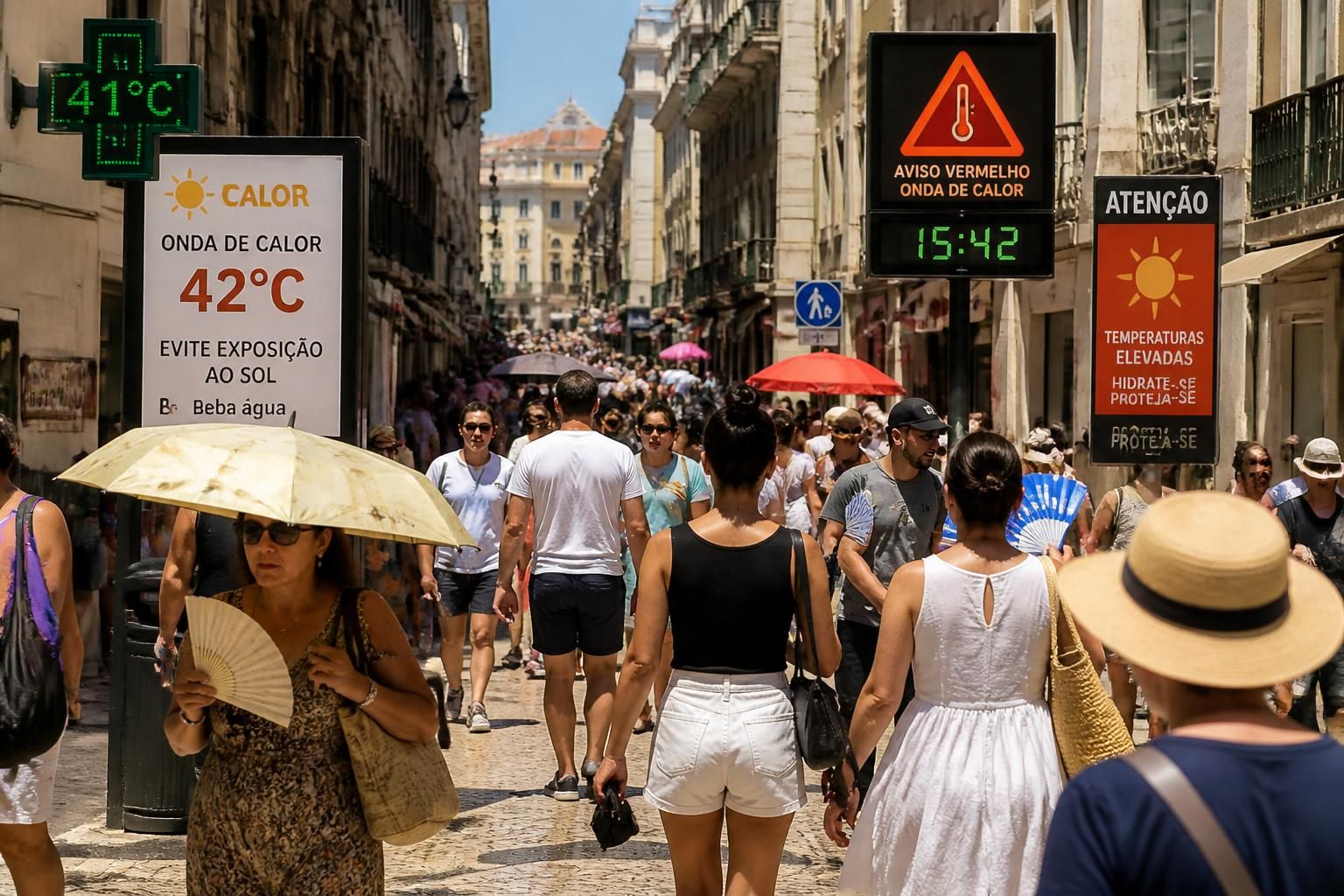
Public Safety and Health: Addressing Deadly Consequences of the European Heatwave
The deadly impact of Europe’s June 2026 heatwave has been tragically documented with the loss of at least 18 lives, including two young children who perished when unintentionally trapped in a parked vehicle. Such incidents underscore the urgent need for heightened public awareness and safety precautions during heat emergencies. Heat combined with humidity creates oppressive “wet heat” conditions that significantly increase health risks, surpassing those of a dry heat environment by compounding dehydration and cardiovascular strain.
Health experts emphasize that even generally healthy individuals are vulnerable during these episodes, contradicting common beliefs that only the elderly or chronically ill are at risk. The extreme heat has overwhelmed hospital admissions with heat-related illnesses and raised concerns over the exacerbation of chronic diseases such as asthma and cardiovascular conditions.
Governments across affected countries issued Red “threat to life” warnings, activating heat emergency protocols that included widespread school closures, advisories against outdoor activities, and public cooling centers. For example, Italy’s major urban centers including Milan, Rome, and Florence have been subjected to continuous high-heat days surpassing 95°F (35°C), compounding respiratory stress and reducing overall air quality, as do other major urban hubs in Europe. Air travel and public transport systems here have been severely disrupted due to safety measures and heat-related technical constraints, demonstrating cascading societal effects of climate extremes.
Essential public safety measures to mitigate heatwave effects:
- ☀️ Provide real-time temperature alerts and health advice via smart tourism and municipal apps.
- 🧊 Establish accessible cooling centers, especially for vulnerable groups.
- 🚰 Ensure widespread availability of hydration stations in public areas.
- 🚫 Limit outdoor strenuous activities during peak heat periods.
- 🚌 Adapt transport schedules and infrastructure to minimize heat exposure and delays.
Climate Change as a Catalyst: How Global Warming Intensifies European Heatwaves
The intensification and early onset of this European heatwave vividly highlight the manifestation of climate change through extreme weather events. Scientific analysis points to the “heat dome” phenomenon, a persistent high-pressure system that traps hot air masses over Western and Central Europe, funneling continual warmth from the vast Sahara Desert more than 2,400 miles away. Consecutive heat domes within short intervals demonstrate an alarming pattern likely tied to anthropogenic global warming.
Recent studies reveal a direct correlation between increasing surface air temperatures and frequency of such oppressive heatwaves globally. Europe’s warming rate surpasses the global average, stressing its vulnerability. The persistent back-to-back heatwaves recorded throughout June 2026 evoke warnings from climatologists that these incidents may become the norm if mitigation efforts and sustainable policies are not enhanced vigorously.
Projections suggest that without aggressive reductions in greenhouse gas emissions and implementation of adaptive urban planning, such extreme temperature events will increase in intensity and duration. The repercussions extend beyond public health to economic disruptions, ecosystem stress, and social disparities aggravated by unequal heat exposure burdens.
Detailed analysis on Europe’s unprecedented heatwave illustrates the systemic vulnerability of Europe’s infrastructure and population to climate-driven extreme weather, urging immediate action in policy and community preparedness.
Transportation and Infrastructure Disruptions Amid Heat Records
The extreme temperatures have severely impacted Europe’s transport systems, producing widespread delays, cancellations, and operational restrictions. Thousands of flights were delayed or canceled—over 2,800 delays and more than 100 cancellations in France, the Netherlands, and Switzerland—due to the challenging weather conditions. Heat-induced track buckling and equipment failures also led to significant disruptions in national rail services operated by SNCF in France and Network Rail in the UK.
Public transport authorities have advised travelers to avoid all but essential journeys within the most affected zones during peak heat days. These disruptions underscore the pressing need to increase climate resilience within critical mobility infrastructures, ensuring continuity of service while safeguarding passenger safety.
| 🚆 Mode of Transport | 🌡️ Temperature Impact | ⚠️ Disruption Examples | 🛠️ Adaptive Measures |
|---|---|---|---|
| National Rail (UK & France) | 104°F (40°C) + | Speed restrictions, delays, cancellations | Timetable adjustments, cooling tech upgrades |
| Air Travel (Europe-wide) | Up to 111°F (44°C) | Passenger delays, airport congestion | Heat-resilient ground procedures, improved AC |
| Local Transit & Roads | Up to 107°F (41.7°C) | Road surface damage, service suspensions | Heat-tolerant paving, shaded stops |
Given the volume of heat-induced operational hindrances, it becomes essential for urban planners and governance to integrate climate adaptation, such as deploying smart monitoring systems that predict infrastructure vulnerabilities and optimize maintenance and service schedules during extreme heat events.
Effective Strategies for Tourism and Cultural Institutions to Manage Heatwave Challenges
For tourism professionals, museums, guided tours, and cultural event organizers, the heatwave imposes real challenges but also opportunities for innovation. Modern audio guide technologies, such as those offered by Grupem, ensure tourist engagement remains high despite environmental discomfort by providing personalized, flexible access to content through smartphones. This technology reduces the need for crowding and allows visitors to better manage exposure to harsh weather conditions.
Implementing adaptive measures during heatwaves involves:
- ☀️ Scheduling visits during cooler parts of the day.
- 🧴 Encouraging hydration breaks and providing shaded rest areas.
- 🎧 Utilizing smart audio guides to facilitate socially distanced and self-paced exploration.
- 🕰️ Adapting ticketing systems to manage visitor flow and minimize heat exposure times.
By adopting these measures, cultural institutions can maintain accessibility and satisfaction, despite extreme weather. Investment in scalable, user-friendly digital solutions ensures organizational resilience, fosters positive visitor experiences, and exemplifies responsible stewardship under escalating climate pressures.
Insights into adapting tourism practices under extreme heat highlight the critical role of technology-driven solutions in sustaining industry viability.
What factors caused the June 2026 heatwave in Europe?
A persistent heat dome trapped hot air over Europe, fueled by atmospheric patterns drawing warm Sahara air northward, intensified by global warming effects.
Which regions in Europe were most affected by the heatwave?
Western and Central Europe including France, Spain, UK, Italy, Germany, Switzerland, and Luxembourg bore the brunt of this heatwave, with widespread record temperatures and severe warnings.
How can tourism professionals adapt to extreme heat events?
Using innovations like GPS-based audio guides, flexible scheduling, hydration stations, and shaded areas help maintain visitor engagement while minimizing health risks.
What transportation impacts arose due to the extreme heat?
Heat caused flight delays and cancellations, rail speed restrictions, and road infrastructure damage, prompting advisories for limited travel in affected zones.
Why is this heatwave considered especially dangerous for public health?
High temperatures combined with humidity elevate risks of heatstroke and heart conditions, affecting even healthy individuals, enhanced by inadequate preparation for such early-season heat.
