
Short on time? Here is what you need to know:
✅ Mega-Museums drive significant economic growth alongside educational impact.
✅ Innovative museum architecture and exhibition design enhance visitor experience.
✅ Avoid neglecting accessibility and digital integration in museum transformation.
✅ Smart tourism tools like advanced audio guides improve engagement seamlessly.
The Economic and Cultural Impact of Mega-Museums on Global Tourism
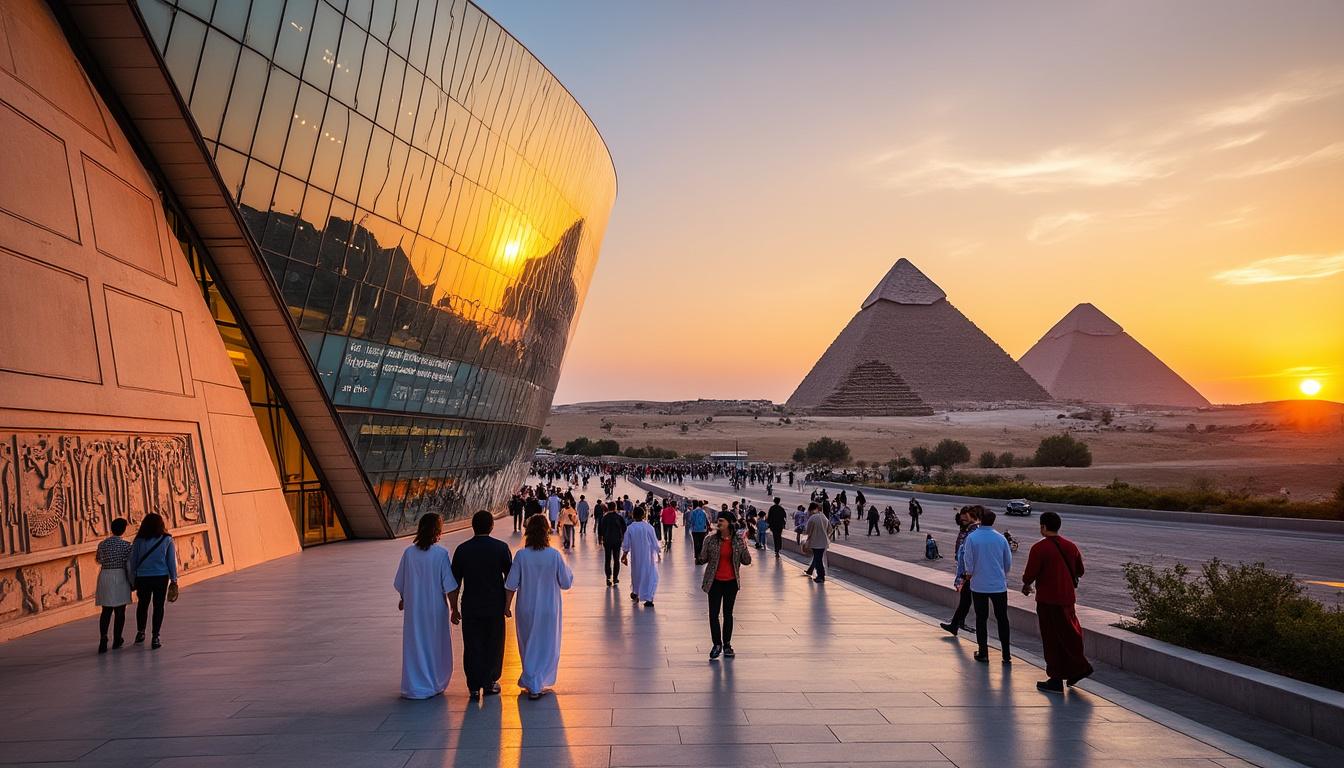
The advent of mega-museums marks a significant shift in the sphere of cultural tourism, catalyzing both economic rejuvenation and an enriched visitor experience worldwide. These expansive institutions, often spanning several million square feet, merge the functions of academic research, conservation, and public engagement into singular, transformative cultural destinations. An exemplary case is the Grand Egyptian Museum (GEM), which opened its doors with much international acclaim, showcasing the complete artifacts from Tutankhamen’s tomb in one cohesive collection for the first time since their discovery. Spanning an astonishing 5.4 million square feet near the iconic Giza Pyramids, GEM demonstrates how a mega-museum can become both a cultural beacon and an economic catalyst, projected to attract over 5 million visitors annually.
Such figures translate directly to substantial economic revitalization. With millions of tourists expected to visit these facilities, surrounding regions experience increased demand for hospitality, transportation, and local services, thereby stimulating job creation and infrastructure development. The Egyptian government’s strategy to transform tourism back into a pillar of the economy after years slowed by pandemics and geopolitical unrest exemplifies this approach. It pairs the museum’s inauguration with upgrades in transportation accessibility, including a new metro station, expanded road networks, and an airport upgrade west of Cairo. These enhancements facilitate seamless access, boosting both tourist satisfaction and capacity.
Moreover, mega-museums transcend simple tourism hubs by embedding themselves within ongoing processes of cultural heritage preservation and educational programming. Their resources allow them to curate exhibitions of unprecedented scale and complexity, drawing global audiences and scholars alike. This intersection of tourism and academia boosts cultural diplomacy while offering visitors multifaceted narratives of history and identity. Mega-museums thus assert themselves as vital nodes in the global cultural economy, helping to foster a renewed sense of cultural connection and stewardship in a rapidly globalizing world.
For a comprehensive investigation on how these institutions are reshaping travel patterns, see insights on how mega-museums are reshaping cultural tourism.
Revolutionizing Visitor Experience Through Exhibition Innovation and Museum Technology
Mega-museums showcase a paradigm shift in how cultural narratives are presented and experienced, marked by innovative exhibition design and integrated smart technologies. These changes cater to diverse visitor demographics, enhancing accessibility and engagement. Exhibition innovation is no longer limited to static displays but incorporates immersive storytelling, augmented reality (AR), and interactive media to deepen visitor connection with the content.
For example, many mega-museums now employ layered narratives that allow visitors to explore cultural heritage dynamically. Through digital tools, users can access multiple perspectives on artifacts, contextual histories, and even personal stories connected to displayed items. This engagement model supports varied learning preferences and provides an enriched experience that surpasses traditional museum visits.
Technological integration is crucial for managing high visitor numbers without compromising quality. Advanced audio guide apps, such as those developed for smart tourism, transform any smartphone into a professional guide, offering commentary tailored to visitor interests and background. This solution not only improves the visitor flow by decentralizing group tours but also enhances accessibility for individuals with disabilities, including features such as adjustable narration speeds, subtitles, and multi-language support.
Incorporating design elements like spacious galleries, directional layouts, and strategically placed information points reduces visitor stress and promotes longer, more satisfying visits. High-impact visual and tactile exhibits, combined with real-time data on crowd density and suggested visitor routes, further optimize the museum experience.
To explore more on transforming museums through digitalization, visit the UNESCO article on reimagining museums. Additionally, innovative exhibition trends and their influence on crowd management and cultural engagement are detailed in research focused on museum globalization and display phenomena at JSTOR.
Museum Architecture as a Driver for Cultural Identity and Urban Regeneration
The architectural scope of mega-museums transcends utility, becoming a statement of cultural identity and a catalyst for urban regeneration. Their monumental scales and distinctive designs reimagine not only the spaces they occupy but also the urban fabric around them. Iconic architecture invites visitor curiosity while embedding cultural narratives within the built environment, thus becoming a symbol of place and pride.
Take the case of locations where museums have sparked cultural districts, turning underutilized urban areas into vibrant centers of activity. Cultural districts often feature a combination of museums, galleries, performance venues, and public art installations, fostering both community inclusion and economic vitality. Cities worldwide aim to replicate this approach given its proven impact on tourism trends and local culture preservation.
Architecturally, mega-museums are designed for flexibility and sustainability. They incorporate eco-friendly materials, natural lighting, and adaptive spaces to accommodate exhibitions of varying scales. This approach supports the long-term usability of the structures and reduces operational costs. For instance, the GEM incorporates design principles aimed at climate resilience, managing the desert environment’s extremes while providing optimal artifact preservation and visitor comfort.
These designs influence global tourism flows by positioning mega-museums as must-visit destinations, directly contributing to the cultural economy and elevating the city’s international image. For insights into how mega-regions are developing cultural hubs, see comprehensive analyses on the rise of global cultural centers.
Strategic Role of Mega-Museums in Reviving Cultural Tourism Post-Crisis
The revival of cultural tourism in the aftermath of global crises, such as pandemics and political upheavals, largely relies on the emergence of mega-museums as fresh anchors for international travel. The Egyptian example is illustrative: tourism, severely disrupted by the Arab Spring and the COVID-19 pandemic, is now on an uptrend with ambitious goals to surpass pre-crisis visitor numbers by integrating mega-museum projects within broader infrastructural developments.
The public and private sectors collaborate intensively to maximize the benefits of mega-museums, ensuring improved transport connectivity, accommodation, and visitor services. These initiatives enhance tourism resilience by diversifying cultural offerings and attracting wider demographics, from scholars and students to casual tourists and cultural enthusiasts.
Investment in mega-museums also fosters social marketing and long-term community engagement strategies, which help sustain cultural awareness beyond physical visits. Digital outreach and virtual tours expand audience reach, forging continuous relationships between museums and the public.
Industry studies highlight the transformation in the macro outcomes of museum communication, emphasizing how digitalization raises audience engagement and cultural recognition. For further reading on this dynamic, consult the article addressing museum communication in the digital age at Taylor & Francis Online.
Authorities aiming to capitalize on these trends must prioritize integrated planning and allocate resources effectively to sustain momentum. This approach ensures that mega-museums not only contribute economically but also serve as enduring stewards of cultural heritage.
Future Outlook: Embracing Digital Identity and Cultural Citizenship in Museum Transformation
The trajectory of museum transformation is increasingly intertwined with concepts of cultural citizenship and digital identity, reflecting broader societal changes. Mega-museums are becoming testbeds for innovative cultural participation models where audiences are active contributors rather than passive observers. Social media, online content sharing, and real-time interaction are reshaping traditional museum boundaries, creating hybrid experiences that merge physical and digital realms.
This evolution demands that cultural institutions address inclusivity, interactivity, and responsiveness to sociopolitical changes. Progressive museums embody adaptability in governance, curatorial practice, and audience engagement, fostering environments where communities feel represented and empowered.
Technological advancements underpin much of this metamorphosis. From immersive virtual reality exhibits to AI-driven personalized tours, mega-museums are harnessing technology to deliver meaningful cultural interactions. Embracing these tools also facilitates accessibility, bridging gaps for people with various abilities and backgrounds.
The emerging model advocates continuous cultural dialogue, emphasizing museums as living institutions engaged in ongoing cultural renewal rather than static repositories. For comprehensive perspectives on this phenomenon, see the resource on museum metamorphosis published by Bloomsbury here.
| 🏛️ Feature | 📈 Impact on Tourism | 🎯 Visitor Experience Benefit |
|---|---|---|
| Sprawling architectural complexes | Attract millions annually, inject tourism revenue | Immersive environments, spatial comfort |
| Integrated smart technology guides | Streamline visitor flow, support capacity management | Personalized, accessible content for diverse audiences |
| Comprehensive cultural programming | Extend visitor engagement beyond site visits | Enriched educational value, multi-perspective narratives |
| Strategic urban regeneration | Revitalize surrounding neighborhoods, increase ancillary services | Cohesive cultural districts, enhanced public spaces |
- 🌍 Enhanced global tourism through flagship cultural destinations
- 🛠️ Deployment of smart tourism technologies such as advanced audio guides
- 🎨 Promotion of exhibition innovation to diversify visitor engagement
- 🏨 Urban development supporting sustainable museum-centered cultural districts
- ♿ Emphasis on accessibility and inclusiveness in all aspects of museum design
What defines a mega-museum compared to traditional museums?
Mega-museums are significantly larger institutions often surpassing millions of square feet, combining extensive collections, research facilities, and public spaces to serve a high volume of visitors while supporting academic and cultural functions.
How do mega-museums influence local economies?
They stimulate surrounding economies through increased tourism-related spending, infrastructure improvements, job creation, and the establishment of vibrant cultural districts that attract further investment.
What role does technology play in enhancing the visitor experience?
Technology such as smart audio guides, augmented reality, and digital interpretation platforms personalize visitor journeys, improve accessibility, and accommodate diverse learning preferences, elevating overall satisfaction.
Are mega-museums sustainable in terms of architecture and operations?
Modern mega-museums are designed with sustainability in mind, utilizing eco-friendly materials, climate-responsive systems, and flexible spaces to minimize environmental impact and ensure long-term operational efficiency.
How are mega-museums adapting to the evolving digital identity of visitors?
These institutions integrate hybrid physical-digital experiences, encouraging cultural participation through social media, virtual tours, and interactive content, thereby fostering a dynamic cultural dialogue and broader community engagement.
