
Peu de temps ? Voici l’essentiel à retenir :
✅ A Dutch Museum confirmed a rare Rembrandt painting after extensive high-tech analysis
✅ Advanced art authentication techniques played a crucial role in the discovery
✅ Lessons on integrating technology and expertise in cultural heritage preservation are evident
✅ Museums can leverage this breakthrough to elevate visitor engagement and trust
Revolutionizing Art Authentication: The Role of Technology in Confirming a Rare Rembrandt Masterpiece
The confirmed attribution of the painting Vision of Zacharias in the Temple to Rembrandt by the Netherlands’ prestigious Rijksmuseum represents a profound breakthrough in art authentication. This rare discovery arose after nearly two years of meticulous research combining traditional expertise with cutting-edge technological tools.
Central to the process were advanced imaging techniques such as macro X-ray fluorescence scanning, which revealed detailed information about the pigments and layering of paint consistent with Rembrandt’s known methods. This non-invasive approach enabled researchers to analyze layers beneath the surface, identifying materials historically used by Rembrandt around 1633 when he resided in Amsterdam.
Jonathan Bikker, the Rijksmuseum’s curator specializing in 17th-century Dutch paintings, emphasized that the wood panel originated from a tree felled prior to the painting date, reinforcing its authenticity. Moreover, the stylistic characteristics—the brushwork, pigment composition, and layering technique—matched other verified Rembrandt works, ruling out the doubts that had persisted since the early 1960s.
This fusion of science and art history presents a replicable framework for future art authentication endeavors across museums worldwide. It exemplifies how embracing technological innovation can transform the traditionally subjective field of attribution into one grounded in measurable evidence. Crucially, this approach not only solidifies provenance but also enhances public confidence in museum collections.
For professionals in cultural institutions, understanding how to integrate these techniques can be instrumental in uncovering more “needles in a haystack” within large collections, where misattributed or neglected masterpieces may reside unnoticed. It also highlights the value of long-term partnerships between conservators, historians, scientists, and external stakeholders to harness diverse expertise, optimizing both research outcomes and public appreciation.
Consequently, the Rijksmuseum’s success in verifying this long-controversial painting underscores the necessity of sustained investment in smart technological solutions for museum collections, an area where Grupem has been actively promoting enhanced digital engagement and efficient cultural heritage management.
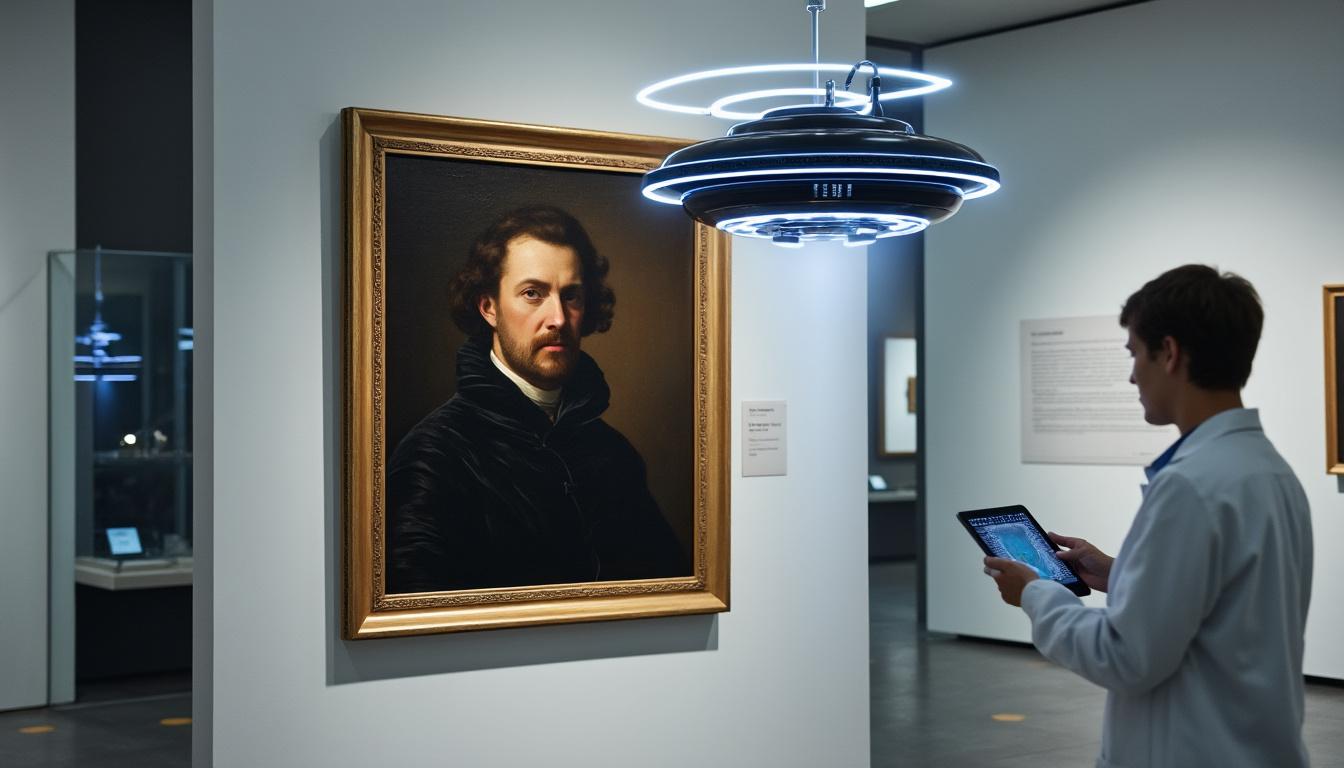
Unveiling the Cultural Heritage: The Impact of Rediscovering Rare Masterpieces on Museums and Tourism
The unveiling of this rare Rembrandt work at the Rijksmuseum profoundly impacts both the art world and cultural tourism sectors. This newly authenticated masterpiece will be publicly exhibited after decades in private hands, infusing the museum’s collection with renewed scholarly and visitor interest.
Rembrandt’s status as a pillar of Dutch Golden Age painting creates an inherent magnet for international tourists and art aficionados alike. With about 350 confirmed paintings in public collections, each addition enriches the cultural narrative and offers fresh interpretative opportunities for exhibition design and educational programming.
The museum’s director, Taco Dibbits, remarked on the rarity of such discoveries, noting that receiving inquiries regularly reflects a broader public fascination with art history’s mysteries. These discoveries also stimulate dynamic content creation possibilities, where museums can leverage multi-modal audio guides, interactive digital displays, and augmented reality experiences to deepen engagement.
From a tourism perspective, the excitement around the “needle in a haystack” confirmation enhances the Rijksmuseum’s appeal as a must-visit destination. Strategic incorporation of this find into marketing campaigns and guided tours can boost visitor numbers and satisfaction. Digitally savvy tourists, increasingly seeking meaningful and immersive cultural encounters, respond well to narrative-rich offerings built around such authentic stories.
In this context, institutions like the Rijksmuseum benefit immensely from adopting advanced audio technologies and smart tourism solutions like Grupem’s mobile app, which transforms smartphones into professional-grade audio guides. Such tools allow museums to narrate the painting’s fascinating backstory, including its dramatic reassessment and scientific verification journey, thereby enhancing visitor learning and emotional connection.
The broader ripple effect on cultural heritage preservation
Beyond visitor engagement, rediscovering a rare masterpiece reinforces the critical role museums play in safeguarding cultural heritage. It prompts reflection on collection management and provenance research, encouraging institutions globally to reassess their holdings for potential undervalued treasures.
This awareness contributes significantly to cultural sustainability efforts, ensuring heritage is both preserved and dynamically interpreted for future generations. By drawing visitors through authentic artifacts, museums sustain their relevance and ability to secure funding, supporting wider community and economic benefits.
Decoding the Masterpiece: Art Historical Context and Significance of the Rembrandt Discovery
Understanding the verified painting, Vision of Zacharias in the Temple, requires appreciating its narrative and place within Rembrandt’s artistic development. Painted in 1633, the work depicts a poignant biblical episode: the high priest Zacharias’s encounter with the Archangel Gabriel, announcing the forthcoming birth of John the Baptist.
Rembrandt’s signature use of chiaroscuro vividly conveys Zacharias’s astonishment, with light symbolically illuminating the divine messenger’s arrival. This strong emotional and spiritual expression typifies the Dutch master’s work during his early Amsterdam years, when he was developing his unique approach to religious storytelling.
This piece is not only historically significant but also reflects broader 17th-century Dutch societal interests—religion, human emotion, and the interplay of light and shadow. Placing it alongside Rembrandt’s other works from this period, such as the monumental The Night Watch, enhances scholarly understanding of his evolution and thematic preferences.
Insights into Rembrandt’s technique and materials
The scientific analysis of pigments and painting layers has illuminated Rembrandt’s distinct method, which blended thick impastos with translucent glazes to achieve depth and texture. Importantly, the exact pigments identified in this work correlate with those documented in other authenticated pieces, confirming the artist’s specific palette choices and brushwork subtleties.
These technical insights not only confirm the authenticity of this rare masterpiece but also offer invaluable data for conservators managing Rembrandt’s oeuvre. Understanding precise material compositions supports decision-making around conservation strategies, ensuring longevity while respecting artistic integrity.
Strategic Implications for Museums: Leveraging Breakthrough Discoveries to Enhance Visitor Experience and Collection Value
For museum professionals, the strategic opportunities arising from confirming such a rare painting are manifold. Firstly, the discovery underlines the importance of rigor in provenance research and authentication. Museums may consider adopting or expanding collaboration with scientific experts, integrating digital tools to augment scholarly methods.
Secondly, the elevated prestige following breakthrough attributions can be harnessed to boost fundraising and sponsorship campaigns. Highlighting such successes conveys a proactive institutional image, attracting stakeholders interested in heritage preservation innovation.
Moreover, fresh content derived from the painting’s story provides the basis for multi-faceted visitor engagement across platforms. Incorporating narratives about the “needle in a haystack” authentication journey into guided tours or digital apps enhances storytelling, encouraging repeat visits and positive reviews.
Recommendations for implementing cutting-edge solutions
- 💡 Invest in portable diagnostic technologies such as macro XRF scanners to enable on-site authentication efforts
- 💡 Develop partnerships with universities and research centers specializing in art science
- 💡 Utilize apps like Grupem to create interactive guides that contextualize findings for diverse audiences
- 💡 Train staff in interpreting scientific data and integrating it with curatorial expertise
- 💡 Promote transparency by publishing research findings to improve public trust and academic collaboration
Challenges and Opportunities in Pursuing ‘Needle in a Haystack’ Art Discoveries in 2026
While the recent breakthrough illustrates the tremendous potential of combining high technology and expertise, it also highlights ongoing challenges. The rarity of authentic Rembrandt discoveries reminds the sector of the complexity in differentiating genuine works from skilled forgeries or misattributions. Museums must balance optimism with stringent evidentiary standards.
Additionally, ethical considerations arise around private ownership and public accessibility of newly authenticated works. The painting in question was privately owned for decades before entering long-term loan with the Rijksmuseum, demonstrating how stewardship arrangements can evolve to enhance cultural sharing.
The case also signals a need for improved digital infrastructure for cataloging and sharing provenance data, enabling researchers to trace artworks’ histories more transparently and collaboratively, benefiting institutions worldwide.
| 🚩 Challenge | 📈 Opportunity | 🔧 Solution |
|---|---|---|
| Complex authentication process | Establishing scientific standards in art analysis | Advanced imaging technology & expert teams |
| Limited public access to private collections | Greater cultural heritage sharing through loans | Loan agreements and digital exhibitions |
| Data fragmentation among institutions | Global provenance databases | Collaborative digital platforms |
Ultimately, this breakthrough encourages cultural heritage institutions to innovate constantly while maintaining respect for tradition, enabling richer art history experiences. Through careful integration of technology and expertise, museums can better preserve, discover, and showcase masterpieces that define human creativity.
Combining the power of scientific research with rich art historical study provides the most robust path towards uncovering authentic works by masters like Rembrandt. The Rijksmuseum’s methodical process serves as an exemplary case for institutions striving to elevate their cultural heritage preservation strategies.
The significance of the ‘Needle in a Haystack’ discovery for global art history
Rare breakthroughs like this do more than enrich a single museum’s collection—they redefine the broader narrative of art history. As more paintings are painstakingly authenticated, the understanding of an artist’s oeuvre deepens, potentially prompting reassessments of art market valuations and museum acquisition policies.
The Rijksmuseum’s confirmation of a piece long thought mistakenly attributed, after detailed scientific scrutiny, embodies the very essence of ‘needle in a haystack’ discoveries. This term aptly describes the challenge of identifying authentic masterpieces hidden within sprawling collections or forgotten archives, especially in an era when theft, forgery, and misattribution remain concerns.
For the international museum community, such findings inspire renewed commitment to collaborative research and shared digital resources aimed at protecting and promoting cultural treasures. They also fuel interest among the public and tourists, who value authentic storytelling and engaging encounters with art history—an area Grupem supports by enabling modern, accessible tour experiences via smart audio technologies.
What methods were essential in authenticating the Rembrandt painting?
The process combined macro X-ray fluorescence scans, pigment analysis, dendrochronology (wood panel dating), and stylistic comparisons with other verified Rembrandt works.
Why was the painting previously dismissed as not a Rembrandt?
Earlier experts lacked the technological tools and comprehensive data now available. The painting’s stylistic nuances and physical evidence only became clear with recent advanced scientific analysis.
How can museums integrate this breakthrough for visitor engagement?
By incorporating the story of the painting’s discovery into guided tours, audio apps like Grupem, and digital exhibitions, museums can offer immersive and educational experiences that highlight the intersection of art and science.
What role does private ownership play in cultural heritage visibility?
Private collectors often hold significant artworks but may restrict public access. Long-term loans to museums like the Rijksmuseum ensure these pieces become accessible for public education and appreciation.
Is the discovery expected to prompt further Rembrandt identifications?
While no active search is underway, the confirmation fuels optimism that more hidden masterpieces might be identified through improved techniques and collaborative research.
