
Peu de temps ? Voici l’essentiel à retenir :
- ✅ The closing event of the Opelousas Museum’s “Where We Live: Opelousas Neighborhoods” exhibit offers a unique platform to celebrate and deepen community engagement through shared visual storytelling.
- ✅ Incorporating open mic sessions and discussions encourages active participation, turning the museum visit into an interactive cultural dialogue.
- ✅ Leveraging digital smart tourism tools can amplify the reach and accessibility of community heritage exhibits, avoiding common pitfalls such as underutilized audiovisual resources.
Community-Driven Exhibits: Enhancing Cultural Heritage through Local Stories
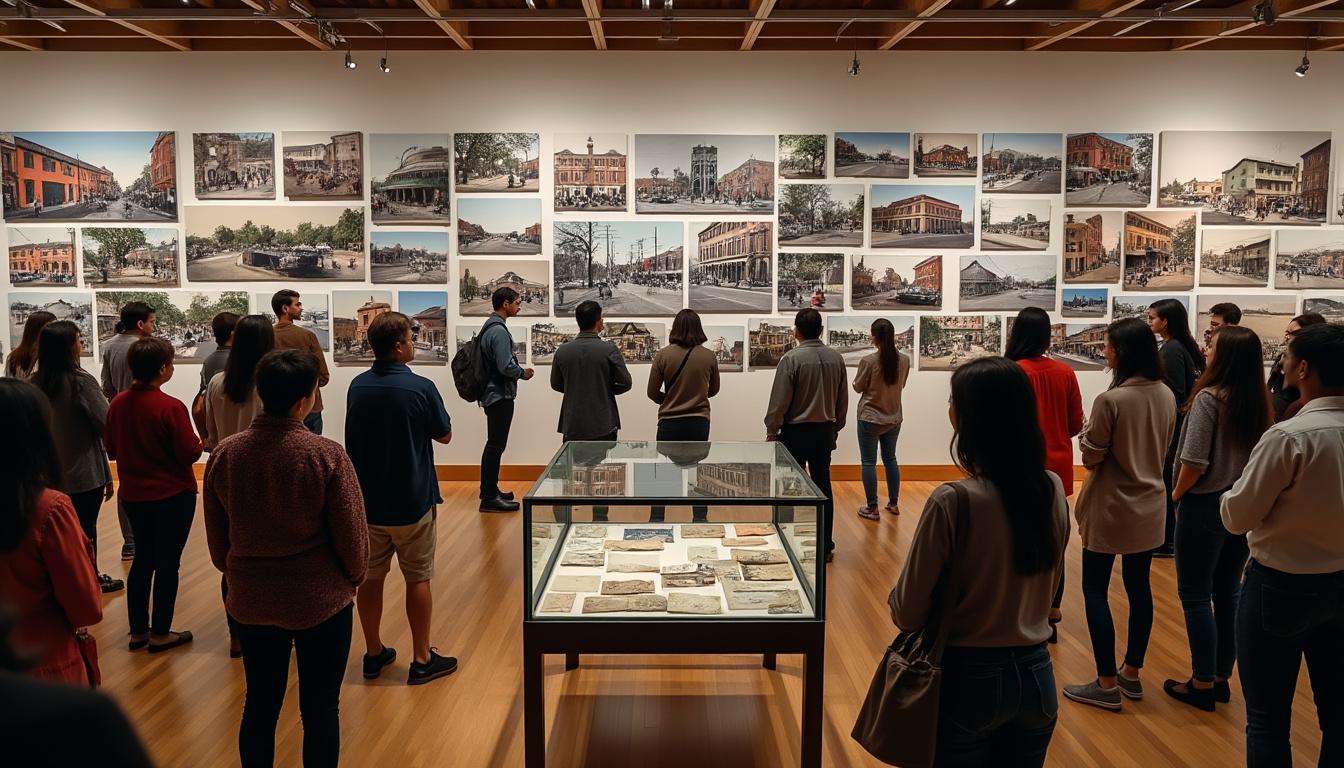
Community-driven exhibits like the one hosted by the Opelousas Museum serve as vital conduits for preserving and showcasing the multifaceted heritage of a region. The exhibit titled “Where We Live: Opelousas Neighborhoods” provided a highly accessible platform for local residents to contribute photographs capturing daily life across diverse neighborhoods. This approach not only enriches the museum’s content but anchors the exhibit in authentic community narratives.
Such exhibits reflect the value of participatory curation, where residents are not passive visitors, but active contributors. When locals submit photographs of front-porch gatherings, street-corner conversations, and neighborhood traditions, the exhibit transcends static displays to become a living archive of contemporary culture. This method echoes practices seen in other cultural institutions emphasizing community engagement, such as the inclusion of community responses in Ironbridge museums.
Moreover, the spatial diversity within the contributions—from the North End to South Park and the Oil Mill area—ensures a comprehensive and representative portrait of Opelousas. This locality-specific content encourages residents to recognize and celebrate elements of their heritage often overlooked in conventional museum contexts.
Opportunities for museums today lie in transforming these narratives into a vehicle for social cohesion and collective memory. Exhibits grounded in community stories enrich cultural heritage by making history tangible and relatable. They echo the broader trend in modern museology emphasizing inclusivity and democratization of cultural spaces.
The exhibit’s closing event underscored these benefits by aligning artistic expression with community dialogue, fostering a sense of belonging while promoting the city’s history and culture. Such strategies are increasingly crucial as museums adapt to the evolving expectations of 21st-century audiences, focusing on active participation and emotional resonance rather than purely archival presentations.
Case in point: The success of this exhibit demonstrates the operational dimension of heritage preservation beyond traditional curatorial approaches, highlighting how museums can integrate local voices into their programming with tangible impact.
Optimizing Public Engagement through Interactive Closing Events
Closing events provide a strategic opportunity to solidify the cultural and social value of an exhibit, concurrently boosting public interest and reinforcing community ties. The Opelousas Museum’s closing celebration on Saturday, May 2, 2026, embraced this potential with a comprehensive schedule designed to engage visitors actively.
Beginning at 10 a.m. and lasting until 3 p.m., the event seamlessly blended artistic performances, conversations, and recognition ceremonies. Notably, the open mic session between 10:30 a.m. and 11:30 a.m. invited attendees to share poems, songs, and personal stories. Such formats enable culturally diverse expressions and foster empathy across different generations and backgrounds.
Following this, a dedicated discussion on future community projects provided a platform for collaborative brainstorming. These community dialogues support sustained engagement beyond the exhibit’s lifespan, allowing museums to function as catalysts for local initiatives. Establishing ongoing relationships with community members is essential to maintain trust and relevance.
At 1 p.m., the event offered tangible recognition by unveiling selected photographs as public art on a billboard. This approach exemplifies how museums can extend heritage visibility beyond their walls, transforming cityscapes and embedding cultural narratives in everyday urban life. Furthermore, allowing contributors to take home their images reinforces personal ownership of shared history.
The afternoon’s informal conversations encouraged organic interactions, deepening connections between participants and the museum. This informal networking is vital in community-based heritage initiatives, often leading to emergent collaborations and innovative storytelling formats.
Implementing these elements requires precise coordination and attention to visitor experience. Smart scheduling, balanced programming, and clear communication contribute to a coherent event flow that maximizes participation and satisfaction.
Leveraging technologies, such as mobile guide apps like Grupem, can further facilitate engagement by offering accessible narratives and interactive content before, during, and after such events. Digital tools ensure that the power of community stories remains reachable to diverse audiences, including those unable to attend in person.
Leveraging Photographic Storytelling to Capture Everyday Heritage
Photographs are a potent medium to encapsulate heritage, culture, and history in an immediate and visually compelling form. The “Where We Live” exhibit centers on photographs contributed by residents depicting various facets of daily life in Opelousas, such as neighborhood social interactions, local traditions, and historic landmarks.
This democratization of visual storytelling contrasts with traditional exhibits dominated by curated historical artifacts. Community-submitted imagery breaks down barriers, allowing multiple perspectives to surface, revealing nuanced narratives that institutional archives may miss. The resulting collection creates a mosaic of lived experiences, broadening public understanding of the city’s cultural fabric.
Photographic storytelling also benefits from advances in digital technology, enabling high-quality submissions and seamless integration into multimedia exhibits. Museums can enhance visitor engagement through interactive displays that contextualize images with audio narratives or augmented reality guides, enhancing immersion and accessibility.
For example, implementing smart tourism applications that utilize location-based audio guides can provide contextual insights into photographed neighborhoods or traditions. This method not only educates but also fosters empathy by connecting viewers with real stories behind each image.
Additionally, photos exhibited in public spaces such as billboards extend the reach of heritage promotion, transforming urban environments into cultural canvases. This multi-channel approach maximizes impact, inviting both residents and visitors to engage with the city’s living history outside museum walls.
The exhibit’s success underscores the importance of integrating community voices into cultural programming, affirming that heritage is continuously co-created and dynamically experienced rather than statically preserved.
Technological Innovations to Support Inclusive Museum Experiences in 2026
In the evolving landscape of museology, technological innovation plays a pivotal role in enhancing accessibility and engagement. The Opelousas Museum’s recent event illustrates how digital tools can support and amplify community stories effectively.
Smart tourism technology, epitomized by platforms like Grupem, empowers museums to offer tailored audio guides, interactive maps, and customizable content accessible via smartphones. This approach eliminates traditional barriers linked to fixed installations or guided tours, democratizing cultural access for visitors with different mobility or sensory needs.
Effective use of technology in such contexts includes:
- 🎧 High-quality audio narratives contextualizing exhibits and local stories
- 📱 Interactive mobile interfaces allowing visitors to navigate content at their own pace
- 🗺️ Location-based services that enhance understanding of the spatial dimensions of heritage
- ♿ Accessibility features such as text-to-speech or multilingual support
By applying these tools to community-sourced exhibits, museums foster deeper connections between heritage content and visitors. They also encourage repeat engagement by providing dynamic updates and new stories seamlessly integrated within apps.
Additionally, digital documentation of community exhibits supports archiving and future project development. Museums can analyze visitor interaction data to tailor outreach or identify underrepresented narratives needing attention, thus optimizing resource allocation.
However, the integration of technology must prioritize user experience to avoid complexity. Clear guidance, intuitive design, and thorough staff training are essential to ensure visitors and contributors alike benefit fully.
The role of smart tourism applications was recently highlighted in discussions about museum revitalization strategies, underscoring their value for both urban and rural heritage settings (MOSI’s revitalization strategy explored).
Practical Recommendations for Museums Organizing Community-Centered Closing Events
Closing an exhibit with a memorable, well-organized event requires deliberate planning to maximize community impact and reinforce the exhibit’s themes. The approach taken by the Opelousas Museum provides a valuable template.
Key recommendations include:
- 🗓️ Schedule diverse programming that includes artistic expression, dialogue, and recognition to engage different audience segments
- 🎤 Integrate open mic or storytelling sessions to create inclusive spaces for personal and emotional sharing
- 🖼️ Convert selected exhibit pieces into public art or take-home formats to extend cultural visibility
- 💬 Facilitate community planning discussions to sustain engagement beyond the event itself
- 📞 Provide clear contact information and support for follow-up involvement or inquiries
Structuring events around interaction rather than passive observation creates lasting impressions and empowers communities to see themselves as co-creators of heritage. Furthermore, incorporating digital support tools enhances accessibility and scalability.
Hospitable event environments should balance formal programming with opportunities for informal conversations, allowing relationships and networks to form organically. Coordination between museum staff, volunteers, and community leaders is crucial for smooth execution.
| 🕒 Time Slot | 🎯 Activity | 📌 Purpose |
|---|---|---|
| 10:00 – 10:30 AM | Welcome and Orientation | Set event tone and provide logistical info |
| 10:30 – 11:30 AM | Open Mic Session | Encourage community artistic expression |
| 11:30 AM – 12:30 PM | Community Dialogue | Discuss future projects and foster collaboration |
| 1:00 – 1:30 PM | Recognition Ceremony | Present selected photographs as public art |
| 1:30 – 3:00 PM | Informal Networking | Deepen community engagement and relationships |
For additional resources on enhancing museum engagement through community participation and technology, consult resources such as innovative museum exploration tools. Museums committed to smart, inclusive experiences will find these insights valuable for future programming.
How can museums encourage local community participation in exhibits?
Museums can foster participation by inviting residents to contribute artifacts or stories, hosting interactive workshops, and facilitating open dialogue during events that reflect local identity. Ensuring accessibility and clear communication is essential.
What role does technology play in modern museum exhibits?
Technology enhances accessibility, engagement, and content delivery through digital guides, interactive apps, and multimedia displays. It allows diverse audiences to experience heritage at their own pace and depth.
Why are closing events important for community exhibits?
Closing events crystallize the exhibit’s impact by celebrating contributions, encouraging reflection, and promoting future collaboration. They turn exhibits into dynamic social platforms rather than static displays.
How can photographs strengthen community heritage storytelling?
Photographs offer evocative, relatable glimpses into daily life, uncovering nuanced cultural narratives often absent from formal archives. They engage emotions and create visual records that foster collective memory.
What are best practices for integrating smart tourism tools in museums?
Adopt user-friendly apps with accessible features, offer multilingual support, maintain clear visitor guidance, and analyze user data to continuously improve content relevance and inclusion.
