
AI Voice Recreation Technology Elevates Netflix’s New ‘Wonka’ Competition Series
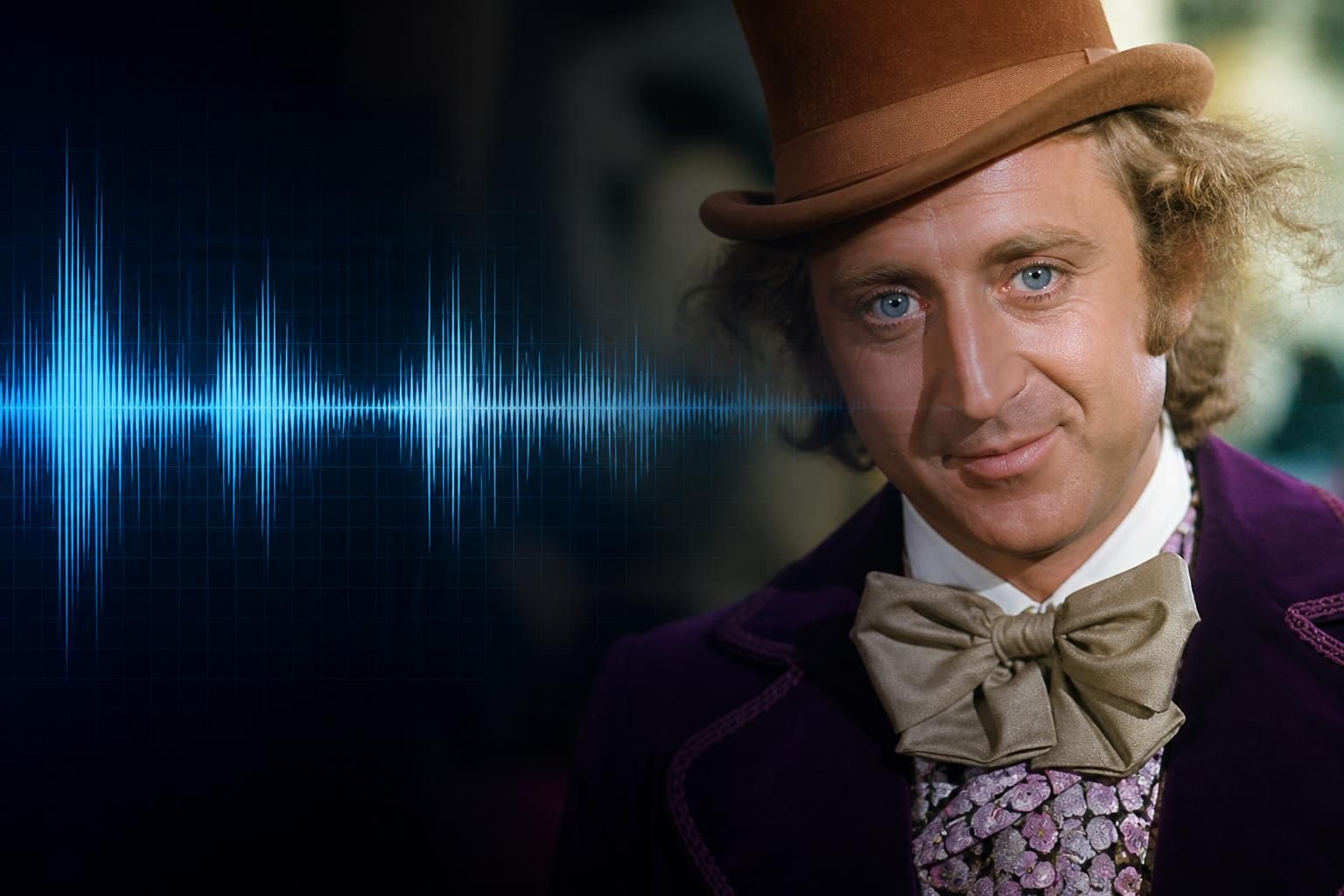
Netflix is revolutionizing film promotion and entertainment by resurrecting the iconic voice of Gene Wilder through advanced artificial intelligence (AI) technologies for its new competition series, Wonka’s The Golden Ticket. This 9-part series, inspired by the beloved tale of Willy Wonka, brings a nostalgic yet modern twist by integrating AI-driven voice recreation, offering an unparalleled audience experience.
The use of AI in voice cloning is a complex intersection of technology and ethics. Netflix’s collaboration with ElevenLabs, a leader in AI-generated, human-like speech, has been instrumental in authentically reproducing Gene Wilder’s voice, a legendary figure in cinematic history. The late actor’s estate, including his widow, granted full approval, ensuring the project respects his legacy while pushing the boundaries of entertainment innovation.
By utilizing AI to bring back such an iconic voice, Netflix not only taps into nostalgia but also demonstrates how technology can shape new forms of cultural engagement in entertainment. This initiative is a prime example for professionals in smart tourism and audio tech aiming to understand the potential of voice AI within their own domains.
- 🎤 Voice Recreation Authenticity: Leveraging ElevenLabs’ cutting-edge technology to produce a voice indistinguishable from the original.
- ⚙️ AI and Ethical Use: Full consent from Gene Wilder’s estate ensuring ethical deployment of AI voice cloning.
- 📺 Innovative Film Promotion: Incorporating AI for immersive storytelling in Netflix’s new competition series.
- 🚀 Technology-Driven Audience Engagement: Elevating viewer connection through a familiar auditory experience.
Implications of AI Voice Cloning in Entertainment and Film Promotion for 2026
As of 2026, artificial intelligence has reshaped how film promotion and entertainment content leverage technological tools to attract and engage audiences. The recreation of Gene Wilder’s voice stands as a landmark case in AI voice cloning, exemplifying both the potential and challenges of such technologies in the media landscape.
The use of AI in this context supports the creative process by providing content creators with the ability to revitalize memorable characters and voices without reliance on archival recordings that may lack clarity or completeness. For instance, historic movies or character reboots can gain new dimensions of interaction when familiar voices are authentically recreated via AI.
This trend also presses entertainment professionals and marketers to reconsider traditional promotion strategies. The Netflix series Wonka’s The Golden Ticket uses AI-enhanced voice technology not only as a nostalgic homage but also as an innovative tool to create anticipation and deepen emotional engagement before the show even airs. The series can effectively tap into generational fans as well as newer audiences unfamiliar with Wilder’s original Willy Wonka portrayal.
Moreover, the deployment of voice AI in entertainment raises vital questions regarding the ownership, rights, and ethical boundaries of voice recreation, topics actively discussed in realms of digital content creation. The careful negotiation between Netflix and Wilder’s estate illustrates an emerging best practice strategy, blending respect for legacy with progressive technology use.
| Aspect ⚙️ | Traditional Film Promotion 🎬 | AI-Driven Film Promotion 🤖 |
|---|---|---|
| Authenticity | Relies on original actor’s recordings and appearances | Recreates voice with digital precision, enhancing clarity and scope |
| Cost | High cost for archival rights and actor participation | Potentially lower costs, with investment in AI technology upfront |
| Engagement | Traditional trailers and interviews | Immersive experience via AI voice-driven narratives and interactivity |
| Ethical Considerations | Standard intellectual property laws | Requires explicit permissions and new ethical frameworks |
Understanding these aspects is crucial for professionals involved in smart tourism or cultural event promotion who seek to enhance accessibility and engagement using intelligent audio technologies. Netflix’s project is setting precedents in this domain, offering valuable lessons on integrating AI responsibly and effectively.
Ethical and Legal Dimensions Surrounding AI Voice Recreation in Netflix’s ‘Wonka’
The recreation of Gene Wilder’s voice by AI technology on Netflix exemplifies a growing digital frontier where innovation must balance with respect for personal and intellectual property rights. This case involves multiple ethical layers: obtaining permissions, respecting the deceased’s legacy, and addressing public concerns about authenticity and exploitation.
Netflix’s collaboration with ElevenLabs and the estate of Gene Wilder was not only transparent but involved active consent from his widow and executors. These actions align with emerging standards in AI voice cloning ethics that promote fairness, respect, and transparency. This is especially important for cultural and entertainment sectors where voices embody both commercial and emotional value.
Technological advances raise questions regarding the boundaries of digital replication. For cultural institutions, museums, or tourism services using artificial intelligence, it becomes essential to navigate these concerns carefully to maintain trust and legitimacy.
- 🔐 Consent and Control: Permissions must be formalized with stakeholders before voice cloning.
- ⚖️ Legal Frameworks: Intellectual property laws are evolving to address AI-generated content.
- 🎭 Legacy Preservation: Voice AI must honor the person’s image and contribution.
- 📱 Transparency to Audiences: Disclosing AI use fosters trust and ethical standards.
For professionals integrating AI in their audio content, understanding these dimensions is imperative. Grupem’s expertise in voice cloning ethics offers a useful framework for evaluating risks and best practices within this rapidly evolving space — details can be explored in their insightful article on voice cloning AI concerns.
Practical Applications of AI Voice Recreation for Enhanced User Experience in Tourism and Cultural Events
The Netflix initiative demonstrates how AI voice technology, when applied thoughtfully, can drastically improve user engagement and accessibility in various sectors beyond conventional entertainment. In smart tourism, for example, AI voice recreation offers the possibility of reviving historic figures’ voices to narrate guided tours, enhancing immersion.
Consider how a digitally recreated voice of an iconic character or historical personality can transform museum visits or cultural events. Clear, true-to-life audio guides that resonate emotionally with visitors help decode contexts more naturally. Technologies similar to those used by Netflix can be adapted for these purposes, boosting inclusivity and learning.
AI also allows personalization at scale, dynamically adapting narrations to tourist preferences or language needs, a significant asset for global audiences. Such innovation supports the vision of platforms like Grupem, which strive to modernize cultural mediation with intelligent audio solutions that leverage artificial intelligence for superior experience and operational efficiency.
- 🎧 Immersive Audio Guided Tours: Historic voices recreated via AI boost visitor engagement.
- 🌍 Multilingual Adaptations: AI voice tech can personalize content across languages with authenticity.
- 🎯 Customizable Narratives: Adjusted in real-time to audience reactions or preferences.
- 💼 Cost-Effectiveness: Reduces need for hiring multiple voice actors while maintaining quality.
Professionals in tourism and cultural event management can turn to resources discussing AI voice development like the one at Grupem’s article on AI empathy in voice technologies to better implement these innovations effectively.
Integration Strategies for AI Voice Technologies in Contemporary Entertainment and Guided Experiences
Implementing AI voice recreation in interactive entertainment and smart tourism services necessitates a strategic approach encompassing technology, legal compliance, and user experience design. The example Netflix sets with ‘Wonka’s The Golden Ticket’ underlines several best practices for such deployments.
First, selecting a capable AI partner like ElevenLabs and securing all necessary rights ensures a polished and lawful execution, crucial to maintaining industry credibility. Next, integrating AI into the audio or video content should focus on enhancing emotional connection without creating uncanny or disruptive effects that could alienate users.
Finally, clear communication about the AI-created nature of voices is important to respect audience perception and uphold transparency. This also helps address skepticism surrounding synthetic media in entertainment and tourism.
| Step 🛠️ | Best Practice ✅ | Expected Benefit 🌟 |
|---|---|---|
| Rights Clearance | Formal consent from estates/actors | Legal security and trust with audience |
| Technology Selection | Choose AI firms with voice authenticity | Natural voice reproduction, enhanced engagement |
| Integration Design | Focus on user-friendly interfaces and experience | Higher satisfaction, repeat usage |
| Transparency | Inform users of AI-generated content | Builds credibility and audience trust |
Adopting these guidelines supports the development of smart tourism applications and engaging cultural content. Netflix’s success with AI voice technology sets a tangible benchmark for how to balance innovation with user expectations.
How was Gene Wilder’s voice recreated for the Netflix series?
Netflix partnered with AI firm ElevenLabs, using advanced voice cloning technology and obtained approval from Gene Wilder’s estate to authentically recreate his iconic voice for the competition series.
What ethical considerations are involved in AI voice recreation?
Ethical use requires explicit permissions, respect for legacy, clear communication about AI use, and ensuring legal frameworks are followed to prevent misuse or exploitation.
How can AI voice technology benefit tourism and cultural events?
AI voice recreation enhances immersive storytelling, supports multilingual content personalization, reduces costs, and improves user engagement through realistic and familiar voices.
What are the key steps to integrate AI voice in entertainment or guided experiences?
Key steps include securing rights clearance, choosing high-quality AI technology, designing user-friendly interfaces, and maintaining transparency with audiences.
Where can professionals learn more about the ethical use of AI voice technology?
Specialized resources such as Grupem’s articles on AI voice cloning ethics provide in-depth knowledge to navigate the complexities of AI adoption in audio content.
