
From the RMS Titanic to the Sinclair C5 and the political seismic shift of Brexit, the Museum of Failure offers a unique exhibition dedicated to the misfires and missteps across British history and innovation. This travelling showcase celebrates the bravery of innovation despite setbacks, revealing the often overlooked educational value of failure in business and technology.
Pressed for time? Here are the key takeaways:
- 🚩 Discover how iconic British failures like the Titanic and Sinclair C5 fit into a broader narrative of innovation and risk.
- ⚙️ Explore how the Museum of Failure normalises failure to foster resilience and learning in the UK’s tech and tourism sectors.
- ❌ Avoid the misconception that failure equals defeat by understanding its strategic role in progress.
- 🎯 Bonus: Learn how digital guides such as Grupem can enhance museum visitor engagement and accessibility.
The Museum of Failure’s Arrival in the UK: A New Cultural Landmark for Innovation Insight
Set to launch in the UK next spring, the Museum of Failure is not merely a collection of flops but a carefully curated journey through the trials and errors that paved the way for today’s innovations. This exhibition, founded by Dr. Samuel West, represents a cultural homecoming for a project that has travelled globally, resonating precisely because of Britain’s unique embrace of self-deprecating humour and resilience.
In showcasing notable British failures such as the Titanic disaster, the ill-fated Sinclair C5 electric vehicle, and even the NHS’s troubled IT programme, the museum sheds light on the culture of risk-taking inherent in UK innovation. It’s a fascinating contrast to the pervasive societal stigma around failure, particularly in sectors like smart tourism and audio technology, where rapid iteration is essential.
The Museum stands as a reminder that innovation frequently operates in darkness before the light of success emerges. The exhibition’s embracing of British black humour also helps visitors appreciate the country’s storied history of turning setbacks into fuel for progress.
Examples Highlighted in the Exhibition:
- 🛳 Titanic: A masterpiece of engineering and tragedy, symbolising human ambition overshadowed by unforeseen challenges.
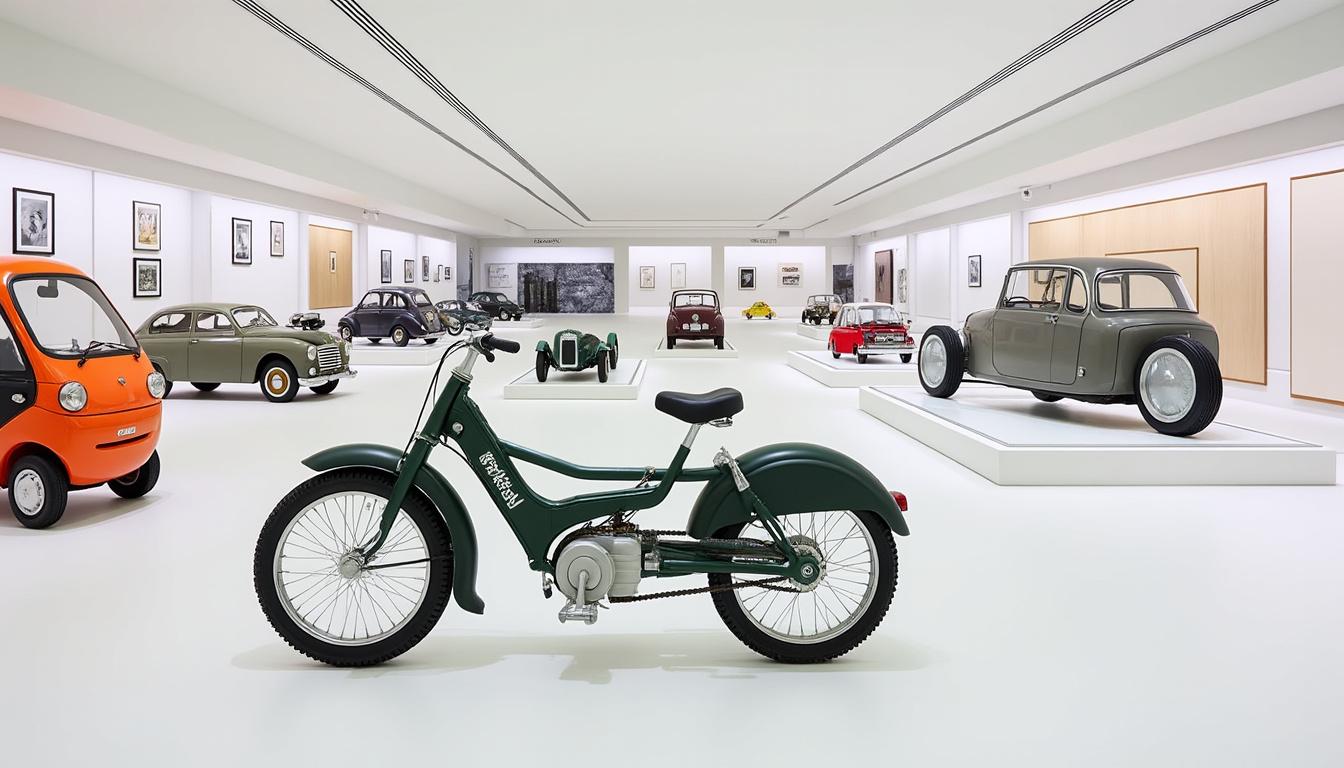
- 🚲 Sinclair C5: Clive Sinclair’s 1985 electric tricycle, decades ahead in concept but failed by limitations in speed and range.
- 🇬🇧 Brexit: Exemplifying political gamble and societal division, now displayed as a cautionary historical artefact.
With this exhibition, cultural institutions and tourism promoters can reflect on how embracing failure openly promotes a growth mindset in visitors, guiding them through history’s complex narrative of innovation.
Understanding Business Failures in British History: Lessons from the Titanic and Sinclair C5
The Titanic and Sinclair C5 stand out not merely as stories of failure but as rich case studies that highlight the complexities facing innovators and entrepreneurs. Examining these examples through a contemporary lens provides critical insights into risk management and user-centered design.
The Titanic: Engineering Ambition Meets Human Error
The RMS Titanic, launched in 1912, remains one of the most infamous maritime disasters in British history. Conceived as the epitome of luxury liners, its sinking after hitting an iceberg exposed miscalculations in safety and overconfidence in technological progress. This tragedy compels today’s innovators to balance ambition with thorough risk assessment.
Historically, the Titanic’s case illustrates how inadequate emergency procedures and social hierarchies contributed to loss of life, offering a guideline for how design and emergency planning must consider the user experience in full. For tourism providers managing heritage sites or storytelling, highlighting these nuanced failures educates visitors beyond simple facts and adds emotional engagement.
The Sinclair C5: Innovation Ahead of Its Time or Misjudged Market?
Launched in the UK in 1985, the Sinclair C5 was an electric tricycle created by Sir Clive Sinclair, celebrated for earlier breakthroughs in consumer electronics. However, the vehicle faced widespread criticism for its limited speed, range, and safety concerns, ultimately becoming a commercial flop.
This failure sheds light on how innovation technology must align closely with user needs and environmental contexts. For example, the C5’s inability to climb hills or travel in inclement weather made it impractical in many UK urban areas. Importantly, the C5’s story underlines the risk of launching novel technology prematurely without sufficient market readiness or infrastructure.
In a broader scope, this case exemplifies how early failures can foster future innovation, influencing later successes in electric vehicle design and urban mobility. This perspective is key for technology-driven tourism and business sectors seeking to balance pioneering products with sustainable user adoption.
For those interested, the Sinclair C5 development story provides comprehensive context on the project’s timeline and the technical challenges faced.
Reconciling Politics and Failure: The Exhibit on Brexit and Its Role in the National Narrative
The Museum of Failure includes Brexit as a contemporary exhibit, a bold choice that sparks reflection on the risks and consequences of political decisions. Political missteps often carry significant societal and economic impacts, making Brexit an educational tool on large-scale risk management and the unpredictability inherent in governance.
Brexit, while divisive, represents a colossal gamble with deep roots in British socio-economic dynamics. By framing it alongside technological and business failures, the museum offers a balanced understanding that failure is not confined to products but extends to policies and social systems.
This exhibition encourages visitors, particularly policymakers and cultural institutions, to consider the necessity of examining decisions critically and learning from outcomes—even when these outcomes are disruptive. By situating Brexit in a historical continuum of British challenges and responses, the exhibit prompts constructive dialogue rather than mere criticism.
Visitors interested in a broader perspective on political implications can explore detailed analyses at The Guardian’s coverage of the UK Museum of Failure opening, simplifying complex narratives into actionable insight.
How the Museum of Failure Shapes Innovation Culture and Visitor Experience in Smart Tourism
The exhibition’s focus on failure turns traditional museum narratives on their head, offering an invaluable lesson for smart tourism professionals looking to enhance visitor engagement using technology. Embracing failure as a part of the innovation lifecycle fosters a more authentic connection between visitors and exhibits.
In smart tourism and audio technology sectors, the Museum of Failure provides a prime example of how informative storytelling combined with technology can deliver layered educational experiences. Museums adopting tools like Grupem—an app transforming smartphones into professional audio guides—can integrate nuanced stories behind each exhibit, including setbacks and learning points.
For instance, using immersive audio narratives that explore the Titanic’s tragic story or the engineering ambitions of the Sinclair C5 allows visitors to engage emotionally and cognitively, improving retention and satisfaction. Moreover, highlighting failure as a universal human experience removes stigma, encouraging visitors to see innovation as a trial-and-error process rather than a linear success path.
Key benefits for smart tourism professionals:
- 🎧 Deliver rich, contextualized audio content to enhance museum storytelling.
- 📱 Facilitate inclusive, accessible tours that cater to diverse visitor needs.
- 💡 Foster innovative mindsets by normalizing experiment-driven learning.
- 🔍 Enable real-time analytics to understand visitor engagement and improve exhibitions.
Visit Grupem’s insight on museums embracing innovation after setbacks for practical examples of elevating visitor experiences post-failure exhibitions.
Showcasing Business and Technology Failures: Curating Educational Impact Through Exhibitions
The Museum of Failure’s curated collection spans a broad spectrum of sectors, demonstrating that setbacks happen universally, even to the most successful brands or technologies. This broad approach not only humanizes brand stories but also encourages a culture of continuous experimentation.
Table: Notable UK-Based Failures Featured in the Museum of Failure Exhibition
| Iconic Failure 🚩 | Sector ⚙️ | Main Reason for Failure ❌ | Legacy and Lessons 🎯 |
|---|---|---|---|
| Titanic | Maritime Transportation | Safety assumptions & iceberg collision | Emphasis on rigorous safety & crisis management |
| Sinclair C5 | Electric Vehicle Technology | Incomplete market readiness & technical limits | Innovation paving way for EV development |
| Brexit | Political Policy | Economic uncertainties & social division | Critical view on policy risk and citizen impact |
| Dyson’s Zone | Consumer Electronics | Market mismatch & product reception | Focus on better aligning innovation with demand |
| NHS National IT Programme | Public Health Technology | Implementation complexity & funding issues | Importance of realistic project scope and governance |
Cultural and tourism professionals can leverage these insights to curate exhibitions that maximize educational impact and visitor engagement. Rather than simply presenting successes, showing the less glamorous side of innovation helps visitors understand that progress often involves setbacks and recalibrations.
What is the core message of the Museum of Failure?
The museum aims to reframe failure as a universal, necessary part of innovation, promoting risk-taking and learning rather than stigmatizing mistakes.
Why is the Sinclair C5 considered a failure despite being innovative?
The Sinclair C5 faced market rejection due to its limited speed, range, and safety issues, demonstrating that technological innovation must align with practical user needs.
How can the Museum of Failure inspire smart tourism initiatives?
By providing narratives that normalize failure and encourage resilience, the museum offers valuable lessons on creating engaging, tech-enhanced visitor experiences.
Why is Brexit included as an exhibit in a museum about failure?
Brexit exemplifies the complexities and risks of political decisions, offering insights into societal impacts and governance failures that mirror business and technological risks.
What role does British humour play in the Museum of Failure?
British black humour helps visitors connect emotionally with the exhibits, embracing flaws and setbacks with a candid, often sarcastic perspective that enhances understanding.
