
Few moments to spare? Here’s the essence to remember:
✅ Morgan Freeman’s unmistakable voice is targeted by unauthorized AI voice replicas, raising significant ethical and legal questions.
✅ Understanding the technology behind AI voice cloning helps grasp why misuses generate frustration among celebrities and professionals alike.
✅ Implementing strong digital rights frameworks is essential to safeguard celebrity voices and ensure proper consent and compensation.
Understanding Morgan Freeman’s Frustration With AI Voice Replicas
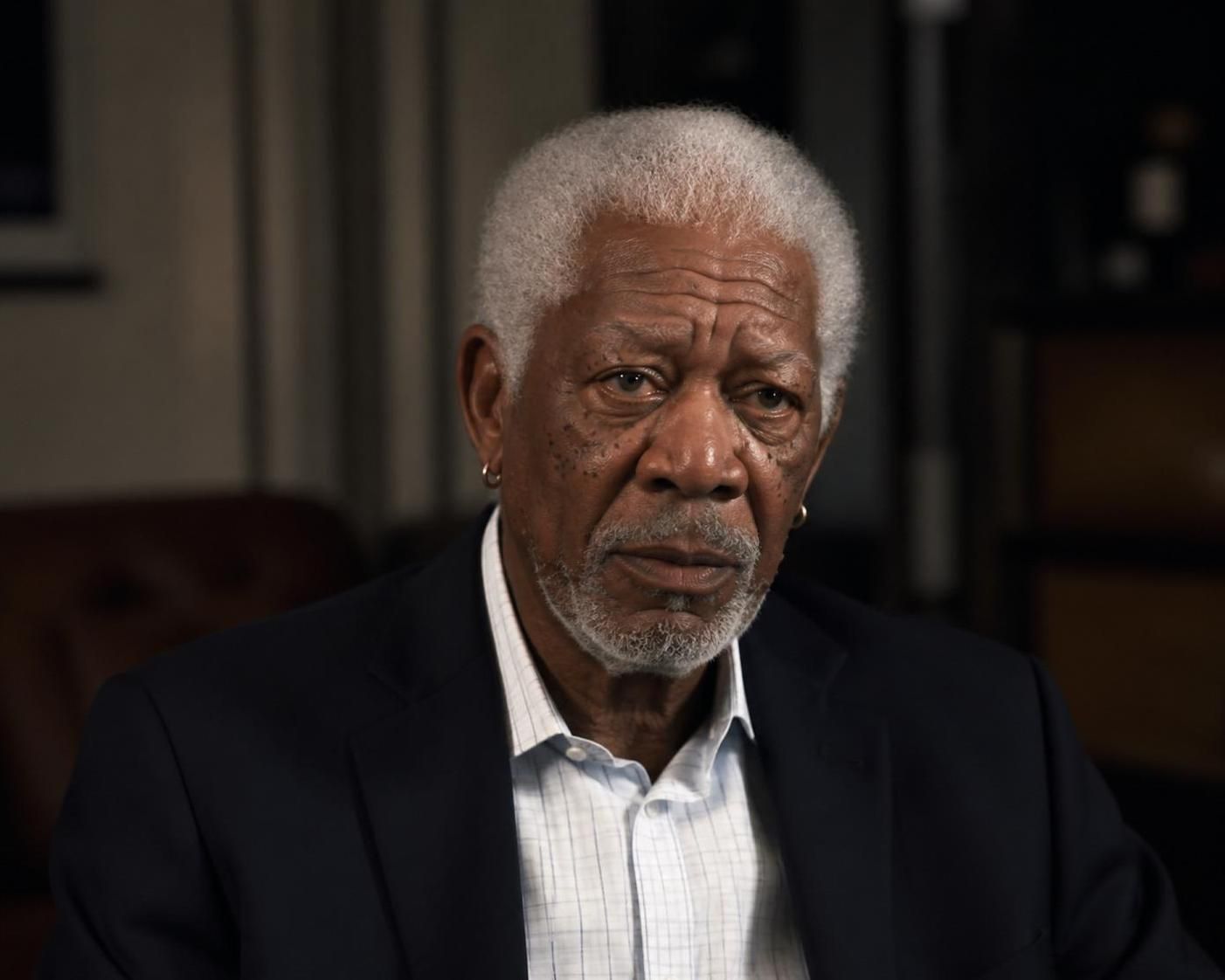
Morgan Freeman, acclaimed for his iconic “voice of God,” has publicly expressed deep frustration with the surge in unauthorized AI-generated replicas of his voice. The actor’s concern focuses on the misuse of artificial intelligence to clone his distinctive tone without permission, a practice he describes as not only unethical but illegal. In a recent conversation with People magazine, Freeman said he was “a bit PO’d” by the situation, underscoring the emotional toll on public figures over such digital rights violations.
This frustration isn’t isolated; it reflects broader concerns about the rapid advancement of AI voice cloning technology, which has made it increasingly easy to produce deepfake audio that mimics a celebrity’s voice with alarming accuracy. These synthetic voices can be employed in unauthorized commercials, podcasts, or even manipulated political messages. The ease with which these replicas can be created and distributed worries many in the entertainment industry, who face losing control over their digital identity.
The core of the issue lies in the intersection of technology and legal frameworks. AI voice cloning tools leverage machine learning algorithms trained on vast datasets of existing voice recordings. Once trained, these systems can generate new speech utterances indistinguishable from the original speaker without their involvement. For Morgan Freeman, this means his voice — cultivated over decades as a professional instrument — is being used in ways that bypass his consent and remuneration.
This misuse also poses challenges for the audiences and professionals relying on authentic voice content. Trust is compromised when listeners can no longer ascertain whether they are hearing the genuine celebrity or a synthetic copy. The ramifications extend beyond personal rights, touching on issues of authenticity, misinformation, and public perception.
In response to this growing threat, Freeman is reportedly taking legal action against companies utilizing unauthorized AI voice technology, as noted by MSN’s coverage. His case signals an urgent call for clearer regulations and stronger safeguards concerning celebrity voice protection, digital identity, and AI ethics.
The Technology Behind AI Voice Cloning and Its Implications on Celebrity Voice Rights
The process of cloning a celebrity voice such as Morgan Freeman’s draws from several technological advancements in artificial intelligence. Primarily, AI voice cloning relies on deep learning architectures, including neural networks trained on large audio datasets, to capture subtle nuances of speech patterns, intonation, and emotion.
These technologies fall into categories like text-to-speech (TTS) and voice conversion systems. In the case of TTS, written text is transformed into spoken words using the cloned voice, while voice conversion alters one speaker’s audio to sound like another. Both methods have evolved to create convincing replicas that challenge traditional concepts of voice uniqueness.
For example, a video game developer or advertising agency might legally license a voice actor to provide lines. However, AI voice replication allows for the generation of an actor’s digital voice asset with minimal physical input once the initial dataset is created. This raises practical benefits but also complex ethical dilemmas related to consent and control.
Voice cloning technology’s implications on celebrity voice rights have forced industries to reconsider intellectual property frameworks. Voice rights—especially for iconic performers—are increasingly recognized as part of digital identity, requiring legal protection akin to image rights or trademarks.
Companies like Grupem have been paving the way with applications such as AI voice usage guidelines or secure digital licensing to ensure voice actors and celebrities maintain control over how their likeness and voice are deployed in emerging media formats. Greater awareness and discussion about these frameworks become essential to avoid cases where misuse leads to harmful outcomes, including financial loss or reputation damage.
The following table summarises critical aspects of AI voice cloning technology and its impact on celebrity voice protection:
| ⚙️ Technological Aspect | 🔍 Key Features | 🎯 Impact on Celebrity Voices |
|---|---|---|
| Deep Learning Models | Train on voice samples to mimic tone, pitch, and expression | Enables near-perfect voice replicas, difficult to distinguish from real voice |
| Text-to-Speech Systems | Convert text to synthetic speech in cloned voice | Potential unauthorized content generation without consent |
| Voice Conversion | Transforms source speech to target voice style | Facilitates misuse in audio manipulation and deepfakes |
| Data Requirements | Large datasets of voice samples needed | Raises issues of how voice data was obtained and authorized |
| Digital Licensing & Management | Controls rights and usage of synthetic voices | Essential for protecting celebrity voices and preventing exploitation |
Strategies to Ensure Ethical AI Voice Use in Tourism Applications
In smart tourism and audio technologies, the use of AI voices offers opportunities for creating engaging, personalized tour experiences. However, deploying synthetic voices—especially those mimicking known celebrities—must respect digital rights and existing legal frameworks. Tour operators and museums are advised to source licensed voices or develop original audio content. For those interested, resources like Grupem’s analysis provide practical guidance on legal and ethical AI voice usage aligned with industry standards.
Legal Challenges and Digital Rights in Regulating AI-Generated Celebrity Voice Replicas
With Morgan Freeman’s case spotlighting unauthorized AI voice replicas, the question of legal accountability becomes critical. Current intellectual property laws often lag behind emerging AI technologies, creating loopholes exploited by companies and individuals who produce these synthetic voices without proper authorization.
Legal action initiated by celebrities, including Freeman, concentrates on violations of rights related to personality, likeness, and voice. In jurisdictions like the United States, right of publicity laws protect against unauthorized commercial use of one’s identity, which now extends into the digital realm involving AI-generated content.
However, enforcement challenges arise when voices are replicated by entities operating in countries with weak or unclear regulations, or when the line blurs between parody, fair use, and outright infringement.
“I’m a little PO’d,” Freeman admitted in a Yahoo Entertainment interview, emphasizing that his legal team is actively addressing unauthorized usages. Such cases emphasize the importance of global collaboration and the development of specific AI voice cloning legislation to safeguard celebrity digital personas robustly.
The question extends to how future policies should regulate AI tools to prevent misuse while fostering innovation. This includes mandatory disclaimers on synthetic voices, stricter licensing protocols, and transparency to protect both creators and consumers in the digital audio landscape.
Legal precedents forged by celebrity cases will impact not only entertainment but sectors relying on synthetic voices, from e-learning to accessibility services in smart tourism, where clear consent and rights management are imperative.
Practical Recommendations for Managing AI Voice Cloning Risks in Professional Settings
Considering the growing presence of AI voice replicas, professionals managing audio content, whether in tourism, media, or entertainment, must adopt proactive strategies to mitigate risks and ensure ethical use. Below are key steps to consider:
- 🔐 Implement strict digital rights management (DRM) protocols: Control voice data usage and monitor distributions to avoid unauthorized voice cloning.
- 📝 Use legally compliant licensing agreements: Ensure all voice recordings intended for AI training or replication have explicit consent and compensation provisions.
- 🛠️ Leverage verified AI platforms: Employ trusted providers with transparent policies and audit capabilities for synthetic voice generation.
- ⚠️ Educate staff and partners: Build awareness around ethical implications and technological limits to reduce inadvertent misuse.
- 📊 Deploy monitoring tools: Use AI-enabled detection software to identify deepfake audio in public channels.
- 📚 Stay updated on evolving regulation: Follow changes in intellectual property and AI governance to adapt compliance measures promptly.
In smart tourism, these recommendations help protect both the organization’s reputation and the rights of voice artists involved, aligning with the latest insights from Grupem on voice cloning AI concerns. Practicing vigilance now prevents costly disputes later.
Balancing Innovation and Ethics: The Future of Celebrity Voice and AI
The intersection of Morgan Freeman’s frustration with AI voice replicas signals a broader industry and societal debate. As artificial intelligence tools become more sophisticated, the challenge lies in balancing innovation’s benefits with ethical responsibilities. Voices locked in decades of unique performances and public familiarity transcend mere data points; they embody personal identity and creative labor.
The industry could benefit from building frameworks that incorporate:
- 🌍 International agreements on voice data rights: Unifying regulatory standards to prevent cross-border misuse.
- 🔒 Robust consent mechanisms: Transparent options for celebrities and voice actors to grant or deny AI voice usage.
- 💡 Innovative compensation models: Licensing and royalties adapted to new media formats featuring synthetic voices.
- 🤝 Responsible AI development: Designing voice cloning with embedded usage restrictions and ethical safeguards.
Through such measures, the potential for smart audio experiences—such as immersive guided tours enhanced by AI narration—can be realized without compromising artistic integrity or individual rights. Prominent examples in the smart tourism sector show how carefully managed AI voice deployment creates engaging and accessible visitor experiences. More information on these best practices is detailed in Grupem’s overview of digital announcer applications using AI voices.
Ultimately, as Morgan Freeman’s case highlights, maintaining respect for the human voices behind AI technology is essential for fostering trust and sustainability in audio innovation.
What is Morgan Freeman’s main concern about AI voice replicas?
Morgan Freeman is primarily concerned about unauthorized use and replication of his distinctive voice by AI technologies without his consent or compensation, which he views as unethical and illegal.
How does AI voice cloning technology work?
AI voice cloning uses deep learning algorithms trained on voice samples to replicate a person’s unique speech patterns and generate synthetic speech almost indistinguishable from the real voice.
Why is digital rights management important for celebrity voices?
Digital rights management protects celebrities from unauthorized use of their voices by governing licensing, usage terms, and ensuring proper compensation and consent.
What legal actions are being taken against unauthorized AI voice usage?
Celebrities like Morgan Freeman are pursuing legal measures based on right of publicity and intellectual property laws to prevent misuse of AI-cloned voices.
How can professionals in tourism utilize AI voices ethically?
Tourism professionals should use licensed AI voices or develop original content, implement digital rights safeguards, and follow best practices to ensure ethical and legal use of AI-generated audio.
