
Short on time? Here is what you need to know:
✅ MoMA PS1 will offer free entry to all visitors starting January 1, 2026, making it the largest free museum in New York City.
✅ This transition is funded by a $900,000 donation from entrepreneur Sonya Yu and aims to broaden art accessibility.
✅ Moving towards free admission can notably increase museum attendance and enhance the public’s engagement with cultural institutions.
🎁 Additionally, several museums across the U.S. are adopting similar models to democratize art education and public art experiences.
Transforming Museum Access: The Impact of MoMA PS1’s Free Admission Policy
MoMA PS1’s recent announcement to eliminate all admission fees starting in 2026 represents a pivotal shift in how art institutions approach accessibility and engagement. Since 2015, MoMA PS1 had already set a precedent by offering free entry exclusively to New York City residents while charging a suggested fee of $10 to other visitors. This fee had previously increased from $5 back in 2010, illustrating the historical reliance of museums on ticket revenues to support operations.
Thanks to a generous $900,000 contribution from Sonya Yu, a creative entrepreneur and art patron, MoMA PS1 is positioned to become New York’s largest completely free art museum. Yu, who has emphasized her personal experience as a Chinese immigrant and mother in advocating for accessible art, views this initiative as a means of reshaping imagination and perspectives across demographics. This message resonates well with the museum’s mission to make public art and contemporary exhibitions more inclusive.
The implications of such a move become more evident when compared to its local peers. Museums like the Guggenheim, Whitney Museum, and Metropolitan Museum of Art have opted to raise admission fees to $30 in an effort to buffer the inflation and compensate for declining attendance triggered by pandemic restrictions. Contrarily, MoMA PS1’s free entry initiative not only challenges this trend but also aligns with research suggesting the benefits of free access — greater visitor numbers, reduced cost per guest, and potential for deeper cultural engagement.
From a practical standpoint, removing admission fees eliminates any financial barriers that may deter diverse audiences including students, families, and tourists. For the tourism and cultural sectors, this sets a new standard encouraging other institutions to re-evaluate their pricing strategies to foster inclusivity. Furthermore, free admission can revitalize art education by encouraging spontaneous visits and repeat attendance, essential for community engagement and museum sustainability.
Exploring further, the forthcoming free admission at MoMA PS1 also exemplifies how cultural institutions can innovate while preserving financial health through philanthropy and alternative funding channels. To understand how other museums face this transition, see strategies for managing financial sustainability in museums amidst evolving access policies.
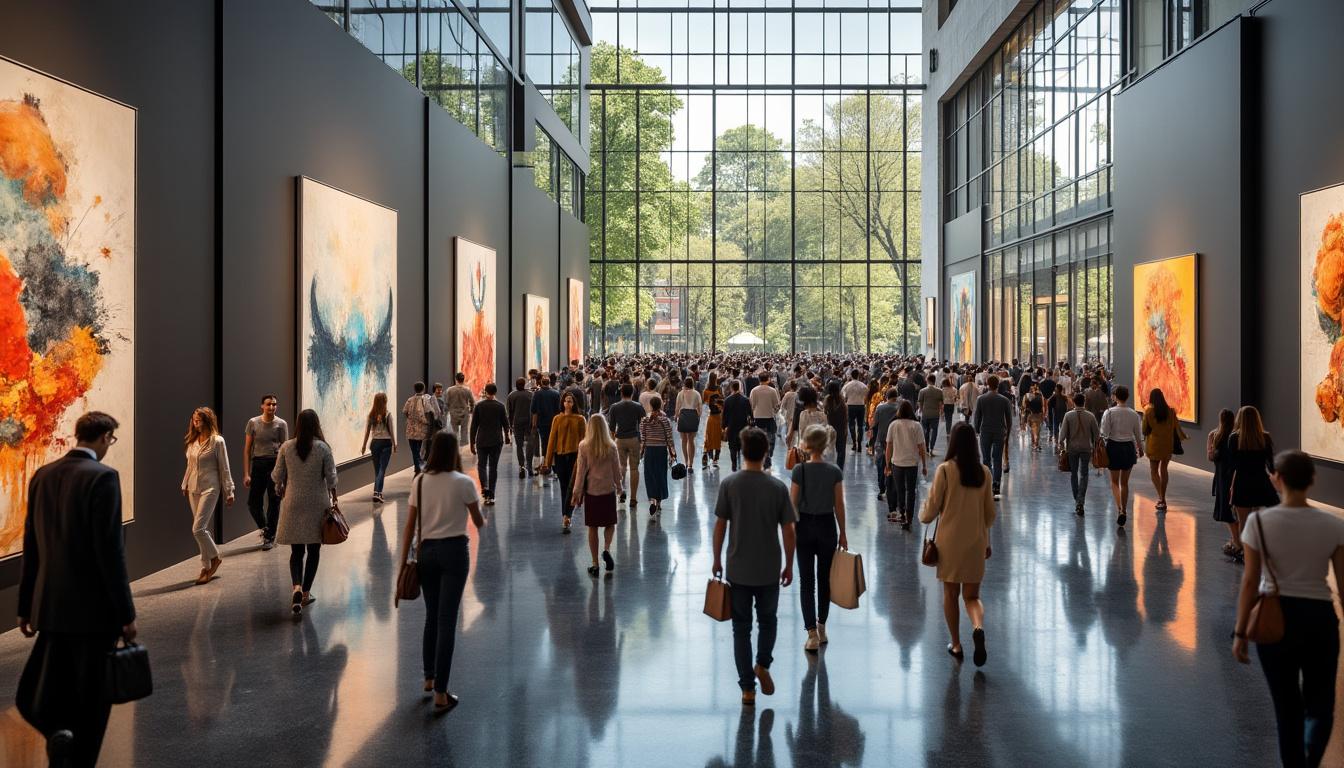
Broader Trends in the Museum Sector: Adoption of Free Entry Across U.S. Institutions
The shift toward eliminating admission fees is gaining momentum beyond New York City’s art scene. Several museums in the United States have implemented or expanded free access programs, demonstrating a growing collective awareness of accessibility’s role in fostering museum relevance in the modern era.
For example, the University of Washington’s Henry Art Gallery began offering free entry after a $162,000 grant from King County supported this initiative. As of 2024, the museum experienced a significant 55% boost in visitor attendance, signaling the positive correlation between price removal and increased public engagement. Similarly, the Figge Art Museum in Iowa has enhanced its commitment to inclusivity by waiving its $14 admission for SNAP/EBT cardholders through the Museums for All program, targeting socioeconomic accessibility.
Private initiatives also demonstrate alternative approaches to museum accessibility. Amanda J. Precourt’s Cookie Factory in Denver operates as a private, free-access contemporary art space that blends real estate development with public art engagement. This model highlights how creative funding and philanthropy can help sustain zero-cost admission without sacrificing exhibition quality.
On the other hand, some institutions strike a balance between free and paid access by offering specific zones or programs at no cost. Kentucky’s Speed Art Museum, while maintaining a $25 general admission fee, inaugurated an outdoor art park featuring free access to large-scale sculptures by artists like Sol LeWitt and Zaha Hadid, expanding art accessibility in an innovative way that complements paid exhibitions.
These examples reflect a growing trend among cultural institutions to experiment with various admission policies tailored to their communities and funding capabilities. One must consider that no single model fits all; however, these emerging practices collectively emphasize lowering entry barriers to democratize art education and foster sustainable museum attendance.
For insights on balancing free admission with visitor engagement, consult analyses on declining attendance and museum responses.
Key benefits of free admission in museums 🖼️
- 🎯 Increased visitor numbers, including new and diverse audiences
- 💡 Enhanced engagement and repeat visits driven by no-cost entry
- 🤝 Better community integration and partnership opportunities
- 📚 Expanded educational outreach and programming potential
- 💸 Lower administrative costs for ticketing and admission processing
Innovative Funding Models Enabling Free Admission Policies in Museums
Maintaining a free admission policy requires robust financial backing and innovative revenue streams. MoMA PS1’s initiative exemplifies how significant philanthropic support can catalyze expanded access to art. Entrepreneur Sonya Yu’s $900,000 donation will underpin the museum’s admission-free program from January 2026 through 2028, helping offset revenue loss historically generated through ticket sales.
This approach highlights the crucial role of private patronage and endowment funds in supporting museums’ mission-driven accessibility objectives without compromising operational viability. The recent $3 million gift to the University of Rochester’s Memorial Art Gallery for permanent elimination of its $20 adult fee illustrates similarly transformative philanthropy, offering a sustainable model based on fully funded endowments covering annual admission revenues.
Nevertheless, not all museums can rely on large donations alone. Alternative strategies include increasing membership programs, expanding retail and dining services, hosting events, and leveraging digital engagement tools—such as interactive audio guides—to diversify income streams while making physical entry free.
Among financial considerations, careful planning to balance increased attendance against operational costs is essential. The independent Remuseum project recently found that while free admission generally increases foot traffic and accessibility, some institutions experienced shifts in the average cost per guest that required adjustments in staffing and maintenance budgets.
Ultimately, museums adopting free admission are catalyzing broader conversations about the role of cultural institutions in society. Financial sustainability intertwined with accessibility fosters a more inclusive model of public art appreciation and education. For comprehensive insights into museum financial strategies adapting to admission changes, visit this resource.
How free admission impacts museum operations 🏛️
| Aspect 🎨 | Effect of Free Admission ➡️ | Management Considerations 🛠️ |
|---|---|---|
| Visitor Volume 📈 | Substantial increase in daily attendance | Enhance visitor flow management and crowd control |
| Revenue Sources 💰 | Loss of ticket income but growth in donations and memberships | Develop diversified funding and sponsorship plans |
| Operational Costs 🧹 | Increased maintenance and staffing required | Optimize schedules and volunteer programs to balance expenses |
| Community Engagement 🤝 | Greater inclusion and diversified audiences | Expand outreach and culturally relevant programming |
Technology and Digital Innovations to Enhance Free Museum Experiences
The movement toward free admission is amplified when combined with innovative technological solutions that improve visitor experience and optimize museum operations. Tools such as intelligent audio guides transform smartphones into personalized museum companions, enhancing art education and public art appreciation without additional cost burdens.
Applications like Grupem offer scalable, cost-effective solutions to cultural institutions aiming to modernize their mediation approaches. By integrating smart audio tech that provides layered narratives, translations, and interactive content, museums can serve new, diverse visitors more effectively, even as attendance numbers grow.
This digital mediation encourages self-paced exploration, reducing pressure on staff while maintaining high engagement. Museums embracing free entry policies benefit from deploying such audio guides to maintain quality visitor experiences despite increased foot traffic. Additionally, accessible technology bridges gaps for visitors with disabilities, non-native languages, and different learning styles.
Furthermore, the integration of mobile apps and digital tickets streamlines the visitor journey from entry to exit, enhancing satisfaction and collecting valuable data to optimize exhibitions and services. By coupling fee elimination with intelligent digital tools, museums create more inclusive and efficient cultural institutions.
For museums considering technological integration to support free entry, resources such as visitor fee impact studies and modern audio mediation platforms can guide implementation strategies.
Global Implications of Free Admission Policies on Cultural Engagement and Tourism
The elimination of admission fees at institutions like MoMA PS1 has far-reaching effects beyond local visitor increases, influencing global trends in cultural tourism and public art experiences. By lowering financial barriers, museums attract a wider demographic, including international tourists, students, and underserved communities, thus positioning themselves as accessible centers for global cultural exchange.
This democratization expands the potential for art exhibitions to inspire diverse perspectives, fostering a shared understanding and dialogue around contemporary issues. Many other institutions worldwide, such as Shanghai’s Rockbund Art Museum, which removed its entry fee in 2025, reflect similar motivations aimed at broadening inclusivity.
In touristic cities, free museum access often correlates with longer stays and heightened economic impact through associated spending in hospitality and local businesses. Destinations that emphasize accessible culture generally benefit from positive brand recognition and visitor loyalty, which are critical to sustainable tourism development.
Moreover, free admission policies can be strategically employed to cultivate cultural education among younger demographics. For instance, the Whitney Museum’s expansion of free entry for guests 25 and under resulted in a three-fold increase in youth attendance, demonstrating how age-targeted access initiatives support lifelong engagement with the arts.
Such policies express a cultural commitment to equity and participation, reinforcing museums’ roles as vital societal actors. For professionals in tourism and cultural organization, understanding these impacts helps optimize event planning and resource allocation.
Further reading on cultural tourism and museum strategies is available at this analysis of free museum days and local tourism boost.
How does MoMA PS1’s free admission policy affect visitor demographics?
Making admission free for all visitors broadens access across socioeconomic groups, attracting more diverse audiences including tourists, students, and families, which enhances cultural engagement.
What financial challenges do museums face when eliminating admission fees?
Museums may lose ticket revenue but can compensate through increased donations, memberships, event hosting, and philanthropic support, requiring strategic financial planning.
Can free admission lead to overcrowding in museums?
Higher visitor numbers can increase crowding, requiring museums to improve visitor flow management, scheduling, and staffing to maintain a quality experience.
How can technology support museums offering free entry?
Smart audio guides, mobile apps, and interactive digital tools enhance visitor engagement, improve accessibility, and optimize operations often without additional cost to visitors.
Are free admission policies sustainable long-term?
When supported by diversified funding, endowments, and innovative revenue models, free admission can be sustainable and beneficial for cultural institutions’ missions.
