
Peu de temps ? Voici l’essentiel à retenir :
- ✅ Sudden departure of the Chief Curator at the Lucas Museum raises significant questions about the institution’s museum leadership.
- ✅ The continued oversight of curatorial content by founder George Lucas reflects an unusual leadership change method in a major cultural institution.
- ✅ Staff layoffs and leadership upheavals illustrate ongoing challenges in fulfilling the museum’s mission and threaten its standing in the art world.
- ✅ The intersection of cultural representation and institutional change prompts broad curiosity and speculation about the museum’s future direction.
Examining the Sudden Departure of the Lucas Museum’s Chief Curator and Its Implications on Museum Leadership
The Sudden Departure of Pilar Tompkins Rivas as Chief Curator and Deputy Director of Curatorial and Collections at the Lucas Museum of Narrative Art represents a pivotal moment in the museum’s development. This unexpected vacancy comes just months after a notable reduction of 14% in the museum’s full-time staff, exposing underlying turbulence within the institution’s structure.
An official communication from Interim Chief Executive Jim Gianopulos to the staff revealed no immediate plans to replace Tompkins Rivas, signaling a significant shift in the museum’s administrative and curatorial approach. Rather than appointing a successor, the current founder, George Lucas, has directly assumed responsibility for overseeing curatorial content and direction. This unusual leadership change in a museum valued at $1 billion, preparing to open in late 2026, prompts a close review of governance strategies common in large cultural institutions.
The decision not to fill the chief curator role immediately, as reported by LA Times, opens questions on the museum’s readiness to maintain strong art curation, especially with mounting pressure from prior layoffs and leadership instability. It suggests a potential reevaluation of strategic priorities or internal restructuring that may impact the museum’s operational and cultural trajectory.
Considering professional standards in the art landscape, a chief curator plays an indispensable role in shaping the narrative, exhibition quality, and community outreach of a cultural institution. Without this key leadership, museums risk diluting their mission and diminishing their impact. The Lucas Museum’s reliance on its founder for curatorial guidance is a rare model, risking ambiguity in decision-making processes and possibly hindering the museum’s ability to innovate or adapt quickly.
- 📌 Departure timing coincides with recent staff layoffs affecting 22 employees, raising concerns about institutional stability.
- 📌 The museum’s longstanding delays shifted its opening date multiple times, now set for September 22, 2026.
- 📌 This leadership gap fuels curiosity within the art world regarding how the museum will navigate the transition.
- 📌 Questions arise about the museum’s capacity to maintain its commitment to educational programming and community engagement.
| Aspect ⚖️ | Detail Information 📋 | Impact on Museum |
|---|---|---|
| Leadership Change 🔄 | Chief Curator departs; no immediate replacement; George Lucas assumes curatorial oversight | Potential bottleneck in decision-making; uncertainty in exhibition planning |
| Staff Layoffs 💼 | 14% of full-time staff dismissed, mainly Learning and Engagement teams | Reduced capacity for educational outreach; possible public criticism |
| Opening Delay ⏳ | Postponed several times; confirmed for September 2026 | Challenges with public confidence and operational readiness |
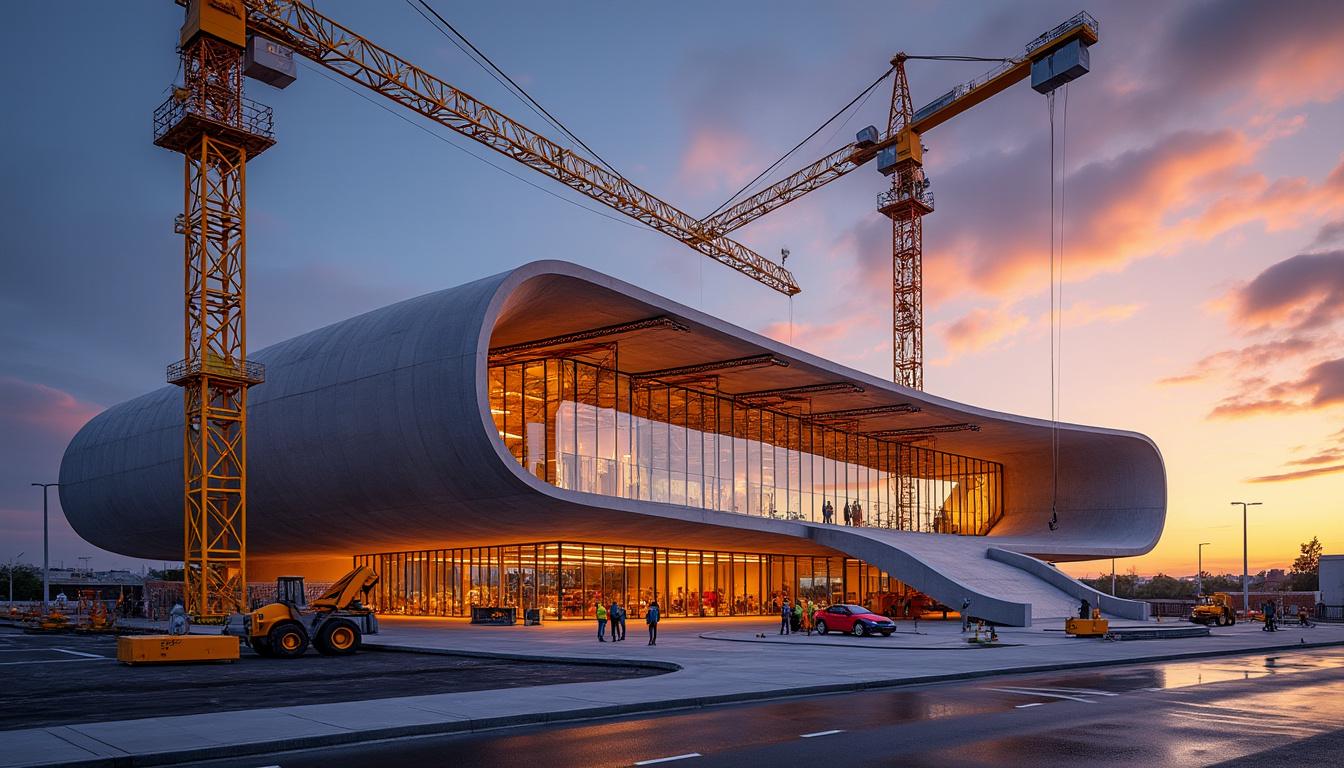
Understanding Museum Leadership and Its Influence on Art Curation Dynamics at the Lucas Museum
The unfolding events at the Lucas Museum highlight intricate museum leadership challenges that significantly affect art curation and overall institutional efficacy. Leadership in cultural institutions is not merely administrative; it defines the tone, creativity, and engagement of a museum’s offerings.
Pilar Tompkins Rivas’s prior successes as a visionary and inclusive curator—for example, her prominent role at the Vincent Price Art Museum in Los Angeles—demonstrate the kind of dynamic leadership necessary to maintain a museum’s innovative function in the contemporary art ecosystem. Her leadership was marked by an inclusive curatorial approach that elevated Latinx and local artists, fostering community participation and critical discourse.
With her departure, the museum risks losing momentum in these areas, especially considering the broader cultural and political environment where representation matters profoundly. Critics and artists alike have expressed alarm, emphasizing that the loss of a key Latinx woman curator is especially significant given ongoing national concerns around diversity and inclusion.
- ✨ Leading women of color reduced in leadership roles from six to two after recent exits.
- ✨ The museum’s educational department’s dismantling contrasts sharply with its original mission to serve 100+ local schools.
- ✨ Cultural commentators voice apprehension about how this private museum on public land will fulfill community obligations.
- ✨ The leadership crisis reflects broader systemic tensions between corporate governance and cultural accountability.
| Leadership Feature 🌟 | Details ⚙️ | Consequences for Diversity and Representation |
|---|---|---|
| Chief Curator’s Role | Curatorial vision, exhibitions, artist relations | Vital to centering diverse artistic voices and educational outreach |
| Representation | At least half leadership were women of color in 2020 | Decline threatens inclusivity and public trust |
| Community Engagement | Learning & Engagement teams mostly laid off | Reduced capacity for programs that build local relationships |
Speculation and Community Reaction Surrounding the Chief Curator’s Unexpected Exit
The curiosity ignited by the Sudden Departure of Pilar Tompkins Rivas extends well beyond internal museum circles. Given the scale and visibility of the Lucas Museum, stakeholders including artists, cultural critics, and the general public have contributed to ongoing speculation about the reasons and implications behind this leadership turnaround.
Notably, the museum has remained silent on the details, declining to confirm whether the departure was voluntary or a layoff, which further fuels conjecture. Social media platforms and art forums have reacted strongly, with many pointing to the departure as indicative of internal discord or a realignment of institutional values under direct founder control.
Such speculation is compounded by prior events, including the resignation of the inaugural Director and CEO earlier in the year and significant layoffs affecting critical departments. Observers question how the museum can sustain its pioneering vision amid repeated leadership disruptions and controversial staffing decisions.
- ❓ Questions about transparency loom due to scarce communication from the museum’s management.
- ❓ Concerns over whether direct control by George Lucas stifles curatorial independence.
- ❓ Speculation about possible shifts in artistic direction or priorities post-departure.
- ❓ Apprehension about the museum’s ability to maintain community trust and fulfill educational promises.
| Issue 🔍 | Community Reaction 💬 | Potential Outcome |
|---|---|---|
| Lack of Transparency | Public frustration; media speculation | Potential erosion of museum reputation |
| Direct Founder Oversight | Mixed perceptions; concern over autonomy | Risk of curatorial stagnation or bias |
| Staff Stability | Artist and staff unease | Challenges in attracting talent and funding |
Impact of Leadership Changes on the Lucas Museum’s Commitment to Community and Educational Outreach
The Lucas Museum’s original mission, strongly emphasized during its approval by the LA City Council in 2017, involved extensive educational programming aimed at serving over 100 schools in South Los Angeles. However, the abrupt leadership and staff changes have cast doubt on the feasibility of this plan.
The layoffs primarily affected departments directly responsible for Learning and Engagement, reducing the museum’s operative capacity to build sustainable partnerships with the local community. This calls into question how the museum intends to reconcile its private management structure with its public community promises.
Experts in museum management warn that such dissonance risks alienating the community and eroding the institution’s social capital, a critical factor for long-term success. The integration of smart tourism and digital mediation, areas familiar to forward-thinking institutions like the Lucas Museum, require credible and stable leadership to innovate within participatory and accessible frameworks.
- 📘 Educational capacity reduced due to staff layoffs and shifting priorities.
- 📘 Community trust depends on transparent and consistent engagement strategies.
- 📘 New leadership models must accommodate both corporate efficiency and public accountability.
- 📘 Technology-driven visitor experiences risk falling short without strong curatorial vision.
| Area of Focus 🎯 | Situation 📉 | Required Actions 🔧 |
|---|---|---|
| Educational Programming | Staff cuts, reduced outreach | Reinvestment in learning teams; strategic partnerships |
| Community Engagement | Uncertain with leadership flux | Clear communication; inclusive events |
| Visitor Experience | Potential stagnation without curator | Implement digital tools; maintain curatorial innovation |
Future Prospects: Navigating the Aftermath of Leadership Upheaval at the Lucas Museum
The Lucas Museum’s current trajectory offers a profound case study on managing large-scale cultural institutions amid rapid leadership changes. While the sudden exit of a Chief Curator naturally generates speculation, it also presents an opportunity for reevaluation of governance, vision, and community role.
Effective transition planning that prioritizes transparency and engagement will be paramount to restoring confidence among stakeholders including artists, visitors, and funders. Leveraging innovations in smart tourism and digital engagement platforms can help the museum maintain relevance in a competitive cultural market despite ongoing internal adjustments.
Additionally, adopting best practices from other institutions facing similar upheavals—such as focused interim appointments, enhanced communication strategies, and continuous community involvement—could fortify the museum’s pathway forward.
- 🚀 Prioritize transparent updates to quell ongoing curiosity and reduce unproductive speculation.
- 🚀 Consider interim or rotating curatorship to maintain artistic momentum without rushing a replacement.
- 🚀 Expand digital guide and audio technologies to support visitor engagement despite leadership gaps.
- 🚀 Embrace a more inclusive leadership composition that reaffirms the museum’s commitment to diversity.
| Strategic Focus 🎯 | Recommended Actions 🟢 | Expected Benefits 🌟 |
|---|---|---|
| Transparency | Regular communication channels; press releases | Restored public trust; reduced rumors |
| Interim Leadership | Temporary appointments; advisory committees | Continuity of vision; stable exhibitions |
| Digital Innovation | Implement smart audio guides; interactive apps | Enhanced visitor experience; broader accessibility |
| Diversity Commitment | Recruit diverse leaders; community feedback integration | Greater inclusivity; strengthened cultural relevance |
Continuous monitoring of these elements is fundamental as the Lucas Museum advances towards its opening in fall 2026. For further insights on the evolving situation of museum leadership and cultural institutional stability, explore in-depth analyses such as the comprehensive overview available at Grupem’s analysis on the Lucas Museum upheaval.
Who was Pilar Tompkins Rivas and what was her role at the Lucas Museum?
Pilar Tompkins Rivas served as the Chief Curator and Deputy Director of Curatorial and Collections at the Lucas Museum, overseeing exhibition curation and collection management until her unexpected departure in late 2025.
What consequences does the chief curator’s departure have on the museum’s upcoming opening?
The sudden loss of key curatorial leadership raises concerns about exhibition planning and maintaining the museum’s artistic vision as it approaches its official opening in September 2026.
How is the leadership change affecting educational programming at the Lucas Museum?
Recent layoffs and leadership gaps have weakened the museum’s learning and engagement teams, threatening its capacity to serve the local community as originally intended.
Why is George Lucas personally overseeing curatorial direction now?
Following the chief curator’s departure and without a replacement named, George Lucas has taken on direct oversight of curatorial content to ensure continuity during the leadership transition.
What are the main challenges facing the Lucas Museum amid these leadership changes?
Challenges include maintaining curatorial integrity, fulfilling community and educational commitments, and managing public perception and staff morale during a period of instability.
