
Peu de temps ? Voici l’essentiel à retenir :
✅ Lionel Richie takes proactive measures to ensure voice protection against AI technology threats.
✅ Trademarking famous vocal phrases secures unique artist identity in the fast-evolving music industry.
✅ Understanding the legal challenges and digital innovation is key to effective vocal preservation.
✅ Artists must embrace digital tools to safeguard authenticity while navigating AI impacts.
How Lionel Richie Safeguards His Legendary Voice Through Voice Trademarking
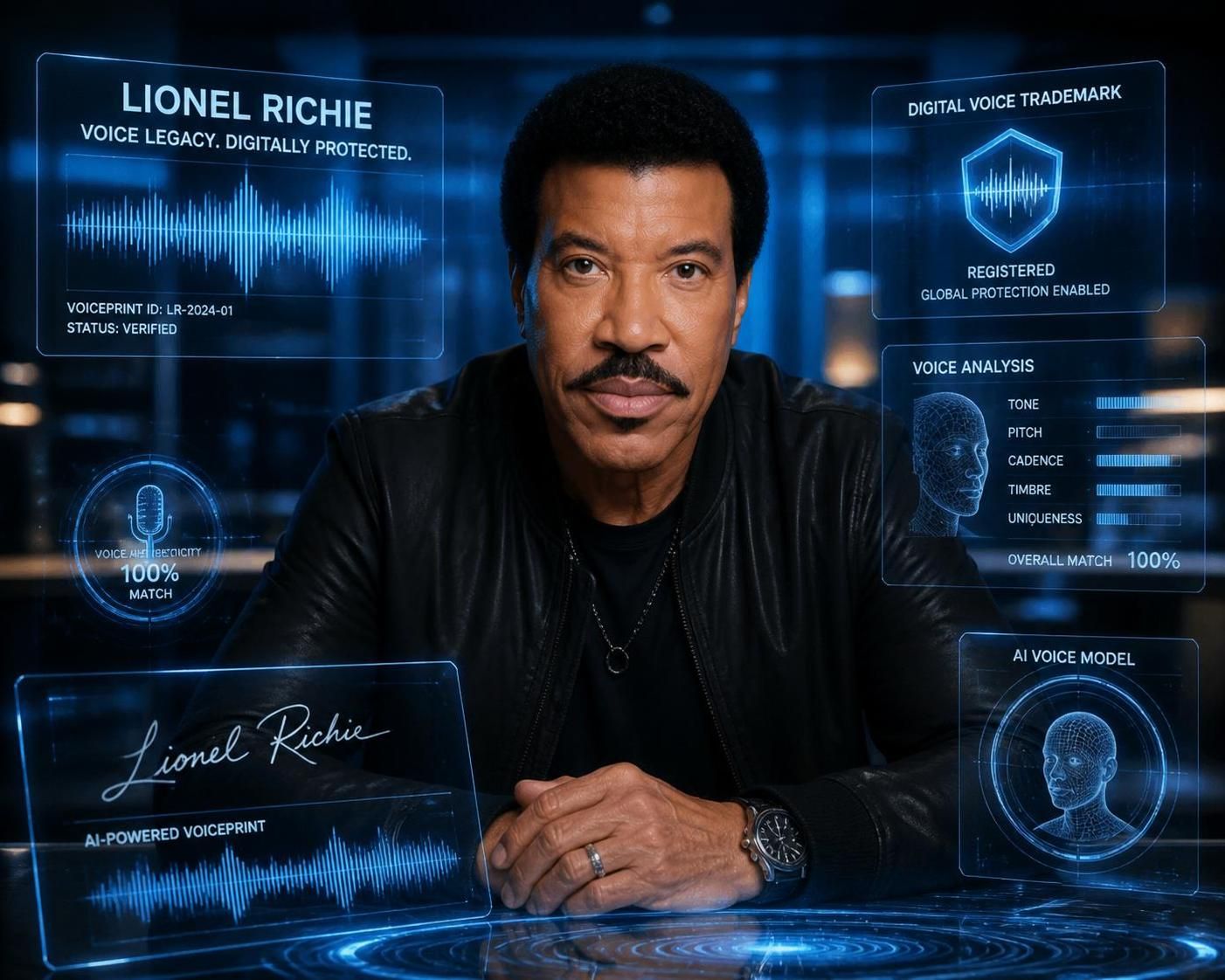
In 2026, one of the music industry’s most iconic voices, Lionel Richie, has taken a groundbreaking step by filing four separate trademark applications aimed at protecting segments of his voice from unauthorized replication powered by artificial intelligence. This initiative is a significant move in the evolving landscape where digital innovation and AI technology increasingly disrupt traditional safeguards for artists.
The unique element of Richie’s approach is trademarking key audio recordings—specifically, his distinctive vocal phrases from renowned hits such as “Hello, is it me you’re looking for?”, “Say You, Say Me”, “Easy Like Sunday Morning”, and “All Night Long.” Although trademark law traditionally covers logos or slogans, this adaptive strategy demonstrates the urgency artists face to preserve their vocal identity amid AI-generated deepfakes.
AI technology has made vocal cloning highly accessible, enabling almost anyone to mimic a celebrity’s voice with startling authenticity and minimal cost. Richie’s proactive voice protection addresses the potential misuse of these technologies, preventing his voice from being exploited without permission in fake performances, advertisements, or misleading content. This represents a new frontier in legal protection within the music industry, emphasizing vocal preservation as an essential element of brand identity.
Similar protective filings by other stars like Taylor Swift highlight an emerging industry-wide movement. This collective effort aims not only to safeguard the voices but also to assert control over digital representations and royalties in an age of unprecedented technology impact. For professionals in culture and tourism sectors relying on music and audio branding, understanding this transition helps align with future-proof solutions against AI misuse.
The Growing Impact of AI Technology on Voice Authenticity in the Music Industry
Artificial intelligence, while lauded for boosting creative production, carries looming risks related to authenticity and control. AI voice cloning can replicate vocal nuances from just seconds of audio, creating convincing forgeries that proliferate rapidly online. This presents challenges for artists who traditionally depended on the unique sound of their voice as a form of their intellectual property.
For Lionel Richie and his contemporaries, digital innovation introduces complex questions about ownership and rights. Beyond recording masters or written compositions, the voice itself is now part of their brand’s intangible assets. The introduction of voice trademarks reflects a strategic adaptation to protect these assets legally and commercially.
The music industry is witnessing an ongoing transformation where AI could blur lines between genuine performances and artificially constructed imitations. This dual-edged sword requires vigilance and foresight, especially for touring professionals, event organizers, and cultural mediators who must ensure content integrity while deploying smart tourism technologies.
Protecting a vocal signature is particularly urgent in black music communities, where history has shown continuous battles over creative ownership and credit. Lionel Richie’s efforts resonate deeply within this context, advocating for ethical use and respect in AI’s application.
Real-world cases have already demonstrated the urgent need for such protection. Instances where fake songs have spread quickly, falsely attributed to major artists, jeopardize reputations and financial interests. The layered implications for live performances, endorsement deals, and fan trust further complicate the scenario.
Professionals seeking to remain at the forefront of digital transformation in cultural sectors must closely monitor such legal strategies and technological developments. Embracing protective measures like voice trademarking can safeguard sound assets while preserving public trust in authentic experiences.
Legal Dimensions and Challenges of Voice Trademarking Against AI Cloning
Navigating trademark law to protect voice sound clips represents a nuanced and relatively uncharted legal territory. Lionel Richie’s filings submit iconic vocal phrases for consideration as trademarks, which traditionally require clear association with a brand or service. The United States Patent and Trademark Office (USPTO) now faces critical decisions that will influence precedent for vocal protection globally.
This approach hinges on demonstrating that Richie’s vocal sounds serve as distinctive marks that consumers directly associate with him as an artist and his brand identity. In doing so, these trademarks aim to deter unauthorized AI uses that could mislead audiences or dilute his voice’s commercial value.
Legal experts recognize potential difficulties, as copyright law and trademark law have not fully adapted to AI-generated voice replication. Unlike visual logos or written slogans, voice imitations invoke complex questions about originality and separate rights for audio features. For Richie, this means extensive legal arguments may be required to validate the uniqueness and brand tying of these patents.
The fight to enforce these rights also involves policing online platforms and AI developers to curb unauthorized cloning. This necessitates collaboration between artists, legal teams, and technologists to develop scalable detection tools and compliance frameworks.
Such challenges underscore the importance of early legal action. By stepping ahead of the curve, Richie sets a model for managing and mitigating AI threats before the gray area of digital manipulation becomes irreversibly entrenched. For cultural institutions and music guides leveraging digital audio content, following and understanding such legal nuances is vital for adapting compliance practices.
Practical Implications of Vocal Preservation for Smart Tourism and Cultural Experiences
The intersection of AI technology and vocal preservation holds direct relevance for smart tourism applications and cultural event management. Platforms like Grupem empower guides and cultural operators to offer enriched audio experiences, meaning the authenticity and integrity of voice content are non-negotiable.
Lionel Richie’s safeguarding initiative reflects a broader trend toward ensuring that voices—whether used in guided tours, exhibitions, or events—remain true to their source. This becomes more crucial as AI dubbing and synthetic voice overlays improve in quality but potentially erode audience trust when authenticity is compromised.
For tourism professionals and museums, deploying audio content securely entails understanding both technical and legal frameworks protecting voice assets. This may include:
- 🗣️ Adopting proprietary content with verified permissions for vocal use.
- 🛡️ Using watermarking or digital signatures to authenticate voice clips.
- 🚫 Actively avoiding unlicensed AI-generated imitations in visitor experiences.
- 🔍 Training staff and collaborators in voice rights and AI technology impacts.
- 📊 Monitoring platform compliance and audience feedback to detect anomalies.
These practical measures help uphold artistic integrity and enhance user experience, crucial for attracting discerning audiences in the age of digital imitation. The technology impact goes beyond entertainment, touching on ethical stewardship and cultural preservation.
Understanding Lionel Richie’s legal stance gives cultural operators a tangible example to anticipate where technology and intellectual property law converge, encouraging proactive strategies in digital innovation implementation.
Future Outlook: Embracing Digital Innovation While Ensuring Voice Protection
The momentum built by Lionel Richie’s trademark applications signals an inflection point in the music industry and creative sectors on the adoption of voice protection measures. Moving forward, AI technology offers both opportunities and risks that require balanced adoption.
On the one hand, AI can revolutionize music creation, enabling dynamic audio experiences, adaptive soundscapes, and personalized tours enhanced through platforms like Grupem. On the other, unchecked AI cloning threatens to undermine the legendary voice status and commercial rights of artists.
A sustainable future will entail:
- 🔍 Strengthening legal frameworks to cover AI-specific voice rights.
- 🤝 Building partnerships between artists, legal experts, AI developers, and cultural institutions.
- 💡 Developing real-time detection and consent technologies for synthesized voice uses.
- 📚 Educating stakeholders on risks and best practices related to vocal preservation.
- 🎤 Encouraging innovation that respects artist ownership and ethical sound use.
Stakeholders in tourism and cultural management can benefit from following these developments to protect their audio assets and align with emerging standards. Lionel Richie’s initiative and similar moves by prominent figures constitute a benchmark for digital respect and authenticity in the AI era.
| 🛡️ Protection Measure | 🎯 Purpose | 🔄 Application in Music & Tourism |
|---|---|---|
| Voice Trademarks | Legal safeguarding of unique audio identifiers | Prevents AI misuse of recognizable vocal content in performances & tours |
| Digital Watermarking | Embedding traceable signals in audio | Verifies authenticity of voice samples used in guided experiences |
| AI Detection Algorithms | Identify synthetic voice usage | Protects platforms by flagging unauthorized AI-generated audio |
| User Consent Management | Ensures permission before voice use | Supports ethical use policies and compliance for sound content |
Why is Lionel Richie trademarking his voice?
Lionel Richie is trademarking his voice to legally protect unique vocal phrases from unauthorized AI-generated imitations, preserving his artistic identity and commercial rights.
How does AI technology impact voice protection in the music industry?
AI technology enables realistic voice cloning, which can lead to unauthorized use or deepfakes, challenging traditional protections and prompting new legal measures such as voice trademarks.
What legal challenges exist for voice trademark applications?
Trademarking voices is complex since law traditionally covers logos and slogans; proving a voice phrase uniquely identifies the artist and serves as a brand is essential but legally untested.
How can tourism and cultural sectors benefit from vocal preservation strategies?
By ensuring audio content authenticity through voice protections and technologies like watermarking or AI detection, cultural experiences remain trustworthy and legally compliant.
What future developments are expected in voice protection against AI?
Future trends include strengthened legal frameworks, AI detection tools, cross-sector collaboration, and education to balance innovation with ethical use and artist ownership.
For further insights on Lionel Richie’s voice trademark filings and the broader implications of AI in managing celebrity likeness rights, explore detailed analyses at Billboard’s report on Lionel Richie’s voice trademarks and expert commentary at Gerben Law’s coverage on legal aspects of AI voice protection. These resources provide extensive context on the evolving interface between digital innovation and vocal preservation strategies in the music industry.
