
LSU Locker Room Strategy Turns Jayden Daniels’ No. 5 Into a Public Football Dispute
🏈 The central issue is no longer just a jersey number. The LSU Locker Room decision to place No. 5 on cornerback DJ Pickett has become a visible test of how a major college Football program balances a former star’s legacy, a current recruit’s expectations, and a new coach’s authority. Jayden Daniels, the Heisman-winning Quarterback who helped restore LSU’s national relevance, has made clear that he views the move as disrespectful.
Reports surrounding the dispute indicate that Daniels’ representatives sent LSU a cease-and-desist letter asking the school to stop using his name, image, and likeness. That step shifted the discussion away from ordinary alumni sentiment and into a more consequential NIL conversation. A player’s image is no longer simply part of a school’s permanent promotional archive. In the modern college sports economy, it has commercial value, contractual implications, and deep emotional significance.
The conflict also has a practical starting point. DJ Pickett reportedly had been promised No. 5 during his recruitment, before Lane Kiffin arrived to direct the program. Kiffin’s staff therefore faced an operational choice: honor a recruiting commitment to a current player or treat Daniels’ former number as an unofficially protected symbol. The decision to honor Pickett’s path illustrates a familiar reality in roster building. Coaches must make choices for the team they have, rather than the team that existed several seasons earlier.
Still, the public optics are difficult for LSU. Daniels was not an anonymous former contributor. His 2023 campaign placed him among the defining figures of the program’s recent era, and the number became closely associated with his individual production, leadership, and national profile. For many fans, a jersey number can function like a compact piece of institutional memory. It appears in highlight videos, merchandise, stadium imagery, and conversations between generations of supporters.
⚠️ The LSU Strategy is being read in two very different ways. One audience sees a program refusing to freeze its future around a former player. Another sees a school benefiting from Daniels’ legacy while declining to extend the symbolic recognition he believes he earned. Neither interpretation is trivial. The tension exists because college Football now asks athletes to be both competitors and marketable public brands.
- 🏈 For LSU: the priority is maintaining credibility with recruits and current players.
- 📣 For Jayden Daniels: the priority is protecting a legacy and controlling NIL use.
- 🔢 For DJ Pickett: the priority is wearing a number connected to his own recruiting journey.
- 🧭 For Lane Kiffin: the priority is setting a clear Game Plan for program culture.
A report on the LSU jersey-number controversy captures why the topic has moved beyond a routine roster update. The dispute is tied to recognition, recruiting commitments, and control over an athlete’s public identity. It also shows how quickly a decision made inside a Locker Room can become a national digital story.
Imagine an LSU communications staffer preparing a social post for a new season. A simple photo of No. 5 can trigger questions about Daniels, Pickett, Kiffin, NIL rights, and the school’s standards for honoring elite players. That is the current communications environment: every uniform, caption, and archived video carries context. The most effective institutions plan for this context before a controversy surfaces.
The key point is straightforward: LSU’s choice created a brand-management issue because a player number now carries business, recruiting, and emotional weight at the same time. That framing leads directly to the challenge facing Lane Kiffin’s Playbook.
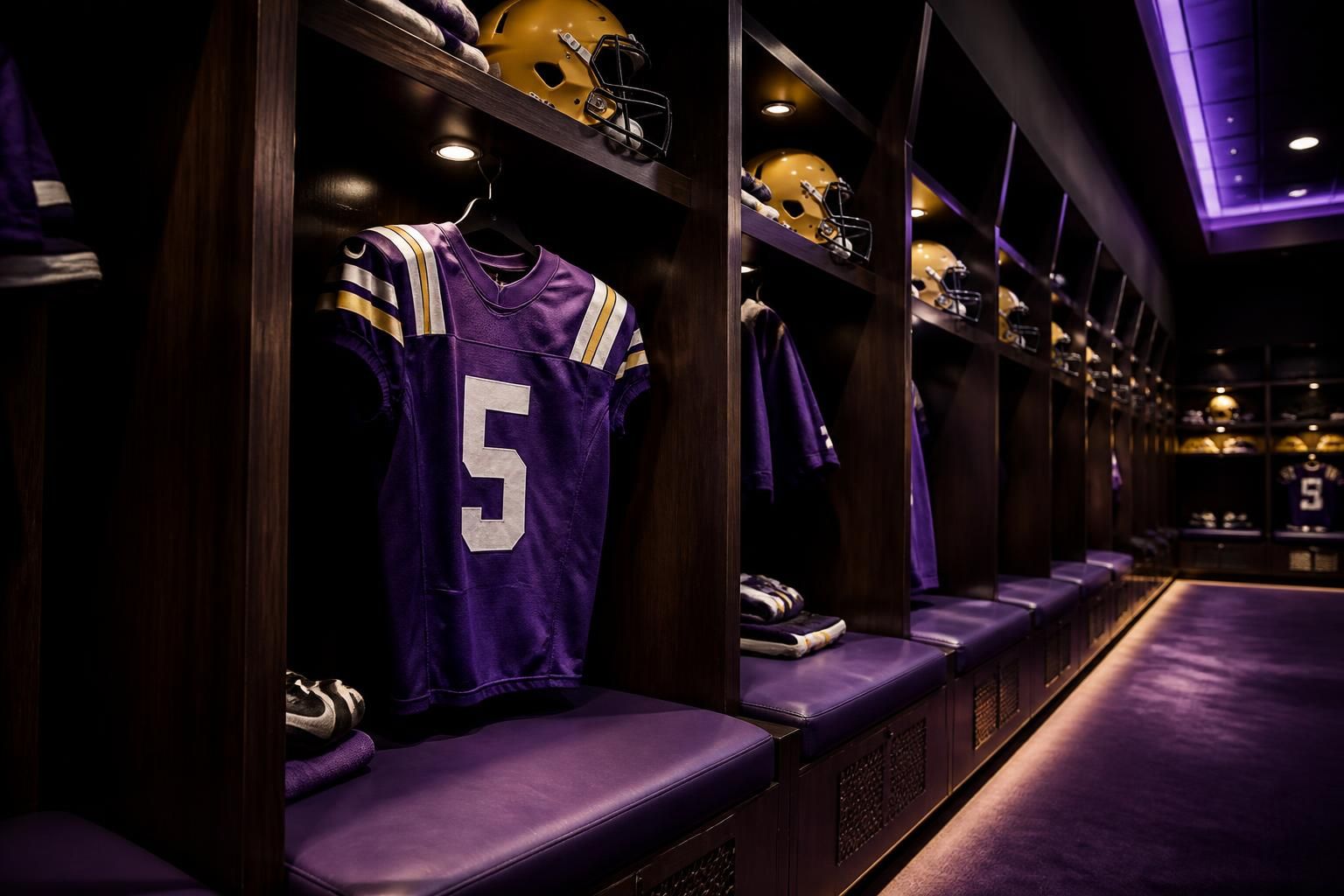
Lane Kiffin’s Playbook Must Balance Recruiting Promises and LSU Legacy
Lane Kiffin did not create Jayden Daniels’ connection to LSU, but he inherited the expectations surrounding it. That distinction matters. New coaches frequently arrive with a mandate to establish discipline, reshape recruiting relationships, and make the program feel like their own. Yet they also take charge of traditions built by former coaches and former players. The No. 5 situation places those two responsibilities in direct conflict.
From a recruiting standpoint, honoring a promise made to DJ Pickett has obvious value. Highly rated prospects and their families pay close attention to whether a program follows through on commitments. While jersey-number assurances may appear minor beside playing time, development plans, or NIL opportunities, they can symbolize trust. If a staff reverses a highly personal commitment after enrollment, future recruits may reasonably wonder which assurances are firm and which are negotiable.
That does not mean LSU had only one reasonable option. The school could have sought a private resolution with Daniels’ camp before presenting Pickett in No. 5. It could have established a formal legacy-number process that distinguishes retirement from temporary recognition. It could also have made the recruiting history transparent earlier, reducing the impression that Daniels’ number was casually reassigned. In reputation management, timing is often as important as the decision itself.
Why a Jersey Number Is Part of a Modern College Football Game Plan
For decades, college Football programs treated numbers primarily as roster inventory. A number belonged to whoever needed it next, unless the institution formally retired it. NIL changed that logic. Players now develop independent audiences, endorsement portfolios, and recognizable personal identities while still competing for schools. Their college image remains intertwined with the school’s brand, but it is no longer entirely controlled by the school’s traditional storytelling machinery.
Daniels’ objection reflects that shift. His camp’s position is not simply that No. 5 should never be worn again. It is that LSU should not use his identity for promotional benefit while, in his view, failing to treat the symbol most associated with his time there with appropriate respect. That argument is fundamentally about consistency. If an institution celebrates an athlete in highlight reels and fundraising materials, its choices around visible legacy markers will be scrutinized.
| Decision point | Immediate benefit | Potential risk |
|---|---|---|
| 🏈 Honor Pickett’s No. 5 commitment | Supports recruiting trust and current-player confidence | May alienate supporters of Jayden Daniels |
| ⭐ Protect No. 5 informally | Signals respect for a recent LSU icon | Could undermine an earlier player promise |
| 📢 Explain the decision early | Creates context before online speculation expands | Requires careful coordination with all parties |
| 🤝 Build a legacy-number policy | Provides consistency for future disputes | Cannot erase the current public tension |
The practical lesson for athletic departments is clear. A Game Plan for legacy management should exist before a coach faces a headline-driven decision. That policy should explain whether numbers can be retired, temporarily reserved, reassigned after a defined period, or attached to ceremonial recognition. It should also identify how former players are consulted when their NIL remains valuable to school marketing.
Coverage of the recruiting angle, including reporting on DJ Pickett and Lane Kiffin’s response to the number dispute, makes the promise to the defensive back a major part of the story. That context complicates the easy narrative that LSU merely dismissed a former star. The program was also making a statement to a current athlete.
✅ Kiffin’s strongest strategic defense is consistency: a new staff must demonstrate that commitments to its players matter. However, consistency must include how LSU engages former stars whose visibility remains commercially useful. The next issue, then, is not who deserves the number more. It is how the program communicates competing obligations without turning a private disagreement into an escalating public struggle.
Jayden Daniels’ NIL Struggles Show Why Athlete Image Rights Need Clear Boundaries
Jayden Daniels’ Struggles with LSU have a wider significance because they highlight the blurred boundary between school history and athlete-owned identity. In an earlier era, a university could keep using archival images of former players with little public resistance. Today, athlete NIL rights have changed the expectations around that practice. Fans may still regard a former Quarterback as part of the school’s story, but the player may view continued promotional use as a business decision requiring consent and respect.
The reported cease-and-desist letter makes that divide visible. Daniels’ position, as described in public coverage, is tied to feeling “profoundly disrespected” by LSU’s handling of No. 5. The letter reportedly asks LSU to stop using his NIL, creating a sharper dispute than a social-media disagreement. It turns a legacy argument into a question of marketing permissions, brand association, and institutional conduct.
That distinction should be handled carefully. Publicly available historical footage, editorial reporting, and promotional materials can operate under different legal and commercial frameworks. A cease-and-desist request is not automatically the final legal answer to every use of an athlete’s image. It is, however, an unmistakable signal that the relationship has deteriorated and that the school must audit its communications practices with urgency.
What LSU Can Learn From an NIL Communications Audit
A disciplined audit begins by separating content types. LSU would need to identify where Daniels appears: recruiting presentations, ticket promotions, alumni campaigns, social posts, retail materials, video boards, licensing partnerships, and historical archives. The next step is to determine why each item exists and whether the use is editorial, commemorative, commercial, or tied to a third-party partner. These categories are not interchangeable.
For a tourism organization, museum, or event operator, the equivalent issue is straightforward: do not assume that a recognizable person’s participation in your history means their image can be used in every new campaign. The same principle applies to sports. A clear permission record, a current point of contact, and an approval workflow protect both the organization and the individual.
- 📁 Inventory every active asset: photographs, clips, graphics, merchandise, and sponsor materials.
- 🔍 Classify the purpose: historical storytelling is not the same as commercial promotion.
- ☎️ Create one contact channel: avoid conflicting messages from athletics, licensing, and alumni teams.
- 📝 Document approvals: verbal understandings are weak foundations during a public conflict.
- 📅 Review regularly: NIL agreements and player relationships change over time.
A detailed account of the reported letter can be found in coverage of Daniels’ NIL request. The larger takeaway is not that every former athlete will challenge a school’s content library. Rather, it is that high-profile athletes now possess greater leverage, larger audiences, and stronger incentives to protect their identities.
The dispute also illustrates why tone matters. An institution can be legally focused while still appearing insensitive if its public language reduces a player’s legacy to a procedural disagreement. Conversely, a former player’s camp can defend NIL interests without ignoring the legitimate needs of the current roster. The most constructive path is one that recognizes the emotional reality behind the documents.
Daniels has remained connected in public memory to LSU’s success, while building his professional career with Washington. A January 12, 2025 image of Daniels playing for the Washington Commanders in Tampa Bay, with blood visible on his face at Raymond James Stadium, underscores the competitive intensity that shaped his public image. His career has moved forward, but the LSU association remains powerful enough to make a uniform decision national news.
📌 NIL governance is no longer an administrative side task. It is a core part of how major Football programs protect relationships with former athletes, current players, sponsors, and supporters. Once those boundaries are defined, LSU can better address the Locker Room culture that sits underneath this entire conflict.
LSU Locker Room Culture Can Protect Current Players Without Dismissing Jayden Daniels
The phrase “Locker Room” can sound abstract, but its influence is concrete. It shapes how players interpret promises, accountability, hierarchy, and belonging. In the LSU case, DJ Pickett is not merely a name on a depth chart. He is a young player entering a high-pressure environment where every choice can be interpreted through the lens of a former Heisman winner. That is an unfair burden if the school does not clearly support him.
Pickett did not create Daniels’ relationship with LSU, and he did not design the program’s historical recognition policies. He accepted a recruitment path that reportedly included No. 5. Once the controversy reached public view, he became attached to a dispute he did not initiate. A responsible team culture prevents that pressure from becoming isolation, online harassment, or a false choice between respecting a current player and respecting a former one.
Lane Kiffin’s staff can reduce the temperature by making one principle explicit: current athletes should not be punished for decisions made by adults and institutions. That requires more than a press quote. It means preparing coaches, player leaders, and communications staff to use consistent language. Pickett should be allowed to focus on developing as a defensive back, while Daniels’ concerns should be treated as legitimate rather than dismissed as sentimental.
How a Program Can Respond Without Turning Conflict Into Content
College sports thrives on attention, but not every story benefits from prolonged amplification. The temptation is to convert controversy into engagement through cryptic posts, pointed graphics, or defiant statements. That approach may create a short-term spike in clicks, yet it risks damaging trust with alumni and players. In a crowded media cycle, restraint can be a more effective Strategy than escalation.
LSU could use a structured response sequence. First, leaders can acknowledge Daniels’ impact on the program without making legal conclusions. Second, they can affirm that commitments to enrolled athletes matter. Third, they can move discussion of NIL permissions into direct professional channels. These are not dramatic steps, but they reduce ambiguity and prevent every new piece of content from appearing like a provocation.
- 🧩 Recognize the former star’s contribution in clear, non-defensive language.
- 🛡️ Protect the current player from being framed as the source of the dispute.
- 📨 Centralize legal and NIL communication so messaging remains accurate.
- 🎥 Pause unnecessary promotional reuse while the rights question is evaluated.
- 🤝 Offer a direct conversation focused on a workable future relationship.
This approach is useful well beyond LSU. Consider a cultural venue that features a famous former guide in campaign videos while promoting a new presenter in the same signature role. If the transition is unmanaged, audiences may interpret it as erasure rather than evolution. The solution is not to stop evolving. It is to explain the transition, recognize contributions, and give each person a distinct place in the story.
For LSU, the emotional stakes are amplified by Daniels’ stature. He was the face of an explosive offense and a defining Quarterback in recent program history. Supporters do not experience No. 5 as a neutral inventory decision. They experience it through memories of wins, awards, and high-scoring Saturdays. A Locker Room policy cannot change those memories, but it can show that the institution understands why they matter.
At the same time, current players need a culture that looks forward. Kiffin’s Playbook is presumably built around his roster, his recruiting pipeline, and his standards. Programs become unstable when they treat former-player relationships as irrelevant, but they also become stagnant when every past achievement becomes untouchable. The balance is difficult precisely because both sides of the argument contain a legitimate concern.
💡 The best Locker Room message is not “choose the past or the future.” It is “honor the past while making credible commitments to the future.” That balance depends heavily on the public narrative LSU allows to develop around this dispute.
Managing the Jayden Daniels Dispute Is a Reputation Test for LSU Football
Reputation in college Football is not built solely through wins, recruiting rankings, or television exposure. It is built through repeated signals about how a program treats people when interests collide. LSU’s handling of Jayden Daniels’ concerns will be evaluated by former players, prospective recruits, donors, fans, and NIL partners. Each group is likely to emphasize a different part of the story, which is why a narrow response can create fresh problems.
Former players may ask whether their achievements will receive durable recognition after they leave campus. Recruits may ask whether commitments made during recruitment survive coaching changes. Sponsors may ask whether athlete relationships are professionally documented. Fans may simply ask why the school and one of its most celebrated recent players could not resolve a symbolic issue privately. These questions do not have identical answers, but they all point to the same governance gap.
📣 The reputation risk comes from perceived inconsistency, not simply from assigning a number. LSU can defend its decision to honor Pickett’s commitment. Daniels can defend his desire for recognition and control of his NIL. The institution’s difficult task is showing that its actions follow a clear principle rather than reacting to whichever voice is loudest online.
A More Durable Playbook for Legacy, NIL, and Fan Communication
A durable policy begins with categories. LSU should distinguish retired jerseys, honored numbers, active numbers with historic associations, and player-specific NIL assets. Each category should have a written approval route. A retired jersey could require a formal institutional vote. An honored number could remain wearable but receive a permanent stadium or museum display. A current number with recent legacy value could trigger a consultation process before reassignment.
The school should also establish a content protocol for former athletes. Before a historic player is placed in a new commercial campaign, staff should know whether that use is covered by an existing agreement or requires a fresh discussion. This is not bureaucracy for its own sake. It is an accessible workflow that prevents different departments from making incompatible assumptions about the same person’s image.
Reporting that Daniels was keeping his attention on his professional responsibilities amid the disagreement, including coverage of his focus on Football with Washington, adds another layer to the public perception. A former player can be fully committed to his NFL career while still caring deeply about how his college legacy is handled. Those positions are not contradictory.
| Audience | What it needs to hear | Useful LSU action |
|---|---|---|
| ⭐ Former players | “Your contribution is recognized beyond promotional moments.” | Build a formal legacy recognition framework |
| 🏈 Current roster | “Recruiting commitments are taken seriously.” | Explain internal decisions consistently and privately |
| 📱 Fans | “The program understands why this matters.” | Use measured public language, not reactive posts |
| 🤝 NIL partners | “Image rights are managed responsibly.” | Maintain an audited approval and licensing process |
The strongest resolution would not require either side to pretend the disagreement never happened. LSU can preserve Pickett’s place in the present roster while creating a visible, thoughtful form of recognition for Daniels. Daniels’ camp can pursue appropriate NIL protections while leaving room for a respectful relationship with the program. A mutually acceptable outcome would communicate maturity, not weakness.
What should observers watch next? The meaningful signals will be practical rather than theatrical: whether LSU adjusts its use of Daniels’ image, whether the parties establish direct dialogue, whether Pickett is shielded from personal blame, and whether the school develops a policy that applies to future stars as well. Those steps would show that the controversy produced institutional learning rather than another cycle of online conflict.
🏆 LSU’s long-term advantage lies in a Playbook that treats legacy, recruiting trust, NIL, and fan experience as connected responsibilities. A program that manages those relationships clearly will be better prepared for the next high-profile decision before it reaches the Locker Room, the headlines, and the public timeline.
Why is Jayden Daniels upset with LSU over No. 5?
Daniels reportedly viewed LSU assigning his former No. 5 jersey to DJ Pickett as a lack of respect for his legacy. The disagreement expanded when his representatives reportedly asked LSU to stop using his name, image, and likeness.
Why did LSU give No. 5 to DJ Pickett?
Public reporting has indicated that Pickett was promised the number during his recruitment. Honoring that commitment is central to LSU’s position and to Lane Kiffin’s need to maintain recruiting credibility.
Does a former college Football player automatically own a jersey number?
A jersey number is generally managed by the school unless it is formally retired or subject to a specific agreement. However, the number can carry major symbolic and commercial value when it is strongly linked to a prominent athlete.
What is the main NIL issue in the LSU and Jayden Daniels dispute?
The reported NIL issue concerns LSU’s continued use of Daniels’ name, image, and likeness after he expressed that he felt disrespected by the handling of his old jersey number. This requires the school to review how it uses his image across promotional and commercial materials.
