
Peu de temps ? Voici l’essentiel à retenir :
- ⚠️ False claims about Iran’s attack on the USS Abraham Lincoln have been widely disseminated using AI-generated and old footage.
- 🤖 The spread of deepfake videos and recycled content exemplifies modern challenges in combating misinformation in conflict zones.
- 📡 Verification techniques such as reverse image searches and official military confirmations are essential to debunk propaganda quickly.
- ✅ Understanding technological tools behind these distortions helps media professionals and organizations maintain credible information streams.
Analyzing the Spread of False Claims on the Iran-US Conflict Involving USS Abraham Lincoln
Since late February, the geopolitical landscape has been tense following a joint US-Israeli military operation against Iran, prompting retaliatory claims from Iranian officials. Central to these claims was the assertion that the Iranian military launched ballistic missile attacks with drones targeting the USS Abraham Lincoln, a prominent US aircraft carrier. This narrative has been prolifically disseminated across global social media platforms in multiple languages and often accompanied by dramatic video content intended to bolster Iran’s position.
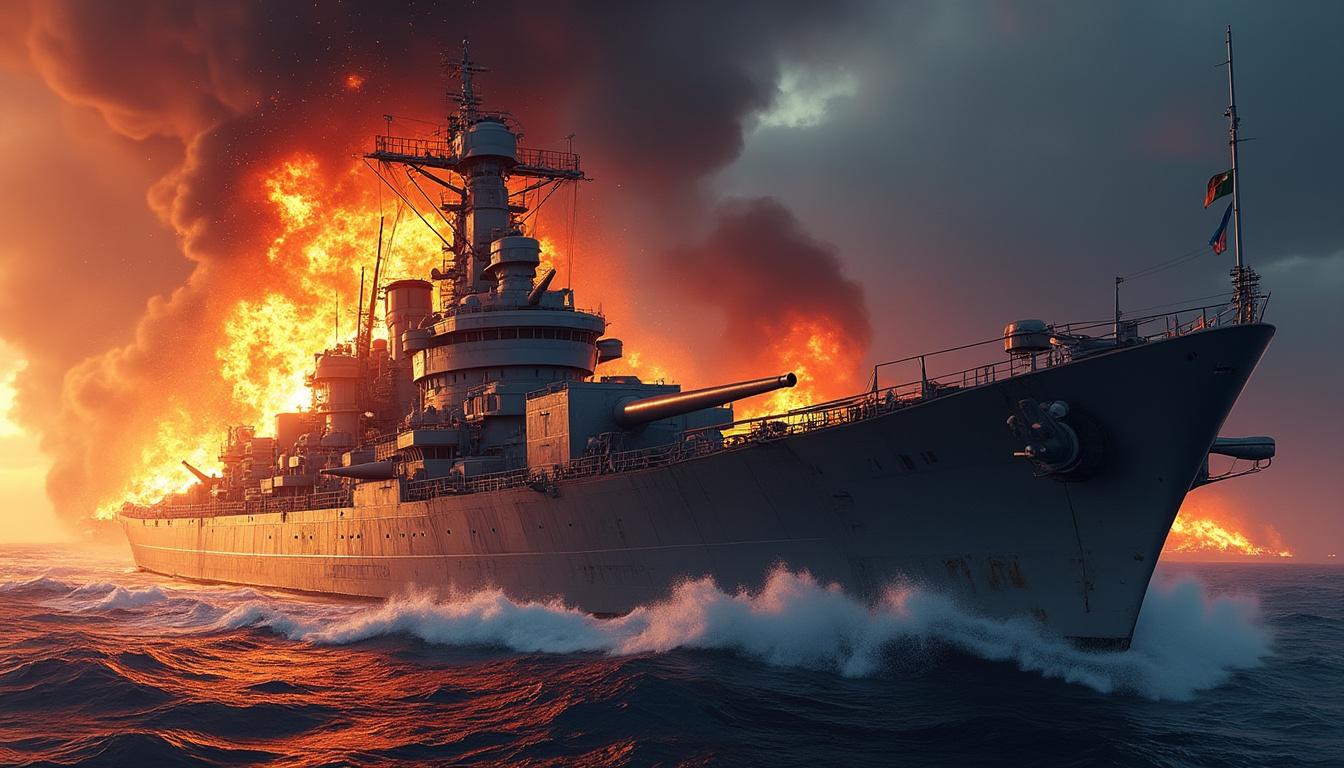
However, thorough analysis reveals these posts to be fueled by disinformation campaigns using manipulated digital content. Two specific videos circulated widely show a warship engulfed in flames, claimed to be recent strikes on the USS Abraham Lincoln but in reality, one is an AI-generated deepfake, and the other is repurposed archival footage from 2020.
The first video, shared on March 8, purportedly shows extensive fire damage to the USS Abraham Lincoln. Its traditional Chinese caption accused Iran of inflicting “massive losses” using ballistic missiles. A similar clip appeared on Chinese video platform Douyin on March 7, reiterating this false allegation. Social media users and political actors amplified these claims, which added significant fuel to the ongoing regional conflict narrative.
The United States Central Command (CENTCOM), overseeing military operations in the Middle East, promptly refuted the allegations. Official photos posted on the aircraft carrier’s X (formerly Twitter) account dated March 1 and March 7 highlighted the vessel intact and dismissed any missile impact threats as baseless. This transparency allowed fact-checkers to swiftly separate fact from fiction amidst the flood of propaganda.
Identifying factors behind this disinformation campaign is critical. AI and powerful editing tools now enable realistic video synthesis capable of producing visually convincing yet entirely fabricated scenarios. In conjunction with targeted political messaging, such content can mislead global audiences rapidly. These developments validate concerns expressed in analytical studies such as those presented at Grupem, which detail how AI voice cloning and deepfake technologies contribute to modern propaganda. Indeed, managing the narrative in conflicts increasingly relies on digital literacy and verification vigilance in journalism and public communication.
Understanding AI-Generated Deepfake Videos and Their Role in Modern Misinformation Warfare
The emergence of AI-driven video generation tools has transformed misinformation dissemination, especially in high-stakes geopolitical contexts such as the Iran-US tensions. The false video portraying a burning aircraft carrier was traced back to an Instagram post from August 2025 where the creator openly acknowledged using Google’s Veo 2 AI model to craft visually convincing disaster scenes. This type of content, while artistically sophisticated, is intentionally deceptive when presented as factual military footage.
AI deepfakes are no longer confined to altered celebrity appearances or social media pranks but have escalated into instruments of geopolitical manipulation. Through synthetic imagery and sound, they can produce fabricated narratives supporting disinformation campaigns. The flood of AI-generated content complicates the role of traditional fact-checkers, demanding more advanced technological countermeasures and heightened public awareness.
Important to note is the interplay between AI-generated imagery and audio technologies. Voice-cloning AI, often featured in parallel propaganda projects, can give “authenticity” to fabricated statements. This convergence intensifies the difficulty for observers to discern genuine content from artificially concocted materials. Relevant insights on this intersection can be found in discussions on voice AI hallucination and how it exacerbates misinformation risks, as detailed in specialized articles such as Grupem’s analysis on AI voice hallucination fixes.
This surge in synthetic media usage underscores the need for continuous investment in digital verification tools within newsrooms and military information services. Establishing protocols combining human expertise with AI detection algorithms is essential to swiftly identify false content and prevent its viral spread. Training professionals to understand and recognize AI-manipulated media represents a crucial step in reinforcing informational resilience.
Effective misinformation response involves a combination of technological proficiency and strategic communication, especially in conflict scenarios where stakes are high and narrative control can influence public opinion and diplomacy.
Challenges and Best Practices in Detecting Old Footage Recycled as Current Evidence
Another significant dimension to the misinformation surrounding the Iran-US naval confrontation involves the repurposing of archival footage. The second viral clip purportedly depicting damage to USS Abraham Lincoln is in fact cropped from a 2020 video showing a fire aboard the amphibious assault ship USS Bonhomme Richard. The original footage was recorded by the US Navy and publicly available on their official YouTube channel, documenting a tragic accident rather than an enemy attack.
This case exemplifies how recycled or out-of-context videos are weaponized in propaganda to create false impressions of recent military engagements. The fire aboard Bonhomme Richard in 2020 caused injuries and extensive damage, eventually leading to the ship’s decommissioning—facts fully documented and transparent. Yet, when detached from context and time, the footage fueled misleading claims threatening to inflame international tensions unnecessarily.
Combating this issue requires several practical methods:
- 🔍 Use of reverse image and video frame searches to verify original upload dates and metadata.
- 📜 Cross-referencing official military releases and reputable news archives to confirm event specifics.
- 🛡️ Awareness campaigns to educate social media users on critically evaluating video sources.
Media and public institutions need to implement these verification best practices consistently. Moreover, organizations can leverage platforms such as Grupem’s resources on historical disinformation to understand the risks of conflating past incidents with current conflict narratives, reducing misinformation impact.
Such diligence is essential for maintaining informational integrity in an age where disinformation can escalate tensions rapidly, particularly in sensitive geopolitical crises.
Implications of Digital Propaganda on Public Perception and Military Transparency
False claims amplified by AI-generated videos and outdated media carry substantial implications for both public perception and institutional transparency during conflicts. Propaganda’s primary function is to manipulate opinion, often by bypassing critical evaluation through emotionally charged imagery or misleading headlines.
In the case of Iran and the USS Abraham Lincoln, disinformation campaigns sought to portray the United States as suffering significant military setbacks. The intent is clear: shaping global and domestic audiences’ attitudes to either intimidate adversaries or galvanize political supporters.
Such information warfare tactics erode trust not only in combatant parties but also in reliable news sources and official statements. This phenomenon creates an atmosphere of skepticism where even validated reports are questioned, complicating strategic communication efforts.
Furthermore, the presence of two US aircraft carriers in the Middle East, as confirmed by official military statements, highlights the delicate balance between operational security and public information. The US military’s prompt rebuttal of false damage claims via verified imagery and transparent updates exemplifies essential practices to preserve credibility and mitigate misinformation influence.
For professionals in communications, cultural mediation, and tourism sectors globally, understanding how digital propaganda functions during crises is vital. It assists in contextualizing information flows and strengthens the ability to guide audiences toward factual content, a skill increasingly relevant for platforms focused on modern visitor engagement like Grupem.
| Aspect ⚙️ | Impact 💥 | Countermeasures 🛡️ |
|---|---|---|
| AI-Generated Video Deepfakes | Highly realistic false imagery creates confusion and credibility loss. | AI detection tools and fact-checking protocols. |
| Repurposed Historical Footage | Misinforms public about current events, inflames conflicts. | Reverse image/video search and timestamp verification. |
| Propaganda Amplification on Social Media | Accelerates spread of false narratives globally. | Rapid official communication and education initiatives. |
| Public Skepticism | Challenges trust in institutions and media. | Consistent transparency and reliable information flow. |
| Military Transparency vs Security | Balancing informative releases with operational risk. | Clear official statements and photographic evidence. |
Effective Strategies to Counteract False Claims and Strengthen Information Verification
Handling the flood of false claims about military events requires coordinated, technology-driven, and transparent strategies. Preventing the viral spread of misinformation begins with understanding common features of false content:
- 🔎 Visual anomalies or inconsistencies revealed by forensic analysis tools.
- 📅 Discrepancies in publication dates and context mismatch.
- 👁️ Checking for official denial or confirmation from credible sources.
- 📢 Monitoring social networks for rapid identification of emerging false narratives.
A robust approach involves training journalists, government agencies, and social media moderators in digital literacy. Legitimate organizations should leverage AI solutions designed to detect deepfakes and synthetic media reliably. Platforms that curate trusted content and flag suspicious posts also contribute to a healthier information ecosystem.
The tourism and cultural sectors can adopt similar verification processes to improve content authenticity when reporting geopolitical effects on travel and events. This aligns with Grupem’s mission of ensuring accurate, accessible information for cultural mediation and modern guide applications.
Educational efforts aimed at end users improve public resilience against misinformation by fostering critical thinking and awareness about the prevalence of AI-powered manipulations.
What evidence disproves the claim that Iran struck the USS Abraham Lincoln?
US Central Command shared up-to-date photos and statements confirming no missile or drone attacks hit the USS Abraham Lincoln, disproving the viral claims. Additionally, AI-generated and old footage used in social media posts were identified through reverse searches.
How can AI-generated videos be identified effectively?
Identification methods include reverse image and video searches, metadata analysis, inconsistencies in lighting or shadows, and using AI-detection tools designed to flag synthetic media.
Why is repurposed footage dangerous in conflict misinformation?
Old footage, when recirculated without context, misleads the audience to believe false narratives about current events, escalating tensions and damaging trust in factual reporting.
What role does social media play in spreading these false claims?
Social media platforms accelerate dissemination of disinformation due to their broad reach, but also offer opportunities for rapid fact-checking and official counter-messaging when leveraged effectively.
How can professionals in tourism and cultural sectors respond to geopolitical misinformation?
They should prioritize verified, credible sources and educate audiences about misinformation risks, integrating accurate digital content tools like those offered by Grupem to maintain trust and engagement.
