
Short on time? Here’s what to remember:
✅ Buenos Aires museum MALBA doubles its Latin American art collection with a major acquisition of 1,233 artworks.
✅ The acquisition includes works by 117 artists, with 75 new to the collection, enhancing contemporary art representation.
✅ The museum plans a significant physical expansion to accommodate its collection growth.
✅ Investing in such landmark pieces requires innovative curatorial and preservation strategies.
✅ Avoid underestimating the logistics behind major museum acquisitions and collection expansions.
Strategic Growth of a Leading Buenos Aires Museum’s Latin American Art Collection
The Museo de Arte Latinoamericano de Buenos Aires (MALBA) stands at the forefront of Latin American art institutions worldwide. The museum recently announced a transformative acquisition that doubles its Latin American art collection, positioning it as one of the most significant cultural hubs for the region’s artistic legacy. This major purchase, the Daros Latinamerica Collection acquired from Zurich, comprises 1,233 artworks from 117 artists and will expand MALBA’s holdings to approximately 3,000 pieces. Such exponential growth not only elevates the museum’s status but also demands comprehensive planning for exhibition, conservation, and visitor engagement that reflects current museological practices.
Founder Eduardo F. Costantini’s vision, rooted in his extensive collector experience, drives this evolution. His focus on strengthening the contemporary art segment, particularly post-1950 pieces by artists like Doris Salcedo and Ana Mendieta, aligns with trends in global art markets emphasizing modern Latin American voices. The acquisition marks a shift requiring a fresh curatorial approach to manage new thematic narratives and logistical complexities linked to more than doubling the size of the collection.
This expansion is not only vital for preserving cultural heritage but also creates opportunities to innovate museum experiences. For institutions aiming to keep pace with the increasing demand for Latin American art both locally and internationally, MALBA’s approach exemplifies how collection growth must be paired with strategic operational scaling. Museums must enhance their storage facilities, conservation labs, and visitor pathways—elements that MALBA plans to address with a major building expansion underway.
Innovations in Exhibition and Space Expansion to Accommodate Growing Artworks
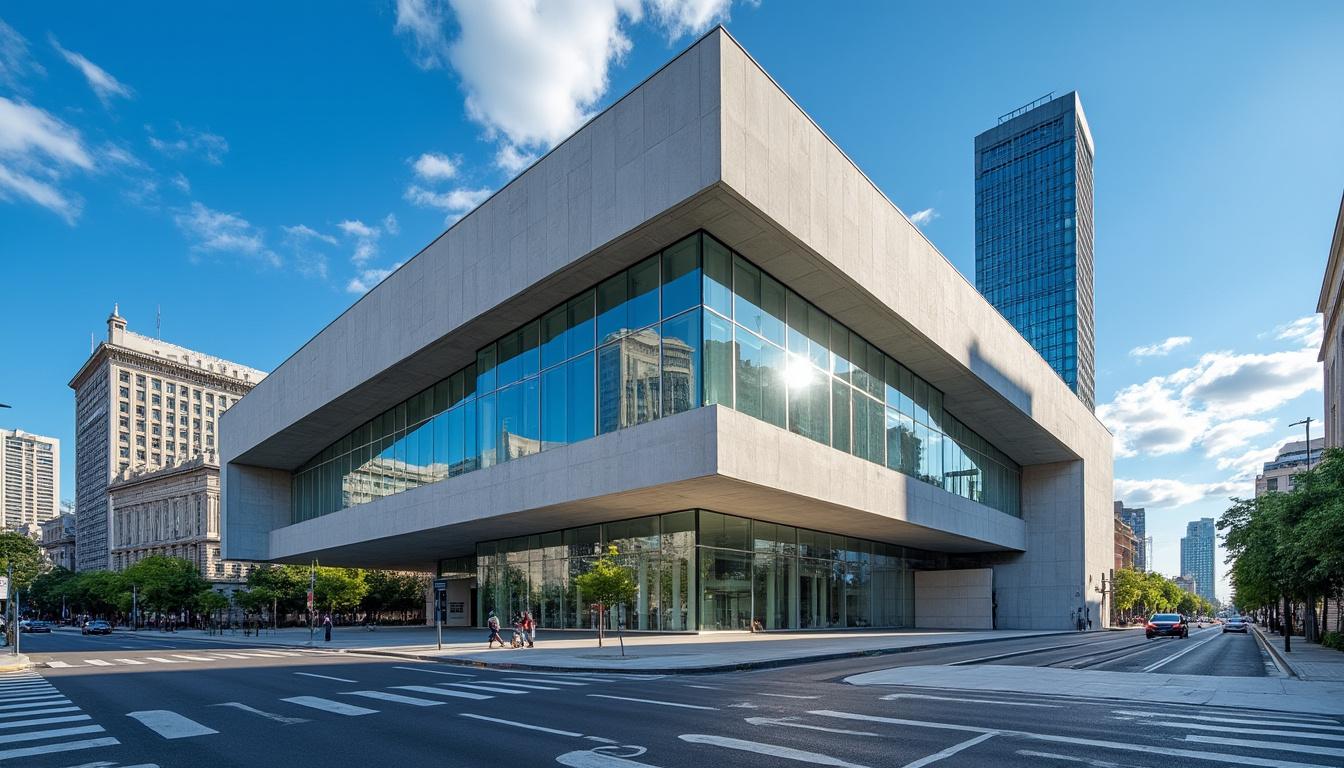
To integrate the unprecedented collection surge, MALBA is embarking on a roughly doubling of its physical footprint to reach an estimated 90,000 square feet. This growth is essential not only to exhibit the enhanced holdings but also to support flexible and dynamic programming, including temporary exhibitions and educational initiatives.
The planned expansion involves constructing new galleries beneath the adjacent Plaza Perú, a strategy that merges urban space utilization with museum needs. This architectural innovation creates extra exhibition surface while preserving the museum’s original minimalist aesthetic. It signals a new era for MALBA, where physical space becomes as much a part of the visitor experience as the artworks themselves.
Several key operational benefits arise from this expansion:
- 🖼️ Improved exhibition versatility for rotating collections and large-scale installations
- 🛠️ Enhanced climate-controlled storage facilities that adhere to international preservation standards
- 👩💼 Dedicated curatorial and conservation labs to provide specialized care to artworks
- 🎧 Integration of state-of-the-art audio guides and digital media to enrich visitor engagement
- ♿ Accessible design upgrades facilitating inclusive experiences for all audiences
This forward-thinking expansion ensures MALBA remains competitive among global institutions, capable of managing collection complexity while enhancing the Latin American art dialogue. By combining spatial innovation with smart cultural mediation tools, MALBA aligns with modern museum standards that prioritize accessibility, visitor interactivity, and conservation excellence. For professionals considering museum growth, MALBA’s integration of infrastructure with digital tools illustrates best practices in scaling successfully within the cultural heritage sector.
The Cultural and Market Significance of Expanding Latin American Art Collections
MALBA’s acquisition comes at a time when Latin American art continues to attract increasing global attention. The growing demand is driven by a rising appreciation for modern and contemporary works that reflect diverse social, political, and historical experiences intrinsic to the region. With this in mind, acquiring landmark pieces like Doris Salcedo’s previously elusive sculptures and Brazilian artist Hélio Oiticica’s notable installations is both a cultural and market statement.
Costantini’s acknowledgment of the challenges in acquiring such works over decades demonstrates the competitive landscape museums face today. Earlier acquisitions now fetch astronomical prices, reflecting the art world’s recognition of Latin American modernism’s lasting value. The $28.5 million Sotheby’s record set by Leonora Carrington’s Les Distractions de Dagobert exemplifies this trend. These market dynamics pressure museums to act decisively when unique collections become available.
Importantly, MALBA’s infusion of 75 artists new to its holdings enriches its cultural narrative and represents a broader inclusivity across Latin America. Such developments encourage deeper public engagement and scholarly research by showcasing a more comprehensive spectrum of art practices. This aligns with the museum’s mission to foster cultural heritage preservation through active public participation and education.
Any museum aiming to build or refresh a Latin American art collection must consider:
- 🖌️ Prioritizing diversity in regional representation to capture multiple cultural perspectives
- 💼 Navigating acquisition markets tactfully to secure rare and impactful pieces
- 📚 Collaborating with collectors, foundations, and international institutions to share resources and exhibitions
- 🎯 Designing exhibitions that contextualize socio-political narratives relevant to artworks
- 🌐 Leveraging digital platforms to increase global accessibility and educational outreach
Modern Curatorial Approaches and Preservation Challenges Post-Acquisition
Managing a collection of over 3,000 works, with a recent infusion of over 1,200 new pieces, calls for a comprehensive curatorial reconsideration. Eduardo Costantini highlights the need to rethink every facet of collection stewardship, from storage and preservation to exhibition design. These needs emphasize the intersection of traditional museum practices with technological innovation.
One challenge lies in preserving diverse media types—paintings, sculptures, installations, photographs—that demand specialized care. The collection houses work from influential artists such as Julio Le Parc, Alfredo Jaar, and Lygia Clark, each representing distinct material complexities. The museum’s efforts to maintain these works to the highest conservation standards demonstrate leadership in protecting Latin America’s cultural heritage for future generations.
Moreover, contemporary museology increasingly requires visitor-centric approaches with a focus on accessibility and inclusivity. Incorporating advanced audio technology solutions, potentially powered by intelligent systems like Grupem, enhances visitor comprehension without disrupting the art’s visual impact. These digital tools personalize experiences through multilingual guides, thematic deep-dives, and contextual storytelling while minimizing crowding and improving flow management.
Curators must also adapt interpretive frameworks to incorporate richer narratives surrounding post-1950 Latin American art’s engagement with identity, memory, and social change. This includes:
- 📈 Developing thematic exhibitions highlighting artists new to the collection
- 📖 Producing educational materials that engage diverse audiences
- 🤝 Fostering collaborations with institutions for traveling shows and research
By integrating preservation expertise with smart cultural mediation practices, MALBA sets a standard for museums navigating rapid collection expansions today.
Operational Insights and Best Practices for Museums Experiencing Major Art Collection Growth
Increased collection size precipitates significant operational shifts. Museums like MALBA must develop strategic frameworks to govern collection acquisitions, maintenance, and public engagement initiatives effectively. Failure to do so risks endangering both the artworks and visitor satisfaction.
Experts recommend a phased approach when managing large-scale acquisitions:
| 🛠️ Phase | 🎯 Focus Area | 📊 Key Actions |
|---|---|---|
| Assessment | Inventory and Condition Reporting | Detailed cataloguing and preservation condition checks for each new artwork |
| Infrastructure Upgrade | Storage and Exhibition Space | Enhancement or expansion of physical spaces and climate control systems |
| Curatorial Planning | Thematic Integration | Design of cohesive exhibitions that reflect collection diversity and historical context |
| Visitor Experience | Access and Interpretation | Implementation of smart audio guides and interactive displays for educational enrichment |
| Ongoing Maintenance | Conservation Practices | Regular monitoring and restoration work to prolong artwork lifespan |
🔔 Practical takeaways for museum professionals: Engage interdisciplinary teams early, invest in technology for enhanced visitor mediation, and anticipate infrastructure needs well in advance. The MALBA expansion project and collection management offer a benchmark for institutions navigating similar phases of growth.
For further insights on modern museum acquisition strategies and case studies, explore related articles such as Lucas Museum updates and analyses on commercial art museums.
What makes MALBA’s recent acquisition significant for Latin American art?
The acquisition of over 1,200 artworks doubles MALBA’s collection, significantly enriching its contemporary art holdings and bringing important pieces back to South America where many were previously exhibited internationally.
How is MALBA managing space for its expanded collection?
MALBA is undertaking a major expansion that doubles its physical area to 90,000 square feet by building new galleries under Plaza Perú, enhancing exhibition versatility and storage capabilities.
Why is contemporary Latin American art gaining global interest?
Contemporary Latin American art reflects diverse cultural, social, and political narratives, attracting global collectors and institutions, which increases demand and market value.
What role do digital tools play in modern museum experiences at MALBA?
Digital audio guides and interactive media help create inclusive and engaging visitor experiences by offering personalized, multi-language information and improving exhibit accessibility.
What challenges arise from managing a rapidly growing art collection?
Challenges include space limitations, preservation of diverse media, curatorial complexity, and ensuring engaging visitor experiences while safeguarding artworks.
