
Short on time? Here’s what you need to know about the British Museum’s new approach to artifact loans:
✅ The British Museum’s “Decolonizing” Artifact Loan Initiative offers long-term loans of key cultural items to former colonies but stops short of actual restitution.
✅ This approach maintains control within the museum and imposes strict conditions on borrowing institutions.
✅ The initiative sparks debate about museum ethics, cultural ownership, and the limits of symbolic gestures versus meaningful repatriation.
✅ For professionals engaged in cultural heritage and smart tourism, understanding these dynamics is crucial to navigating and mediating visitor experiences around such contested collections.
The British Museum’s Artifact Loan Model: A Rebranding of Colonial Control
The British Museum’s attempt to “decolonize” through long-term loans has triggered significant controversy within the fields of museum ethics and cultural heritage management. Launched in late 2025, this initiative centers on lending 80 ancient artifacts, including Greek and Egyptian antiquities, to the Chhatrapati Shivaji Maharaj Vastu Sangrahalaya (CSMVS) museum in Mumbai, India. Although publicly framed as an act of collaboration and goodwill by the museum’s director Nicholas Cullinan, this practice ultimately retains the British Museum’s ownership and authority over the objects.
Long-term loans differ fundamentally from repatriation, which would permanently return cultural artifacts to their places of origin. Instead, under this loan system, the British Museum sets stringent conditions, such as requirements for security, regular maintenance, and immunity from legal claims for the borrowing institutions. Such stipulations highlight a persistent imbalance of power, reminiscent of the colonial structures that originally facilitated the acquisition of these objects.
The analogy often cited—imagine reclaiming a stolen car only on condition that it be washed, driven regularly, and returned after a few years—illustrates vividly why critics view these loans as superficial gestures rather than genuine restitution. This model masks the ongoing struggle between symbolic cultural diplomacy and tangible acts of historical justice. While the museum promotes this strategy as “innovative,” it faces increasingly vocal opposition demanding legislative reforms that would enable permanent returns and restore agency and ownership to source communities.
For institutions managing collections with such complex histories, understanding this distinction between loan and repatriation remains essential. The British Museum’s stance illuminates broader systemic challenges across Western museums, where similar policies continue to protect entrenched colonial legacies rather than resolve them. More context can be explored at modern museum reform discussions and in debates surrounding the Parthenon sculptures loan controversy.
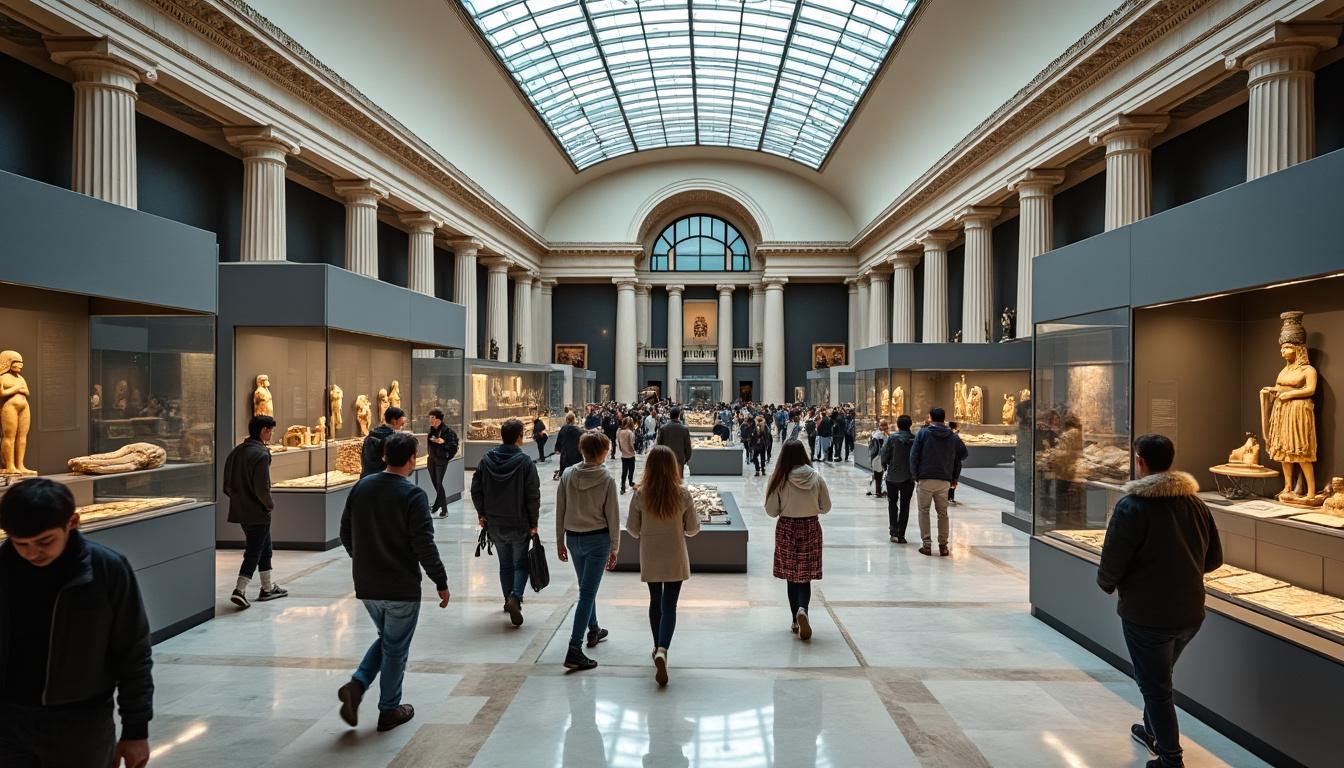
Understanding the Colonial History Behind the British Museum’s Collections
To appreciate the full implications of the British Museum’s artifact loan initiative, it is vital to recognize the colonial history embedded in its collections. Many items were acquired during Britain’s imperial expansion, often involving forceful extraction from colonized regions. These historic actions are well documented, including the looting of cultural treasures from India, Africa, Greece, and Egypt among others.
For example, after the 1868 Battle of Maqdala in Ethiopia, British soldiers took religious artifacts, manuscripts, and crowns home, distributing them across European museums. Similarly, the infamous Parthenon sculptures, removed from Greece in the early 19th century, remain one of the most contested pieces in the museum’s collection to this day. Critics emphasize that these items were not “collected” but taken by force or through unfair treaties, making their ownership claims contentious from a legal and moral perspective.
This colonial backdrop is critical in debates on cultural ownership and repatriation, fueling demands from source countries for the return of historical artifacts that serve as vital links to their heritage and identity. The refusal to permanently restitute these objects often contributes to wider societal tensions, as communities feel denied access to symbols of their history. This dynamic is elaborated in detail in discussions of blood-stained artifacts and the process of decolonizing museums documented at blood-stained artifacts debates and within recent cultural restitution explorations.
Professionals involved in cultural heritage management or smart tourism need to contextualize exhibits within this colonial history to foster informed visitor engagement. Accurate mediation that includes narratives of contested ownership and the complexities of past injustices enriches visitor experience and encourages critical reflection on heritage ethics.
Consequences of Conditional Artifact Loans for Source Communities and Museums
Conditional loans, as proposed by the British Museum, place considerable responsibilities and constraints on borrowing institutions and source communities. Unlike restitution, which acknowledges full ownership transfer and thereby restores agency, loan agreements restrict access and control.
Borrowing museums must comply with stringent security guarantees, insurance requirements, and often handle significant financial burdens for display, conservation, and transport. Furthermore, objects remain subject to return at the British Museum’s discretion, undermining the permanence crucial to authentic cultural reclamation.
This arrangement replicates colonial-era dynamics in a modern context, perpetuating unequal relationships. Source communities may receive cultural items temporarily but lack the authority to dictate their care, interpretation, or public accessibility long term. This echoes broader debates about museum ethics and cultural diplomacy, where symbolic gestures risk overshadowing the need for transformative change rather than genuine partnership.
The table below summarizes key differences between artifact loans and full repatriation, crucial for museum professionals to understand when navigating cultural heritage relations:
| Aspect 🔍 | Long-Term Artifact Loans 🏛️ | Complete Repatriation 🏠 |
|---|---|---|
| Ownership | Retained by lending institution | Transferred to source community |
| Duration | Temporary, often with specific return conditions | Permanent transfer |
| Control over care | Loans involve borrowing institution but lender holds final authority | Full care and display authority lies with source community |
| Recognition of historical injustice | Minimal to none; framed as collaboration | Explicit acknowledgment of colonial wrongs |
| Financial burden | Often borne by borrowing institutions | Shared or managed with source community input |
Understanding these distinctions helps heritage professionals prepare for evolving negotiation frameworks focused on sustainability, justice, and shared cultural stewardship. Further insights on decolonizing art museums and shifting ethical standards can be found at decolonizing art museums discussions.
Implications for Smart Tourism and Visitor Engagement in Contested Cultural Spaces
The unveiling of the British Museum’s controversial artifact loan plan poses important questions for smart tourism professionals and cultural mediators tasked with enhancing visitor experience. As debates about cultural ownership intensify, tourists increasingly seek authentic narratives and transparent explanation of museum collections’ provenance.
Smart tourism technologies, including advanced audio guides and immersive apps, offer promising pathways to contextualize objects within broader historical and ethical frameworks. For example, providing visitors with options to explore multiple perspectives—highlighting both the British Museum’s colonial history and the voices of source communities—can significantly enrich understanding and foster empathy.
However, this requires the integration of carefully curated content that respects the sensitivities involved. Successful interpretative strategies include:
- 🔍 Transparent storytelling incorporating contested histories
- 🎧 Multi-language audio guides featuring expert commentary and source community perspectives
- 🌐 Interactive digital exhibits enabling comparison of artifact histories and loan terms versus restitution debates
- 📲 Collaboration with apps like Grupem to transform smartphones into rich cultural mediation tools
By combining these digital innovations with responsible narrative framing, tourism professionals can exceed visitor expectations for meaningful engagement in contested heritage spaces. Linking to platforms showcasing repatriation case studies, such as the Benin Bronzes reclaimed story, provides additional educational value.
Future Perspectives on Museum Ethics and Decolonization in 2025 and Beyond
The controversy surrounding the British Museum’s loan initiative highlights urgent calls for systemic changes across global cultural institutions. The persistence of laws like the British Museum Act of 1963 illustrates structural barriers to genuine restitution efforts.
The future of museum ethics increasingly demands transparency, shared decision-making, and legal reform to redress historical wrongs. Institutions are encouraged to:
- ⚖️ Advocate for legislative changes enabling permanent repatriation
- 🤝 Partner on equal footing with source communities for joint curation and interpretation
- 📜 Ensure provenance research is comprehensive, accessible, and publicly disclosed
- 🌍 Embrace ethical standards that prioritize justice over possession and spectacle
Respecting cultural ownership means transforming museums from custodians of empire’s spoils into facilitators of cultural dialogue and restoration. Fulfilling these goals also enhances public trust and enriches visitor experiences through more truthful storytelling and ethical stewardship.
Those looking to deepen their expertise on decolonizing museums and artifact ownership will find valuable resources in interviews and debates such as Who Owns History? and critical analyses like British Museum’s Parthenon controversy. The ongoing dialogue is challenging, essential, and evolving.
What is the primary criticism of the British Museum’s artifact loan initiative?
The main critique is that long-term loans are not true restitution; they maintain British ownership and control, failing to acknowledge historical injustices or restore agency to source communities.
How do artifact loans differ from repatriation?
Loans are temporary and conditional, with ownership retained by the lending museum, whereas repatriation involves permanent transfer of artifacts to their countries of origin, restoring full control and cultural authority.
Why is understanding colonial history important for cultural heritage professionals?
Knowledge of the colonial origins of many museum collections is crucial for ethical mediation, enabling accurate storytelling, sensitive visitor engagement, and supporting calls for justice and repatriation.
What role can smart tourism technologies play in contested museums?
Smart tourism tools like advanced audio guides and interactive apps help contextualize artifacts, present multiple perspectives, and facilitate informed and empathetic visitor experiences.
What steps must museums take to move beyond symbolic acts toward true decolonization?
Museums must push for legal reforms allowing restitution, foster partnerships with source communities, share decision-making authority, and commit to transparent, just cultural stewardship.
