
Two Renoir Paintings Recovered: What the Mayor’s Announcement Establishes
Two paintings by Pierre-Auguste Renoir, stolen from the museum dedicated to the artist in Cagnes-sur-Mer, southern France, have been recovered, according to the town’s mayor, Bryan Masson. The announcement follows a September break-in at the property near Nice, where the painter spent his final years.
The account supplied for this report places the theft in early September and the recovery announcement roughly one month later. Coverage dated October 9, 2026, including ABC’s report on the recovered works and arrests, describes six people being arrested.
An earlier account, attributed to a source close to the investigation, mentioned five arrests. These figures should remain attached to their respective reporting stages: an earlier investigative update and later coverage of the recovery. Neither figure establishes that every person detained participated in the break-in, and an arrest is not a conviction.
Separating the Renoir art recovery announcement from investigative findings
Masson welcomed the recovery as a significant moment for local heritage, emphasizing that the pictures belong to the city’s history as well as its collection. His announcement provides an important public update, but it does not replace a detailed statement from police or prosecutors.
The supplied account says no police statement had yet been issued when that report was prepared. Consequently, the location where the works were found, the circumstances of their recovery, their condition, and any timetable for redisplay should not be presented as established facts.
This distinction matters for professionals answering visitors’ questions. A hypothetical visitor-services manager, Claire, might receive a call asking whether the recovered pictures can be seen during a booked visit. Her accurate response would separate the announced recovery from exhibition arrangements that require confirmation by the institution.
Recovery, physical return, conservation clearance, and public display are different milestones. Combining them into one celebratory message creates avoidable confusion, particularly when visitors are arranging transport, accommodation, or a guided itinerary.
Understanding the French museum robbery timeline
According to the mayor’s account of the original incident, intruders cut through a perimeter fence, broke a window, and used an electric saw to attack the frame mountings. They escaped with two works and abandoned two others while fleeing.
Those reported details describe a sequence involving the grounds, the building, and the display fixtures. They do not establish how long the intrusion lasted, which alarms activated, or whether any individual security measure malfunctioned.
| Reported development | What it establishes | Practical implication |
|---|---|---|
| 🖼️ Two works recovered | The mayor announced their recovery. | Do not automatically advertise them as back on display. |
| ⚖️ Arrests reported | Earlier reporting mentioned five; later coverage described six. | Preserve attribution and avoid assigning guilt. |
| 🔎 Condition not specified | The supplied account gives no conservation assessment. | Wait for an authorized condition update. |
| 📍 Cagnes-sur-Mer location | The incident concerns the artist’s former home near Nice. | Distinguish this site from other institutions holding his work. |
For a tourism office, this timeline is more useful than an emotionally charged headline alone. Staff can explain what changed, identify which operational questions remain open, and direct travelers toward the museum’s official visitor information rather than speculative social posts.
The broader reporting can be followed through Le Monde’s coverage of the mayor’s statement. The clearest public message distinguishes the announced recovery from every subsequent decision about care, access, and display.
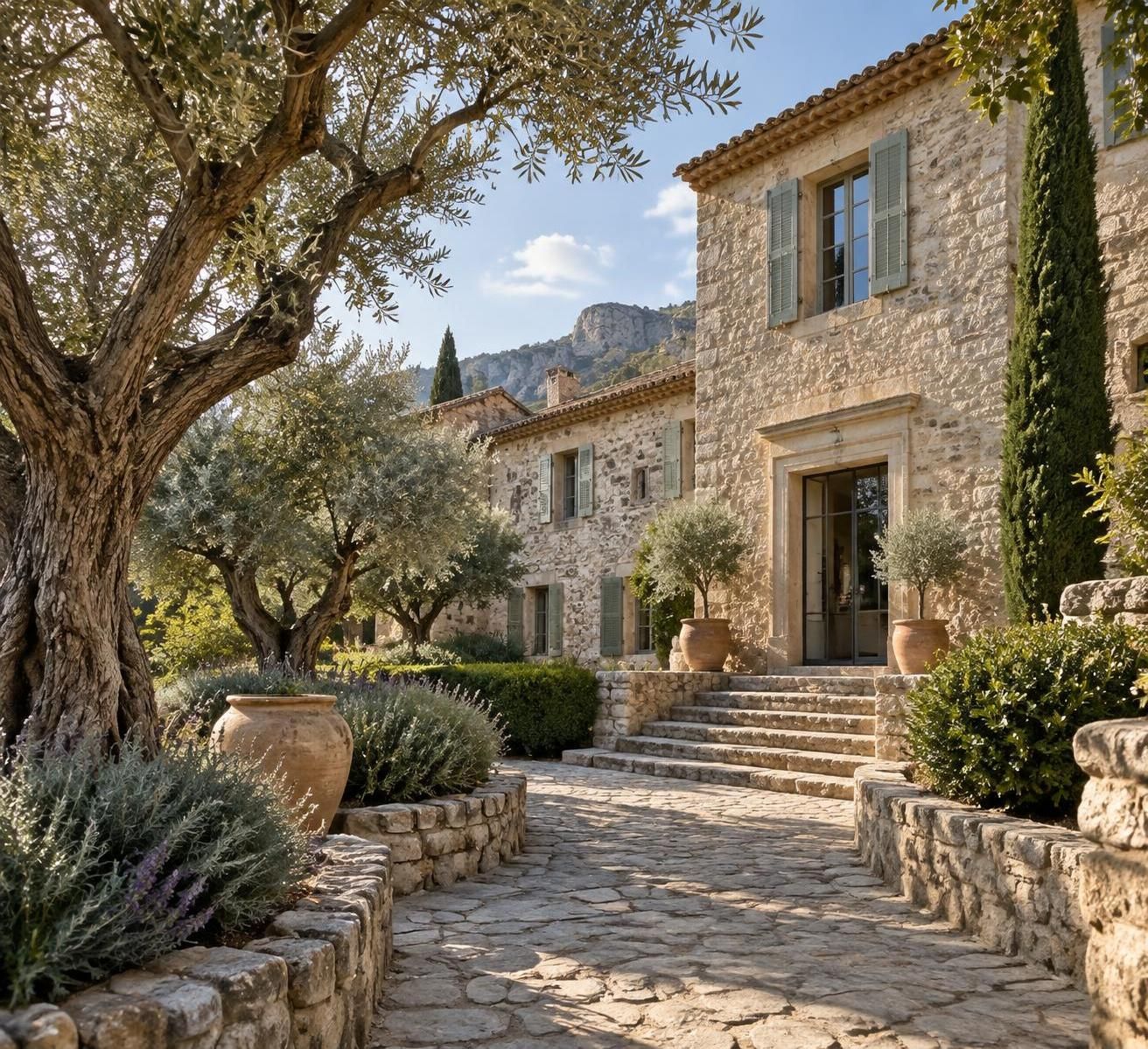
Why the Recovered Renoir Paintings Matter to French Art and Local Tourism
The significance of this case extends beyond the financial value of the missing objects. The Renoir Museum occupies the artist’s last home in Cagnes-sur-Mer, connecting its collection to a place where he lived and worked before his death in 1919, aged 78.
That relationship gives the institution a distinctive interpretive role. Visitors are not simply moving through galleries containing French art; they are encountering a setting that helps explain an artist’s working environment, later life, and connection to the Mediterranean landscape.
Explaining Renoir’s former home without inventing details about the recovered works
A painting displayed in an artist’s former residence can carry several layers of meaning. Its visual qualities matter, but so do the surrounding rooms, the landscape outside, and the institution’s explanation of how the object belongs within a larger creative history.
The supplied recovery account does not identify the two pictures by title, date, dimensions, or subject. Interpretation should therefore avoid assigning them invented characteristics, describing their brushwork as though they had been examined, or claiming that either represents a particular phase of the painter’s career.
A guide can still explain why the site matters. For example, a tour might explore how an artist’s home differs from a conventional collection, why provenance supports historical interpretation, and how custodians preserve relationships between objects and places.
This approach makes the story accessible without turning missing information into decorative detail. Historical context should deepen understanding, not fill factual gaps.
Keeping cultural visits meaningful when artworks are unavailable
Consider Claire coordinating a group visit after the announcement. If the recovered pieces are awaiting assessment, she should not build the entire itinerary around their immediate availability. Instead, she can organize the experience around confirmed rooms, accessible collections, and the site’s documented history.
That alternative is not a lesser visit when it is explained clearly. An itinerary can connect architecture, landscape, artistic practice, and collection stewardship, helping visitors understand why a cultural destination remains meaningful even when individual objects cannot be shown.
Digital interpretation can support this approach through short, clearly labeled audio segments. One segment might describe the house’s historical importance; another could explain why conservators assess recovered objects before exhibition. Neither needs dramatic sound effects or an imagined account of the crime.
Accessibility also strengthens the experience. Transcripts support visitors who cannot comfortably use audio, while concise language helps international groups and people unfamiliar with art history. Where multiple languages are offered, essential operational information should remain consistent across versions.
A historical video can provide useful visual context for the property and its surroundings. Before including one in a visitor resource, staff should check its publisher, publication date, captions, and whether the footage accurately represents the destination being discussed.
Protecting the destination from sensationalized art theft coverage
A museum robbery can temporarily dominate search results for a place better known for its cultural significance. Destination managers should resist allowing the criminal incident to become the institution’s defining attraction or an unofficial promise of access to a dramatic crime scene.
Related reading, such as Grupem’s coverage of stolen Renoir masterpieces, can sit alongside practical visitor information rather than replace it. Readers need both cultural context and clear answers about opening arrangements, reservations, and available interpretation.
Why should this distinction matter to a guide? Because visitors remember whether the experience delivered what was promised, not simply whether its promotion used a compelling headline. The destination’s enduring value lies in its artistic heritage; the recovery story should illuminate that heritage rather than overshadow it.
What Art Recovery Requires Before Stolen Artwork Returns to Display
Finding missing pictures is a major investigative achievement, but it is not the final stage of their protection. A recovered object may need examination, documentation, secure transport, and legal authorization before an institution can restore it to its normal position.
These are general collection-management considerations, not a description of procedures already confirmed in this case. The supplied reporting does not establish the condition of the two works or identify the arrangements made for their transfer.
Preserving evidence and establishing the identity of recovered paintings
Law enforcement and collection specialists have different but connected responsibilities. Investigators need to preserve evidence and document the circumstances of recovery, while specialists assess identity, condition, and the handling requirements of the objects.
Identification can draw on accession records, historical photographs, dimensions, inscriptions, labels, and documented physical features. A visual resemblance alone is not a complete authentication process, particularly when an object has been separated from its usual frame or supporting documentation.
A clear custody record documents who handled an item, where it was held, and when transfers occurred. That record supports both investigative work and institutional accountability, reducing the risk that handling decisions become difficult to reconstruct later.
For Claire, the practical lesson is straightforward: a visitor-facing announcement should follow an approved information chain. A photograph circulated online or an unofficial comment from someone near the investigation is not sufficient authority to announce a return date.
Assessing damage after a museum robbery
Paintings can suffer harm without obvious damage visible in a publicity image. Changes in temperature or humidity, pressure against the surface, vibration, and unsuitable wrapping may affect different components of an object in different ways.
The reported use of a saw against mountings makes examination of frames and attachment points particularly relevant. It does not, by itself, establish damage to the painted surfaces, and staff should avoid either declaring the works unharmed or suggesting deterioration without an assessment.
Conservators ordinarily compare the recovered object with previous condition records. Depending on the materials and findings, they may recommend observation, stabilization, further examination, or treatment before exhibition.
- 🔎 Confirm identity: compare the object with collection documentation and recorded distinguishing features.
- 📋 Record condition: document visible changes before unnecessary handling takes place.
- 🔐 Coordinate custody: agree responsibilities between investigators and authorized institutional staff.
- 🌡️ Plan suitable transport: select packing and environmental precautions appropriate to the materials.
- 🖼️ Authorize redisplay: separate conservation approval from publicity and visitor demand.
These steps are interconnected rather than interchangeable. Transport that disregards condition can create new problems, while treatment undertaken without coordination may complicate evidence preservation. The appropriate sequence depends on the object and the legal circumstances.
Communicating a delayed return without disappointing visitors
If a redisplay date has not been approved, the institution can explain the process instead of offering an estimate designed to satisfy demand. A brief statement that assessment precedes exhibition gives visitors a practical reason for waiting without exposing confidential operational details.
A hypothetical booking message might say that the recovered works are not currently advertised as part of the visit and direct guests toward the confirmed collection offer. This is clearer than a vague promise that they will return “soon,” which visitors may interpret as a commitment.
Recovery coverage can also explain the distinction between cultural ownership and investigative custody. An object belonging to a collection does not necessarily move straight from its discovery location to a gallery wall. Successful art recovery protects both the evidence and the artwork; a display date should follow that protection, not dictate it.
What the Renoir Museum Robbery Teaches Cultural Venues About Security
The reported sequence at Cagnes-sur-Mer offers a useful framework for reviewing protection across a site. Intruders allegedly crossed the perimeter, forced an opening into the building, and attacked the display mountings before leaving with selected objects.
That sequence does not justify diagnosing the institution’s security arrangements from afar. It does show why cultural venues should consider the grounds, building envelope, galleries, detection systems, and response procedures as connected layers rather than isolated purchases.
Reviewing layered protection after a French museum theft
A fence can establish a boundary, but a boundary alone does not provide a complete response. Detection must generate an actionable alert, and the people receiving that alert need a clear procedure for assessing it and contacting the appropriate services.
Likewise, cameras can support investigation without necessarily preventing unauthorized removal. Their usefulness depends on coverage, maintenance, recording quality, and how information is handled. Installing additional devices without reviewing these dependencies can create expense without resolving the main operational problem.
A practical review should ask whether responsibilities are clear outside opening hours. Who receives a notification? What happens if the first contact is unavailable? When was the escalation procedure last tested under realistic conditions?
These questions are suitable for internal assessment, not public disclosure of sensitive arrangements. Useful transparency explains that protective work is taking place without publishing exploitable details.
Improving collection records and staff readiness
Good documentation supports prevention, emergency response, and recovery. Institutions should maintain usable photographs, identifying descriptions, ownership records, and condition information, with secure backups that remain available if access to the building is interrupted.
For a small collection, a disciplined documentation programme may deliver more immediate value than a complicated platform nobody has time to maintain. Records need consistent naming, access permissions, and a designated person responsible for updates.
Training should also distinguish between a suspicious incident and an instruction to confront someone. Visitor-facing employees need safe reporting routes; they should not be expected to pursue intruders or improvise investigative work.
In Claire’s hypothetical organization, a short exercise could test how staff report a forced door discovered before opening. The exercise would check whom to call, where colleagues should wait, and how scheduled groups receive updates without compromising the scene.
A training video can help introduce general principles, but it should not substitute for local procedures or specialist advice. Check whether the material suits the building, staffing model, and legal context before treating it as an operational resource.
Keeping smart tourism systems separate from collection protection
Visitor applications, wireless audio services, ticketing systems, and collection-security equipment serve different purposes. A smartphone-based guide can improve interpretation, but it does not replace intrusion detection, secure mounting, or coordination with investigators.
Digital projects should nevertheless be included in governance reviews. Administrative accounts require appropriate access controls, former staff should lose access promptly, and visitor data should not be collected simply because a platform makes collection possible.
Related coverage such as Grupem’s discussion of thefts involving gold, gems, and Renoir works can provide a starting point for professional discussion. The next step is a site-specific review rather than copying measures from another institution with different risks and resources.
For budget planning, prioritize documented weaknesses, assigned responsibilities, and maintenance obligations. A dependable protection system is a coordinated operating practice, not merely a catalogue of equipment.
How Museums Can Communicate the Renoir Recovery Through Accessible Audio and Visitor Updates
The recovery announcement creates an immediate communication challenge: public interest rises before every operational detail is settled. Websites, reservation emails, guided commentary, social channels, and front-desk answers can quickly drift apart unless one person coordinates the approved information.
A practical response begins with a short, dated reference note. It should distinguish the mayor announcement, reporting about arrests, confirmed access arrangements, and information not yet released. Staff can then adapt that note to different channels without changing its factual meaning.
Creating a consistent visitor-information workflow after art recovery
Claire could maintain an internal briefing with three fields: what has been announced, what affects today’s visit, and where the next authorized update will appear. This format helps colleagues answer real questions without reciting the entire history of the incident.
A visitor asking about the criminal investigation needs a different answer from someone checking wheelchair access or group admission. Combining all these topics into one long notice makes essential information harder to find and increases the chance that an outdated detail remains unnoticed.
Separate operational notices from cultural interpretation. The first should explain access and booking consequences; the second can explore the importance of the collection and the care required after recovery. Both should identify when they were last reviewed.
Search visibility matters here, but accuracy matters more. A page mentioning the Renoir paintings, stolen artwork, and their reported recovery can answer public demand without using exaggerated phrases or implying that the investigation has concluded.
Using smartphone audio guides without turning the theft into entertainment
Audio interpretation is useful because it can present context without adding long wall panels or requiring every visitor to follow the same pace. The script should remain calm and factual, separating documented history from explanations of general conservation practice.
A suitable short segment might describe why the artist’s former home matters, state that two missing works were reported recovered, and explain that exhibition decisions depend on institutional authorization. It should not recreate the intrusion through invented dialogue or present suspects as convicted offenders.
For organizations considering smartphone-based delivery, Grupem can be evaluated as an audio-guide option alongside the venue’s actual requirements. Check language needs, device compatibility, connection conditions, visitor assistance, and the workflow for revising approved content before choosing any tool.
The useful innovation is not novelty for its own sake. It is the ability to deliver understandable information, manage updates efficiently, and reduce friction for visitors and guides without blurring interpretation and security.
Making recovery information accessible and measurable
Audio should have an equivalent readable version. Visitors who are deaf or hard of hearing, those who prefer text, and people whose devices cannot play the recording should receive the same essential information.
Use short sentences, explain unfamiliar terms, and avoid background music that competes with speech. Translated versions should preserve qualifications about arrests and display availability rather than simplifying them into stronger claims.
Test the experience with ordinary devices and realistic conditions. Can someone find the update while waiting at reception? Is the text readable outdoors? Does the audio remain intelligible when nearby groups are speaking?
Measurement should focus on service outcomes rather than attention alone. Fewer repeated questions, fewer booking misunderstandings, and staff reporting clearer answers are more useful indicators than the number of people who clicked a sensational headline.
Assign an owner to remove outdated notices and revise recordings when authorized information changes. A reliable digital visitor experience gives the right information at the right moment—and makes correction as straightforward as publication.
Where were the two Renoir paintings stolen?
They were taken from the Renoir Museum in Cagnes-sur-Mer, near Nice in southern France. The museum occupies the artist’s former home.
Who announced that the paintings had been recovered?
Bryan Masson, the mayor of Cagnes-sur-Mer, announced their recovery. The supplied account did not include a detailed police statement at the time it was prepared.
Were five or six people arrested?
An earlier report attributed to a source close to the investigation mentioned five arrests, while later recovery coverage described six. These figures belong to different reporting stages, and arrest does not establish guilt.
Are the recovered paintings already back on display?
The supplied reporting does not establish a redisplay date. Visitors should check the museum’s official information because recovery, condition assessment, and exhibition authorization are separate stages.
How should guides discuss the recovery with visitors?
Use attributed, dated information; distinguish the recovery announcement from confirmed display arrangements; and explain the site’s cultural significance without speculating about suspects or the condition of the works.
