
Strategic Development and Architectural Planning Behind the Florence County Museum Expansion
The Florence County Museum in South Carolina is poised to embark on a significant construction project aimed at expanding both its physical capacity and functional offerings. This expansion responds to growing community engagement and the increasing demand for richer cultural and educational experiences within the region.
At the heart of this endeavor is a thoughtfully designed plan that involves the addition of two new wings to the museum’s existing structure at the downtown Florence location near Cheves and Dargan Streets. The development includes constructing a western wing of approximately 2,400 square feet and an eastern wing spanning about 1,600 square feet. The total new floor area will amount to nearly 15,000 square feet, encompassing additional art galleries, classroom spaces, offices, and interior walkways that enhance visitor flow and accessibility.
This architectural strategy carefully balances modern design principles with the preservation of the museum’s established character. With this approach, the project prioritizes not only expanding exhibition space but also improving the overall infrastructure to support evolving museum functions. Moving the main office area will liberate space for the new galleries, and the creation of expanded educational facilities aligns with contemporary priorities in cultural mediation.
The planning phase has accounted for the need to maintain most museum operations without interruption during the building period. By phasing construction and optimizing operational workflows, the museum provides ongoing accessibility to the public while preparing for an eventual temporary closure towards the end of 2027 to complete finishing touches before the grand reopening, possibly scheduled for New Year’s Day 2028.
Such foresight in the architectural and development phases serves as a practical model for institutions undergoing similar upgrades. It ensures that enhancements do not compromise the visitor experience, but instead advance it through infrastructure that supports both exhibition agility and educational programming.
This expansion echoes broader trends in museum renovation projects nationwide, where institutions integrate well-planned infrastructure development to better serve their communities. For example, the Columbus Museum’s recent renovation and expansion efforts emphasize sustainability, community engagement, and modernized accessibility, reflecting a shared commitment to enriching cultural landscapes through thoughtfully executed architectural designs as detailed by DesignGroup’s renovation strategy.
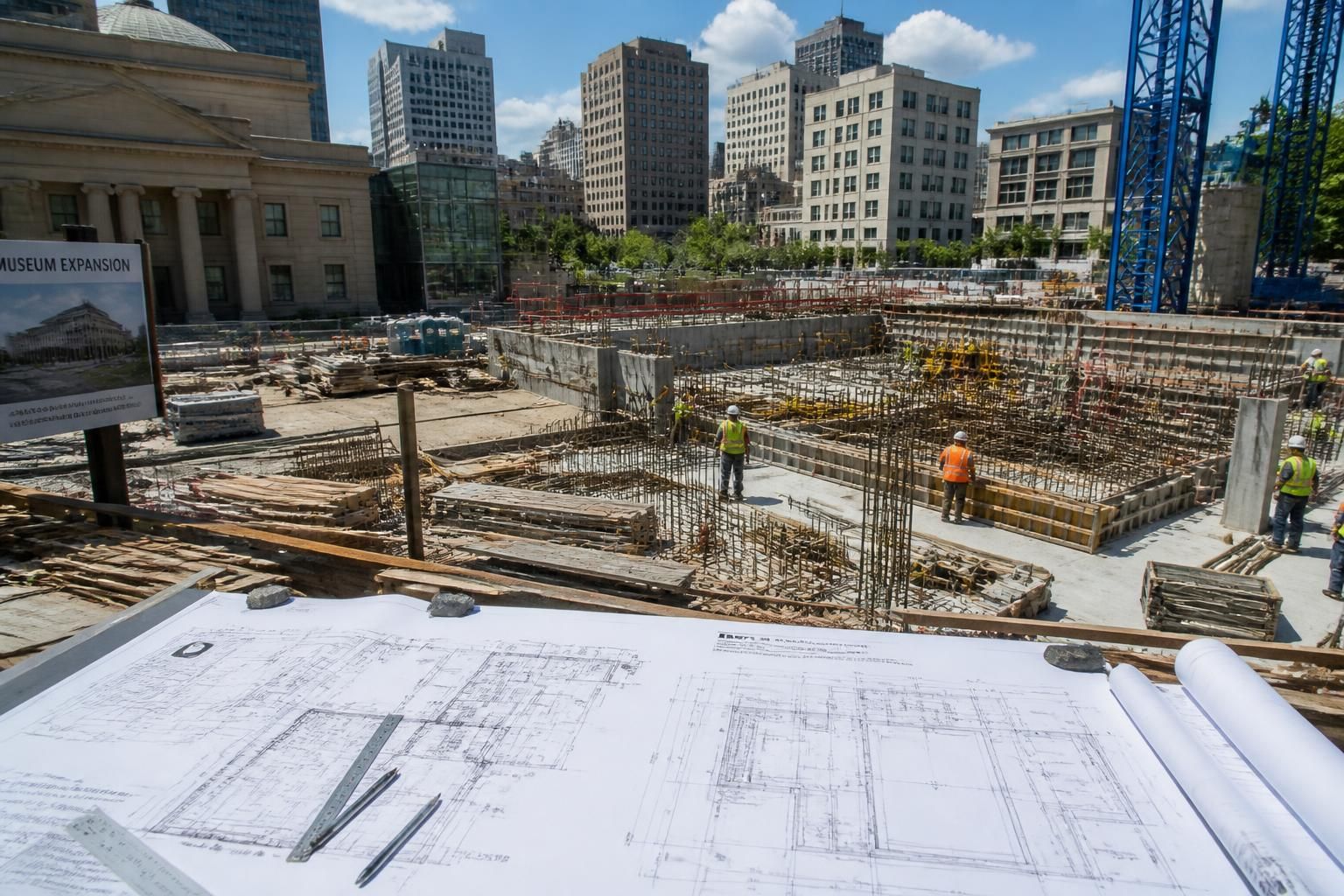
Project Timeline and Milestones of the Florence County Museum Expansion Construction
The construction phase for the Florence County Museum’s expansion is scheduled to commence in early August, with mobilization expected around August 3rd or 10th of 2026. This precise timing allows the project to leverage favorable summer weather conditions, optimizing onsite activities related to excavation, material delivery, and structural assembly.
Key milestones have been laid out to track progress throughout this extensive initiative. Construction activities are planned to continue steadily until October of the following year. This broad timeline underscores the complexity and scale of the development—involving not just physical construction but also coordination with contractors, supply chain management, and community notifications.
Following the main build phase, the museum anticipates a partial closure lasting a few months near the end of 2027. During this period, final interior modifications, installation of new exhibits, and comprehensive testing of facilities will take place, ensuring everything aligns with operational and visitor experience standards. The intent is to conduct a grand reopening ideally on New Year’s Day 2028, marking a symbolic new chapter for the museum and the community it serves.
This phased project timeline is designed to minimize disruption to the museum’s visitors, a critical consideration given its role as a cultural anchor in downtown Florence. Unlike many renovation projects that require complete shutdowns for extended periods, this approach reflects best practices in managing ongoing access while executing large-scale construction.
Comparable construction schedules in the museum sector demonstrate similar structured approaches. For instance, the Columbus Museum of Art’s roof replacement project, facilitated by secured government funding, adhered to carefully planned phases to maintain public engagement despite necessary structural upgrades, as highlighted in discussions surrounding project funding and government collaboration available at Columbus Museum government funding announcement.
Enhancing Visitor Experience Through New Educational and Gallery Facilities
The expansion of the Florence County Museum will significantly enhance visitor engagement by adding two new art galleries coupled with dedicated education spaces. This deliberate enhancement aligns with current trends prioritizing educational outreach and interactive cultural experiences in museum environments.
The new galleries will expand exhibition capacity, enabling the museum to host a wider variety of art collections, including rotating exhibits that highlight regional artists and diverse cultural narratives. More gallery space translates into a richer visitor itinerary and opportunities for deeper, more immersive experiences.
Simultaneously, the newly constructed classrooms within the eastern wing will serve as hubs for educational programs, workshops, and community events. This expansion cements the museum’s role not only as a repository of art but as a vibrant learning center that supports school groups, lifelong learners, and cultural practitioners alike.
Crucially, the structural design incorporates interior walkways and better circulation spaces to streamline visitor movement between galleries and educational zones. This attentiveness to spatial flow addresses common challenges found in existing museum layouts, such as bottlenecks or unclear navigation paths, and contributes to a more seamless, comfortable visit.
For museums enhancing their educational impact, integrating technology becomes indispensable. Modern audio guides, mobile applications, and smart signage can complement the spatial upgrades to offer enriched storytelling and accessibility. The expansion reflects these principles and sets a foundation for future digital integration.
Similar models, such as the Winslow Railroad Museum’s approach to visitor engagement, demonstrate how spatial expansions paired with tech-enhanced interpretation support meaningful audience interaction and broaden cultural access.
Financial Considerations and Project Management in Museum Expansion
Executing a $15 million museum expansion requires meticulous project management and financial oversight to mitigate risks associated with construction costs and timelines. This undertaking in Florence County encompasses procurement of construction services, selection of a Construction Manager at Risk (CM-R), and adherence to budgetary constraints.
The CM-R model enables the museum and county officials to collaborate closely with the chosen contractor, ensuring that project scopes are continuously assessed against evolving construction tariffs and material price fluctuations. This approach increases budget reliability and helps avoid unexpected overruns.
The procurement process itself is structured into a two-step approach to select the most qualified firm capable of managing both the western and eastern wing additions efficiently. The project requires acute attention to integrating infrastructure upgrades, compliance with building codes, and sustainability standards.
Construction expenses have trended upward due to tariffs and supply chain disruptions affecting the construction industry nationwide. Navigating these economic pressures demands adaptive project timelines and prioritization of critical infrastructure needs to safeguard overall project completion.
A pertinent example involves the Florence County Museum budget approval process, which notably contained no tax increase, reflecting strategic fiscal planning to balance public support with financial feasibility, as detailed in reports covering the construction cost and tariffs impact.
| 🛠️ Project Aspect | 📅 Timeline | 💰 Estimated Cost | 📍 Purpose |
|---|---|---|---|
| Site Mobilization & Groundwork | Early August 2026 | $2.5M | Preparing foundations and utilities |
| Construction of Western Wing | Aug 2026 – Apr 2027 | $6M | Additional gallery and storage space |
| Construction of Eastern Wing | Aug 2026 – May 2027 | $4M | Classrooms and office expansion |
| Interior Finishing & Exhibits Setup | Jun – Oct 2027 | $2.5M | Installation of fixtures and galleries |
Sustainable Infrastructure and Long-Term Benefits of Museum Renovation
The Florence County Museum expansion project incorporates sustainable infrastructure practices that align with 2026 standards for environmental responsibility and energy efficiency. These improvements not only reduce the museum’s ecological footprint but also promote operational savings and enhanced visitor comfort.
Efforts include modern HVAC systems optimized for lower energy consumption, LED lighting installations designed to protect sensitive artworks, and use of eco-friendly building materials to minimize environmental impact. These elements collectively establish a sustainable foundation for future museum operations.
Long-term benefits extend beyond environmental considerations. The upgraded architecture and expanded space allow for enhanced cultural programming, which in turn supports local artists, educates the community, and drives economic development through increased tourism.
Moreover, the expanded museum facilities will better accommodate accessibility features, ensuring compliance with ADA standards and fostering inclusivity. This focus on visitor-oriented infrastructure complements contemporary museum trends prioritizing equal access.
Examples of successful renovation projects demonstrate the multiplier effect of sustainable museum expansions. For instance, the Noah Art Museum in Doha leveraged smart infrastructure upgrades to boost attendance and community involvement, illustrating the value of integrating sustainable development into cultural institutions, further discussed at Mathaf Art Doha Expansion.
The museum’s commitment to sustainable development serves as a benchmark for future projects nationwide, emphasizing that cultural institutions can balance growth with environmental stewardship.
Best Practices for Managing Museum Operations During Large-Scale Construction
Maintaining visitor experience during an extensive construction project requires careful operational planning. The Florence County Museum’s approach involves remaining largely open throughout most of the construction period to uphold its mission of cultural accessibility.
Effective communication with the public is paramount. Providing transparent updates about construction phases, temporary reroutes within and around the building, and anticipated impacts helps manage visitor expectations and maintains community trust.
Implementing spatial adjustments such as clearly marked walkways, designated quiet zones away from construction noise, and temporary relocations of certain exhibits ensures the visitor experience remains positive despite ongoing building works.
Staff training on safety protocols and visitor assistance during construction zones is critical. This helps personnel guide visitors efficiently, answer questions, and maintain a welcoming atmosphere.
Leveraging digital channels, including social media, email newsletters, and the museum’s website, supports real-time updates and interactive engagement. The integration of smart audio guides, similar to those offered by modern platforms, enriches visitor understanding and compensates for any temporary space limitations.
- 🔧 Maintain clear signage and visitor pathways
- 📢 Provide regular construction progress updates
- 👥 Train staff for visitor guidance and safety
- 🌐 Use digital platforms for communication and engagement
- 🎧 Integrate smart audio tours to enhance onsite experience
Comparable methodologies have been successfully applied in other institutions undergoing renovations, ensuring visitor satisfaction without compromising project momentum. As museums evolve, such operational agility becomes essential to balance growth initiatives with community service goals, exemplified in the detailed renovation process of the AQHA Museum revamp.
When is the Florence County Museum expansion construction scheduled to start?
Construction is expected to begin in early August 2026, with site mobilization around August 3rd or 10th.
How will the museum operate during construction?
The museum plans to remain open through most of the construction phase, employing phased closures only towards the end of 2027 for finishing work.
What new facilities will the expansion include?
The project adds approximately 15,000 square feet with two new gallery spaces, classrooms, offices, and improved interior walkways.
How is the project being managed to control costs?
A Construction Manager at Risk (CM-R) model is in place to closely oversee construction activities, helping mitigate cost overruns and ensure schedule adherence.
What sustainability measures are integrated into the expansion?
The renovation features eco-friendly materials, energy-efficient systems, and upgrades that enhance both environmental and operational performance.
