
Peu de temps ? Voici l’essentiel à retenir :
- ✅ Collaboration entre communautés et institutions est indispensable pour assurer la préservation durable du patrimoine d’Iowa.
- ✅ Intégration d’outils numériques modernes tels que NaviLens permet d’améliorer l’accessibilité et l’engagement du public.
- ✅ Mobilisation citoyenne et contributions locales renforcent la sauvegarde de l’histoire, à travers des actions concrètes et régulières.
Creating a Collective Framework for Safeguarding Iowa’s Heritage
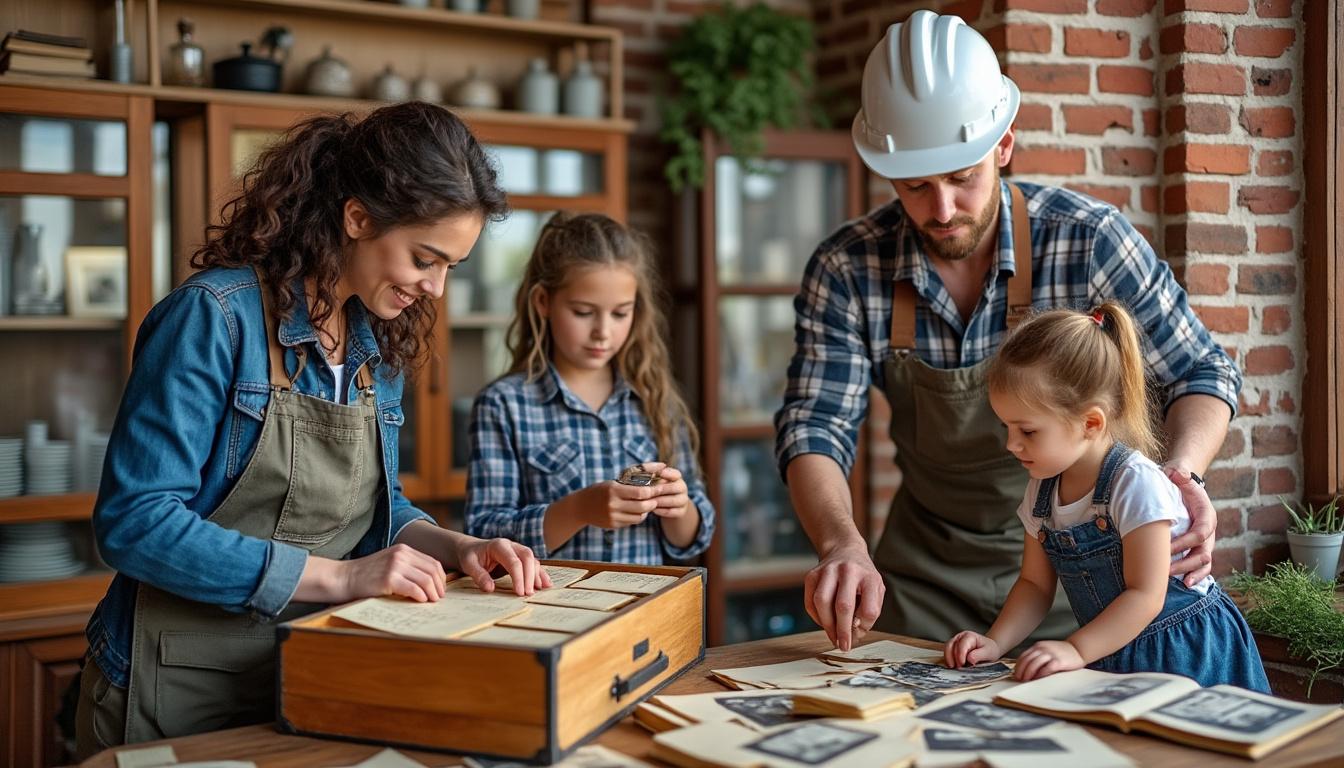
In Iowa, safeguarding heritage is not confined to any single entity; rather, it is a shared duty that relies on the integration of various community actors. Institutions like the State Historical Society of Iowa exemplify this model of collaboration, working alongside schools, libraries, museums, tribal nations, and local citizens. This partnership fosters a multifaceted approach to heritage preservation, acknowledging that Iowa’s history lives beyond archives—in local courthouses storing land records, libraries housing historic newspapers, and community groups maintaining artifacts.
The necessity of a collective effort reflects the complexity of heritage itself, which encompasses not only tangible assets such as buildings and documents but also intangible cultural elements—oral histories, traditions, and community memories. For example, local museums in Fairfield have teamed with family farms to document century-old stories through oral histories and archival photographs, ensuring rural culture remains part of Iowa’s living history. Similarly, along the Little Sioux River, a consortium involving tribal representatives, governmental agencies, and historians has pioneered community dialogues aimed at preserving shared natural and cultural resources.
These collaborations leverage limited budgets and small staffs efficiently by cultivating local stewardship. Emphasizing inclusivity, this method extends beyond formal institutions to embrace volunteers, educators, and elders who safeguard and transmit heritage through lived experience. The distributed nature of Iowa’s historical resources mandates such interconnected stewardship — no single organization can preserve the entire richness of the state’s heritage alone.
The collective framework is increasingly enhanced by adopting state-of-the-art technologies that support documentation, preservation, and public engagement efforts. Such integrated strategies represent a robust foundation for sustaining Iowa’s cultural legacy well into the future.
Leveraging Smart Technologies to Enhance Heritage Preservation in Iowa
The integration of smart tourism solutions and digital tools has introduced transformative possibilities in heritage conservation and visitor engagement across Iowa. Technologies such as the recently launched NaviLens system at the State Historical Museum illustrate how innovations can enhance accessibility and inclusivity. By allowing smartphone-enabled navigation and audio descriptions, NaviLens dramatically improves the experience, especially for visually impaired visitors, offering a model for modern heritage sites aiming to engage diverse audiences in an effective manner.
Similarly, digitization projects serve to safeguard fragile materials while expanding public access. For instance, in the Cedar Valley, volunteers collaborate with the National Cattle Congress to digitize and catalog photo collections, ensuring that these culturally significant materials are preserved against deterioration and accessible globally. Digitization also bolsters research capabilities, making Iowa’s extensive archives more usable for historians, educators, and students alike. This approach aligns well with the priorities of many preservation advocacy organizations, including the Preservation Iowa, which actively champions leveraging technology for sustained heritage protection.
Moreover, smart tourism applications, like the Grupem app, enable cultural institutions and guides to offer immersive audio tours that both inform and entertain visitors while preserving the authenticity of heritage narratives. These guiding tools facilitate engaging interpretations of sites without the need for large physical gatherings or traditional tour guides, lowering operational costs and improving visitor flow management. This practical innovation is crucial for organizations operating with constrained budgets, providing scalable solutions for reaching wider audiences.
The technological evolution in heritage preservation empowers stakeholders by furnishing them with actionable insights, content management systems, and user-centric experiences that harmonize preservation with modern expectations. Consequently, Iowa’s heritage sites can thrive as living repositories, dynamically engaging communities and tourists alike.
Strengthening Community Engagement as a Pillar of Preservation Responsibility
A cornerstone of successful heritage safeguarding in Iowa lies in active community participation. This sense of shared responsibility is not only a catalyst for preservation but equally vital for ensuring the transmission of cultural knowledge across generations. The State Historical Society of Iowa’s outreach programs, for example, extend support to local groups by providing grants, educational workshops, and technical assistance to maximize their preservation impact.
Community volunteers play indispensable roles — from cataloging artifacts after work hours to maintaining local historic buildings. These grassroots efforts often form the backbone of heritage protection in smaller towns and rural areas. Moreover, educational initiatives invite young people to engage with history in concrete ways, such as students in Cedar Valley collaborating on photo digitization or local schools integrating museum collections into curricula with professional guidance.
Enabling communities to share stories and heritage also requires acknowledging and respecting the knowledge of indigenous tribal nations. Tribal historians serve as vital stewards of cultural traditions and sacred histories that enrich Iowa’s collective memory. Their participation ensures that preservation practices are culturally sensitive and encompass the full spectrum of Iowa’s diverse heritage.
Strategies to reinforce community engagement involve:
- 🌟 Organizing local historical events showcasing conservation achievements and collaborative projects
- ✨ Encouraging donations and volunteerism to support ongoing maintenance and programming
- 📚 Facilitating intergenerational storytelling to document intangible cultural heritage
- 🔍 Promoting educational programs connecting students with local history resources
- 🤝 Fostering partnerships between museums, tribal representatives, and public agencies
These steps help embed preservation as a collective cultural duty, reinforcing Iowa’s identity and ensuring sustainability beyond individual lifetimes.
Institutional Roles and Policy Frameworks Influencing Heritage Protection in Iowa
Preservation of Iowa’s heritage is supported by an intricate network of institutional roles and regulatory frameworks designed to provide structure and incentives. Agencies such as the State Historical Society oversee the care of over 209 million documents and 100,000 cultural objects, underscoring the scope of responsibilities these bodies hold. They also champion compliance with historic preservation rules, balancing protection goals with the practical realities of property owners and community development.
Understanding and navigating these regulations is essential for any preservation project. For instance, compliance often involves permits, restrictions, and eligibility for incentives such as tax credits. Resources like the Comprehensive Guide to Compliance with Historic Preservation Rules in Iowa serve as practical manuals for stakeholders, helping them align projects with legal requirements while maximizing available benefits.
State-level policies empower local historical societies and advocacy organizations to pursue projects that rehabilitate historic buildings, conserve collections, and conduct archaeological research. These groups, despite frequently facing budget constraints, utilize grants and expert support from institutions to execute impactful preservation work. The consistent involvement of trained professionals ensures standards of care and efficacy in safeguarding heritage assets.
| 🌟 Key Institutional Roles | 🛠 Responsibilities | 💡 Examples |
|---|---|---|
| State Historical Society of Iowa | Archival stewardship, public education, grant distribution | Care of museum collections, support for National History Day participants |
| Preservation Iowa | Advocacy, technical guidance, preservation policy development | Advisory on historic property compliance and community training |
| Local Historical Societies | Artifact cataloging, event management, volunteer coordination | Organizing heritage fairs and community digitization projects |
Effective policy frameworks combined with engaged institutions establish a reliable environment for heritage protection that benefits communities and enriches Iowa’s cultural landscape.
Mobilizing Future Generations Through Education and Inclusive Interpretation
Ensuring that heritage preservation remains a sustainable endeavor demands proactive engagement with young people and broad public audiences. Educational programs tailored by organizations such as the State Historical Society foster active learning and reflection on Iowa’s history. These programs often encourage participation in initiatives such as the National History Day competition, where Iowa students regularly receive top honors, showcasing their commitment and understanding of the state’s rich past.
Inclusive interpretation strategies are notable in this effort. Technologies like Grupem’s audio guides enable personalized, accessible exploration of historical sites, bridging language, mobility, and sensory barriers. This broad accessibility not only extends reach but also diversifies the audience by accommodating varied learning styles.
Moreover, interpretive frameworks emphasize multiple perspectives, incorporating voices from tribal nations, immigrant communities, and other underrepresented groups to portray a fuller and more accurate historical narrative. This inclusive approach helps communities embrace a collective duty toward heritage preservation, building empathy and stewardship among diverse populations.
Key educational and interpretive benefits include:
- 🎓 Stimulating critical thinking about historical contexts and impacts
- 🔊 Enhancing accessibility through audio technology and digitized materials
- 🌍 Fostering appreciation for cultural diversity within Iowa’s heritage
- 🧩 Encouraging active participation in heritage-related projects and events
- 📖 Connecting local stories with broader historical movements
An example can be observed in museum partnerships that engage families in documenting century farms, preserving not only buildings but also the cultural experiences tied to Iowa’s agricultural heritage. These educational approaches ensure that heritage is not a static exhibit but a continuously evolving legacy sustained through informed stewardship.
What is the role of community involvement in preserving Iowa’s heritage?
Community involvement is crucial as it engages local knowledge, ensures the transmission of oral histories, supports volunteer efforts, and fosters a collective sense of responsibility for heritage protection.
How does technology improve heritage preservation and accessibility in Iowa?
Technologies like NaviLens and digital archives enhance preservation by protecting physical items digitally, providing accessible visitor experiences, and enabling broader public access to historical resources.
What challenges do preservation organizations in Iowa face?
Many operate on limited budgets and staff, making collaboration, grant funding, and technological efficiencies essential to sustain preservation, education, and cultural outreach initiatives.
Where can I learn more about historic preservation requirements in Iowa?
Resources such as the Comprehensive Guide to Compliance with Historic Preservation Rules in Iowa offer detailed information on permits, restrictions, and incentives.
How do educational programs support heritage preservation?
Educational programs build awareness among young people, encourage active participation in heritage projects, and promote inclusive interpretation that honors diverse community histories.
