
Peu de temps ? Voici l’essentiel à retenir :
✅ A key artifact from the transatlantic slave trade, a timber piece from the São José-Paquete de Africa ship, is being returned to South Africa, prompting a renovation of the National Museum of African American History and Culture’s slavery exhibit.
✅ The exhibit transformation balances artifact conservation, evolving loan agreements, and the delivery of immersive educational exhibit experiences centered on Black history and cultural heritage.
✅ Transparency around the artifact’s removal counters public misinterpretations connected to political pressures, highlighting standard museum practice and museum innovation in cultural stewardship.
Modernizing the Slavery Exhibit: Significance of the Loan Display Transition
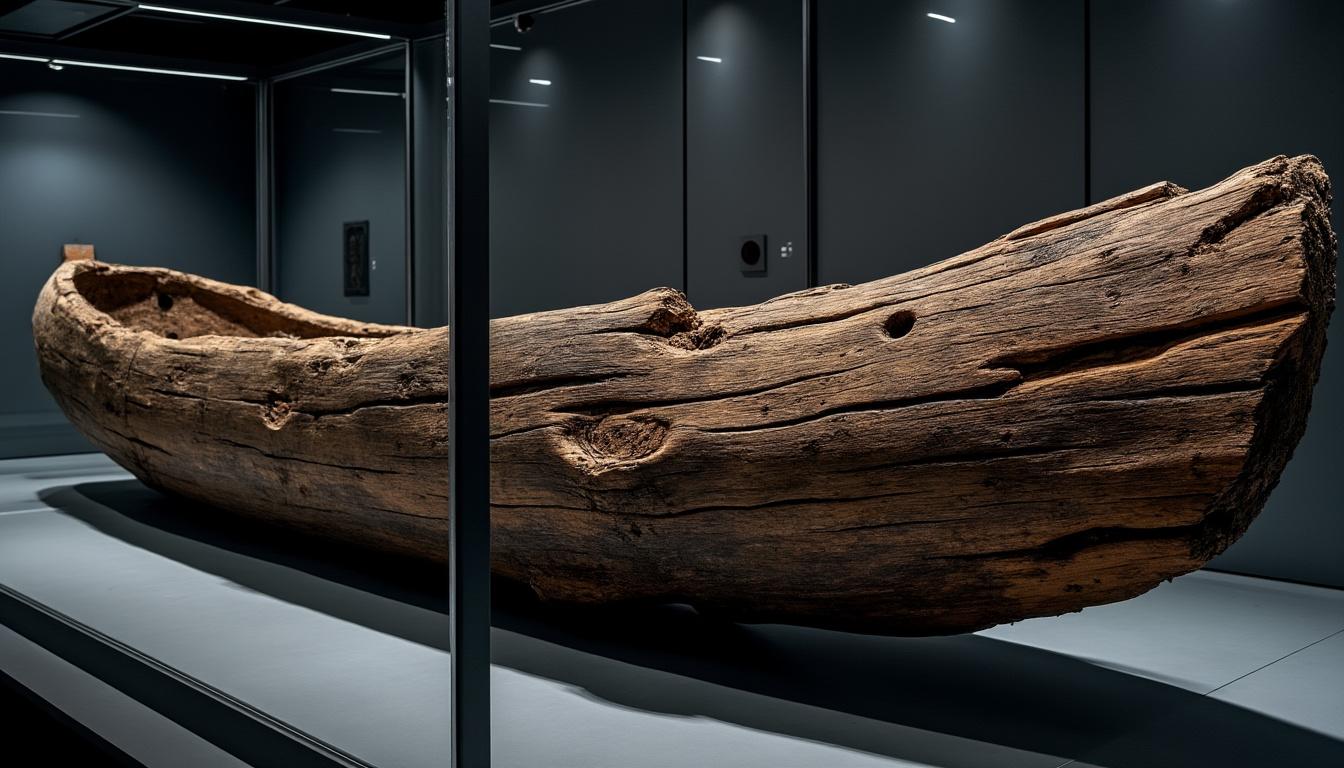
The National Museum of African American History and Culture, a key institution devoted to preserving and interpreting African American legacies, is undergoing a pivotal change in its Slavery Exhibit by returning a rare artifact linked to the maritime horrors of the transatlantic slave trade. The featured item— a 33-pound timber from the São José-Paquete de Africa—has been a centerpiece since the Museum’s opening in 2016. This piece is special: from one of the earliest recovered sunken slave ships, it embodies the physical reality of the Middle Passage and the millions forcibly carried to enslavement.
This transition is not merely a matter of moving an object but an opportunity to innovate both the display and the didactic narrative surrounding the artifact. The São José timber’s loan agreement, extended for a decade, concluded mid-2026, requiring its return to the Iziko Museums of South Africa. This return respects international cultural patrimony laws and the fragile nature of wooden artifacts, underscoring the importance of global cooperation in preserving historical artifacts.
In place of the timber, the Museum will introduce a manifesto detailing the ship’s human cargo, continuing to evoke the stories of those who endured the harrowing journey and survived the slave ship’s wreck. Other artifacts from the São José, such as the ballasts that weighted the human cargo, will remain on display for an additional two years, extending the narrative timeline accessible to visitors.
The gesture reflects a maturation in museum practices, where cultural exchanges through loans foster mutual respect and shared stewardship. Furthermore, the Museum’s transparency about this change helps mitigate misinterpretations fueled by a politically charged environment, revealing that this transformation is rooted in conservation and heritage preservation priorities rather than ideological revisionism.
For professionals exploring museum innovation, this case illustrates how evolving loan agreements can integrate into exhibition updates, guaranteeing that artifacts remain conserved while maintaining powerful educational impact.
Enhancing Visitor Experience Through Curated Historical Artifacts
Exhibit transformations at major institutions involve a deep focus on the visitor experience, particularly within emotionally challenging contexts like the transatlantic slave trade. The National Museum of African American History and Culture leverages artifacts such as ship timbers, shackles, and ballasts to humanize history and foster empathy.
The Middle Passage gallery offers a carefully curated environment — dim lighting, somber tones, and physical artifacts positioned overhead or adjacent to ballast stones — immersing visitors in the brutal conditions endured by enslaved Africans. As noted by museum visitors and cultural educators, such immersive displays transition storytelling from abstract historical facts to tactile emotional realities. For example, visitors recount emotional responses to the display: feelings of sadness, anger, and deep reflection highlight the effectiveness of the exhibit design.
Transformation here means maintaining this emotional core while integrating new interpretive layers through things like manifestos and detailed narratives about historical context, which complement rather than replace artifacts. This multi-layered approach enriches understanding and ensures educational depth.
For guides and curators seeking to create impactful museum experiences in 2026, this serves as an instructive example. Blending physical artifacts with well-crafted interpretive materials and carefully designed environments allows museums to engage diverse audiences, navigating the sensitivities required by such profound topics while maximizing educational impact.
The exhibit’s updating also opens dialogue on how museums can keep narratives dynamic within fixed visual frameworks and encourages ongoing visitor engagement rather than static viewing experiences. This approach aligns strongly with innovations in Smart Tourism and digital storytelling, inviting further usage of app-based audio-guides or augmented reality elements to interweave personal histories with artifacts.
Balancing Cultural Heritage and Conservation Needs in Loan Agreements
Loan agreements allow museums worldwide to share treasures that represent cultural heritage and historical memory, yet they also impose clear requirements that guide artifact preservation. The São José timber’s removal underscores how these agreements impact exhibit longevity and conservational practices.
Wooden artifacts, especially centuries-old ship timbers, are inherently fragile. Environmental factors like humidity, light exposure, and physical handling can accelerate deterioration. The loan’s end requires the museum to carefully prepare for transport, including custom crate construction to protect the timber—a reminder of the technical complexities museum professionals must weigh routinely.
Loan contracts often outline display terms, conservation responsibilities, and return timelines to guarantee that artifacts are not only accessible for public education but protected for future generations. Effective management of loans also enhances international collaboration, allowing museums like the National Museum of African American History and Culture and Iziko Museums of South Africa to co-manage items that transcend national stories to embrace a shared human history.
The current adjustments in the slavery exhibit illustrate how conservation imperatives necessitate exhibit evolution, which must be communicated effectively to stakeholders and audiences alike. For museum directors, curators, and event organizers specializing in heritage conservation, this case serves as a reminder of the balance between access and preservation.
In managing such transitions, technological solutions like environmental monitoring systems and digital archiving enhance artifact safety, while smart tourism applications facilitate consistent visitor interpretation despite physical artifact rotation. Those interested in seamless museum operations should consider integrating conservation data with visitor interface platforms to ensure continuity in educational value.
Navigating Public Perception and Political Context in Museum Transformations
Exhibit changes that involve significant historical artifacts often face intense public scrutiny, especially when they engage politically charged topics such as slavery and Black history. The National Museum of African American History and Culture’s decision to return the São José timber coincides with a broader national conversation about how history is presented in public institutions.
Some critics have misinterpreted the exhibit update as politically motivated removal or censorship, exacerbated by ongoing federal directives aimed at reshaping national historical narratives. However, museum leadership has been transparent in clarifying that this change is tied strictly to the loan agreement and conservation protocols, not political revisionism. This dialogue reflects a complex challenge museums face when balancing authenticity, historical truth, and contemporary political climates.
The Smithsonian’s broader review of its displays in the 2020s reveals the tension between cultural education and political narratives, with congressional and executive oversight periodically scrutinizing content related to race, history, and identity. Yet the National Museum of African American History and Culture remains committed to presenting a truthful, comprehensive narrative of African American experiences, as evidenced by their ongoing preservation of key artifacts and thoughtful reinterpretations.
For professionals in cultural heritage and museum communication, this situation underscores the necessity of proactive public engagement strategies. Clear communication, transparency around loan statuses, and educational outreach mitigate concerns and fortify public trust.
In a digital era, museums can also leverage innovation in audio tech and mobile applications, such as the Grupem platform, enabling visitors to access curated content that contextualizes changes and expands on exhibit themes beyond physical limits. These tools are critical in managing narrative consistency amid evolving exhibits while countering misinformation.
Implementing Effective Educational Strategies in Slavery Exhibit Transformations
The transformation of the slavery exhibit presents a key opportunity to deepen and diversify educational approaches to African American history within museums. Rather than losing impact with the removal of a central artifact, the planned introduction of a cargo manifesto and continued display of related artifacts promotes richer interpretative possibilities.
Effective educational exhibits blend tangible artifacts with storytelling that connects visitors emotionally and intellectually. This can include:
- 📚 Detailed contextual narratives explaining each artifact’s origin and significance
- 🎧 Integration of smart audio guides offering layered stories, survivor testimonies, and expert commentary accessible via smartphone applications
- 🖼️ Multi-sensory environments that use lighting, soundscapes, and visuals to recreate historical atmospheres
- 🧩 Interactive stations where visitors engage with replica objects, maps, and timelines
- 🌐 Digital archives and augmented reality (AR) features enabling deeper exploration beyond the physical display
Such multi-modal strategies reflect best practices in museum pedagogy and enhance accessibility for diverse visitor groups, including children and people with disabilities. Additionally, these approaches allow museums to maintain narrative impact even with the rotation or relocation of sensitive artifacts.
The National Museum of African American History and Culture’s use of immersive exhibit design and planned updates aligns with global trends in museum innovation, positioning it as a leading institution that fosters accessible, engaging, and meaningful historical education.
| 📌 Aspect | 🔥 Importance | ✅ Practical Application |
|---|---|---|
| Artifact Conservation | High | Custom crates, environmental controls, loan agreement compliance |
| Visitor Engagement | High | Immersive design, smart audio guides, interactive displays |
| Public Communication | Medium | Transparency in exhibit changes, proactive media engagement |
| Cultural Collaboration | High | International loan agreements, shared curation initiatives |
| Educational Outreach | High | Multi-modal resources, digital archives, accessible content |
For ongoing updates and expert insights on managing museum transformations respectfully and effectively, resources like Grupem’s analytical articles provide valuable guidance on bridging cultural heritage with innovative visitor experiences.
Why is the São José-Paquete de Africa timber being returned to South Africa?
The loan agreement for the timber piece reached its ten-year term, and due to the artifact’s fragile nature and South African cultural patrimony laws, it is being returned to its home museum for preservation and further care.
How will the exhibit maintain its educational impact without the timber display?
The museum plans to introduce a detailed manifesto that recounts the ship’s human cargo story, along with other related artifacts remaining on display, ensuring a continued immersive and informative visitor experience.
Are the exhibit changes related to political pressures or censorship?
No. Museum officials have clarified that these changes are standard practice tied to loan agreements and conservation needs, not political censorship or ideological revisionism.
What role do technology and smart tourism play in modern museum exhibits?
Technologies such as mobile smart guides, digital archives, and augmented reality enhance visitor engagement, accessibility, and educational depth, especially when physical artifacts rotate or become unavailable.
How do public museums balance artifact preservation with visitor access?
Through well-structured loan agreements, environmental controls, and phased exhibit rotations, museums ensure that artifacts remain preserved while offering meaningful educational access to the public.
