
Peu de temps ? Voici l’essentiel à retenir :
✅ Leading U.S. museums and art galleries have united in a nationwide strike protesting Immigration and Customs Enforcement (ICE) policies and operations.
✅ The strike, sparked by violent enforcement in Minneapolis and other cities, sees cultural institutions closing their doors to stand in solidarity with affected communities.
✅ Solidarity from artists, nonprofits, and commercial galleries highlights the role of cultural institutions in activism and social justice.
✅ Technology-enabled visibility and engagement can support museums in aligning with contemporary social movements effectively.
U.S. Museums and Galleries Closing Doors as a Powerful Mode of Protest Against ICE Policies
In an unprecedented demonstration of collective activism, a broad coalition of U.S. museums and galleries have joined forces in a nationwide strike aimed directly at protesting the aggressive enforcement tactics of Immigration and Customs Enforcement (ICE). This coordinated action, scheduled for Friday, January 30, 2026, halts normal operations across the cultural sector, signaling a clear message of dissent against policies perceived to threaten the safety and dignity of immigrant communities. This strike extends well beyond the Twin Cities where federal immigration enforcement has intensified, notably after the tragic killing of Alex Pretti — a 37-year-old ICU nurse shot by Customs and Border Protection (CBP) agents.
Institutions from major urban art centers such as New York City and Los Angeles to regional museums are participating, reflecting a growing trend of cultural institutions stepping into political activism. Galleries such as Gagosian, David Zwirner, Hauser and Wirth, and institutions like the Museum of Contemporary Art Los Angeles, and the Institute of Contemporary Art have all announced temporary closures. Their decision illustrates a shift in museum and gallery roles—from simply preservers and presenters of art to active participants in social justice movements.
These institutions have explicitly cited their commitment to artists and communities influenced by immigration issues, emphasizing that cultural spaces cannot remain neutral amidst policies that perpetuate harm. Joseph Ian Henrikson from New York’s Anonymous Gallery expressed that their program’s reliance on diverse immigrant artist communities motivated their participation, underscoring shared values of safety and equitable treatment.
This emerging model of protest via temporary closure poses interesting questions for the museum and arts sectors on how cultural spaces can integrate activism without compromising their public mission. The solidarity displayed reflects a broader recognition that cultural institutions are vital platforms for dialogue and change, especially in times of widespread civic unrest. Importantly, it also reveals how museums and galleries leverage their public visibility and audience engagement to amplify social justice campaigns.
For professionals seeking actionable insights, this strike demonstrates the utility of transparent communication and alignment with community values to build trust and relevance—a critical facet for any modern cultural institution. For more context, the ongoing work of museums in Minneapolis is highlighted in this detailed account of the Walker Art Center’s involvement in ICE protests.
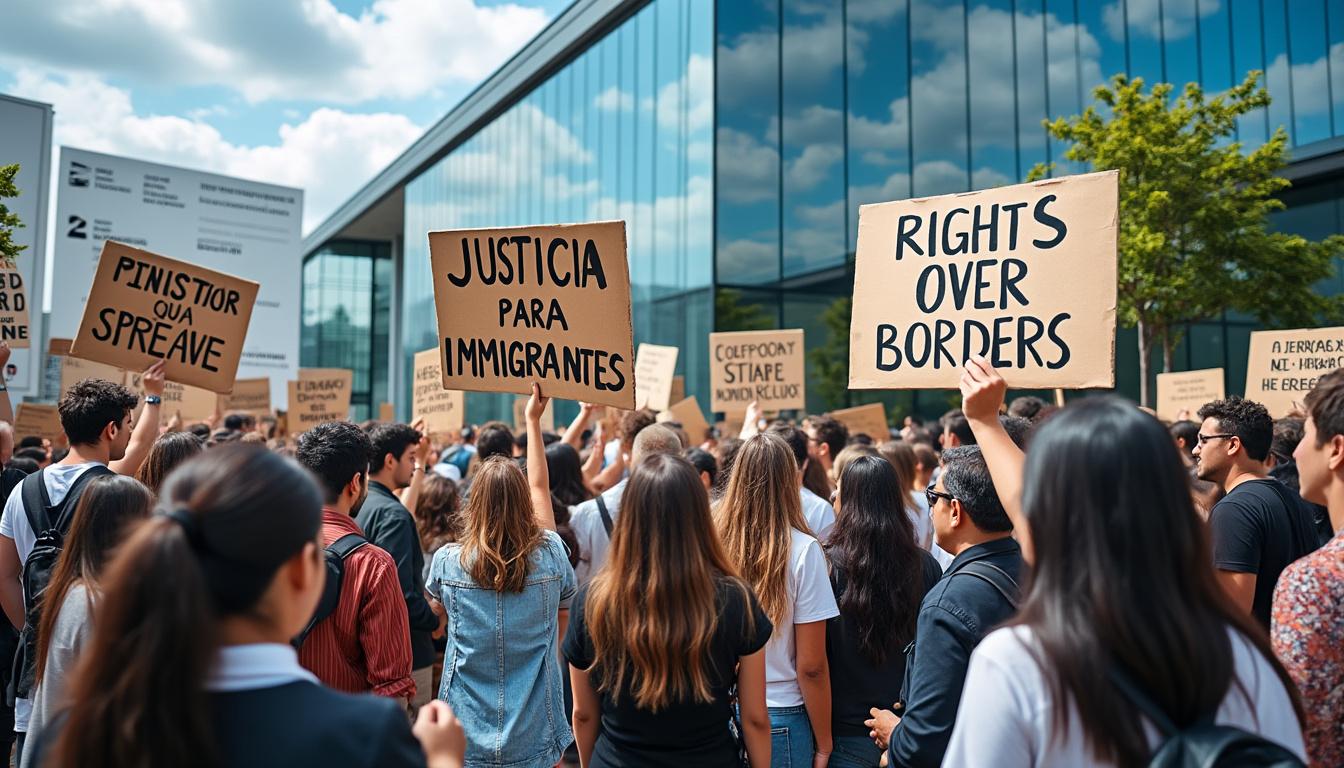
The Nationwide General Strike: A Cultural Sector’s Collective Stand Against Immigration Enforcement
The nationwide general strike called for January 30 pivots around disrupting everyday routines—no work, no school, no shopping—to send a profound message against ICE’s enforcement campaigns, especially the ongoing occupation of Minneapolis. Originating from grassroots activism in the Twin Cities, the strike took shape following a distressing surge in federal immigration operations, including deadly incidents involving ICE agents.
The general strike’s organizational backbone, the General Strike US network, advocates for wide participation, estimating that engagement of around 11 million Americans (3.5% of the population) is necessary to effect systemic change. To date, over 1,000 organizations have pledged involvement, staging more than 250 protest events across 46 states. This includes not only museums and galleries but unions, nonprofits, community groups, and independent artists.
In cultural terms, the strike has inspired a wave of solidarity in the art world. Galleries and nonprofit arts organizations have facilitated a blackout of activities to emphasize their opposition to policies deemed harmful. Some, like the Brick in Los Angeles and Cue Art Foundation in New York, are leveraging their public spaces for activism, while others are postponing exhibitions or shutting down operations for the day, sending a unified message: art and activism are inseparable.
The strike harnesses creativity as a mobilization tool, encouraging artists nationwide to contribute posters and graphics for the movement. One notable campaign features images honoring victims of ICE violence, such as Alex Pretti and Renée Good, with the artwork widely circulating online and used at protest sites, demonstrating how art amplifies social justice narratives.
As cultural institutions increasingly embrace activism, the strike raises important considerations for strategic digital and physical engagement. Museums and galleries can adopt this moment to experiment with innovative programming that links contemporary art to pressing societal issues. Furthermore, adopting smart tourism and guided audio solutions can enhance visitor understanding of activism-related exhibits, thus deepening the educational impact during and beyond protest days.
For further analysis on museum responses to political pressures and the role of cultural activism, consult this overview of political interference in the museum sector.
The Role of Art Galleries and Nonprofits in Amplifying Social Justice During the Strike
The art world’s response to ICE enforcement policies has been particularly notable for its breadth and diversity. Commercial galleries, which traditionally focus on commerce and artist promotion, have embraced activist roles with increased urgency. Noteworthy galleries including Astor Weeks, Silke Lindner, and Margot Samel in New York were among the first to endorse the blackout for January 30, quickly catalyzing a broader movement within the art dealer community.
Their motivations stem from a deep-seated recognition that cultural spaces must reflect and support the communities they serve. As Silke Lindner articulated, continuing “business as usual” amidst such social realities becomes untenable. This sentiment resonates widely, with gallery owners and directors condemning ICE’s violent actions while supporting immigrant rights through concrete operational decisions such as temporary closures and event postponements.
Nonprofit organizations similarly see their missions expanding beyond exhibition and education. Groups like Nova Community Arts in Los Angeles emphasize collective voice amplification, acknowledging that while their individual closures may be small acts, their combined efforts create a powerful resistance against oppressive policies. This collective approach aligns with key principles in activism-driven museum management today, where social impact is evaluated alongside aesthetic and educational goals.
This dynamic activism is reshaping the cultural landscape, with many institutions balancing their financial responsibilities and artist commitments while also standing firm on social justice issues. Contemporary cultural managers can draw lessons on stakeholder engagement, navigating political tensions, and integrating activism seamlessly into institutional identity from this momentum.
The spectrum of participating organizations, from high-profile galleries such as David Zwirner and Hauser and Wirth, to community-oriented centers like the Armory Center for the Arts in Pasadena, highlights the unified stand against ICE operations and the growing role of arts in public discourse.
How the Strike Reflects the Evolving Role of Cultural Institutions in Social Activism
The decision by numerous U.S. museums and galleries to join the nationwide strike underscores a significant evolution in the cultural sector’s relationship with political activism and social justice. Historically seen as custodians of heritage and creativity, these institutions are increasingly embracing roles as advocates and defenders of human rights.
This shift is partly driven by the socio-political context of post-2020 America, where cultural institutions have confronted widespread challenges including funding cuts, political interference, and rising demands for inclusivity. The strike against ICE policies represents a watershed moment, emphasizing museums and galleries as public forums that can not only curate art but also foster dialogue on urgent societal challenges.
Moreover, their participation signals a tacit acknowledgment of the arts’ capacity to influence public opinion and policy. Through closures, protests, and programmed events, museums and galleries amplify marginalized voices and challenge practices that conflict with social justice values. This phenomenon illustrates how the arts and culture sector adapts to and shapes the political landscape.
The strike also highlights the indispensable role of technology and digital tools in organizing and amplifying activism within cultural spaces. Platforms enabling virtual guided tours, augmented reality experiences, and interactive educational content can make activism accessible to a broader audience, expanding impact beyond physical boundaries. For museums optimizing both visitor experience and social responsibility, integrating such solutions becomes a strategic imperative.
For those aiming to understand this trend in detail, the collaborative strike by Twin Cities museums offers important case studies and further insight, available in detailed form at this resource on the Twin Cities museum strike.
Strategies for Museums to Engage With Activism Responsibly and Effectively
Engaging in activism presents museums and galleries with distinct challenges and opportunities. To navigate this responsibly, institutions must adopt strategies that ensure their activism supports community well-being without alienating key stakeholders. Central to these strategies is embracing transparency about motivations and goals, and establishing clear frameworks for staff participation and public communication.
A productive approach involves incorporating activism into programmatic content, such as exhibitions, artist talks, and digital campaigns that contextualize the institution’s stance within broader socio-political narratives. This educates audiences while reinforcing institutional values.
Museums can further benefit from partnerships with grassroots organizations and artists with lived experience to ground their activism authentically while broadening impact. Engagement with technology-driven visitor experiences—such as customizable audio tours enabled by platforms like Grupem—can foster deeper understanding by providing layered narratives around social justice themes.
The following list outlines best practices for cultural institutions integrating activism:
- 📌 Clear Messaging: Define and communicate the institution’s position on social issues with clarity and consistency.
- 📌 Community Partnerships: Collaborate with affected communities and activist groups to align objectives.
- 📌 Inclusive Programming: Embed social justice themes in exhibitions, talks, and educational materials.
- 📌 Staff Support: Encourage and facilitate staff participation in activism while respecting individual choices.
- 📌 Technological Integration: Utilize digital tools and audio guides to enhance accessibility and engagement.
- 📌 Long-Term Commitment: View activism as part of ongoing institutional responsibility, not a one-off event.
By implementing these principles, museums and galleries can maintain their roles as cultural innovators and social advocates, driving impactful change while preserving positive visitor relationships and institutional integrity.
| 🎯 Strategy | ⚙️ Application Example | 🎨 Impact on Visitors |
|---|---|---|
| Clear Messaging | Public statements on social media and website explaining strike participation | Fosters trust and transparency |
| Community Partnerships | Joint events with immigrant advocacy groups during and after strike | Strengthens local engagement and authenticity |
| Inclusive Programming | Exhibitions featuring immigrant artists and social justice themes | Raises awareness and empathy |
| Staff Support | Scheduling flexibility allowing protest participation | Builds morale and aligns internal culture |
| Technological Integration | Interactive audio tours contextualizing the strike and protests | Enhances learning and visitor involvement |
| Long-Term Commitment | Year-round educational programming on immigration and policy issues | Ensures sustained impact |
What motivated U.S. museums and galleries to join the nationwide strike?
The strike was motivated by the violent enforcement tactics of ICE, including the killing of U.S. citizens like Alex Pretti, prompting cultural institutions that serve diverse immigrant communities to take a stand in solidarity against these policies.
How can museums integrate activism into their visitor experiences?
Museums can incorporate social justice themes into exhibitions, provide interactive audio tours explaining activism contexts, and collaborate with community groups to educate visitors meaningfully while supporting social movements.
Are all major museums participating in the strike?
While many leading institutions in Minneapolis and cities like New York and Los Angeles are participating, some organizations chose to remain open to serve as spaces for empowerment and ongoing dialogue. The strike reflects a spectrum of participation rather than uniform action.
What role do artists play in supporting the strike?
Artists contribute by creating protest posters, graphics, and works highlighting victims of ICE violence, thereby amplifying the movement’s visibility and emotional resonance in both physical protests and digital platforms.
How does technology influence activist efforts within cultural institutions?
Digital platforms and smart tourism tools enable museums to enhance engagement with activism through virtual tours, interactive content, and accessible educational resources, broadening reach and deepening impact.
