
Balboa Park museums contend with a significant visitor decline that has become a pressing concern for museum management and local cultural institutions alike. Recent decisions surrounding paid parking have catalyzed shifts in visitor trends, impacting public engagement and posing challenges to the park’s historic role as a premier destination.
Quick summary for busy professionals:
- ✅ An approximate 20% drop in attendance reported at major Balboa Park museums following the introduction of paid parking.
- ✅ The parking fees—up to $16 for non-residents and $8 for residents—have deterred local visitors in particular, while tourists continue to visit.
- ✅ Key concerns focus on maintaining accessibility and ensuring that budget strategies do not compromise public engagement or educational outreach.
- ✅ Municipal leaders are reevaluating the parking policy in response to community feedback and attendance declines.
Understanding the Sharp Decline in Visitor Attendance at Balboa Park Museums
In 2026, the cherished cultural institutions within Balboa Park face unprecedented challenges stemming from a significant drop in attendance. Both the San Diego Natural History Museum and the neighboring Fleet Science Center have reported attendance declines nearing 20%, a notable contraction that sharply contrasts with historical visitor trends characterized by steady local and tourist engagement.
The implementation of paid parking fees by the city of San Diego introduced a new financial barrier, particularly affecting local visitors. Non-residents are charged parking rates up to $16, while local residents pay rates up to $8. While tourists have largely remained unaffected, locals—comprising a vital demographic for sustainable visitor numbers—have demonstrated reluctance to pay additional fees, causing a profound decline in museum foot traffic.
Judy Gradwohl, CEO of the San Diego Natural History Museum, highlighted the unexpected extent of this downturn, emphasizing effects not only on ticket sales but also community participation in museum-hosted events such as the popular Nat at Night program. The fear is that such attendance drops may lead to long-term consequences, forcing institutions to reconsider staffing and event programming to adapt.
This attendance trend aligns with national concerns outlined in recent studies, such as the American Alliance of Museums’ alarming national survey, which reveals widespread financial pressures and attendance challenges among museums across the United States post-pandemic. Balboa Park’s experience encapsulates a microcosm of these broader trends, intensified by local policy changes.
For museum management, sustaining engagement while navigating budgetary constraints requires innovative approaches beyond traditional access fees. These shifts increase the urgency for cultural institutions to revisit and modernize their public interface strategies, leveraging technology and community partnerships to reclaim and expand their visitor base.
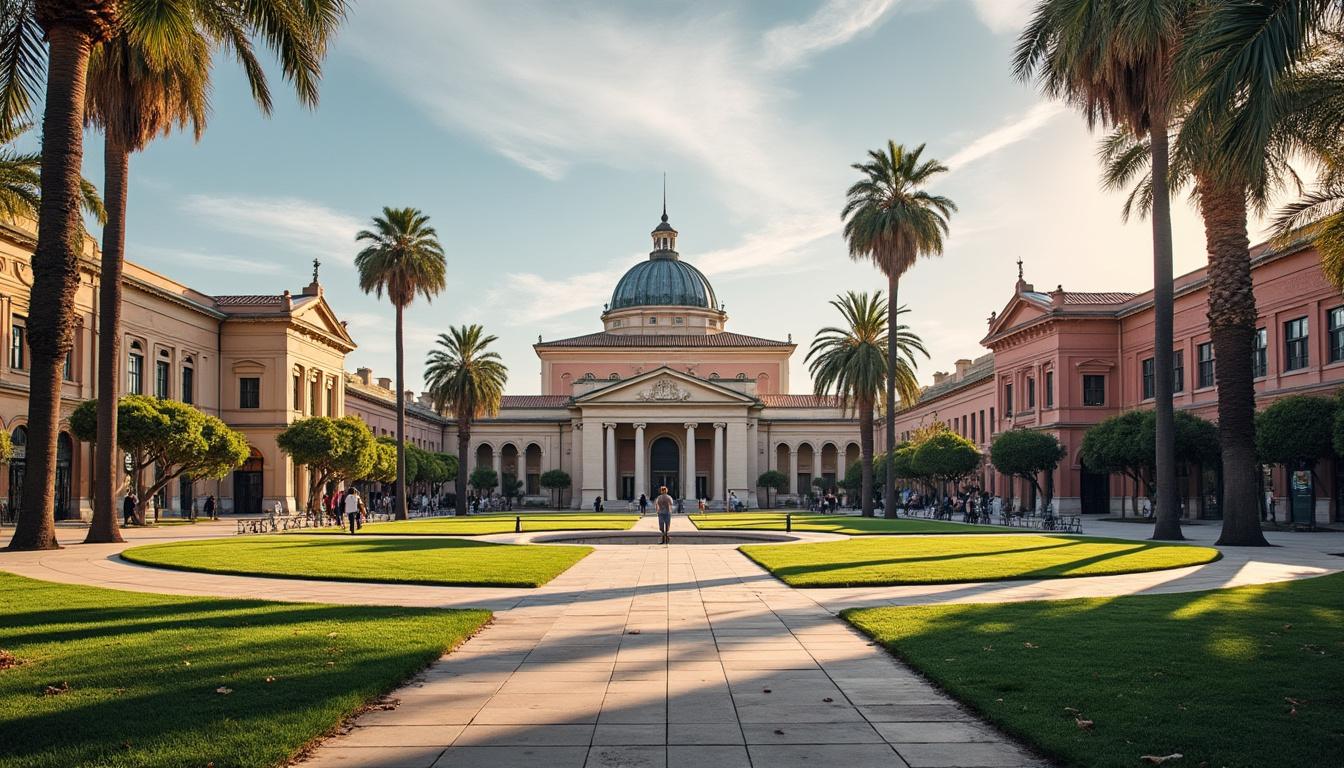
Impact of Paid Parking on Public Engagement and Local Community Access
The introduction of paid parking at Balboa Park was intended as a revenue-generating strategy to offset city budget deficits and support park maintenance. However, museum CEOs express significant concerns regarding how this change inhibits seamless access for local families and frequent visitors.
Steve Snyder, leading the Fleet Science Center, noted a pronounced decline in local attendance by approximately 20%, while tourism-driven visitation remains stable. This dichotomy illustrates the sensitivity of local audiences to incremental cost increases. The parking charges disrupt habitual access patterns, dissuading families and schools—key parties for educational outreach—from supporting the museums regularly.
Besides direct impacts on visitation numbers, the fees threaten longstanding community connections with these cultural institutions. For example, the Fleet Science Center has historically served as an inspiration hub for countless future scientists, engineers, and space explorers. One notable success story is Mexico’s first female astronaut, who credits early museum experiences as foundational to her career aspirations.
Public discourse features mounting calls from policymakers like Councilmember Stephen Whitburn to repeal the parking fees entirely. Other councilmembers who initially supported the initiative, such as Sean Elo-Rivera and Kent Lee, now advocate a suspension of charges for residents while logistical issues are addressed. This evolving political landscape reflects the complexity of balancing financial sustainability with equitable access to cultural heritage.
It is crucial for museum administrators and city planners to engage in ongoing dialogue, weighing the benefits of new revenue streams against the broader social mission of these institutions. Strategies that prioritize accessibility help sustain long-term public engagement and protect the educational and cultural value Balboa Park provides to the community.
Financial Aspects and Broader Tourism Impact
While paid parking aims to improve Balboa Park’s fiscal footing, the short-term impact on visitor numbers adversely affects multiple revenue streams beyond parking fees. Reduced foot traffic correlates with declining admission sales, concessions, merchandise, and donations, creating a financial ripple effect.
This downturn also complicates efforts to maintain vibrant event calendars and support staff, with museum leaders expressing worries about potential layoffs or wage freezes. For example, the San Diego Natural History Museum employs 200 diverse staff members whose livelihoods increasingly feel tied to the success of visitor programs.
Municipal leadership contends with a difficult balance, as Mayor Todd Gloria emphasized that dismantling the paid parking system risks halting progress toward a sustainable operational funding model for the park. Nevertheless, flexibility and responsiveness to community feedback remain critical in policy reassessment to avoid unintentional setbacks in visitor accessibility.
The interplay between parking fees and tourism impact also influences broader regional economic vitality, sustaining hotels, restaurants, and retail sectors that rely heavily on Balboa Park’s cultural draw. Decreased museum attendance signals potential downstream effects on San Diego’s reputation as a rich cultural tourism destination.
Exploring Solutions in Museum Management & Smart Tourism Technologies
To counteract visitor decline and restore public engagement, cultural institutions within Balboa Park must consider adopting innovative strategies in museum management rooted in technology and community-centered experiences. The integration of smart tourism tools offers promising avenues to enrich visitor interaction while managing operational costs.
Mobile applications like Grupem provide a tested framework for museums and parks to deliver dynamic, accessible audio guides directly on visitors’ smartphones. Such platforms enable personalized storytelling and enhanced contextual learning without requiring physical guide personnel, which could optimize staffing resources and elevate the quality of visitor experiences.
Additionally, digitization initiatives can expand the reach of Balboa Park museums beyond physical attendance. Virtual tours, augmented reality exhibits, and interactive educational content enable engagement with broader audiences, including those deterred by physical access barriers such as parking fees.
Examples of progressive digital transformations across institutions—including those facing similar attendance crises in art museums nationwide—demonstrate how technology contributes to evolving museum roles in public education and cultural dissemination. Elevating accessibility and engagement through innovation safeguards the missions of Balboa Park’s museums amidst fluctuating visitor trends.
- 📱 Implement user-friendly, multilingual audio guides linked to smartphone apps
- 🌐 Develop virtual tour platforms and augmented reality experiences
- 📅 Coordinate hybrid events combining in-person and virtual participation
- 📊 Use visitor data analytics to optimize exhibit design and marketing strategies
- 🤝 Foster partnerships with schools and community groups to encourage regular visitation
Adopting these solutions not only supports museum sustainability but also aligns with contemporary expectations for seamless, tech-enabled cultural experiences, positioning Balboa Park at the forefront of the smart tourism movement.
Community Engagement and Advocacy for Balboa Park’s Cultural Future
Community members and advocacy groups play pivotal roles in shaping Balboa Park’s future amid these attendance challenges. The park’s historical significance as a cultural nucleus merits collective responsibility for preserving its vibrancy and accessibility.
Reports such as the Balboa Park Community Progress Report emphasize the urgent need for substantial reinvestment and governance reforms. Persistent infrastructural shortcomings have contributed to diminished visitor appeal despite the park’s esteemed ranking as one of the nation’s top tourist destinations.
Active involvement from local governments, cultural institutions, and the public can facilitate meaningful solutions, including reviewing parking policies, augmenting funding, and promoting equitable access. Innovative approaches must balance financial sustainability with community values to renew Balboa Park’s role as a cultural beacon.
Public engagement initiatives are essential not only to drive attendance but also to cultivate a sense of shared ownership and pride in the park’s heritage and offerings. Museums that maintain transparent communication and inclusive programming are better positioned to weather attendance fluctuations and secure long-term support.
| 🏛️ Institution | 📉 Attendance Drop (%) | 💰 Parking Fee ($) | 🌍 Visitor Type Impacted | ⚠️ Key Concerns |
|---|---|---|---|---|
| San Diego Natural History Museum | ~20% | $8 (residents), $16 (non-residents) | Local residents | Reduced access for families and schools, effect on event turnout |
| Fleet Science Center | ~20% | $8 (residents), $16 (non-residents) | Locals mostly | Impact on educational outreach and community programs |
| Other Balboa Park Museums | Varies, averaging 15–25% | Applied uniformly | Local visitors, some tourists | Overall attendance decline, revenue loss |
Strategies for Future Success: Lessons from Balboa Park and Beyond
Looking forward, Balboa Park museums and management must balance operational needs with maintaining cultural accessibility. This balance requires integrating technological innovation, revisiting pricing policies, and fostering community collaboration.
Successful approaches from comparable institutions suggest:
- 🚀 Prioritizing free or subsidized parking options during key community days to enhance local access
- 📲 Leveraging smart audio technology to create enriching, budget-conscious visitor experiences, as championed by platforms like Grupem
- 🏛️ Cooperating with city planners to reimagine funding models that do not penalize frequent visitors
- 🌟 Incorporating tailored engagement for diverse visitor demographics to rebuild attendance sustainably
- 📉 Monitoring visitor data regularly to swiftly detect and address negative trends
These strategies emphasize pragmatism and measurable impact, avoiding fleeting solutions and ensuring that Balboa Park remains a vibrant cultural hub for San Diego residents and tourists alike.
What caused the recent decline in visitors to Balboa Park museums?
The introduction of paid parking fees at Balboa Park, charging up to $16 for non-residents and $8 for residents, has discouraged many local visitors, leading to approximately a 20% attendance drop at major museums.
How are museum CEOs responding to the attendance decline?
Museum leaders have expressed significant concern, emphasizing the impact on community accessibility and event participation while urging city officials to reconsider or pause the paid parking policy.
What technological solutions can museums use to attract more visitors?
Smart tourism tools such as interactive audio guides accessible via mobile apps and virtual tours enable museums to enrich visitor experiences and expand their audience reach despite physical access challenges.
Are the parking fees permanent?
Local government officials are currently debating the parking fees. Some councilmembers have called for repeal or suspension to address unintended consequences on visitor access.
What can communities do to support Balboa Park museums?
Community engagement, advocacy for policy revision, and active participation in museum programs help preserve the park’s cultural relevance and ensure inclusive access for future generations.
