
Discovering American History Museums: Immersive Experiences Beyond Exhibits
History museums in the United States stand as vibrant gateways to American history and cultural heritage. By visiting these institutions, one gains access to a vast tapestry of stories shaping the nation’s identity. Unlike traditional static displays, modern museum collections leverage innovative technologies and immersive strategies to enhance visitor engagement and educational travel.
For professionals organizing museum tours or cultural visits, integrating smart tools such as audio guides, augmented reality, and interactive multimedia can transform the experience. For example, apps like Grupem are revolutionizing the way history museums communicate their narratives, making the exploration of historical artifacts not only insightful but also accessible to diverse audiences.
Among the most acclaimed history museums, the Smithsonian National Museum of American History in Washington, D.C., offers an extensive range of exhibits, from the original Star-Spangled Banner to iconic presidential artifacts. Similarly, the National Civil Rights Museum in Memphis connects visitors to pivotal moments in social justice history, contextualized through compelling multimedia presentations.
Visiting such sites in 2026 promises a blend of authenticity and innovative dialogue, where history museums no longer serve merely as repositories but as active platforms for reflection and education. This paradigm shift maximizes the impact of preserved stories, making them relevant for younger generations and international visitors seeking comprehensive cultural understanding.
For a detailed exploration of premiere locations, resources like best history museums in the U.S. and top museums across the United States provide expert-curated selections helping travelers optimize their itineraries.
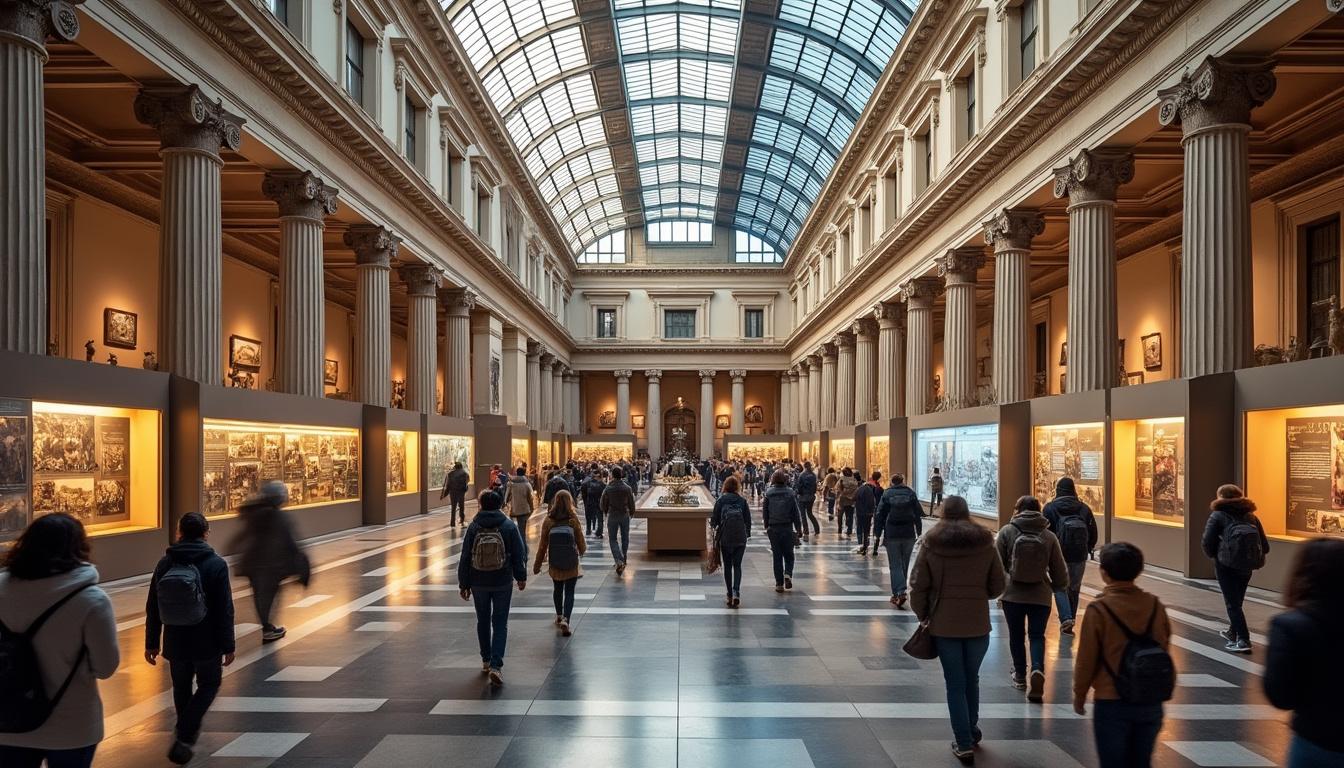
Innovative Technologies Enhancing Educational Travel in History Museums
The integration of digital technologies has become essential in delivering impactful experiences within history museums. Modern visitors expect more than just static displays; they seek interaction and personalization that deepen their understanding of historical exhibits.
One core innovation is the deployment of advanced audio tech, which facilitates multi-lingual, accessible, and context-rich tours without disrupting the ambiance. Solutions such as Grupem’s smart tourism audio guides allow museums to transform any smartphone into an expert guide, offering tailored narratives, spatial navigation, and supplementary content on demand.
For instance, the Cleveland Natural History Museum employs digital storytelling tools to engage visitors in the coexistence of human development and natural heritage. Similarly, the use of augmented reality in some institutions enhances the perception of historical artifacts, reconstructing environments or illustrating changes over centuries.
Such technologies encourage active learning and can dramatically improve visitor retention of information. They also enable museums to host remote tours, expanding accessibility to wider global audiences unable to travel physically. This digital outreach aligns perfectly with the trends in educational travel, where heritage and culture become catalysts for broader intercultural understanding.
Further reading on how museums maximize technology for enriching history visits is available at modern US history museums and monuments and Cleveland Natural History Museum initiatives.
Top 10 Must-Visit Museums Showcasing Regional and National Historical Narratives
The United States’ rich historical landscape is reflected in a curated selection of must-visit museums that represent both regional diversity and national significance. These museums blend comprehensive collections with state-of-the-art presentation techniques.
Below is a streamlined table listing key museums, their focus areas, and special features to assist planners and visitors in choosing their destination:
| 🏛 Museum Name | 📍 Location | 📚 Historical Focus | ✨ Unique Feature |
|---|---|---|---|
| Smithsonian National Museum of American History | Washington, D.C. | American Cultural and Political History | Vast artifact collection including original Star-Spangled Banner |
| National Civil Rights Museum | Memphis, Tennessee | Civil Rights Movement | Immersive audio-visual exhibits |
| American Museum of Natural History | New York City, New York | Natural History and Anthropology | Interactive dioramas and digital planetarium |
| Chicago History Museum | Chicago, Illinois | Chicago and Midwest History | Extensive archives and multimedia storytelling |
| National Museum of the American Indian | Washington, D.C. | Indigenous Cultures of Americas | Contemporary Native art alongside historical exhibits |
This selection appears on reputable sources such as Top 10 American History Museums and must-see American museums for history lovers.
Enhancing Visitor Engagement Through Smart Audio Solutions in Museums
One of the most effective ways to elevate the museum tours experience in history museums is by implementing smart audio technologies. Such solutions address common challenges including language barriers, ambient noise, and the need for personalized narration pacing.
Platforms like Grupem enable museums to create custom audio content accessible on visitors’ smartphones, eliminating the need for physical devices. This approach ensures hygiene and cost-efficiency while enhancing content delivery through synchronization with exhibits.
Moreover, these guided tours are enriched with contextual data like timestamps, GPS triggers, and multimedia integration, making the study of historical artifacts a multidimensional discovery. Museums adapting these technologies report higher visitor satisfaction and longer engagement durations, essential metrics in cultural venues.
Professional staff can also track visitor flow and interaction patterns via integrated analytics tools, assisting in curating future exhibits or targeted outreach events. The transition towards smart technology aligns with global trends in cultural accessibility and visitor empowerment.
Practical insights and case studies related to audio tech in museum contexts can be explored further in resources such as smart history museums in Central Texas and inclusive history museums and their innovative practices.
Practical Tips for Organizing Efficient Visits to U.S. History Museums
Planning visits to renowned history museums requires understanding key operational factors that optimize time and educational value. Professionals and individuals alike benefit from strategies that mitigate logistical challenges while enriching cultural experiences.
Some practical considerations include:
- 🗓 Scheduling visits during weekdays or early hours to avoid crowds and maximize quiet reflection.
- 🎧 Pre-downloading audio guides, such as those from Grupem, to ensure uninterrupted learning experiences on-site.
- 📱 Utilizing mobile applications that offer personalized tour routes, ensuring that must-see exhibits are prioritized.
- 🔍 Allocating time for interactive workshops or temporary exhibits that often offer unique insights beyond the permanent collections.
- 🛎 Checking museum websites for updates on closures, ticketing policies, and special events to avoid surprises.
Besides individual preparation, collaborative efforts among museum collections managers and tourism agencies emphasize creating seamless visitor pathways integrating technology and curated content.
For a comprehensive review of organizing history-themed cultural visits, see recommendations at top museums in the USA for travelers and ultimate history museums in the USA.
What defines a museum as a must-visit history museum in the United States?
A must-visit history museum typically offers comprehensive, well-curated exhibits that provide immersive educational experiences showcasing significant facets of American history and cultural heritage. It also leverages modern technologies to enhance visitor engagement.
How can smart audio guides improve the museum visit experience?
Smart audio guides deliver personalized and multilingual content synchronized with exhibits. They remove the need for manual explanations, reduce ambient noise interference, and offer accessibility features that cater to diverse visitor needs.
Are there any regional focuses in the top U.S. history museums?
Yes, many top museums highlight regional histories alongside national narratives. For example, the Chicago History Museum emphasizes Midwestern history, while the National Museum of the American Indian focuses on indigenous cultural heritage across the Americas.
What planning tips optimize educational travel to history museums?
Scheduling visits during less crowded times, utilizing pre-downloaded audio guides, prioritizing key exhibits, participating in interactive programs, and verifying logistical information before arrival significantly enhance the museum experience.
Where can professionals find resources on incorporating technology in museums?
Resources on integrating smart audio and other digital solutions in museum settings are available at specialist platforms like Grupem, which provide case studies and practical guidance tailored to history museums and monuments.
