
Short on time? Here’s what matters most:
✅ Cleveland Museum of Natural History’s transformative $150 million redesign places it among the world’s architectural marvels.
✅ Innovative use of sustainable materials enhances both the visitor experience and the museum’s environmental commitment.
✅ Integration of advanced technology fosters deeper public engagement with science, fossils, and biodiversity.
✅ Avoid overlooking outdoor space enhancements that complement indoor exhibits.
Architectural Innovation Elevates the Cleveland Museum of Natural History’s Global Status
The Cleveland Museum of Natural History has undergone a remarkable transformation, earning international acclaim as one of the world’s most stunning museums. The $150 million architectural redesign, completed in late 2024 after a decade-long vision and three years of intensive construction, has redefined the museum’s presence both inside and out. Recognized at the 2025 Prix Versailles World Ceremony held at UNESCO headquarters in Paris, this redesign competes globally among elite institutions in Saudi Arabia, Indonesia, France, and South Korea.
This recognition from the Prix Versailles—an award source focusing on outstanding architecture and design—reflects the museum’s commitment to harmonizing modern design principles with its mission of science education and cultural heritage preservation. The redesigned structure preserves natural history elements while enhancing visitor flow and interaction with exhibits. The interior spaces employ abundant natural light and open, fluid galleries that emphasize the dynamic nature of natural history and biodiversity.
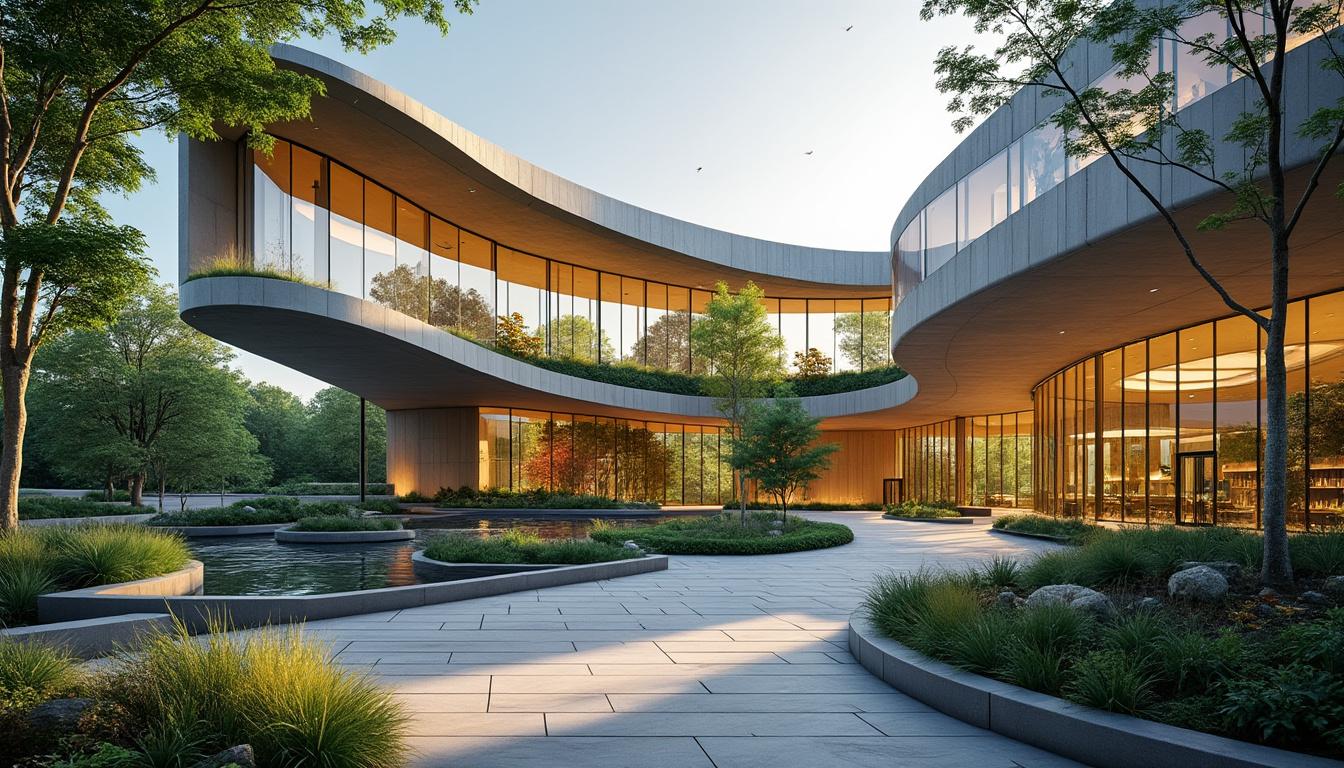
A highlight of the architectural upgrade is the addition of more than two acres of beautifully curated outdoor space, bridging the museum indoor experience with Cleveland’s natural environment. Walking paths feature native plant species and fossil markers, creating an immersive learning experience before even entering the building. This holistic architectural approach encourages visitors to explore the museum’s broad themes through landscapes and installations that spark curiosity and engagement with nature’s vast story.
According to Sonia Winner, the museum’s president and CEO, “the design promotes healthy humans, a healthy planet, and a better future for all,” underscoring how architectural innovation serves broader scientific and educational goals. The project illustrates a significant leap forward in creating a museum environment that is not just a repository of exhibits, but a living, breathing entity that educates, inspires, and connects visitors to natural history.
More details on this remarkable achievement can be found in press releases for the museum’s international recognition and coverage on Prix Versailles award and in-depth articles such as the one from cleveland.com.
Enhancing Science and Education through Interactive Exhibits and Technological Integration
Technology plays a pivotal role in ensuring the Cleveland Museum of Natural History remains a leader in science education and engagement worldwide. The renovation includes innovative multimedia displays, digital guides, and interactive fossil exhibits that invite visitors to learn actively. The integration of smart audio guides and augmented reality applications offers tailored experiences for diverse age groups and learning styles.
The museum partners with technology providers to deliver seamless audio tours that unlock information beyond traditional labels. These tours leverage smart tourism principles to offer contextual, accessible content—ideal for group and independent exploration. As an example, visitors can see a fossil and listen to a narrated story about its discovery, evolution, and significance, enhancing cognitive retention and emotional connection.
Moreover, digital interfaces enable detailed exploration of the museum’s biodiversity and geological collections. Touchscreen stations present interactive maps and 3D visualizations of ecosystems, facilitating immersive learning about species habitats, climate impacts, and evolutionary processes. The approach ensures that complex scientific concepts become clear and engaging without overwhelming museum visitors.
This modernized approach to exhibits directly supports the museum’s mission to foster curiosity and scientific literacy in an inclusive setting. The use of technology in the educational context also aligns with global tourism trends emphasizing accessibility and user-centric experience.
For institutions interested in applying similar tech innovations, GruPem’s guide offers strategies for introducing smart audio tours and enhancing visitor engagement without complicated infrastructure upgrades, found here: Smart Audio Tours in US Museums.
Sustainability as a Core Principle in Museum Design and Operation
The Cleveland Museum of Natural History’s $150 million makeover underlines sustainability as a central pillar. From eco-friendly building materials to energy-efficient systems, the project embodies environmental responsibility without compromising architectural aesthetics. This alignment reinforces the museum’s thematic dedication to biodiversity and environmental science.
Key sustainable features implemented include:
- 🌱 Use of recycled and locally-sourced materials for construction.
- 🌞 Maximized natural lighting and solar energy integration to reduce electricity consumption.
- 💧 Water-efficient landscaping using native plants in the exterior gardens.
- ♻ Waste reduction and recycling protocols incorporated into both construction and daily operations.
This green strategy not only reduces the museum’s carbon footprint but also enhances the educational narrative. Visitors learn about sustainable practices in action, bridging museum content on ecological balance with real-world application. The outdoor spaces particularly demonstrate this principle, hosting native flora and creating microhabitats that support local biodiversity.
Such a comprehensive integration of sustainability features contributes to the Cleveland Museum of Natural History’s distinction in global rankings and awards, including its accolade at the Prix Versailles 2025 World’s Most Beautiful Museums List.
Exhibiting Cultural Heritage and Natural History to Inspire Diverse Audiences
Beyond architecture and technology, the Cleveland Museum of Natural History excels in curating exhibits that reflect both natural biodiversity and cultural heritage. The museum’s collections, featuring fossils, ethnographic artifacts, and scientific specimens, are presented with an emphasis on storytelling, connecting visitors with global and local narratives.
Exhibits are organized to show interconnections between human culture and the natural world. For example, fossil displays are contextualized with information about ancient ecosystems and the ways early humans interacted with these environments. This dual approach enriches visitor understanding and appreciation, promoting a comprehensive grasp of natural history.
The museum’s focus on cultural heritage also encourages inclusion and respects diverse perspectives in science and history. Collaborations with local indigenous groups and international partners facilitate loan programs, exhibitions, and educational initiatives that broaden the museum’s scope and strengthen community ties. Such efforts highlight the museum’s role as a custodian not only of scientific knowledge but also of cultural identity.
By weaving these themes into their exhibitions, the museum supports continuous education and fosters empathy for nature and humanity. This balanced curation exemplifies how museums can remain relevant and engaging for various demographics while maintaining scientific rigor.
Resources about cultural heritage in museum settings can be further explored through practical guides like decolonizing loan practices and cultural partnerships.
Optimizing Visitor Experience through Smart Tourism and Accessibility Innovations
Recent developments at the Cleveland Museum of Natural History emphasize the importance of a seamless visitor experience shaped by smart tourism and accessibility. The museum’s design incorporates clear signage, adaptable audio guides, and multilingual digital content, ensuring that exhibits are accessible to diverse audiences, including differently-abled visitors.
Key visitor experience enhancements include:
- 🎧 Integration of smart audio technology that adapts to visitor pace and interest.
- 🗺 Easy navigation through distinct zones aligned with themes such as fossils, biodiversity, and cultural heritage.
- 🌍 Multilingual digital content and touch interfaces that break down language barriers.
- ♿ Universal design principles that enhance physical access and comfort for all.
These elements not only improve engagement but help the museum accommodate large and varied audiences efficiently. Experiences can be personalized, enhancing satisfaction and time spent exploring exhibits.
The museum’s proactive adoption of smart solutions demonstrates best practices in modern museum operations, serving as a model for cultural venues worldwide. It reflects trends in smart tourism where technology enhances learning without disrupting the natural flow of the visit.
| Visitor Feature 🎯 | Benefit 💡 | Example Implementation 🛠 |
|---|---|---|
| Smart Audio Guides | Personalized educational content | GruPem app tours that adapt to visitor preferences |
| Multilingual Support | Enhanced inclusivity for global visitors | Digital displays in multiple languages |
| Universal Access Design | Physical ease and comfort for disabled visitors | Ramped entrances, ergonomic exhibit layouts |
| Interactive Navigation | Improved orientation and reduced crowding | Dynamic signage and app-based maps |
Those who wish to deepen their understanding of visitor-focused innovations can consult valuable insights such as those offered by night museum smart experiences that balance technology and ambiance effectively.
What makes the Cleveland Museum of Natural History architecturally unique?
Its transformative $150 million redesign integrates modern aesthetics with sustainable materials, natural light, and expansive outdoor spaces that together redefine the visitor experience.
How does the museum incorporate technology into its exhibits?
By employing smart audio guides, augmented reality, and interactive digital displays, the museum enhances educational engagement and customizes the visitor experience.
What sustainability practices are highlighted at the museum?
The use of recycled materials, solar energy, water-efficient landscaping, and waste reduction serve both operational and educational goals for environmental stewardship.
In what ways does the Cleveland Museum of Natural History represent cultural heritage?
Through carefully curated exhibits that connect natural history with human culture, plus partnerships promoting diverse voices and loan programs honoring indigenous perspectives.
How does smart tourism enhance accessibility at the museum?
Smart audio guides, multilingual content, accessible design, and interactive navigation tools make the museum’s resources available and comfortable for all visitors.
