
Short on time? Here’s what you need to remember:
- ✅ Mathaf is undergoing a major campus expansion project led by renowned architect Lina Ghotmeh.
- ✅ The expansion transforms the museum into a hub not only for art exhibitions but also for artistic production, research, and community engagement.
- ✅ Integrating traditional cultural elements such as the majlis-inspired library space enhances social interaction and flexible programming.
- ✅ Avoid limiting the museum’s role to just exhibiting; fostering artist residencies and material experimentation drives innovation.
Transforming Mathaf: Elevating the Arab Museum of Modern Art into a Multifunctional Cultural Institution
Mathaf, the Arab Museum of Modern Art located in Doha, embarks on an ambitious expansion project designed by the Lebanese-born, Paris-based architect Lina Ghotmeh. Marking its fifteenth anniversary, this architectural project aims to reposition Mathaf beyond a traditional exhibition venue by blending artistic production, research, and public engagement within its campus.
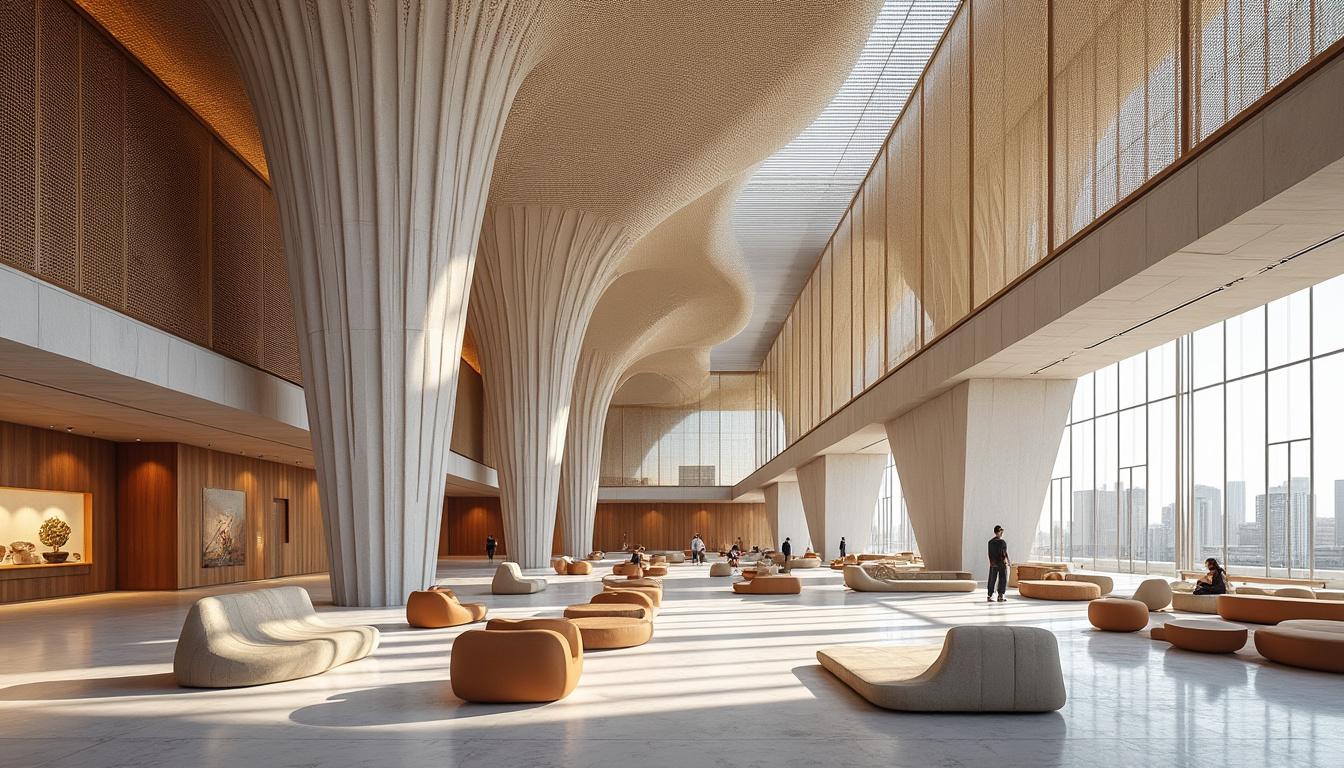
The expansion strategically begins at the museum’s ground level, introducing a reimagined lobby and library space conceived as a majlis-inspired environment — a design choice deeply rooted in Arab social culture that cultivates open dialogue and communal gatherings. This setup supports activities such as reading, conversation, and diverse public programs, with modular furniture ensuring adaptability for evolving needs.
By redesigning these entrance areas, Mathaf transforms its daily visitor experience, creating a welcoming social threshold that encourages linger time and return visits. The library now hosts an extensive collection of art publications focusing on the Arab world, with materials from local and regional institutions such as Qatar Museums. This repository stands as a resource for scholars, artists, and enthusiasts seeking comprehensive insights into modern and contemporary Arab art.
Alongside the library, a new café and an expanded gift shop are integral to extending visitor services, allowing the ground floor to serve as a vibrant point of entry. Significantly, these enhancements underscore the museum’s strategy to embed modern art within everyday cultural life, making it accessible and engaging for diverse audiences.
The architectural design carefully balances modernity with tradition, reinforcing Mathaf’s position as a leading cultural institution in the region. As highlighted in the project’s visualizations, new installations such as a large-scale portrait by Yan Pei-Ming add artistic gravitas to the atrium area, linking the museum’s physical space to the region’s cultural narrative and leadership.
For professionals in museum planning and cultural development, this approach demonstrates the value of multi-use spaces tailored to both exhibition and social interaction. The expansion project models how architectural innovation paired with culturally meaningful design enriches visitor engagement and institutional relevance in today’s cultural landscape.
For more in-depth coverage of the expansion and architectural vision, consult specialized resources such as this detailed feature.
Innovative Museum Design Strategies: Integrating Artistic Production with Exhibition Spaces
A distinguishing feature of the Mathaf expansion is the incorporation of dedicated studios and makers’ spaces beyond the existing museum footprint. This innovative shift acknowledges the evolving role of museums as active sites for creative production, not solely display.
The project introduces specialized facilities tailored to material-specific practices such as ceramics, glasswork, woodworking, and sound experimentation. For instance, ceramics studios will be equipped with shared work areas and advanced equipment designed collaboratively with practicing artists, enabling large-scale production previously unattainable in typical museum contexts.
A dedicated sound studio, developed in partnership with artist and composer Tarek Atoui, represents a forefront of integrating auditory practices into museum programming. This reflects broader trends in contemporary art that emphasize multisensory and interdisciplinary creation.
By establishing these spaces as part of a new residency program, Mathaf fosters extended artist engagement and experimentation, providing an ongoing framework for creative growth within a museum setting. Such residencies enhance the museum’s role as a dynamic incubator of modern art innovation in the Arab world.
This expansion prefigures a new institutional model where exhibitions coexist with active making and research. The residencies and studios are strategically linked with public programs and displays, creating reciprocal relationships between artistic process and audience participation.
This approach not only enriches the visitor experience with behind-the-scenes insights but also supports emerging and established artists in developing works that reflect regional narratives and global dialogues. As cultural institutions worldwide seek relevance amid rapid changes in art practice, Mathaf’s model offers a compelling blueprint for sustainable artistic ecosystems.
For architectural and cultural professionals interested in the intersection between design and function, Lina Ghotmeh’s design strategies provide an insightful case study.
Enhancing Visitor Experience Through Socially Engaged and Flexible Spaces
The concept of flexibility lies at the core of Mathaf’s redesigned public areas. The majlis-inspired library space serves as more than just a repository for books; it acts as a social hub where visitors can engage in conversations, attend events, or quietly reflect.
This flexibility is facilitated through modular furniture that can be reconfigured to accommodate multiple functions: from intimate discussions to larger community programs. This adaptability ensures that the museum continuously meets changing needs without necessitating structural modifications.
Such a design encourages longer visitor dwell times and enhanced interaction with the institution’s offerings, whether scholarly, artistic, or casual. The integration of a café and an expanded book and gift shop seamlessly connects cultural consumption with leisure, further embedding art into the visitor’s daily routine.
Moreover, the ground floor serves as an important civic space, reconceived to foster a welcoming environment that blurs the boundaries between museum, community center, and cultural forum. New visual landmarks, including site-specific commissions like Yan Pei-Ming’s portrait, reignite the museum’s civic identity and cultural storytelling.
These interventions illustrate how architectural and programmatic strategies can cultivate meaningful social settings within museums. In the realm of smart tourism and audio-visual engagement, such spaces provide ideal platforms for integrating smart guides and interactive technologies that enhance visitor understanding and participation.
Managers and designers aiming to modernize museum experiences can draw lessons from Mathaf’s approach, combining cultural authenticity with technological adaptability to serve diverse audiences.
Those wishing to explore this dynamic in person can find comprehensive visitor information at the official guide to Mathaf Arab Museum of Modern Art.
Linking Architecture and Climate: Sustainable Design and Materiality in Mathaf’s Expansion
Lina Ghotmeh’s architectural vision for the Mathaf expansion not only emphasizes cultural relevance but also prioritizes sustainability suited to the regional climate and environment. The design employs a continuous earthen surface merging indoor and outdoor spaces, providing natural cooling and reducing energy consumption.
This material continuity helps unify the various new and existing volumes across the campus with a distinct architectural ‘skin’—a curtain-like facade that modulates light penetration and ambient temperature while delivering a visually cohesive identity recognized from a distance.
Adapting former warehouses into artist studios exemplifies resourceful reuse, reflecting a sustainable approach that preserves infrastructure while enhancing functionality. This practice also respects the locale’s industrial heritage and empowers site-specific creative uses.
Such sensitivity to environmental conditions aligns with modern expectations for cultural institutions to reduce ecological impact without compromising artistic and experiential richness. This holistic attitude spans from macro-level climate adaptations to micro-level material choices.
By integrating climate-responsive elements and thoughtful materiality, Mathaf sets new standards in museum architecture within the Gulf region. This approach helps future-proof the institution against environmental challenges while reinforcing its role as a beacon of cultural sustainability.
For further insights into the technical and ecological aspects of this project, architecture enthusiasts and professionals should consult specialist articles such as this detailed expansion review.
Exhibitions, Public Programs, and New Artistic Dialogues at Mathaf
As Mathaf prepares for its expanded facilities, the institution sustains momentum through a series of impactful exhibitions and public programs aligned with its anniversary and extended mission. Notable artists such as Gabriel Chaile and Tarek Atoui contribute works that preview the synergy between exhibition and artistic process enabled by the new campus design.
These exhibitions showcase the evolving narratives within modern Arab art, emphasizing innovation, research, and cultural hybridity. They also illustrate how Mathaf strategically uses its platform to nurture creative collaborations and cross-disciplinary dialogues facilitated by its enhanced spaces.
Programming includes workshops, artist talks, sound performances, and material explorations, ensuring broad audience engagement and educational outreach. This dynamic programming is essential to positioning Mathaf as a regional leader in knowledge production as well as exhibition.
For event organizers and cultural managers, these developments highlight the importance of integrating diverse formats to attract and sustain visitor interest in contemporary artistic discourses.
Updates and detailed event overviews can be accessed through news sources reporting on Qatar Museums’ initiatives at Mathaf’s latest exhibitions.
| 🔹 Feature | 🔸 Description | 📅 Timeline |
|---|---|---|
| Ground-Level Redesign | Majlis-inspired library and social spaces with café and gift shop | Completed in early 2025 |
| Artist Studios & Workshops | Dedicated facilities for ceramics, glass, woodworking, and sound experimentation | Phases planned through 2027 |
| Residency Program | Supports sustained artistic practice with collaboration facilities | Launch in mid-2025 |
| Sustainable Architectural Features | Earth surfaces and curtain facade for climate adaptation | Integrated throughout expansion |
FAQ on Mathaf’s Expansion and Modern Museum Design
What is the primary goal of Mathaf’s expansion project?
The primary goal is to transform Mathaf from a traditional museum into a multifunctional cultural institution that integrates artistic production, research, exhibitions, and public engagement within an expanded campus.
Who is leading the architectural vision for the expansion?
Lebanese-born architect Lina Ghotmeh, based in Paris, is spearheading the architectural design, bringing a blend of contemporary aesthetics and cultural relevance to the project.
How does the expansion enhance visitor experience?
Visitors benefit from flexible social spaces inspired by traditional Arab majlis settings, expanded library resources, a café, and interactive exhibitions, all designed to encourage longer and more meaningful visits.
What types of artist facilities are introduced?
The expansion includes studios and workshops specialized in ceramics, glass, woodworking, and sound, supporting a new residency program for sustained creative work.
How does the architectural design address environmental sustainability?
The design employs climate-responsive materials and solutions like continuous earthen surfaces and a curtain-like facade to regulate light and temperature, ensuring energy-efficient operations aligned with the regional climate.
