
The Significance of Winslow Museum in Preserving Railroad Town Heritage
The Winslow Museum occupies a pivotal role in the historic preservation of Winslow, a town intrinsically linked to the rise of the railroad in the late 19th century. This community museum not only safeguards the tangible heritage embodied in railroad artifacts but also embodies the cultural legacy of a rapidly evolving American transportation hub. As the railroad passed through Winslow in the 1880s, it transformed the town into a vibrant economic and social center, unlocking potentials once dormant in this region.
Understanding the significance of the Winslow Museum requires appreciating the crucial impact railroads had on shaping small towns into critical nodes for commerce and communication in the United States. Winslow’s development mirrored the broader trend of railroad towns blossoming around new tracks, where the railroad’s arrival signified growth and prosperity. The museum offers an invaluable window into this transformative era, weaving together local history with the larger narrative of the railroad industry’s expansion.
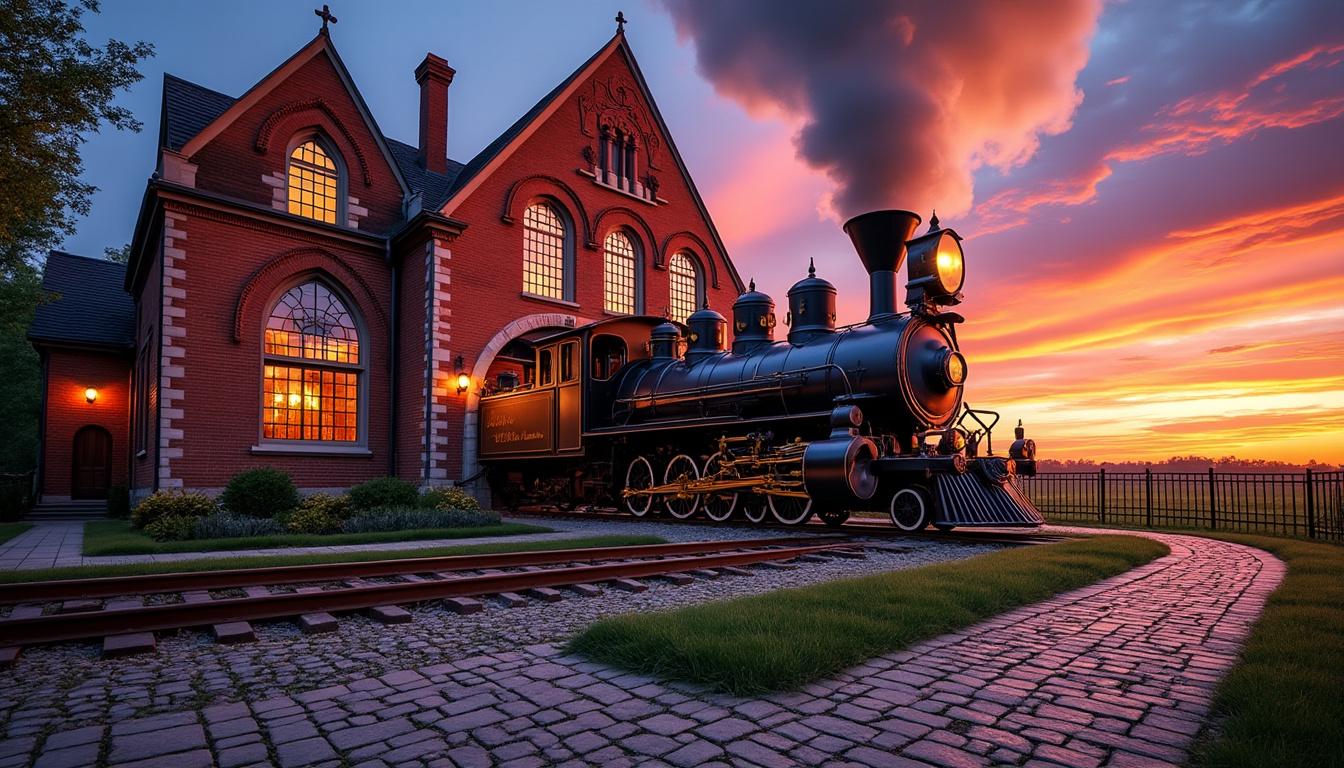
More than a repository, the museum facilitates history education by curating exhibitions that convey the railroad’s influence on Winslow’s community and economy. Visitors can engage with authentic railroad artifacts including vintage locomotives, period tools, and original documents, each representing a facet of Winslow’s bustling past. These artifacts deepen understanding of the daily life, working conditions, and technological advances of the railroad era.
Moreover, the Winslow Museum stands as a beacon of heritage preservation by maintaining structures and memorabilia that are otherwise vulnerable to decay or demolition. Its efforts are aligned with a growing national awareness around conserving sites of industrial and transportation relevance. By protecting this heritage, the museum ensures that future generations will have tangible links to the foundational stories of their communities.
In the context of 2026, the museum continues to evolve its approach, integrating digital tools and smart tourism technologies to enhance visitor experience and accessibility. This modern adaptation positions the museum as a contemporary hub for engaging with history, balancing authenticity with innovative interpretation methods suitable for diverse audiences.
Innovative Approaches to History Education at Winslow Museum
Embracing advances in technology, the Winslow Museum delivers an enriched educational experience through the integration of smart audio guides and interactive exhibits. The use of smart tourism tools, such as professional smartphone-guided tours, allows visitors to explore the local history at their pace, with contextual narratives that highlight specific railroad town features and stories.
These audio guides are designed with accessibility in mind, providing multi-language options and accommodating different learning preferences. Such initiatives align with the contemporary demand for cultural institutions to be inclusive, engaging, and technologically up-to-date. For instance, visitors can listen to historically accurate recounts of Winslow’s railroad heyday while observing related artifacts, creating a synchronized learning environment that enhances retention and immersion.
Interactive digital kiosks supplement the narrative by enabling users to explore maps, timetables, and photographic archives. This layered approach to education encourages deeper investigation and caters to various age groups and interests. The museum’s educational programs further extend to schools and community groups, emphasizing the significance of the railroad in Winslow’s development and the broader American industrial landscape.
Highlighting the educational dimension, the museum has collaborated with local historians and technology experts to design workshops demonstrating the sound engineering of historic locomotives or the logistics behind railroad operations. These hands-on experiences are particularly effective in driving engagement and fostering an appreciation for the intricacies of historic railroad technology and labor.
In parallel, the museum leverages digital content strategies to reach remote audiences. Virtual tours and online archives make significant contributions to expanding the institution’s reach beyond the physical site, enabling educators and researchers globally to access detailed information on Winslow’s railroad legacy. This integration of physical and digital modes positions the Winslow Museum as a forward-thinking institution within the heritage preservation community.
Preserving Railroad Artifacts: Challenges and Strategies at Winslow Museum
Preservation of railroad artifacts presents multifaceted challenges, including deterioration due to environmental factors, the sheer scale of machinery, and the technical expertise required for maintenance. The Winslow Museum employs stringent conservation techniques to safeguard these items, often relying on specialists in metallurgy, woodworking, and textile conservation to address the varied nature of their collections.
One of the primary difficulties stems from the outdoor exposure of certain artifacts, such as locomotives and railcars, which are susceptible to rust, sun damage, and temperature fluctuations. To combat this, the museum invests in controlled environments or protective coverings that mitigate weather impacts. Additionally, routine inspections and preventive maintenance schedules ensure early detection of issues.
The museum also embraces innovative preservation methods, including 3D scanning and digital modeling, which serve dual purposes: archiving precise representations of artifacts and facilitating virtual restoration projects. Such technologies provide a non-invasive alternative to physical intervention, preserving the integrity of original items while enabling detailed study and replication.
Community involvement remains a cornerstone of preservation efforts. Volunteer programs enable local enthusiasts and railroad veterans to contribute hands-on expertise and advocacy, fostering a shared sense of responsibility for Winslow’s railroad heritage. This collective approach ensures that preservation is not confined to specialists but integrated within the community’s cultural identity.
Below is a table illustrating various types of artifacts, their conservation challenges, and applied strategies at the Winslow Museum:
| Artifact Type 🚂 | Conservation Challenges 🛠️ | Preservation Strategies 🧰 |
|---|---|---|
| Locomotives | Metal corrosion, size hindering indoor storage | Protective coverings, regular maintenance, 3D scanning |
| Railroad Tools | Rust, fragility of wooden handles | Climate control, gentle cleaning, material-specific treatments |
| Documents & Photographs | Paper degradation, fading ink | Digitization, acid-free storage, light exposure control |
| Textile Uniforms | Fabric deterioration, pests | Encapsulation, pest management, proper humidity |
Collectively, these strategies underline the museum’s commitment to the historic preservation of tangible heritage, ensuring each piece remains a testament to the town’s railroad past.
Community Engagement and the Cultural Legacy of Winslow’s Railroad Town
The cultural legacy of Winslow as a railroad town goes beyond artifacts; it is deeply embedded in the community’s identity and ongoing collective memory. The Winslow Museum actively fosters community engagement through events, storytelling sessions, and collaborative exhibitions that highlight diverse perspectives within this heritage.
Events such as annual railroad festivals offer opportunities not only to showcase the museum’s collections but also to reanimate the town’s historic ambiance with period costumes, reenactments, and live demonstrations. These interactive experiences provide immersive encounters that bring history “around the corner” for visitors, making the past tangible and relatable.
The museum also serves as a platform for local artists and historians to contribute works and research that explore Winslow’s legacy from new angles. For instance, contemporary art installations inspired by railroad themes encourage dialogue between history and modern cultural expression, reflecting the museum’s role in bridging past and present.
Community involvement is further deepened through educational outreach programs targeting youth, aiming to instill pride and awareness of Winslow’s unique history. This intergenerational transmission of knowledge ensures the town’s railroad heritage remains a living, evolving narrative.
By nurturing this dynamic relationship, the museum reinforces its role not just as a conservation entity but as a cultural hub, sustaining the vitality of Winslow’s local history and ensuring the cultural legacy of the railroad era remains prominent in community consciousness.
Leveraging Smart Tourism Technologies for Enhanced Museum Experiences
The intersection of heritage preservation and modern technology defines the innovative approach Winslow Museum adopts to deliver compelling visitor experiences. The increasing demand for smart tourism solutions encourages museums to leverage digital tools that make history accessible, engaging, and personalized.
Central to this strategy is the deployment of Grupem’s audio guide platform, transforming visitors’ smartphones into professional-grade guides capable of delivering detailed, location-aware narratives. This not only improves standalone visits but also supports guided tours with seamless audio synchronization, ensuring consistent quality without heavy reliance on physical equipment.
Smart signage embedded with QR codes allows visitors to interact directly with exhibits, accessing extended multimedia content such as archival videos, interviews, and 3D reconstructions. This self-directed exploration empowers visitors with choice, adapting the museum journey to individual interests and time constraints.
Furthermore, the museum utilizes data analytics harvested from digital interactions to refine exhibit designs and visitor services. Analysis of engagement patterns helps in identifying popular content and areas needing enhancement, driving continuous improvement evidenced by better visitor satisfaction scores.
Finally, an emphasis on accessibility integrates voice commands, subtitles, and easy-to-navigate interfaces tailored to diverse audiences, including those with disabilities. The combination of smart tourism technologies with traditional museum values generates an inclusive cultural environment, exemplified by Winslow Museum’s commitment to innovation and heritage stewardship.
- 🎧 Smart audio guides for immersive learning
- 📱 QR codes linking to extended multimedia
- 📊 Visitor data analytics for exhibit optimization
- ♿ Accessibility features ensuring inclusive access
- 🌐 Virtual tours broadening audience reach
For museum professionals and cultural organizers, Winslow’s integration of smart tech represents a practical model for advancing history education and heritage preservation without sacrificing authenticity. The goal is a fluid, engaging, and accessible experience that resonates with today’s travelers and future generations alike.
Discover further insights on modern museum smart travel solutions at ATC Cafe, a resource dedicated to digital advancements in cultural tourism.
What makes Winslow Museum unique among railroad town museums?
Winslow Museum uniquely combines extensive collections of railroad artifacts with advanced digital tools that enhance visitor engagement and accessibility, making the town’s history both accessible and immersive.
How does the museum ensure preservation of large-scale railroad artifacts?
Through protective enclosures, regular maintenance, and innovative methods such as 3D scanning and digital modeling, the museum maintains large railroad machinery in excellent condition while minimizing physical intervention.
How are smart tourism technologies applied at the Winslow Museum?
The museum uses smartphone-based audio guides, QR-coded smart signage, and virtual tours to create a personalized, accessible, and interactive visitor experience.
In what ways does the local community participate in the museum’s activities?
Community involvement includes volunteering in preservation, participation in events like railroad festivals, contributing to exhibitions, and educational outreach programs aimed at youth.
Can remote audiences access Winslow Museum’s collections?
Yes, through virtual tours and online archives, the museum’s collections and educational resources are accessible worldwide, enhancing its reach and impact.
