
Walker Art Center and Local Museums Unite in Solidarity Protest Against ICE Operations in Minneapolis
The Walker Art Center and several prominent local museums in Minneapolis have taken the significant step of closing their doors temporarily in a concerted protest against the intensified activities of the United States Immigration and Customs Enforcement (ICE) in the Twin Cities area. This coordinated museum closure shines a spotlight on the controversial immigration policy enforcement tactics, particularly following tragic incidents that have stirred widespread community anger and mobilized cultural institutions into action.
On January 23, 2026, key Minneapolis venues including the Walker Art Center and the Minneapolis Institute of Art participated in what was called “A Day of Truth and Freedom,” a one-day general strike organized by faith leaders, unions, and community groups to oppose ICE’s heightened presence as part of Operation Metro Surge. This protest was catalyzed by the fatal shooting of Renee Good, a 37-year-old Minneapolis mother of three, by an ICE agent under contentious circumstances. Her death, which shocked local and national audiences alike, sharpened calls for institutional solidarity and greater community support against what critics describe as aggressive and often indiscriminate immigration enforcement tactics.
The Art Center’s decision to pause public operations emphasized their dedication to institutional values prioritizing community safety and staff welfare. Beyond shuttering regular exhibitions and events, including the cancellation of planned performances like Nile Harris’s “this house is not a home,” these actions highlighted the vital role museums play as spaces of civic reflection and art activism amid social upheaval. The closures represent a shift in the cultural sector’s engagement with socio-political issues, positioning museums as active participants rather than passive observers in the community discourse around immigration policy.
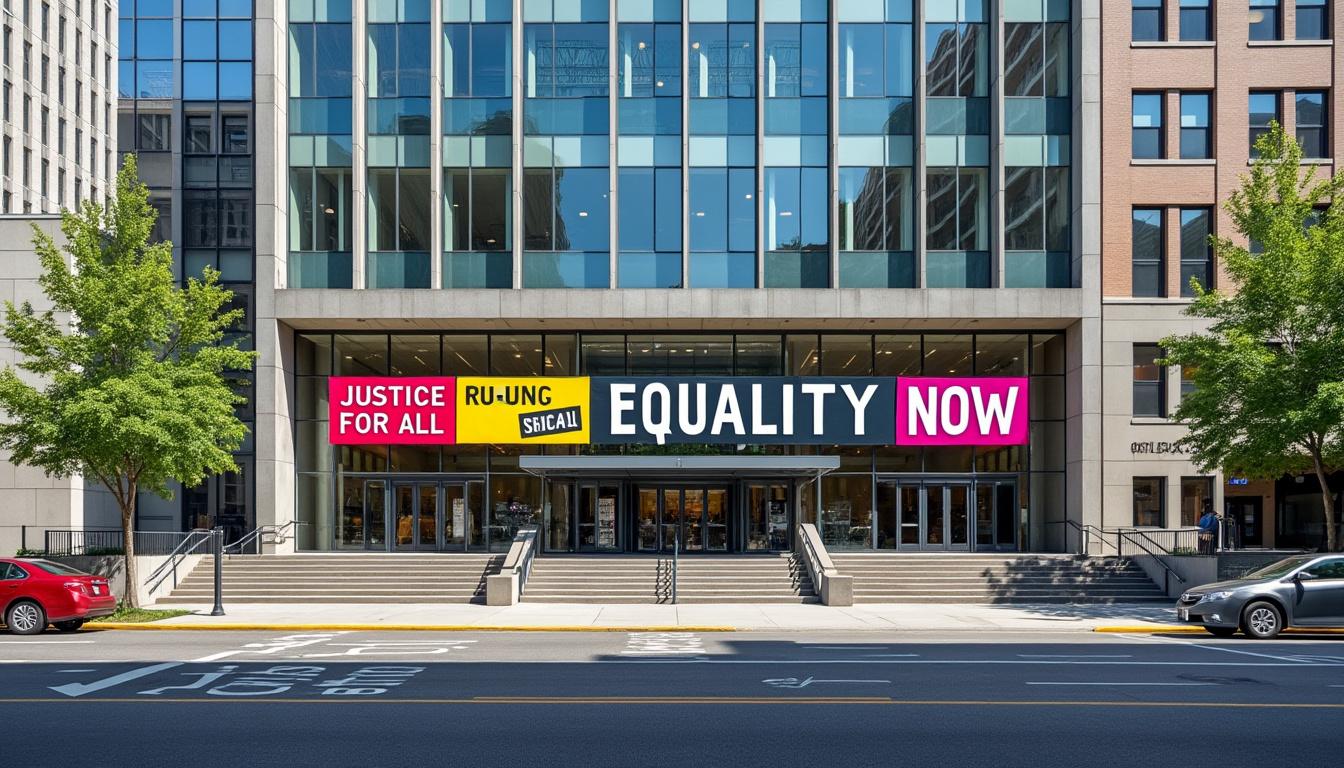
Other cultural organizations across Minneapolis and St. Paul joined the effort, expanding the impact of the protest. Institutions such as the Bakken Museum, Minnesota Museum of American Art, Weisman Art Museum, and Minnesota Children’s Museum closed worryingly in this act of collective resistance. This growing coalition of local museums demonstrated a unified front that transcended typical boundaries of art and culture, directly intertwining with urgent civic and human rights concerns.
Understanding the Context: ICE’s Escalating Operations and Community Impact in Minneapolis
ICE’s increasingly forceful presence in the Twin Cities reflects broader shifts in national immigration enforcement strategies. Operation Metro Surge, launched in December 2025, marked a substantial escalation with an influx of 2,000 ICE agents deployed to Minnesota. This surge responded to allegations, including a welfare fraud scandal involving Somali immigrant communities and purported irregularities in Somali-run daycare centers, resulting in a freeze of federal childcare funding by the Trump administration. These events exacerbated tensions and deepened mistrust between affected communities and law enforcement agencies.
The killing of Renee Good intensified these tensions dramatically. On January 7, 2026, ICE agent Jonathan Ross fatally shot Good as she attempted to drive away from an ICE vehicle that had become stuck in snowy conditions. Despite Good’s status as a United States citizen and mother, Federal officials, including Vice President J.D. Vance and Secretary of Homeland Security Kristi Noem, defended the agent’s use of deadly force and painted a conflicting narrative of the incident. This clash between community accounts and federal statements fostered deep polarization and mobilized calls for transparency and justice.
Local museums’ closure in solidarity with community protesters must be understood within this charged atmosphere. The actions reflect a growing recognition amongst cultural institutions of their responsibility to engage with pressing social justice issues, especially those that directly impact their immediate communities. This approach represents a broader trend in art activism, where venues are no longer isolated cultural sites but active participants in shaping narratives around immigration policy and civil rights.
For professionals in the tourism and cultural sectors, the situation underscores the importance of integrating awareness of local social contexts and community support into operational planning. Museums, in particular, act not only as educational and artistic venues but also as significant social nodes that can amplify or challenge ongoing political debates. The Walker Art Center’s protest closure serves as a model for smart tourism practices that prioritize ethical considerations and community engagement without compromising visitor experience.
Operational and Visitor Experience Implications of Museum Closures for Public Protest
From an operational perspective, organizing a temporary shutdown of high-profile venues like the Walker Art Center involves complex logistical and communication challenges. Canceling scheduled programs, managing visitor expectations, supporting staff through difficult periods, and coordinating with broader citywide actions demands flexibility and robust internal planning. The institution prioritized clear messaging, stating the closures were intended to “recognize the weight of this moment in our community and to care for our employees and people in the Twin Cities community” as reported by the Minneapolis Institute of Art.
Communicating these closures effectively to the public—especially to tourists and regular visitors planning their visits—requires integration with digital tools and platforms. Smart tourism technology plays a pivotal role in this context, allowing museums to disseminate real-time updates via apps, websites, and social media, minimizing visitor inconvenience. Apps capable of transforming smartphones into professional-grade audio guides, such as Grupem, provide an innovative means to keep potential visitors informed and engaged, even when physical access is temporarily restricted.
Moreover, these closures highlight valuable lessons for cultural institutions aiming to remain accessible and relevant during politically sensitive moments. Utilizing multimedia content and virtual exhibitions can maintain engagement remotely, bridging gaps during protests or public actions. From an audience experience standpoint, transparent communication about the reasons behind closures enhances public understanding and supports the institution’s position as a community ally.
Integrating these strategies benefits not only the institutions but also tourism stakeholders, contributing to more resilient and socially conscious visitor engagement. Such approaches ensure that protests and museum closures, although disruptive, do not degrade the overall visitor experience but rather enrich its meaning and relevance.
Smart Communication for Protest-Related Museum Closures
- 📱 Use mobile apps like Grupem for instant visitor updates
- 🖥️ Implement virtual tours and online exhibitions during shutdowns
- 📢 Provide clear, compassionate messaging explaining the reasons for closures
- 🔄 Coordinate announcements through social media, emails, and local news outlets
- 🤝 Engage staff with support measures to handle the protest’s emotional impact
Art Activism Through Museum and Cultural Institution Responses
The Walker Art Center’s leadership in this solidarity protest signifies a powerful exercise of art activism, showcasing how museums can extend their impact beyond exhibition walls into active community advocacy. This form of protest challenges traditional perceptions of museums as neutral cultural spaces, repositioning them as crucial actors in public discourse and social justice movements.
The closure and its symbolic resonance provide an opportunity for internal reflection among curators, artists, and cultural managers on how art can comment on and influence social policies. This approach encourages a dynamic fusion of creative expression and political activism, inspiring institutions elsewhere to adopt similar stances in face of controversial government actions.
Examples abound across the United States and globally where museums have used closure days, targeted exhibitions, or collaborative events to protest or raise awareness on significant social issues. For instance, the coordinated Minnesota art spaces closure aligns with similar historical acts such as the 2019 climate strike by art institutions or museum responses during human rights crises. These precedents demonstrate museums’ evolving role in shaping collective memory and driving community-centered activism.
By joining this movement, local museums in Minneapolis contribute to a broader narrative of cultural responsibility and engagement. Such active participation also underscores the potential of smart technology in cultural mediation, enabling audiences to access context-rich, socially conscious art experiences through digital platforms even when physical spaces are unavailable.
For professionals aiming to leverage these trends, investing in audio tech and digital mediation tools not only enhances visitor engagement but also reinforces the museum’s standing as a socially responsible entity. This dual value—artistic and political—fortifies the institution’s relevance in contemporary cultural landscapes.
Economic and Social Dimensions of the Day of Truth and Freedom Strike
The broader economic blackout, manifesting as a general strike across Minnesota, encompassed a wide range of sectors beyond cultural institutions. Organized by faith communities, unions, and grassroots groups, the event called residents to abstain from work, school, and economic transactions on January 23, asserting a collective refusal to normalize ICE enforcement. This strike illustrates the intersection of social justice activism with economic leverage, amplifying protest impact.
Although major corporations such as Target, UnitedHealth Group, and Xcel Energy refrained from commenting publicly, hundreds of businesses and organizations participated, signaling significant community solidarity. Museums’ engagement in this strike emphasizes their integration into local social frameworks and their capacity to influence public opinion and civic participation.
Understanding the broader context helps tourism and event professionals appreciate the ripple effects of such large-scale social movements. Strikes of this nature can affect visitor flows, event scheduling, and service availability, necessitating anticipatory planning and community-responsive strategies.
Below is a comparative table highlighting the key participants and their roles during the strike:
| 🔹 Organization | 🔹 Role in Strike | 🔹 Impact on Tourism and Cultural Sector |
|---|---|---|
| Walker Art Center | Closed doors in solidarity 🖼️ | Raised awareness, engaged cultural visitors in protest |
| Minneapolis Institute of Art | Participated in closure and public statement 📢 | Extended message of community support and resistance |
| Bakken Museum | Closed for the protest 🧪 | Demonstrated solidarity in scientific and cultural spaces |
| Indivisible Twin Cities | Organized ICE Out march and rally ✊ | Mobilized grassroots activism, influenced local politics |
| Major Companies (e.g., Target) | No public participation❌ | Maintained regular operations, affecting public perception |
For museum directors, cultural managers, and tourism professionals, these dynamics underline a critical need for agile engagement strategies. Anticipating the socio-political context and aligning institutional responses with community values can enhance institutional credibility while managing operational risks effectively.
The strategic closures during the “Day of Truth and Freedom” reflect not only protest but also a broader trend of museums integrating social activism into their missions. Integrating these developments into the cultural and tourism sectors’ operational and strategic frameworks is imperative for professionals in 2026 and beyond.
Why did the Walker Art Center and other museums choose to close in protest?
They closed temporarily to show solidarity with the community amid heightened ICE enforcement and the fatal shooting of Renee Good, aligning institutional values with social justice.
What is Operation Metro Surge and how has it affected Minneapolis?
Operation Metro Surge involved deploying 2,000 additional ICE agents to the Twin Cities, intensifying immigration enforcement and escalating tensions, especially with Somali communities.
How can museums maintain visitor engagement during closures?
Utilizing digital tools such as virtual tours, mobile guides like Grupem, and clear communication channels helps maintain engagement and provide meaningful visitor experiences remotely.
What broader impact does museum involvement in protests have?
It reinforces museums as active community stakeholders and agents of art activism, broadening their cultural relevance and demonstrating social responsibility.
How should tourism professionals adapt to socio-political protests?
By integrating flexible planning, real-time communication technology, and aligning with community values to support both operational continuity and social engagement.
