
Peu de temps ? Voici l’essentiel à retenir :
✅ The walkable suspended labyrinth “SunForceOceanLife” by Ernesto Neto offers an immersive, interactive art experience that engages visitors physically and mentally.
✅ The installation blends innovative architecture with traditional Brazilian crochet, creating a suspended 35-foot vibrant structure filled with walkable pathways.
✅ Proper visitor management—including waivers and specific footwear—is essential to ensure safety and optimal interaction with this dynamic artwork.
✅ Embracing such interactive installations enriches museum experiences and invites reflections on nature, life energy, and cultural heritage.
Immersive Artworks Redefining Visitor Engagement in Houston’s Museum of Fine Arts
Within the contemporary museum landscape, traditional passive viewing is gradually giving way to experiential, participatory art forms. The Museum of Fine Arts, Houston (MFAH), stands at the forefront of this transformation, highlighting installations that invite visitors to step inside, touch, and traverse artworks. The recent comeback of the walkable suspended labyrinth “SunForceOceanLife,” fabricated by renowned Brazilian artist Ernesto Neto, exemplifies this shift toward interactive museum architecture.
The installation commands attention with its sprawling size—35 feet in width and lifting 12 feet off the gallery floor—offering a suspended sculpture that practically floats in the Cullinan Hall of the MFAH. Hand-crocheted from intensely vibrant orange, yellow, and green paracord, the labyrinth integrates hollow plastic balls densely packed into its walkways, evoking the playful tactility of a children’s ball pit. This choice of material transcends aesthetic appeal, contributing to the structure’s literal fluidity and underscoring the transformative potential of interactive design.
Emphasizing its walkable nature, this artwork engages visitors beyond mere observation. Entrants must leave their shoes in lockers and wear museum-issued socks, ensuring cleanliness and safety while traversing the labyrinth’s moving pathways. The experience becomes a balance exercise, as the structure subtly shifts underfoot with each visitor’s movement, fostering an awareness of one’s own body juxtaposed with collective presence.
From a curatorial perspective, this installation is particularly significant. Mari Carmen Ramírez, Wortham Curator of Latin American Art at MFAH, highlights the artwork’s site-specific creation as a “tribute to the life-giving forces of the sun and ocean.” By employing crochet—an art form learned from his grandmother—as a medium, Neto deeply roots the piece within Brazilian heritage while transforming it into an all-encompassing spatial journey that stimulates both the body and mind.
Visitors thus confront a layered narrative: the vitality of elemental forces, the delicacy of craft traditions, and the modern reinterpretation of cultural motifs through innovative architecture and materials. This integration of interactive labyrinth paths invites reflection, curiosity, and plays a pivotal role in modern museum exhibits where engagement is king.
The exhibition runs until September 7, 2026, providing numerous opportunities for stakeholders in cultural tourism and museum management to explore how such artworks are redefining audience experiences in major fine arts institutions.
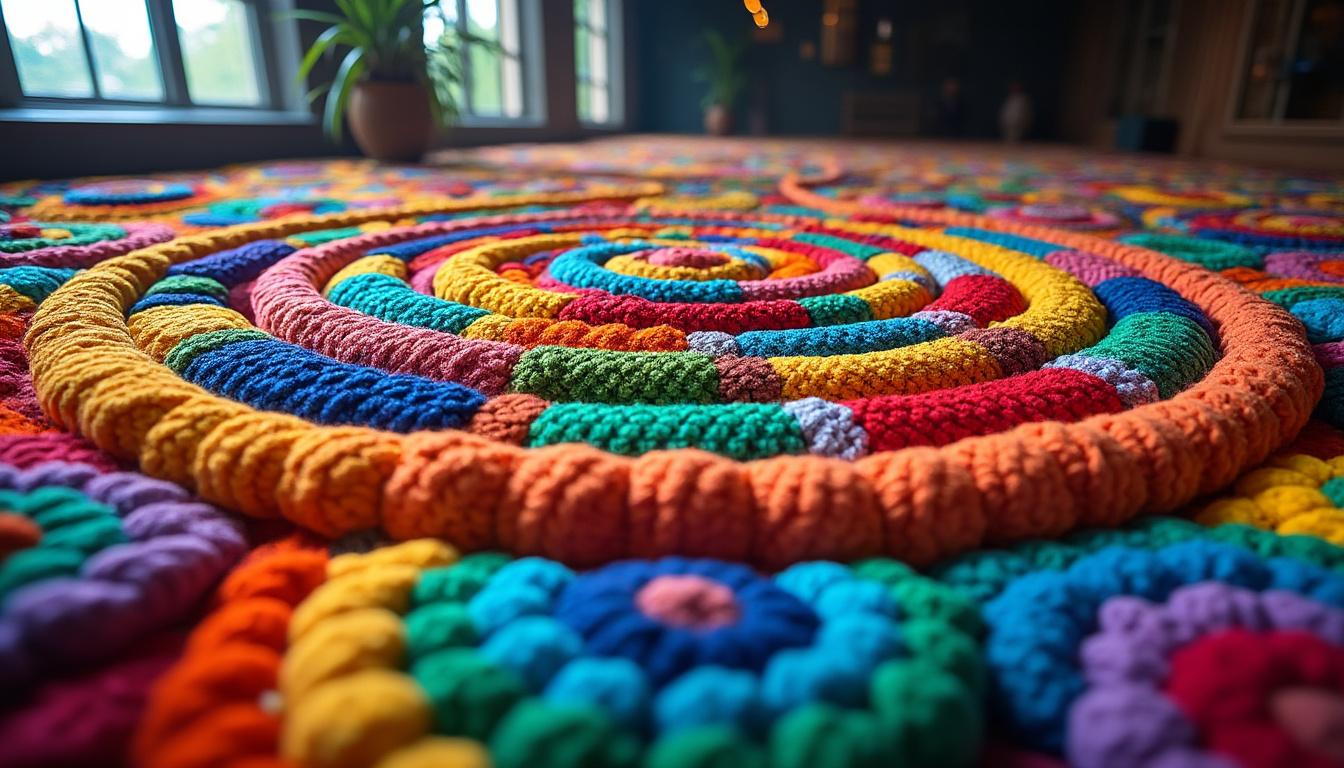
Balancing Safety and Interaction: Managing Walkable Suspended Art Installations
The nature of “SunForceOceanLife,” a suspended labyrinth that encourages physical interaction, demands particular operational considerations. Balancing visitor engagement with safety protocols is essential to preserve the artwork and protect participants. Museums hosting such installations must prepare for specific challenges unique to interactive suspended structures.
First, ensuring visitor safety begins with environment preparation. The labyrinth weighs approximately 6,000 pounds, anchored securely from the ceiling via crocheted cables. This structural reliance necessitates rigorous engineering assessments and continual monitoring. The museum’s staff must coordinate with engineers and artists to validate safety standards throughout the exhibition period.
Visitor process logistics also require thoughtful planning. Before entering, guests sign waivers acknowledging the physical nature of the exhibit and any associated risks involved while traversing pathways suspended as high as 12 feet above the floor. This legal precaution is vital for mitigating liability and clarifies visitors’ responsibilities during the immersive experience.
Footwear control plays a surprising but crucial role. Removing shoes and donning museum-provided socks minimizes wear on the highly tactile paracord structure and reduces dirt transfer. This measure not only protects the integrity of the crochet fibers but also enhances visitor comfort and traction, preventing slips on the hollow plastic balls embedded within the walking surface.
Movement within the labyrinth demands balance and attentiveness. Path widths vary, with certain sections densely packed, causing subtle shifts beneath foot traffic. This dynamic aspect reinforces the interactive nature but requires continuous supervision to address any emerging hazards promptly.
Operational best practices in such contexts emphasize visitor education. Clear signage and staff-guided orientation improve participant confidence and prepare them for unusual physical demands. Combining these with digital supports such as mobile apps offering audio guidance or safety tips can enhance accessibility for diverse audiences, including families and older visitors.
Overall, showcasing walkable suspended artworks at institutions like the MFAH illustrates how meticulous planning aligns with innovative exhibition design. This model serves as a useful case study for cultural institutions worldwide experimenting with similar interactive installations, emphasizing proactive safety management without compromising artistic intent or visitor engagement.
Ernesto Neto’s Artistic Philosophy Illuminated by the Suspended Labyrinth Architecture
Understanding the conceptual foundation of “SunForceOceanLife” deepens appreciation of its architectural and artistic significance. Ernesto Neto’s work transcends mere form-making; it lies at the intersection of sensory experience, cultural memory, and environmental awareness.
Neto’s choice to reinterpret crochet—traditionally a practical craft associated with domestic environments and his grandmother’s influence—is deliberate. By transforming this humble, handmade technique into a large-scale, suspended walkable labyrinth, the artist fuses the intimate with the monumental, inviting visitors to physically enter and traverse what might otherwise be a static object.
The vibrant color palette of orange, yellow, and green is evocative of natural elements—fire, sunlight, and ocean life—embodying the vital energy that sustains life. These colors are not only cosmetic but engage the viewer psychologically, tapping into universal associations with warmth, growth, and fluidity.
The labyrinth design itself as a spatial metaphor invites reflection on life’s nonlinear path, the interplay of light and movement, and connectivity across physical and metaphorical dimensions. Suspended 12 feet above the ground, the sculpture challenges spatial perceptions and offers an immersive architecture that redefines interaction between the human body and art.
In this regard, the installation successfully bridges traditional craftsmanship with contemporary artistic innovation. Its organic structures, combined with engineered suspension systems, showcase advancements in material science and design capable of supporting both aesthetic demands and functional mobility.
MFAH’s commission, originally realized in 2019 and returning in 2026, testifies to the artwork’s ongoing relevance and impact on Houston’s cultural scene. It invites renewed public engagement and serves as a model for art institutions emphasizing site-specific works that blend craftsmanship, technology, and environmentally resonant themes.
Innovations in Museum Experience Through Walkable Suspended Installations
The resurgence of the walkable suspended labyrinth at MFAH illustrates broader trends in museum visitor experience and the integration of smart technology. Institutions now employ innovations to enhance accessibility, engagement, and immersion while preserving artistic integrity.
Interactive installations like Neto’s signal a move toward multisensory museum architecture that promotes bodily participation. As visitors physically navigate the artwork’s suspended pathways, they gain a deeper connection to the piece and its conceptual underpinnings. This form of engagement transforms cultural consumption into a participatory event and challenges static expectations of art viewing.
Modern tools facilitate these complex experiences. For example, mobile apps such as GruPem provide intelligent audio guides that adapt to visitor location and movement in real time, offering contextual explanations and safety instructions. This technology proves invaluable in managing large-scale walkable installations, ensuring both educational value and smooth crowd flow.
Moreover, incorporating augmented reality (AR) or environmental sensors can enhance visitor awareness of spatial relationships within the labyrinth. While not explicitly used in Neto’s work, these innovations pave the way for future integration, aligning with the museum’s commitment to cutting-edge, accessible experiences.
MFAH’s strategy aligns with the evolving expectations of smart tourism, where digital enhancements complement physical interaction rather than replacing it. The immersive labyrinth exemplifies how museums can maintain relevance by embracing technology that enriches the sensory dimensions and operational management of large-scale artworks.
Other museums globally are adopting similar approaches; the Spy Museum in London, for example, integrates hidden tunnels and interactive exhibits to create immersive visitor journeys supported by smart audio controls and navigation aids.
Institutions should observe the technological frameworks supporting these installations to design more dynamic, visitor-centered exhibitions and offer clear, curated engagement pathways.
Visitor Experience and Accessibility Insights for the Suspended Labyrinth at MFAH
The walkable suspended labyrinth “SunForceOceanLife” integrates several elements to promote a unique, inclusive visitor experience. Accessibility features and visitor flow considerations play a critical role in delivering this interactive artwork’s full impact.
Upon entry, museum-goers encounter a structured protocol: shoes are stored securely, socks are distributed, and waivers are signed. These steps may seem administratively burdensome but function as deliberate measures that prepare visitors for safety and hygiene standards needed for intimate contact with the textile pathways.
Walking through the labyrinth compels individuals to consciously balance and adjust movements, fostering bodily mindfulness and engagement with spatial architecture. The variability in path density means some sections require greater attentiveness, appealing to visitors who enjoy a physical challenge while appreciating art.
This dynamic experience, however, may limit access for some with mobility impairments. Museums need to offer comprehensive information and alternative ways to engage with the installation, such as virtual tours or audio descriptions viewable via apps like GruPem. Leveraging smart tourism technology, museums can provide tailored narratives and supplementary content that promote inclusivity without detracting from the original artwork’s intent.
The surrounding space within Cullinan Hall is also optimized for comfortable circulation, preventing bottlenecks and ensuring a safe environment even during high-visitor volumes. Staffing strategically placed guides assures swift assistance and compliance with safety protocols.
Feedback loops inform continued improvements in visitor procedures, adapting to audience needs and maximizing engagement. This attention to user experience exemplifies best practices for institutions aiming to host physically demanding, walkable suspended artworks.
| 🎨 Aspect | 🔍 Description | 🛠 Practical Implications |
|---|---|---|
| Materials | Vibrant paracord, hollow plastic balls, crocheted cables | Durability and tactile experience essential for interactive use |
| Spatial Design | Walkable labyrinth suspended 12 feet above ground | User safety and balance considerations during movement |
| Visitor Management | Waivers, sock policies, supervised access | Risk mitigation and preservation of artwork quality |
| Technological Integration | Potential for smart audio guides and AR | Enhanced engagement and safety instructions |
| Cultural Significance | Homage to Brazilian crochet and elemental energies | Educational storytelling and immersive narrative depth |
What materials compose the walkable suspended labyrinth ‘SunForceOceanLife’?
The labyrinth is crafted from hand-woven vibrant paracord in orange, yellow, and green hues. Hollow plastic balls line the walkable paths, while sturdy crocheted cables suspend the structure from the ceiling.
How is visitor safety ensured during the interaction with the suspended labyrinth?
Visitors sign waivers, remove shoes, and wear museum-provided socks to enhance safety and protect the artwork. The structure’s engineering and supervision ensure the installation can handle the weight and movements of the participants.
What does the labyrinth symbolize artistically?
It symbolizes life-giving forces like the sun and ocean, interpreting these elemental energies through the Brazilian craft of crochet transformed into immersive architecture.
Are there accessible options for visitors with mobility challenges?
While the installation involves balance and movement, the museum offers alternative engagement options such as virtual tours and audio guides accessed via smart tourism apps to ensure inclusivity.
Where can I find more about similar immersive museum installations?
Resources like the GruPem app and curated museum collections, including those of London’s Spy Museum and Princeton Art Maze Museum, provide insights into interactive exhibitions worldwide.
