
Peu de temps ? Voici l’essentiel à retenir :
- ✅ The US-Israel conflict has caused significant damage to Iran’s cultural heritage, impacting over 56 historic sites, including UNESCO World Heritage locations.
- ✅ International law, including the 1954 Hague Convention, mandates the protection of cultural property even during military conflicts, but enforcement remains challenging.
- ✅ Preservation efforts and global awareness are essential to safeguard endangered sites amid ongoing military strikes in the Middle East.
Damage to Iran’s Cultural Heritage Under the US-Israel Conflict
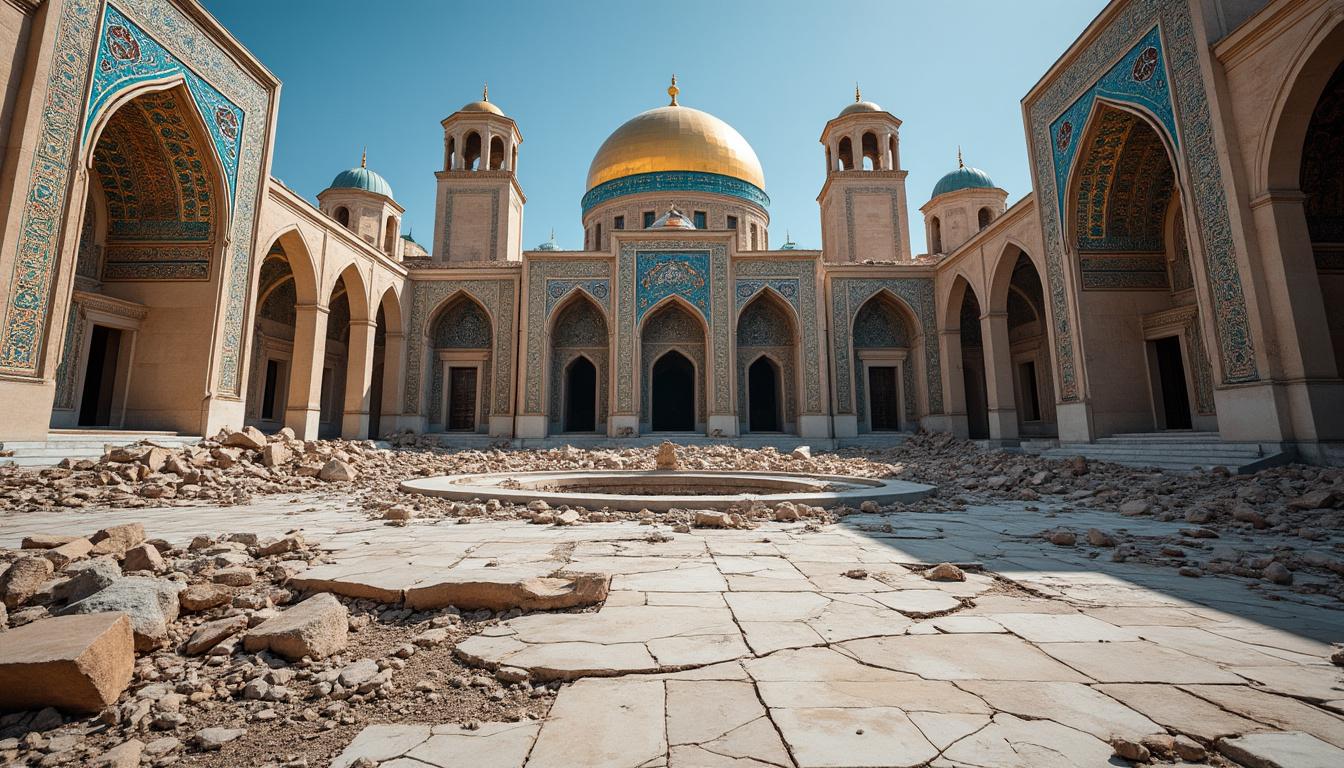
The escalating conflict between the United States, Israel, and Iran since early 2026 has resulted in widespread destruction of invaluable cultural sites across Iran. According to Iran’s Ministry of Cultural Heritage, Tourism and Handicrafts, over 56 museums, monuments, and cultural landmarks have sustained substantial damage. Some of the most notable casualties include the Qajar-era Golestan Palace in Tehran, parts of Naqsh-e Jahan Square in Isfahan, and various sites located in Kurdish and Lorestan provinces.
The Golestan Palace, a UNESCO World Heritage Site, epitomizes Persian artistic and architectural heritage from the late 18th to early 20th century. This complex seamlessly merges Persian craftsmanship with European influences, offering a unique cultural footprint of the Qajar dynasty. Reports and visuals taken after recent strikes reveal shattered glass ceilings, damaged mosaics, broken archways, and extensive structural harm. Such damage represents not only a loss to Iran but also to humanity’s collective historical record.
Similarly, Naqsh-e Jahan Square, which houses significant Islamic and Safavid architecture dating back to the 16th and 17th centuries, has suffered damage to its mosques and palaces. The impact extends beyond Tehran and Isfahan to smaller cities, where historic bazaars, castle structures such as Falak-ol-Aflak Castle in Khorramabad, and museums in Sanandaj and Siraf have also been hit.
This destruction is part of the broader narrative of cultural devastation in geopolitical conflicts. The official statements by the US and Israel claim military precision targeting only strategic sites. However, international observers and Iranian officials challenge this assertion, noting the collateral damage to civilian infrastructure and irreplaceable cultural assets.
For those interested in detailed accounts and ongoing updates, reputable sources like MSN’s coverage of Iran’s heritage damage offer comprehensive and well-documented reports.
International Law and the Protection of Cultural Heritage During Conflicts
International frameworks aim to safeguard cultural heritage during armed conflicts, yet adherence and enforcement remain problematic amid ongoing hostilities. The 1954 Hague Convention for the Protection of Cultural Property in the Event of Armed Conflict is a landmark treaty ratified by Iran, the US, and Israel that prohibits intentional targeting of cultural landmarks.
In addition to the Hague Convention, United Nations Security Council Resolution 2347 (2017) explicitly condemns the illegal destruction of cultural and religious heritage, urging states to take protective measures. Despite these legal safeguards, military campaigns and strikes continue to threaten irreplaceable sites.
The Ministry of Cultural Heritage in Iran has repeatedly underscored these violations, referencing both legal instruments in condemning recent attacks. Yet, the trajectory of the conflict reveals a challenge in balancing military objectives with heritage protection, particularly when military infrastructure is hosted near or within historic urban zones.
Global organizations like UNESCO have taken steps by distributing coordinates of heritage sites to involved parties to mitigate risks. UNESCO’s confirmation of damage at Golestan Palace, Chehel Sotoun Palace, and Masjed-e Jame in Isfahan highlights the urgent need for enhanced adherence to protection protocols.
Here is a summary table illustrating the relevant international provisions and their application within the context of the US-Israel conflict in Iran:
| 📜 Legal Framework | ⚖️ Protection Scope | ⏳ Year Adopted | 🌍 Signatories Relevant to Iran Conflict |
|---|---|---|---|
| 1954 Hague Convention | Safeguards cultural property during armed conflicts | 1954 | US, Israel, Iran |
| UN Security Council Resolution 2347 | Condemns unlawful destruction of cultural heritage | 2017 | US (voted in favor), Israel (supportive), Iran (affected party) |
Given these protections, civil society, heritage professionals, and international bodies are increasingly calling for rigorous monitoring and accountability to limit cultural destruction in the Middle East and beyond.
Historical Precedents of Cultural Destruction in the Middle East Conflicts
The ongoing threats to Iran’s cultural heritage fit within a tragic pattern of warfare-fueled destruction throughout the Middle East. Past conflicts have witnessed the loss of invaluable heritage, often accelerating due to looting or deliberate targeting.
One of the most devastating episodes was the 2003 US-led invasion of Iraq, which precipitated the looting of the Iraq National Museum, leading to the theft and destruction of tens of thousands of priceless artefacts. Similarly, the rise of ISIL in 2015 brought deliberate demolition of world heritage, including iconic sites such as the Temple of Baalshamin in Palmyra and sections of the Mosul Museum, marking a profound cultural loss documented through widely circulated videos.
The recent Gaza conflict since 2023 serves as another example where UNESCO recorded damage to nearly 200 historical sites. The December 2024 destruction of the Great Omari Mosque in Gaza, one of the oldest religious sites, further underscores the human and cultural cost of contemporary warfare.
This historical context stresses the vulnerability of heritage within geopolitical struggles. It also points to the urgent need for integrating heritage protection into military planning and international humanitarian law enforcement.
Experts suggest that organizations involved in smart cultural tourism, such as modern museum networks in conflict zones, could play a pivotal role by providing technological solutions for documentation and virtual preservation, ensuring continued access to cultural knowledge even amid conflicts.
Assessing the Role of the US and Israel Amid Accusations of Targeting Cultural Sites
While the US and Israel maintain their operations are exclusively focused on military targets, reports consistently point to collateral damage affecting civilian areas and cultural sites. Amnesty International’s investigation into missile strikes reported the use of US-manufactured Tomahawk missiles in attacks resulting in over 170 civilian deaths, including children, raising questions about compliance with international humanitarian principles.
Iranian officials have accused the US and Israel of intentionally hostility towards Iran’s ancient civilization, interpreting attacks on cultural sites as a symbolic assault. Tehran’s Foreign Minister specifically criticized UNESCO’s muted response, reflecting tensions over global institutions’ perceived inability to effectively protect heritage in ongoing conflicts.
Independent observers emphasize that cultural destruction may be a deliberate strategy to diminish national identity and historical continuity, compounding the direct human suffering caused by the conflict.
Nevertheless, given the complexities of modern warfare, distinguishing intentional heritage targeting from unintentional collateral damage remains difficult without transparent investigation and accountability mechanisms.
For professionals in cultural management and tourism facing these challenges, it is critical to engage with international forums and leverage digital tools, as highlighted by resources on heritage preservation technologies, to document, promote, and advocate for cultural heritage even amid adverse circumstances.
Practical Measures to Safeguard Endangered Cultural Sites During Conflicts
Protecting cultural heritage in conflict zones demands coordinated strategies involving local authorities, international organizations, and technological innovation. Given the scale of destruction witnessed in Iran, there is a pressing need to implement practical measures that can mitigate further damage.
Key actionable steps include:
- 🔍 Comprehensive Documentation: Employing 3D scanning, satellite imagery, and high-resolution audio guides to digitally preserve sites and artifacts in real time.
- 🛡️ Risk Mapping: Utilizing GIS and smart data to identify vulnerable locations and prioritize protective efforts.
- 🤝 International Cooperation: Strengthening enforcement of conventions like the Hague Convention through diplomatic dialogue and conflict mediation.
- 📲 Community Engagement: Empowering local populations and tourism professionals with digital tools for heritage advocacy and education.
- 🖥️ Virtual Access: Developing immersive virtual tours with smart audio technology to maintain cultural awareness and remote tourism experiences even if physical access is restricted.
For cultural institutions and tourism providers, adopting innovative solutions like the ones featured by Grupem supports continuity in cultural promotion despite physical constraints. For example, virtual guides can simulate visiting even damaged locations, helping audiences appreciate the heritage while highlighting the urgency for preservation.
Investing in these interoperable and accessible technologies will foster a proactive approach to historical preservation in conflict environments, ensuring that cultural heritage remains an asset rather than a casualty of war.
What international laws protect cultural heritage during armed conflicts?
The 1954 Hague Convention and UN Security Council Resolution 2347 are key legal frameworks that prohibit damage to cultural property during warfare, binding signatory nations to protect heritage sites.
Why are cultural sites targeted or damaged during the US-Israel conflict with Iran?
While official statements emphasize targeting military objectives, collateral damage and accusations of deliberate cultural destruction suggest complex military strategies, often affecting civilian and heritage sites.
How can technology aid in preserving cultural heritage amid conflicts?
Technologies such as 3D scanning, virtual reality tours, and smart audio guides help document, disseminate, and virtually protect cultural heritage, enabling continued cultural engagement even when physical access is compromised.
What lessons have past Middle East conflicts offered regarding heritage protection?
Previous conflicts revealed the vulnerability of cultural sites to looting and destruction, highlighting the need for stronger legal enforcement and innovative preservation strategies to safeguard shared human history.
