
Few minutes? Here is what matters:
- ✅ Wright-Patterson Air Force Base in Ohio designated for a groundbreaking STEM Talent Development Complex aimed at cultivating future military and civilian aerospace professionals.
- ✅ Investment between $38 and $40 million for a facility featuring state-of-the-art classrooms, labs, and dormitories to bolster education and innovation.
- ✅ Public-private cooperation through Air Camp Inc. ensures a pipeline of STEM talent tightly connected to defense infrastructure and aerospace sectors.
Significance of Wright-Patterson Air Force Base as a Strategic Site for Innovation in Defense Infrastructure
Selection of Wright-Patterson Air Force Base (WPAFB) near Dayton, Ohio, for the new, high-cost STEM Talent Development Complex marks a pivotal moment in strengthening the US Air Force’s commitment to foster innovation and technological advancement in military technology and aerospace. Despite not ranking among the largest air force bases by population, WPAFB’s historic and strategic importance is well established. Its proximity to the National Museum of the U.S. Air Force and the birthplace of aviation pioneers, the Wright Brothers, positions it as an emblematic hub where past achievements inspire future advancements.
Covering an extensive 12.5 square miles, the base hosts over 38,000 personnel comprising military staff, civilian employees, and contractors specializing predominantly in STEM disciplines. This concentration of expert human capital aligns naturally with a cutting-edge facility aimed at training next-generation workforce talent essential for sustaining America’s leadership in aerospace innovation and military technology.
Moreover, WPAFB’s integration into the local aerospace industry ensures a symbiotic relationship where students and trainees can gain hands-on exposure to frontline technological practices. This strategic selection exemplifies how location choice encompasses not only current capacity but also factors in historical legacy, infrastructure availability, and regional technological ecosystems, enhancing the investment’s long-term impact on defense infrastructure development.
In essence, this site selection is a vital step toward reinforcing the US Air Force’s strategic investment in cultivating STEM expertise, setting a foundation for continuous military innovation and strengthening national security capabilities.
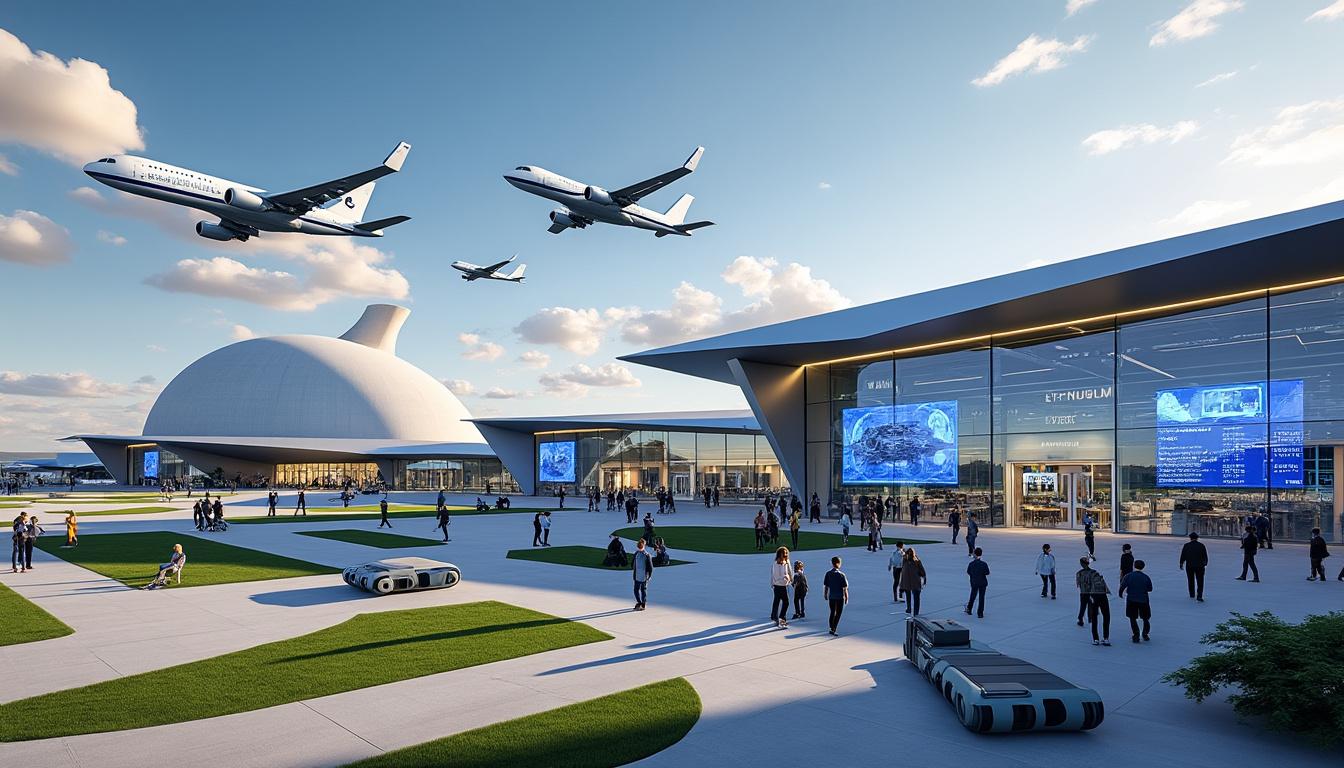
Design and Facilities: Features of the $38-40 Million High-Cost STEM Talent Development Complex
The proposed STEM Talent Development Complex, spanning over 90,000 square feet, is envisioned as a multifaceted educational and research environment tailored to foster hands-on learning, collaboration, and innovation. The facility’s funding, estimated between $38 and $40 million, will be channeled into creating top-tier resources that accommodate diverse age groups from elementary to high school students, amplifying STEM literacy and interest from an early stage.
Key components of the complex include:
- 🏫 State-of-the-art classrooms: Equipped with advanced digital teaching tools designed to support interactive and immersive learning experiences.
- 🧪 Specialized laboratories: Dedicated spaces for aerospace engineering, computer science, robotics, and other critical STEM disciplines, facilitating experimental and applied learning.
- 🏠 On-site dormitories: Providing residential opportunities to support extended programs and foster community engagement among students and visiting educators.
- 🤝 Multipurpose collaboration spaces: Designed to encourage teamwork, innovation challenges, and partnerships with industry professionals and military experts.
This infrastructure not only supports educational growth but also serves as a catalyst for stimulating creativity and problem-solving skills instrumental for future aerospace and defense roles. Experts foresee the complex as a springboard enabling participation in cutting-edge projects and enlarging the pipeline of STEM-educated talent ready to contribute to the evolving military technology landscape.
Mapping the Path to Workforce Development
One major goal of the complex is its integration with existing universities and aerospace industries in the Dayton region. This ensures students engage with real-world challenges through internships, mentorship programs, and hands-on aerospace projects. For example, nearby research labs focusing on innovations akin to those developed in Lockheed Martin’s hypersonics integration lab in Alabama serve as inspiration and potential partnership models.
The collaborative environment aims to produce graduates well-acquainted with airborne and space defense technologies—skills highly coveted in both civilian and military sectors. The ongoing partnerships with organizations such as Air Camp will provide structured pathways enabling students to transition seamlessly into aerospace and defense careers. This connectivity exemplifies strategic use of local assets to amplify investment outcomes.
Air Camp Inc.: Bridging Military Technology and STEM Education through a Public-Private Partnership
Central to the success of the facility’s mission is Air Camp Inc., an established organization since 2006 that harnesses Dayton’s aerospace heritage to spearhead STEM education programming. Their lease agreement with the US Air Force, securing 16 acres at Wright-Patterson with a favorable transition to a 50-year no-cost lease, is a testament to public-private collaboration fostering innovation.
Air Camp’s portfolio includes educational camps for various age groups, aerospace engineering competitions, and teacher training initiatives, all designed to stimulate talent early and sustain interest in aerospace careers. This new complex will serve as the permanent hub for these initiatives, consolidating programs that until now have been dispersed across local university campuses and other facilities.
This arrangement is significant because it aligns educational objectives directly with military and aerospace institutional priorities, creating a pipeline of skilled workers thoroughly familiar with advanced technologies used within the US Air Force. The facility’s co-location with the National Museum of the U.S. Air Force further inspires and contextualizes STEM learning by linking it to the Air Force’s technological evolution.
The ongoing efforts to secure a diversified funding mix from federal, state, local governments, and private donors highlight a forward-thinking approach to resource mobilization, reflecting the high cost and high value nature of the investment.
Operational and Strategic Benefits of Integrating Education with Defense Infrastructure
Embedding such a facility within Wright-Patterson strategically reinforces workforce resilience and innovation capacity directly on military grounds. Students benefit from access to cutting-edge military technology examples and exposure to defense operational standards. The synergy between the educational environment and operational military activities reduces the lag between innovation conception and deployment, enhancing defense readiness in an era characterized by rapid technological evolution.
This initiative also creates a replicable model for other military sites scouting for innovative ways to cultivate STEM talent essential for sustaining future aerospace and defense advancements. Initiatives like the recently expanded L3Harris Waco facility for the Skyraider II production demonstrate the growing trend toward integrating training, education, and production infrastructure within military technology sectors. Similar strategies will likely govern future site selections and facility investments across the US Air Force network.
Future Potential and Implications for Aerospace Innovation and National Security
The planned STEM Talent Development Complex is not merely an educational venture; it represents a strategic investment in the United States’ defense infrastructure and technological sovereignty. By fostering a robust pipeline of STEM talent deeply connected to aerospace and military technology, the facility underpins the country’s ability to innovate rapidly in response to global security challenges.
Considering international competition in hypersonics and advanced missile systems — areas highlighted in events such as hypersonics media day by Northrop Grumman — the importance of maintaining a skilled workforce is paramount. This facility complements other cutting-edge initiatives, such as the establishment of high-tech data centers and cyber integration labs at sites including Nellis Air Force Base, further consolidating the US Air Force’s technological edge.
Moreover, the facility enhances outreach to the regional community, fostering STEM awareness and making aerospace careers accessible to a broader demographic. Such inclusive strategies are critical in addressing skill shortages and promoting innovation that reflects diverse perspectives.
| 🏢 Facility Component | 🔧 Purpose | 🎯 Expected Outcome |
|---|---|---|
| Classrooms | Interactive digital learning environments | Enhanced student engagement and STEM comprehension |
| Laboratories | Hands-on aerospace and robotics experimentation | Skill acquisition in advanced technologies |
| Dormitories | Residential support for extended learning programs | Improved community building and focus |
| Collaboration Spaces | Networking and teamwork facilitation | Innovation acceleration and partnerships |
| Industry Linkages | Internships and mentorship connections | Seamless workforce integration |
By 2031, when completion is targeted, the facility is expected to establish a new standard for STEM educational facilities connected tightly to military technology development, ensuring national security and innovation capabilities remain unmatched globally.
Implementing Cutting-Edge Technology in Modern Military Educational Facilities
The facility’s design emphasizes incorporation of advanced technologies to create a dynamic, responsive learning environment. Innovative use of intelligent audio systems, interactive digital platforms, and real-time data analytics equip students and educators with tools that enhance understanding and collaboration.
These technologies align with trends in smart education, where audio tech and other innovations reduce barriers and improve accessibility, critical for broad engagement in STEM fields. Similar innovations can be seen in cultural and museum digital mediations, such as those described in Grupem’s guides for museums and tour organizers, ensuring technology serves the user rather than complicates the experience.
By investing in cutting-edge infrastructure and integrating emerging educational technologies, the facility prepares the STEM workforce not only for today’s aerospace challenges but also for the unpredictable demands of future military technology advancements.
Such efforts reflect an ongoing national recognition that maintaining technological superiority in defense depends heavily on education, workforce adaptability, and innovation infrastructure. Wright-Patterson’s commitment echoes similar expansions in facilities like VRC Metal Systems’ $1.56 million investment in aircraft maintenance technology at Barksdale Air Force Base, signaling a broader trend of high-tech, high-cost investments across defense sectors.
- 🚀 Encourage interactive learning strategies with advanced digital tools.
- 🎧 Incorporate intelligent audio for clearer communication in classroom and lab environments.
- 📊 Utilize real-time analytics platforms to monitor and optimize student outcomes.
- 🤖 Implement robotics and aerospace simulation modules for hands-on experience.
- 🌐 Foster accessibility for diverse student populations using adaptive tech solutions.
Integration of Education, Military Technology, and Community Engagement
Building a curriculum that simultaneously serves educational goals and military technological advancement requires deep collaboration between defense infrastructure experts, educators, and community leaders. This integration maximizes benefits for all parties by addressing workforce demands and providing practical, inspiring educational experiences.
For cultural and tourism professionals interested in related innovation, parallels can be drawn to the use of audio-guided tours and immersive technology in museums, such as those developed for the Betty Brinn Museum relocation or the Durham Light Infantry Museum. These real-world examples illustrate how technology bridges knowledge dissemination with user engagement—invaluable insight for integrating advanced tech into educational environments.
Such collaborations underscore the potential to inspire the next generation not just through textbooks but via authentic, technology-driven experiences closely aligned with actual industry and defense challenges. These experiences foster tangible skills and nurture enduring passion for aerospace innovation and military careers.
What makes Wright-Patterson Air Force Base an ideal location for this new facility?
Wright-Patterson Air Force Base uniquely combines historical aerospace significance, a strong STEM workforce, and proximity to leading aerospace industries, making it a strategic site for fostering innovation in military technology.
How will the facility support STEM students and the military?
By providing state-of-the-art classrooms, labs, and partnerships with local aerospace industries, the facility will train students developing skills highly relevant to military technology and defense infrastructure.
What role does Air Camp Inc. play in this project?
Air Camp Inc. acts as the bridge between education and the military by offering targeted STEM programs, managing the new facility’s lease, and ensuring long-term educational initiatives aligned with aerospace career paths.
How does this investment relate to other US Air Force technological developments?
This high-cost investment complements existing efforts such as Lockheed Martin’s hypersonics integration lab and the cyber integration lab at Nellis Air Force Base, all aimed at maintaining technological superiority.
When is the STEM Talent Development Complex expected to be operational?
Subject to successful funding, the facility aims for completion and operational readiness by 2031.
