
Conflict in the political arena is reshaping the landscape in 2026, as Donald Trump’s longstanding dominance faces unprecedented challenges. Emerging political powers are pushing to the forefront, leading to a palpable power shift within American politics. This transformation reflects deeper national divides and evolving leadership dynamics, marking a crucial period where the old order is being contested.
Peu de temps ? Voici l’essentiel à retenir :
✅ Trump’s influence on Capitol Hill Republicans is eroding as internal frustrations mount, especially regarding unresolved issues related to foreign policy and leadership style.
✅ New political actors and factions, including generational voices within the Democratic Party and splinter groups in the GOP, are asserting themselves, reshaping future power balances.
✅ Economic anxieties exacerbated by ongoing international conflicts are fueling populist sentiments that will heavily influence the 2028 presidential elections.
Trump’s Waning Leadership and Its Impact on National Politics
Donald Trump’s political trajectory over the past decade has been marked by a distinctive control over the Republican Party and a persistent influence over national discourse. However, recent developments highlight a weakening grip on his base and party structure. Notably, internal GOP frustrations have surfaced following his management—or perceived mismanagement—of the escalating conflict in Iran and the subsequent domestic repercussions.
Trump’s implementation of hardline immigration policies has drawn criticism, particularly as these approaches have intensified crises such as the significant backlog and delays at major airports, spotlighting administrative shortcomings. These tangible inconveniences feed into a broader sense of national malaise, which often disproportionately affects unpopular sitting presidents in midterm election cycles.
The erosion of Trump’s influence is further evidenced by polling data from 2026, where his approval ratings have fallen below the critical 40% threshold, a significant downturn compared to his previous electoral highs. Disapproval ratings hitting 60% underscore growing voter dissatisfaction and skepticism about his leadership, particularly his contradictory and often abrupt policy shifts.
In a dramatic instance, Trump abruptly suspended air strikes aimed at Iranian infrastructure, signaling inconsistent war aims and messaging. This has led to frustration not only among lawmakers but also across party lines, as clarity on military strategies, costs, and objectives remains elusive. Congressional leaders have openly voiced concerns about the lack of transparent communication, reflecting a deeper crisis in political leadership and trust.
The implications extend beyond politics, impacting electoral prospects and party cohesion. As Republicans reevaluate their strategies and allegiances, new leadership figures and factions are beginning to take shape, signaling a fracturing into competing visions for the future of the party and the country.
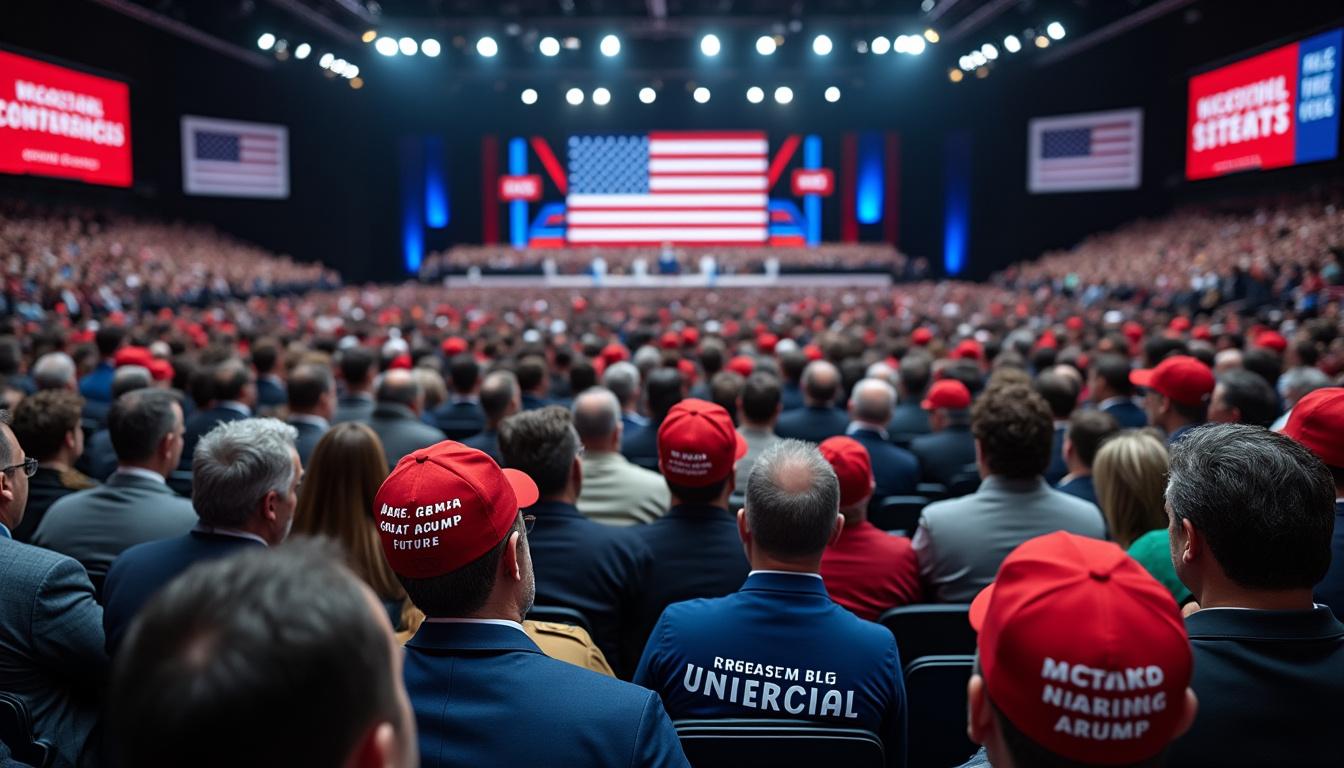
Emerging Political Powers: Generational Shifts and New Voices
The shifting political landscape is not solely characterized by the decline of a single figure but equally by the rise of new voices and influencers. The Democratic Party, having endured electoral setbacks previously, is increasingly shaped by a generational contest between established leadership and younger, progressive elements. This dynamic is visible in competitive primaries and internal debates over the party’s direction, programmatic priorities, and leadership.
For instance, the Senate race in Maine has become a microcosm of this tension, pitting establishment figures against populist progressives advocating for more radical reforms. Such contests indicate a broader realignment where political innovation is necessary to regain voter confidence and address pressing issues like economic inequality, housing affordability, and climate change.
Concurrently, within the GOP, the once-cohesive MAGA coalition is displaying signs of fragmentation. Divides over foreign policy, particularly the Iran crisis, and the direction of the party beyond Trump’s tenure have led to splinter groups competing for influence at major gatherings such as the Conservative Political Action Conference (CPAC). These fissures reveal uncertainty about which priorities and values will dominate the next phase of Republican politics.
This moment of fissure also presents opportunities for new leaders grounded in smart policy and community engagement to assert their platforms. Those adept at leveraging digital tools and innovative outreach methods—akin to the pioneering use of technology in modern museum exhibitions—may find renewed relevance in connecting with disenchanted voters.
Moreover, rising concerns about the societal impact of technology, especially regarding social media and artificial intelligence, are becoming focal points around which political power is being contested. The landmark ruling against major tech platforms for neglecting youth mental health issues introduces a compelling dimension for political discourse and regulation, hinting at how future leadership could evolve by addressing such existential concerns effectively.
Economic Pressures and Their Role in Shaping Political Influence
The economic context in 2026 serves as a critical backdrop for the ongoing political conflict and leadership erosion. Inflationary pressures, especially in essential sectors like food and housing, have intensified due to international instability, notably the Iran war. The Organization for Economic Cooperation and Development (OECD) projects inflation to rise above 4.0%, reversing previous forecasts and deepening financial anxiety across the American populace.
This inflationary surge challenges previous claims of economic stabilization made by Trump and his allies. The rising cost of living disproportionately impacts middle and lower-income families, thereby creating fertile ground for populist movements and alternative political proposals aiming to address affordability and economic justice directly.
Additionally, the federal government’s administrative shortcomings, including crises in the Department of Homeland Security and prolonged government shutdown risks, have compounded the perception of ineffective governance. Public patience wears thin when essential services are disrupted, and political leadership appears disconnected from the reality of everyday struggles.
To grasp the scope of the economic-political interface in 2026, it is useful to examine the following table illustrating key economic indicators alongside political approval ratings:
| 🔍 Indicator | 📈 Current Value | 📉 Trend (Past Year) | 📊 Political Impact |
|---|---|---|---|
| Inflation Rate | 4.2% | ⬆ Moderate rise due to geopolitical tensions | Fueling populist unrest, undermining economic confidence |
| Unemployment Rate | 3.8% | ⬇ Slight improvement but uneven across sectors | Mixed effects on voter sentiment |
| Presidential Approval | 38% | ⬇ Significant decline amid leadership criticism | Endangers party cohesion and electoral prospects |
| Government Shutdown Probability | Medium | ⬆ Rising tensions over budget and policies | Increasing public frustration with political gridlock |
Addressing these intertwined challenges requires political leadership to demonstrate both competence and empathy, qualities under considerable strain in the current climate. The coming years will test whether new political actors can leverage economic issues to establish stronger connections with voters and challenge the fading influence of entrenched leaders.
Repurposing Leadership in a Fragmented Political Era
As the political conflict escalates, leadership models are simultaneously being questioned and redefined. Trump’s singular style, marked by aggressive rhetoric and top-down control, contrasts sharply with emerging demands for transparent, accountable governance and inclusivity.
The evolving political environment demands leaders who not only manage crises effectively but can also articulate coherent visions addressing complex international and domestic issues—from military engagement to economic stability. The failure to offer clear strategies, especially regarding sensitive matters such as the Iran war, has diminished trust in Trump’s leadership and created openings for alternative power centers within Washington and beyond.
Moreover, these dynamics catalyze intra-party contests, as exemplified by Democrat Gov. Janet Mills’s primary challenge by progressive newcomer Graham Platner in Maine. Such struggles underscore an appetite for leadership that can unify disparate factions and appeal broadly to an electorate shaped by new social, economic, and technological realities.
The Republican Party’s own leadership challenges manifest in the retirements of 35 House GOP members signaling uncertainty about future directions. Additionally, discussions about Minority Leader Chuck Schumer’s performance point to a broader generational and ideological reckoning within the Democratic leadership structure.
Political leadership in 2026 is closely tied to embracing innovation and addressing pressing societal concerns responsibly. Analogous to the incorporation of AI voice technology in media and tourism sectors, political figures who employ cutting-edge communication tools transparently may better engage their constituents and rebuild fractured trust.
The Implications of Political Realignment for Future Governance
Emerging political powers taking center stage symbolize not only a shift in party dominance but also a transformation in governance approaches. The fracturing of established coalitions and rising populist sentiments suggest future administrations will need to be more adaptive, responsive, and technologically savvy.
From improving public service delivery to engaging with constituents through digital platforms, innovation will be critical to rebuild faith in democratic institutions. The tourism and cultural sectors provide instructive examples of how technology can modernize public engagement, as seen in efforts to transform museums through interactive and accessible experiences. These principles can be extended to political communication and policy transparency.
Key components of this future governance model include:
- 🔹 Enhanced transparency and accountability mechanisms to address citizen concerns effectively.
- 🔹 Utilization of smart digital tools to foster inclusivity and accessibility, much like advancements in smart tourism tools.
- 🔹 Adaptability to socio-economic shifts and global uncertainties.
- 🔹 Engagement with emerging demographic and ideological groups to build sustainable coalitions.
Such transformations will require political powers to move beyond zero-sum contestations towards constructive collaboration and innovation. Recognizing this, some political actors are already exploring platforms that align with credibility and emerging public demands.
Political watchers and professionals interested in the intersection of leadership and innovation might find it insightful to monitor developments similar to those seen in the arts and cultural domain. For example, the complex narratives and audience engagement strategies in major exhibitions offer lessons for communicating nuanced political agendas successfully (major exhibitions insights).
What factors are contributing to the decline of Trump’s political influence?
Multiple factors including dissatisfaction with his foreign policy approach, particularly the Iran war, internal GOP fracturing, and declining public approval have contributed to the erosion of Trump’s influence.
How are emerging political factions reshaping the Republican Party?
Splinter groups within the GOP, especially those divided over key policy issues like foreign conflicts and party direction post-Trump, are creating new power centers and raising questions about the party’s future.
What role does economic stability play in political power shifts?
Economic challenges, particularly rising inflation and housing costs, heighten public anxiety and demand leadership that addresses affordability. These issues are critical to voter sentiment and political legitimacy.
How are generational dynamics influencing the Democratic Party?
Younger progressive leaders are challenging established figures within the Democratic Party, seeking to redirect policies and reinvigorate voter engagement, reflecting wider generational and ideological shifts.
In what ways can technology influence future political leadership?
Technology, including AI and digital communication tools, offers new avenues for transparent engagement and constituency building, with parallels drawn from smart tourism innovations enhancing public experiences.
