
Short on time? Here’s what to remember:
✅ The Los Angeles cultural scene is set to transform with the highly anticipated expansions and innovative new museums.
✅ Innovative use of technology, including AI art and immersive exhibitions, reshape visitors’ engagement.
✅ Community-centric projects like the V&A East redefine accessibility and inclusivity in museum experiences.
Major Los Angeles Museum Debuts Elevate Art and Narrative Spaces in 2026
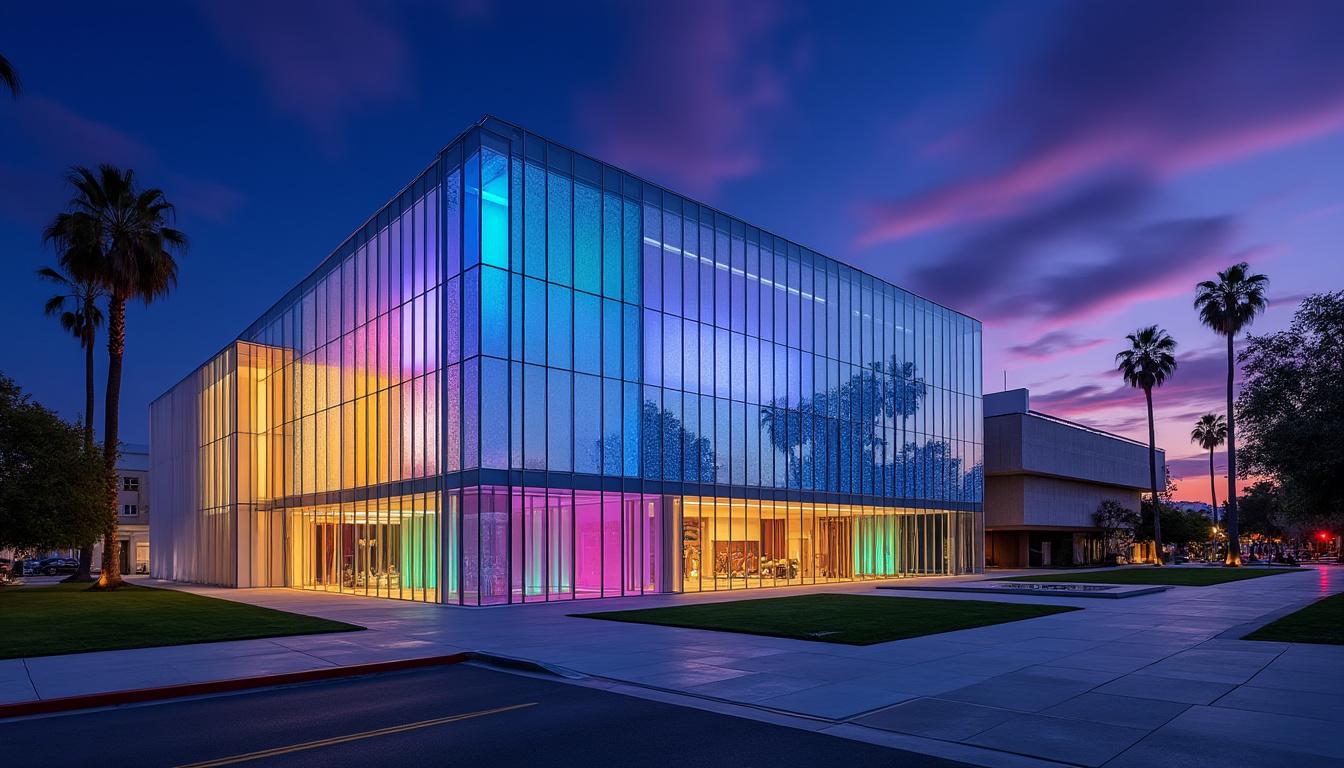
Los Angeles will be a pivotal destination for cultural enthusiasts in 2026, welcoming a trifecta of significant new museum unveilings and expansions. First, the Los Angeles County Museum of Art (LACMA) is doubling its gallery space with the opening of the David Geffen Galleries, designed by renowned architect Peter Zumthor. This expansion adds 110,000 square feet suspended over Wilshire Boulevard, promising an unparalleled spatial experience integrating a theatre, education spaces, dining options, and 3.5 acres of outdoor art environments. This state-of-the-art expansion exemplifies the trend in contemporary museum design — blending architecture and technology to enhance visitor immersion and participation.
Later in the year, the Lucas Museum of Narrative Art will debut on September 22nd in Exposition Park. Conceived by filmmaker George Lucas, this $1 billion project is a bold statement on storytelling through art. Its 300,000 square feet hosts over 30 galleries filled with diverse works, from Star Wars memorabilia and ancient sculptures to cutting-edge digital art and immersive prehistoric cave painting recreations. Its design by Ma Yansong of Mad Architects pushes architectural boundaries with futuristic curves and spaces, marking it as a landmark cultural institution that embraces both traditional and digital narrative arts.
Downtown Los Angeles will also introduce Dataland, a pioneering museum devoted exclusively to artworks created with artificial intelligence, devised by digital artist Refik Anadol. Situated within the Frank Gehry-designed Grand LA development, Dataland offers 20,000 square feet of exhibition space with visionary interior design by Gensler. It epitomizes the confluence of technology and art, showcasing data-driven installations that redefine aesthetic possibilities and visitor interaction with art. This museum will notably set a precedent in integrating AI as a creative partner rather than just a tool.
- 🎨 LACMA’s expansion nearly doubles exhibition spaces, enhancing art presentations and public programming.
- 🛸 Lucas Museum offers a unique blend of pop culture and high art, catering to diverse audiences.
- 🤖 Dataland exemplifies AI’s role in evolving contemporary art landscapes and visitor engagement.
These cultural investments highlight Los Angeles as a vital hub for both art aficionados and technology enthusiasts. They also demonstrate how contemporary museums embrace hybrid approaches — combining physical architecture, immersive experiences, and technological innovation to appeal to a broad spectrum of visitors.
Explore more about Los Angeles’ new museums and their role in the evolving art and culture sector.
Revolutionizing Access and Community in Museum Experiences: V&A East and Beyond
The cultural landscape in London also sees a significant milestone with the April opening of V&A East, an extension of the renowned Victoria and Albert Museum’s outreach into East London. This third venue in recent years aims at transforming the traditional museum model by enhancing inclusivity and representing historically underserved audiences. Its location by the 2012 Olympic Park represents a deliberate revitalization strategy, providing a cultural anchor in a dynamic community hub.
V&A East showcases over 500 objects from applied arts, design, performance, and fashion, with the opening exhibition dedicated to Black British music — reflecting a growing emphasis on diversity in museum curation. The monumental public sculpture by Thomas J. Price offers a striking visual symbol welcoming visitors. The project aligns with urban redevelopment goals and cultural democratization, making large-scale collections accessible without sacrificing quality or depth.
The museum leadership emphasizes community ownership and participatory engagement. Director Gus Casely-Hayford highlights how embedding the museum within local narratives reinforces ownership and relevance. This community-centric approach is supported by funding and partnerships, including the London Legacy Development Corporation’s substantial investment estimated at £1.1 billion for the entire project.
V&A East builds on the momentum created by the reimagined Young V&A and the V&A East Storehouse, collectively reinforcing the institution’s role in defining how museums should function in the 21st century — as inclusive, educational, and socially resonant spaces.
- 🏛️ Focus on applied and decorative arts expanding standard art collections.
- 🎶 Celebratory exhibitions that connect art with community identities, like Black British music.
- 🌍 Strategic location integrates culture with urban planning, leveraging post-Olympic regeneration.
Professionals aiming to modernize museum accessibility and engagement should observe the holistic model V&A manifests by connecting with its ongoing Cultural Events and exhibitions, showcasing innovative community ties.
Expansions of Regional Museums Enhancing Art and Visitor Experience
A significant expansion at the Crystal Bridges Museum of American Art in Bentonville, Arkansas, enriches the museum landscape beyond major metropolitan centers. Opening June 6th, the expansion increases gallery space by 50%, adding 114,000 square feet for exhibitions, public studios, cafés, and event venues. Designed by Safdie Architects — responsible for the original structure — the new addition highlights a seamless architectural dialogue between the old and new.
This expansion not only increases the museum’s physical footprint but diversifies programmatic offerings, featuring ceramics and digital art studios. These cater to public workshops and community gatherings within a “home-like lounge” atmosphere. Furthermore, the new outdoor children’s playscape designed by Bryan Hanes enhances family-friendly educational engagement, exemplifying museums’ evolving focus on accessibility and multi-generational appeal.
The timing coincides with the U.S. 250th anniversary celebrations of the Declaration of Independence, situating the expansion within a larger national context of cultural reflection and renewal. The integration of a medical school linking art and wellness on campus exemplifies cross-disciplinary innovation, merging art with health and community wellbeing.
| Feature 🏛️ | Details 📌 | Impact ⚡ |
|---|---|---|
| Gallery Space Increase | 50% more exhibition area (114,000 sq ft) | Allows larger, diverse displays; attracts more visitors |
| New Studios | Ceramics and digital art workshops | Enhances public participation and learning |
| Family Engagement | Outdoor playscape for kids | Encourages family visits and community bonds |
| Interdisciplinary Growth | Medical school campus integrating art and wellness | Innovative approach to holistic visitor experience |
Expansions like Crystal Bridges reinforce the value of regional museums not only as art repositories but as vibrant community centers and cultural educators. Awareness of such developments is crucial for tourism professionals preparing for diverse visitor expectations and engagement strategies.
Global Museum Innovations: Contemporary Art and Historical Preservation
Beyond the Americas and Europe, 2026 promises landmark openings that combine historical reverence with contemporary artistic innovation. For instance, the Tashkent Centre for Contemporary Art in Uzbekistan opens in a historically significant building restored from a 1912 tram depot and diesel station. Led by curator Sara Raza, whose background includes Guggenheim expertise and regional cultural curation, the Centre fosters local young curators and introduces Central Asian art to a global audience.
The architectural transformation by Studio KO harmoniously integrates modern gallery function with heritage preservation. This project exemplifies how museums can bridge past and present, strengthening cultural identity while expanding global art dialogues. This initiative is part of Uzbekistan’s broader artistic globalization effort under the government’s Art and Culture Development Foundation.
Meanwhile, the reopening of the Mosul Museum in Iraq stands as an emblematic act of post-conflict restoration and historical resilience. Shuttered since the Iraq War and later devastated by armed groups, the museum’s painstaking reconstruction involved international collaboration from institutions such as the World Monuments Fund and the Smithsonian Institution. Its reopening marks a significant cultural and symbolic milestone, reclaiming a vital part of Iraq’s heritage and offering a renewed platform for education and remembrance.
- 🏺 Tashkent CCA: youth empowerment and preservation through modern art lens.
- 🛠️ Mosul Museum: global cooperation in cultural restoration post-conflict.
- 🌏 These examples demonstrate museums’ power to foster peace, identity, and innovation.
In an increasingly interconnected world, the role of museums as centers of cultural diplomacy and innovation becomes paramount. These efforts closely align with evolving professional practices for stewardship and visitor inclusion.
New York City’s New Museums and Expansion: Curated Art Experiences for Diverse Audiences
New York City’s cultural offerings continue to expand with multiple museum openings that underscore diversity, narrative power, and modern exhibition strategies. Notable among these are the reimagined spaces for contemporary artists alongside historic collections, designed to complement iconic institutions like The Met and the Guggenheim.
These upcoming museums feature curated exhibitions integrating traditional artworks with multimedia installations and smart audio technology. This immersive approach to museum exhibits aligns with trends in smart tourism, offering visitors enriched narrative contexts accessible through mobile guides. For instance, integration with platforms such as advanced AI-powered audio guides enables personalized tours that enhance understanding and visitor engagement without complicating the experience.
Collaborations across exhibition creators, technologists, and cultural historians generate dynamic programming schedules unmatched elsewhere. The emphasis on inclusivity facilitates participation from diverse communities, connecting historical narratives, art galleries, and new contemporary voices.
- 🎭 Diverse exhibitions blending art history with new media.
- 📱 Enhanced visitor experience through smart audio technology and digital guides.
- 🌐 Museums as platforms for cultural dialogue and community involvement.
Stakeholders in cultural tourism and museum management will benefit from observing these initiatives as examples of efficiently merging technological innovation with art and cultural stewardship, evident in detailed previews available through resource hubs on New York’s museum debuts and related cultural landmarks and exhibition openings.
What are the key trends in museum design for 2026?
Museum designs emphasize immersive experiences, technological integration such as AI art, and community-centric programming to enhance accessibility and engagement.
How are new museums improving visitor accessibility?
Through inclusive exhibitions, interactive technology like smart audio guides, and participatory community spaces, museums are broadening outreach to diverse and underserved audiences.
Which new museums in 2026 focus on integrating technology with art?
Dataland in Los Angeles exemplifies the integration of AI and digital art, while several museums are incorporating immersive multimedia exhibits supported by smart tourism technologies.
What role do regional museums play in the 2026 landscape?
Expansions like Crystal Bridges highlight the importance of regional museums as community cultural hubs that combine art education, wellness, and multi-generational engagement.
How is cultural restoration reflected in museum reopenings?
Museums like Mosul demonstrate the power of international collaboration in preserving and reopening cultural treasures after conflict, bridging history with present-day education.
