
Short on time? Here is what matters most:
✅ The timing of tides drastically influences the discovery and preservation of extraordinary artifacts along shorelines.
✅ Innovative exhibitions can transform seemingly mundane washed-up treasures into powerful lessons on environmental awareness and cultural heritage.
✅ Integrating interactive technology enhances visitor engagement and deepens understanding of tidal phenomena and historical narratives.
Uncovering the Rich Cultural and Historical Significance of Tidal Treasures
The intriguing relationship between tidal activity and the discovery of artifacts has long fascinated historians and cultural preservationists alike. Coastal tides act as natural curators, revealing hidden objects that tell stories of bygone eras and local environments. Museums dedicated to these tidal treasures offer visitors the chance to connect intimately with history, as the ebb and flow of the sea continuously deliver relics that might otherwise remain undiscovered.
One remarkable example is the Plum Island Museum of Lost Toys & Curiosities near Massachusetts, which curates an eclectic collection of relics washed ashore over decades. The museum’s founder, Corinn Flaherty, was inspired by a 1940s doll head she found buried upright in ice during the harsh winter of 2015. This evocative artifact sparked a decade-long journey into the world of maritime flotsam, culminating in an exhibition that mixes poignant stories with tangible reminders of human consumption and environmental waste.
Visitors at such museums not only witness quirky remnants like squirt guns and vintage toys but also confronted with timeless lessons about sustainability and cultural memory. These items, though ordinary at first glance, become invaluable artifacts by virtue of their context and the stories they silently tell.
Across other coastal museums, similar initiatives emphasize the importance of preserving these historical artefacts and highlight how timing the tidal cycle is critical for maximizing discoveries. Understanding how gravitational forces from the moon and sun create fluctuations in the marine environment allows both professionals and enthusiasts to plan visits or expeditions more effectively. These timed explorations yield higher chances of unearthing unique objects, from colonial-era clay pipes to early electronic devices like rotary telephones and vintage Nintendo Game Boys.
By rooting exhibitions firmly in the natural rhythms of coastal geography, museums create authentic narratives that bind environmental science with human history, thereby enriching educational outcomes.
Enhancing Visitor Engagement Through Smart Audio and Interactive Technologies
Museums presenting tidal treasures must navigate the challenge of translating a diverse and sometimes overwhelming collection of artifacts into coherent, compelling visitor experiences. In 2025, the integration of smart audio guides and interactive technology has become indispensable for cultural institutions seeking to modernize their approach without compromising accessibility.
Advanced mobile applications—like Grupem—convert smartphones into professional-grade audio guides, offering contextualized narratives that deepen appreciation for tidal treasures. These digital tools provide layered storytelling: visitors can explore technical explanations of tidal mechanics, personal anecdotes from collectors, or environmental campaigns related to the artifacts—all at their own pace.
For instance, the Beaches Museum’s permanent exhibit “Tidal Shift” utilizes dynamic audio and visual elements triggered by geographical coordinates within the museum space, fostering an immersive atmosphere. Integrating real-time tidal data from sources such as NOAA, as seen in exhibits like “Tidal Memory” at the Exploratorium, reinforces the connection between displayed artifacts and ongoing natural phenomena.
Interactive touchscreens, AR overlays, and QR-coded panels further amplify engagement by offering supplemental content—like videos showing historical footage, expert interviews, or 3D reconstructions of artifact origins. These technological advancements not only enhance accessibility to diverse visitor profiles but also align perfectly with modern educational standards focused on active learning.
For museums aiming to replicate this success, embedding such smart audio solutions is both a practical and affordable strategy to elevate exhibition quality and visitor satisfaction.
Environmental Impact and Conservation Messages Embedded in Tidal Exhibitions
Tidal artifacts do more than recount history; they also serve as poignant reminders of environmental challenges, especially those related to marine pollution and sustainability. The Plum Island Museum notably turns everyday washed-up plastics and debris into cautionary symbols against unchecked consumption and wastefulness.
The message is subtle yet powerful: objects like deformed doll parts, shotgun shells, or synthetic toys testify to the persistence of human-made materials in natural ecosystems. These items persist long after their original purpose fades, prompting important questions about material choice and biodegradability. Visitors frequently encounter displays contrasting colonial-era ceramic pipes and wooden implements with modern plastics, illuminating the drastic shift in material culture and its consequences for ocean health.
Presenting this information within the engaging framework of tidal discoveries invites reflection without preaching. For example, the dialogue around commonly found shotgun shells made of non-biodegradable plastics presents an opening for advocacy and informed discussion about manufacturing alternatives. Such opportunities align well with programs that museums can easily implement in collaboration with local communities and environmental organizations.
The educational value is evidenced by visitors’ reactions; many report re-evaluating their choices regarding holiday shopping or everyday product use, motivated by vivid examples of persistent waste washing ashore. This intersection of culture, environment, and education transforms exhibitions into actionable spaces fostering awareness and responsibility.
Museums which embed environmental lessons taken from tidal treasures offer a template for institutions worldwide striving to integrate sustainability into their programming.
Best Practices for Organizing and Curating Tidal Treasure Exhibitions
Organizing an exhibition centered on tidal finds requires thoughtful curation to balance visual intrigue with educational depth. Successful curators combine scientific accuracy, historical context, and artistic presentation—resulting in an engaging and informative experience for diverse audiences.
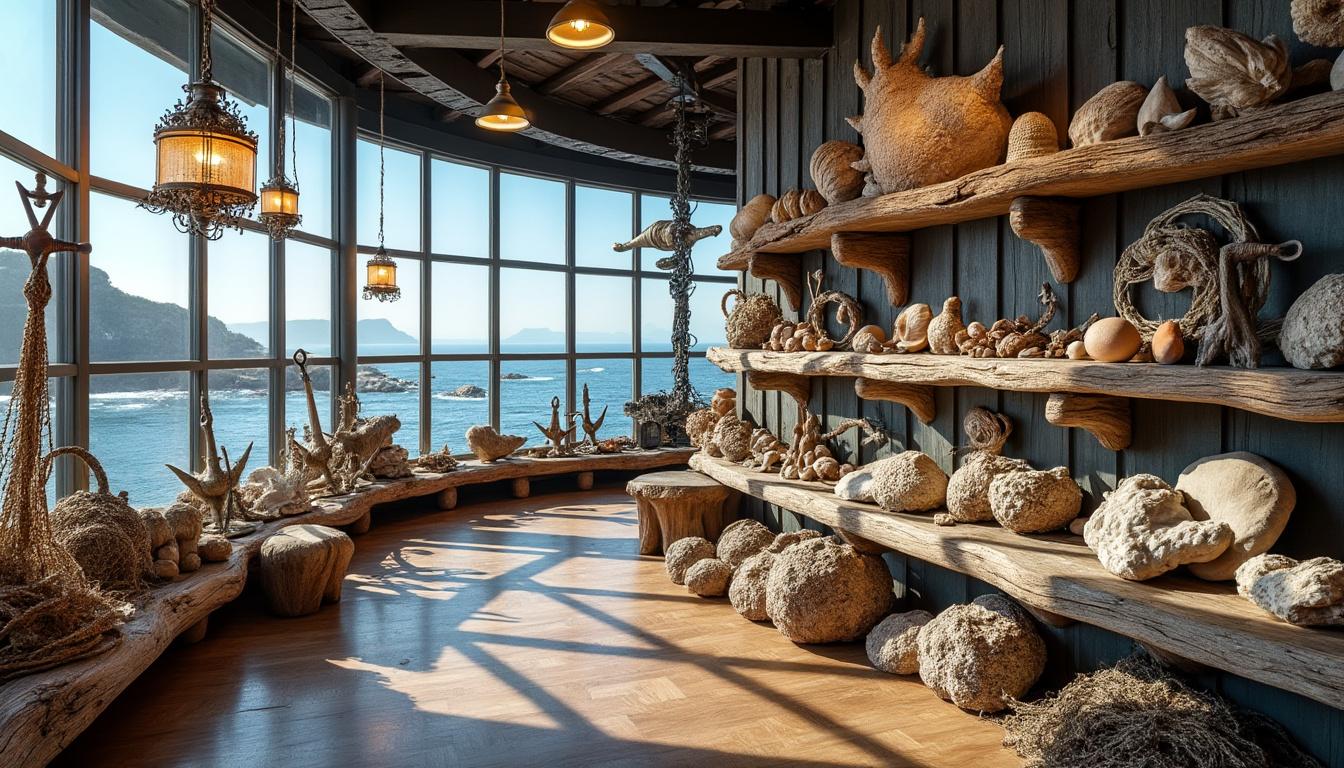
Among the key strategies is leveraging natural materials to create displays that reinforce the connection between artifacts and their environment. At the Plum Island Museum, driftwood shelves and woven wall hangings made from beach debris exemplify this approach, turning raw materials into visually compelling and context-rich exhibits.
Additionally, curators often exploit storytelling techniques by grouping related artifacts to evoke imagined narratives. For example, dolls posed together to suggest companionship or loss bring an emotional dimension, transforming inert objects into living stories. This enhances visitor empathy while emphasizing the cultural importance of preservation.
Implementing interpretative signage that encourages questions rather than dictating answers motivates visitors to engage critically with the material. Clear, concise explanations about the tidal forces responsible for artifact delivery support this exploration, and tables with data on tidal heights, timelines, and artifact provenance create a solid factual backbone.
The following table summarizes curation elements beneficial to tidal exhibitions:
| 🖼️ Curation Aspect | 📚 Educational Purpose | 🎨 Visitor Experience |
|---|---|---|
| Use of Natural Display Materials | Emphasizes environmental context | Builds authenticity and visual intrigue |
| Storytelling Groupings of Artifacts | Fosters emotional connection | Engages visitors’ imagination |
| Interactive Interpretative Panels | Supports active learning | Encourages visitor participation |
| Incorporation of Real-Time Data | Links exhibitions to natural rhythms | Reinforces relevance and currency |
Institutions might explore collaboration with local artists and scientists to inject interdisciplinarity, expanding both scope and appeal. For inspiration, the Museum of Coastal Carolina and Ingram Planetarium’s tidal treasure workshops provide exemplary models of engaging visitor involvement through creative activities.
How Tidal Museums Influence Cultural Preservation and Community Awareness
Museums dedicated to tidal treasures occupy a crucial position at the intersection of cultural preservation and environmental stewardship. By showcasing artifacts shaped by natural forces and human history, these institutions act as custodians of heritage and educators for present and future generations.
They contribute to regional identity by preserving objects that reveal past livelihoods, trade, and recreational habits associated with coastal communities. For example, colonial shoe forms and factory remnants displayed in Massachusetts anchor local history while connecting to wider narratives of industrial development and migration.
Moreover, tidal museums serve as hubs for community engagement. Special events such as the Museum of Christian Art’s “Tidal Treasures” marine animal sculpting workshops illustrate how exhibitions can extend educational reach beyond static displays. Such activities foster creativity and raise awareness about coastal ecosystems.
Furthermore, public programming that highlights tidal phenomena also brings attention to the mysterious tidal islands and their role in cultural lore and natural balance. By drawing visitors into the dynamic rhythms of tides and the hidden treasures they reveal, museums play a pivotal part in sustaining multi-layered knowledge.
The continued expansion of these museums, supported by digital storytelling and interactive technology, solidly positions them as timeless educational platforms for exploring the relationship between humans and their environment.
What defines tidal treasures in a museum context?
Tidal treasures are artifacts and items uncovered or deposited along shorelines due to tidal movements. They often include cultural relics, environmental debris, and historical objects that narrate human interaction with coastal areas.
How do museums use technology to enhance tidal treasure exhibitions?
Museums employ smart audio guides, interactive displays, real-time tidal data integration, and augmented reality to create immersive and educational visitor experiences.
Why are tidal treasures important for environmental education?
They offer tangible evidence of the impact of human activity on marine ecosystems, highlighting issues such as plastic pollution and encouraging sustainable practices through relatable narratives.
What are best practices for displaying tidal treasures?
Using natural materials for displays, grouping items to tell stories, offering interactive interpretation, and incorporating scientific data are key strategies for effective exhibitions.
How do tidal museums contribute to community engagement?
By hosting workshops, educational programs, and cultural events, tidal museums foster local awareness of heritage and encourage stewardship of coastal environments.
