
Peu de temps ? Voici l’essentiel à retenir :
✅ The rediscovery of Georges de La Tour’s “The Dice Players” highlights the impact of meticulous art preservation and cataloguing.
✅ Engaging Art Exhibitions enhance Museum Collection exposure and contribute to Cultural Heritage appreciation.
✅ Avoid overlooking significant artworks in storage; periodic audits are critical for Art Rediscovery and Preservation.
How “The Dice Players” Redefines Stockton Museum’s Historical Art Landscape
Stockton Museum recently unveiled a remarkable chapter in its collection with the return of the 17th-century masterpiece The Dice Players, painted circa 1650 by the French Baroque painter Georges de La Tour. This artwork, once a hidden treasure stored away in the museum’s attic for decades, exemplifies a true case of HiddenTreasures rekindling public attention and academic interest in a long-forgotten gem within the StocktonMuseum cultural holdings.
The painting’s narrative goes beyond its creation: bequeathed to Stockton in the 1930s by Annie Elizabeth Clephan as a tribute to her father, Edwin, the artwork’s significance remained unnoticed until 1972. A routine valuation revealed its identity when Christopher Wood, an expert from Christie’s, identified the piece as de La Tour’s “Throwing the Dice.” This discovery is a testament to the importance of regular collections evaluation in Museums and highlights the profound value of systematic audits in revealing hidden facets of historical art.
The subject matter of the painting captures an intense moment — a candlelit game of chance. Despite the absence of the physical candle in the scene, de La Tour’s masterful use of chiaroscuro casts a warm, intimate glow illuminating the faces and armour of the players, encapsulating the tension and drama of the moment. This painterly technique is a quintessential example of Baroque mastery, enhancing the atmosphere with striking contrasts of light and shadow.
The return of this piece from a prestigious international loan to the Jacquemart-André Museum in Paris further reaffirmed its status within the global art community and positioned Stockton as a key repository of significant European art outside major metropolitan museums.
From a curatorial perspective, this event introduces renewed focus on the value of ArtRestoration and ArtPreservation, demonstrating how even minor conservation efforts — such as color treatment on the frame carried out by specialists upon its return — can meaningfully extend an artwork’s lifespan and enhance visitor experience.
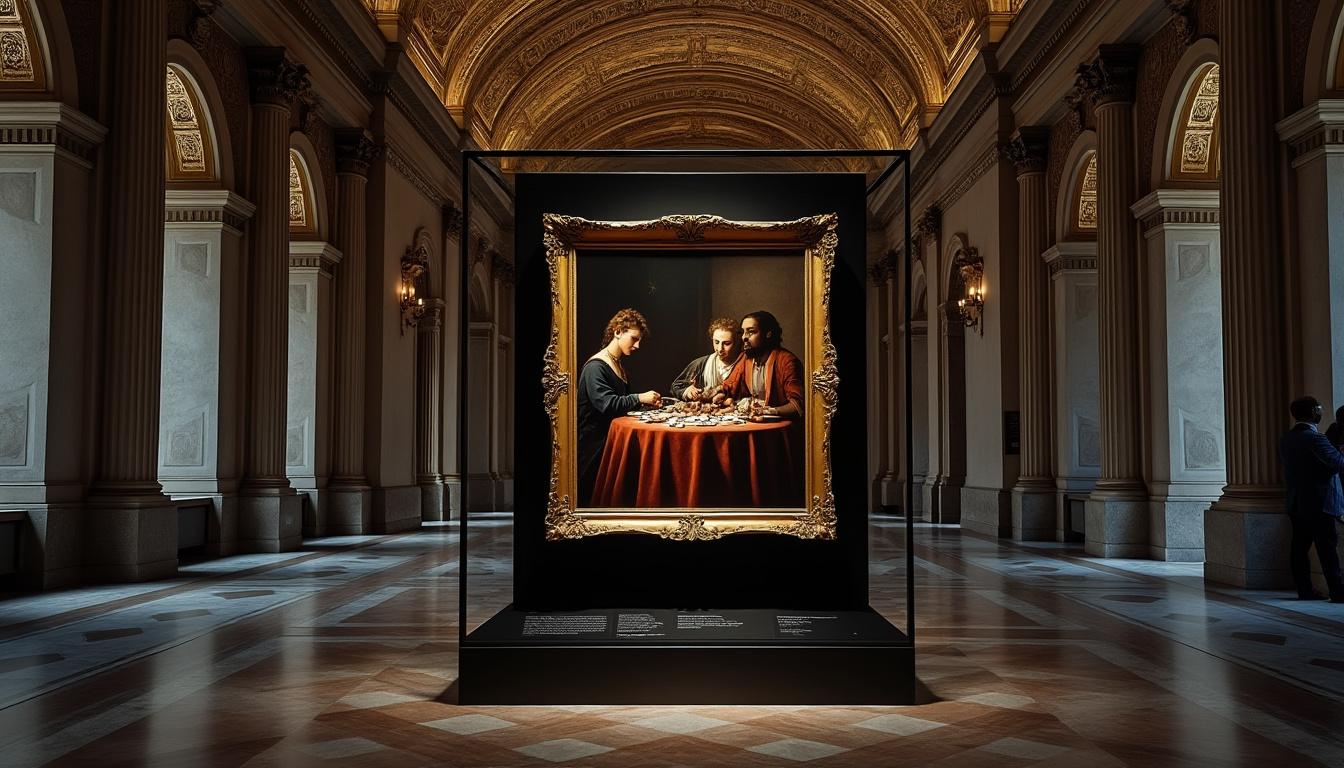
The Role of Art Rediscovery in Enriching Museum Collection and Cultural Heritage
The journey of “The Dice Players” from storage obscurity into the limelight exemplifies the dynamic nature of museum collections and their role in CulturalHeritage. This transformation underscores essential principles for museum professionals and cultural custodians worldwide.
Artworks sometimes become dormant in institutional archives due to inadequate documentation or lack of awareness. Such occurrences risk depriving communities of access to cultural narratives pivotal for societal identity. Stockton’s experience demonstrates how initial oversight can transition into celebrated prominence, enriching public knowledge and deepening cultural dialogue.
Furthermore, loaning artworks to international museums boosts visibility, facilitating cross-cultural exchanges and scholarship. While “The Dice Players” was on loan to Paris, it attracted international attention, complementing the museum’s efforts to raise the profile of Stockton’s collections beyond local boundaries. Such collaborations enhance the global stature of regional museums and demonstrate the importance of visibility in achieving cultural resonance.
Periodic reappraisals and digital cataloguing technologies contribute significantly to uncovering similar long-lost treasures. Innovations in museum management software and image recognition tools are increasingly instrumental in accelerating ArtRediscovery projects, promoting accessibility and research friendliness — a development aligned with emerging trends in art history and smart museum tourism.
Consequently, institutions like Stockton Museum must integrate proactive strategies encompassing both physical conservation and digital asset management to sustain relevance and stimulate visitor engagement.
Integrating Technology for Enhanced Visitor Experiences at Stockton Museum
The return of a masterpiece of this caliber invites reflection on the contemporary tools used to optimize visitor engagement with HistoricalArt. Incorporating state-of-the-art audio technologies and digital guides can significantly elevate the museum experience, making art more accessible and informative, particularly for diverse audiences including non-specialists and international visitors.
At the intersection of Smart Tourism and museum digitisation, applications such as Grupem stand as exemplary solutions. By transforming smartphones into professional audio guides, Grupem enables museums like Stockton to curate tailored visit experiences, integrating rich narrative layers about artworks like “The Dice Players” and contextualizing them within broader historical frameworks.
This technology not only enriches onsite visits but also facilitates hybrid and virtual engagement models, crucial in the evolving landscape of cultural tourism. Using GPS-triggered content, interactive storytelling, and multilingual support, visitors receive an immersive understanding that bridges the gap between the artwork’s historical context and contemporary relevance.
Engagement metrics from similar institutions utilizing smart audio tours confirm enhanced visitor satisfaction and longer dwell times around key exhibits. For example, the Haggin Museum, a noted arts institution in Northern California, offers refined experiences by partnering with digital guides, which have boosted attendance and deepened educational outcomes. Explore further insights at Haggin Museum’s rich collection and programs.
Best Practices in Art Collection Management and Conservation Highlighted by Stockton’s Example
The “The Dice Players” story elucidates key methodologies in managing a museum’s art assets, stressing the necessity of meticulous cataloguing, regular audits, and dedicated conservation initiatives to maintain collection integrity.
Outlined below are foundational practices relevant for museum professionals aiming to safeguard long-term heritage assets:
- 🖼️ Regular Inventory Verification: Scheduled physical inspections and cross-checking with database records minimize misplacements.
- 🔧 Conservation Collaboration: Engage specialist conservators to perform targeted restorative interventions without compromising original materials.
- 📚 Documentation and Provenance Research: Detailed archival work often uncovers essential historical context and elevates an artwork’s cultural value.
- 🌍 International Loan Management: Systems ensuring safe transport, insurance, and exhibition conditions protect artworks whilst expanding their audience reach.
- 🔍 Leveraging Technology for Digital Catalogues: Employ RFID, QR codes, and digital imaging to facilitate art object tracking and improve access for scholars.
Such practices contribute not only to physical preservation but also to bolstering institutional narratives that resonate with visitors and stakeholders alike. Below is a summary table encapsulating these measures:
| 🗂️ Practice | 🎯 Purpose | 🔑 Benefits for Museums |
|---|---|---|
| Regular Inventory Verification | Ensure collection accuracy and prevent loss | Improved asset control and opportunity for rediscovery |
| Conservation Collaboration | Preserve art condition and extend lifespan | Enhanced visual appeal and longevity |
| Documentation and Provenance | Establish artwork history and authenticity | Increased scholarly and public engagement |
| International Loan Management | Broaden artwork exposure safely | Raised museum profile and cultural diplomacy |
| Technology Integration for Cataloguing | Streamline records and visitor interaction | Improved efficiency and accessibility |
How Art Exhibitions and Collaborations Foster Audience Growth and Cultural Dialogue
Exhibitions play a crucial role in promoting artworks and engaging communities, particularly when showcasing pieces recovered after long fades into obscurity. Stockton Museum’s decision to reintroduce The Dice Players aligns with strategic exhibition principles designed to cultivate sustained cultural interest.
Key elements contributing to successful exhibition programming include:
- ✨ Thematic Storytelling: Framing artworks within compelling narratives for deeper visitor connection.
- 🌐 Collaborative Partnerships: Engaging with international museums and cultural institutions to share collections and audiences.
- 🎤 Interactive and Multimedia Displays: Utilizing audio guides, video installations, and augmented reality to enrich understanding.
- 👥 Educational Outreach: Aligning exhibitions with learning programs for schools and community groups.
- 📣 Digital Marketing and Social Media: Leveraging online platforms to widen reach and visibility.
Stockton’s experience echoes the outcomes in other notable museums, such as the renowned Haggin Museum in Northern California, where focused exhibition strategies have enhanced local tourism and artistic reputation. Such practices highlight the synergy between ArtExhibition and community enrichment, sustaining museum viability in competitive cultural markets.
This video presents an in-depth analysis of the artwork’s artistic attributes and historical context, contributing to a richer visitor appreciation.
Discover the multifaceted approach taken by Stockton-area museums in combining art, history, and innovative visitor experiences.
What makes ‘The Dice Players’ painting significant in art history?
The painting is a prime example of Georges de La Tour’s skillful use of chiaroscuro and dramatic light effects, typical of the Baroque era. It captures a tense, intimate moment that highlights human emotion and interaction, marking it as a vital piece of 17th-century French art.
How did Stockton Museum discover the importance of this artwork?
In 1972, a routine valuation by Christopher Wood of Christie’s identified the painting as a significant work by Georges de La Tour, after it had been stored unnoticed in the museum’s attic for decades, igniting interest and fully integrating it into public display.
Why is art restoration important for long-lost artworks?
Restoration ensures the longevity and visual integrity of artworks, allowing the public to experience them as intended by the artist. It also aids in the preservation of historical and cultural narratives embedded in the pieces.
How do modern technologies improve museum visitor experiences?
Digital audio guides, interactive apps, and augmented reality enhance engagement by providing contextual information and immersive storytelling, making exhibits more accessible and appealing to a diverse audience.
