
Few moments in archaeological history match the thrill of uncovering preserved fragments of ancient urban life. The recent discovery beneath the MiQua Jewish Museum in Cologne is a testimony to such excitement. This exceptional finding brings into focus a well-preserved Roman staircase dating back to the first century and a uniquely significant lararium—a private Roman household altar that until now remained unparalleled north of the Alps.
Peu de temps ? Voici l’essentiel à retenir :
- ✅ Rare Roman architectural elements uncovered beneath Cologne’s historic centre
- ✅ Insights into Roman domestic religious practices via an unprecedented lararium find
- ✅ Innovative preservation methods and smart museum integration enhancing visitor experience
Unveiling the Roman Staircase: Architectural Ingenuity and Historical Significance
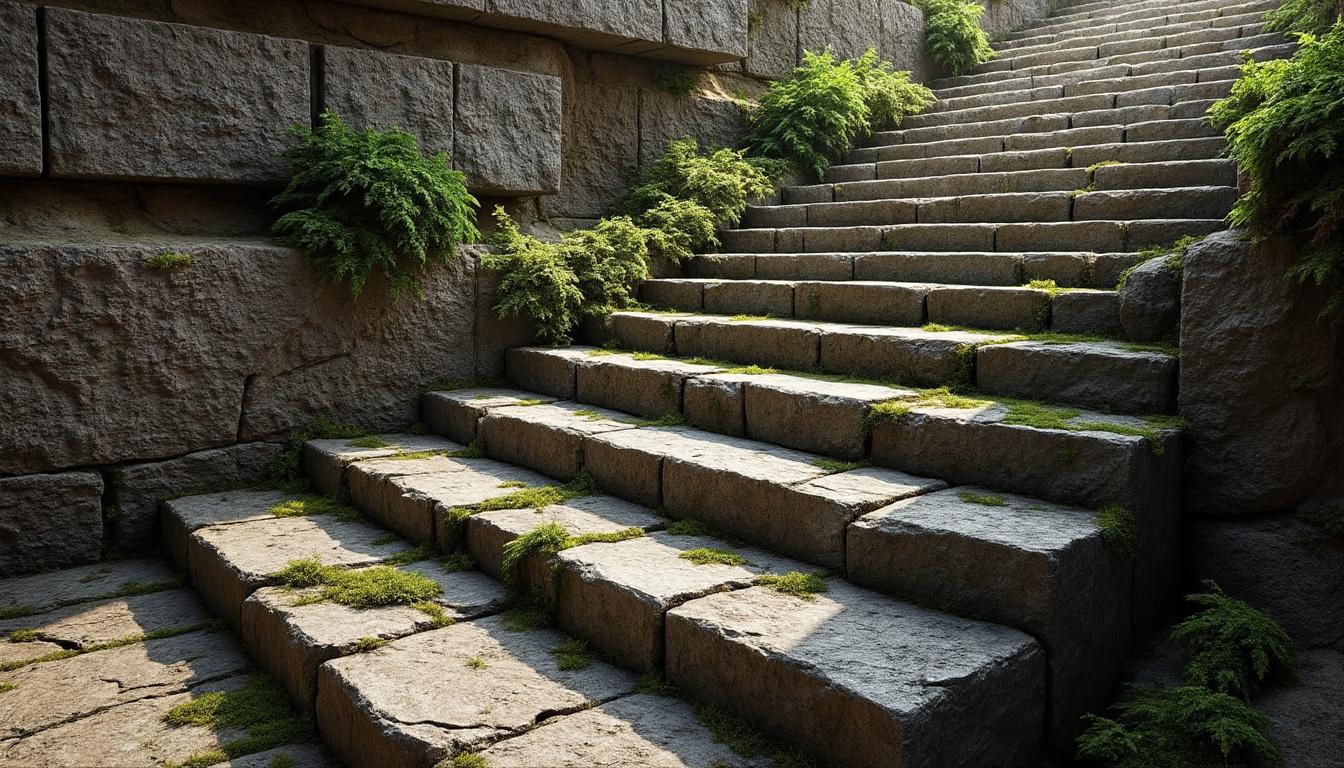
During construction work for the MiQua Jewish Museum, archaeologists exposed an extraordinary Roman staircase dating to the late 1st century CE. This staircase is not merely a structural remnant but a window into the spatial logic of Roman Cologne, or Colonia Claudia Ara Agrippinensium. Generally, staircases rarely withstand the ravages of time in urban archaeological contexts, especially as political and civil upheavals lead to extensive quarrying and redevelopment. However, this staircase’s remarkable state of preservation owes much to unique topographic and depositional conditions.
Positioned near the Rhine’s former steep banks, the praetorium — the provincial governor’s residence — required architectural adaptations to the terrain. The stone staircase linked upper quarters of the governor’s palace with lower terraces closer to the river, reflecting a sophisticated integration of landscape and building use. Despite the uncertainty regarding the entire route’s start and end, the surviving segments clearly illustrate how daily movements within the praetorium were adapted to the topography and functional needs.
This architectural feature also highlights a practical aspect of Roman engineering. Stone stairs in Cologne often did not survive because later medieval and modern constructions favored recycling building materials. But here, an early burial under Roman backfill preserved the staircase from dismantling or stone robbing. This rare survival enriches our understanding of Roman urban planning and elite domestic life in northern Europe.
| 🔹 Roman Staircase Feature | 🔹 Description |
|---|---|
| Material Composition | Stone steps adapted to gradient variations aligned with the Rhine bank slope |
| Function | Connects upper praetorium sections to lower riverside areas |
| Preservation Factor | Sealed beneath Roman backfill, preventing later reuse |
| Chronology | Late 1st century CE |
The significance of this rare find was also covered in media such as a detailed report by MSN, spotlighting the exceptional state of preservation and context. This discovery adds an invaluable chapter to Cologne’s rich Roman heritage and demonstrates the value of integrating archaeological research in modern urban development projects.
The Unique Lararium: A Window into Roman Religious Practices in Cologne
Closer examination of a second-century room within the praetorium complex led archaeologists to uncover a lararium, a household altar dedicated to the Lares—the protective spirits revered in Roman daily life. This find is particularly remarkable because examples of such altars are predominantly found in Mediterranean sites like Pompeii, making this one the first of its kind discovered north of the Alps.
The lararium was embedded within a wall niche and retains traces of original painted plaster. Observers can infer the ritualistic importance of this feature through tactile evidence: nail holes above and around the niche once held garlands or ribbons used in offerings. A noticeable break line beneath marks where an altar plate, now recovered and slated for reinstatement, once rested to receive libations and food offerings during family worship ceremonies.
Architectural details around the niche point to a framed decorative element that focused attention on the altar, emphasizing its spiritual and domestic significance. This find illuminates not only religious practices but also socio-cultural dimensions of Roman provincial life in Cologne. It raises fascinating questions about the intersection of Jewish heritage and Roman customs in the city’s intricate historical mosaic.
Such an exclusive discovery is thoroughly analyzed in publications like ArkeoNews, which highlights the altar’s importance in expanding the narrative of religious expression outside the Roman heartlands.
Key attributes of the Lararium setting in the praetorium:
- 🛡️ Wall niche with original pigment traces
- 🛐 Evidence of ritual garlands and offerings
- 🎨 Architecturally framed to emphasize spiritual focus
- 🔧 Restored altar plate recovered for exhibition purposes
Exceptional Preservation and Construction Techniques Behind the 4th Century Basilica Apse
Another monumental element revealed beneath the MiQua museum construction site is a basilica apse from the 4th century built on the praetorium grounds. This structure highlights an advanced late Roman building technique rarely encountered in Cologne. Unlike typical Roman concrete foundations, the apse’s masonry was crafted with alternating layers of tuff, basalt, and limestone coursed precisely and bonded with a dense mortar containing crushed brick and gravel, forming a remarkably durable structural mass.
This ingenious composition contributed significantly to the building’s conservation through centuries. Later, Late Roman workers raised the site’s ground level by depositing earth extensively to modify the Rhine riverbank’s natural slope. This major backfill acted as a protective seal, shielding the basilica’s lower foundations from destruction, as subsequent generations built above.
The implications for conservation are twofold: firstly, the mortar and stone layering technique exemplifies the prowess of Roman engineering; secondly, natural and human-made landscape modifications synergized to ensure the survival of this historical artifact. Such findings are pivotal for professionals involved in cultural preservation and urban archaeology, providing guidance for current conservation methodologies.
| 🏛️ Basilica Apse Feature | 🏛️ Description |
|---|---|
| Construction Materials | Tuff, basalt, limestone layered in regular courses |
| Binding Mortar | Dense mix with crushed brick and gravel, providing durability |
| Preservation Mechanism | Sealed by Late Roman earth backfill adjusting riverbank topography |
| Chronology | 4th century CE |
The Role of Smart Technologies in Presenting Archaeological Discoveries at MiQua
As the MiQua Jewish Museum opens pathways underground to showcase these invaluable artifacts—the rare Roman staircase, the unique lararium, and the basilica’s foundation—smart tourism approaches become essential to enhancing visitor engagement and accessibility.
With advances in audio guide technologies, including platforms such as Grupem, museums can now offer layered narratives triggered by precise location data. This vastly improves comprehension of complicated architectural sites. Visitors can hear firsthand analyses, interactive reconstructions, and contextual stories without disrupting other attendees or requiring bulky equipment.
Several strategies for integrating digital solutions in archaeological sites serve as effective models:
- 🎧 Location-triggered audio guides automatically narrating site history
- 📱 Mobile apps enabling personalization and multilingual content
- 🔍 Augmented reality overlays illustrating original site appearance
- 🖼️ QR codes providing access to archival images and 3D models
- 📊 Visitor data analytics helping refine tour design and flow
Applying these technologies at the MiQua location aligns with the museum’s dual mission: honoring Jewish heritage and preserving Roman-era historical artifacts. Incorporating high-tech solutions increases accessibility for varied audiences, including those with sensory impairments, and streamlines the physical logistics of exploring subterranean archaeological remnants beneath a bustling city center.
Integrating Archaeological Discoveries into Cologne’s Cultural Identity and Tourism Strategy
The uncovering of this archaeological discovery directly beneath Cologne’s central square exemplifies the layered complexity of the city’s past. The convergence of Roman authority, late antique architectural innovation, and religious practices within one location provides a unique cultural narrative to captivate visitors and foster deeper respect for the city’s long heritage.
From a tourism and cultural management perspective, incorporating these finds into the MiQua museum’s visitor experience opens pathways for multidisciplinary learning and immersive engagement. This is crucial for evolving museum strategies focused on making history tangible and relevant.
Strategies to maximize this opportunity include:
- 📅 Organizing guided tours emphasizing the newly uncovered Roman staircase and lararium
- 🎓 Developing educational material targeting schools and universities based on these discoveries
- 🤝 Collaborating with local Jewish communities to highlight intersections of Jewish heritage and Roman history
- 💡 Promoting Cologne as a hub of cultural preservation and innovative smart tourism
- 🌐 Leveraging digital resources to engage international visitors before, during, and after their visit
Inclusion of these discoveries fuels Cologne’s competitive edge as a city where ancient history is visible beneath modern vibrancy. This synergy enhances the visitor experience, broadens interpretive narratives, and supports sustainable cultural tourism development. Detailed coverage by NewsDirectory3 confirms the find’s profound impact on European archaeology.
What makes the Roman staircase found in Cologne so rare?
The Roman staircase is exceptionally rare due to its preservation state, its integration with the natural terrain, and the fact that staircases from this period seldom survive in urban archaeological contexts, especially in Cologne where many Roman structures were dismantled in later periods.
Why is the lararium discovered beneath the MiQua Jewish Museum considered unique?
The lararium is unique because it is the first known household altar of its kind found north of the Alps. Such altars are common in Mediterranean Roman contexts but were previously virtually unknown in northern European sites, offering new perspectives on Roman domestic religious life in Cologne.
How does the construction method of the basilica apse contribute to its preservation?
The basilica apse features layered masonry using locally sourced stones and a dense mortar rich in crushed brick and gravel. This technique combined with Late Roman intentional earth backfills sealing the structure ensured its survival over centuries under the city.
How can smart tourism technologies improve visiting experience at archaeological sites like MiQua?
Smart tourism technologies such as location-aware audio guides, mobile apps with multilingual and personalized content, and augmented reality overlays help visitors better understand and experience complex archaeological sites without added logistical burden, enhancing accessibility and engagement.
In what ways does integrating these archaeological finds support Cologne’s cultural tourism?
Integrating these discoveries into Cologne’s museum and tourism offerings enriches the city’s cultural narrative, attracts diverse audiences, facilitates educational initiatives, and bolsters Cologne’s reputation as a city combining ancient heritage with modern innovation and preservation efforts.
